Yamaha XJ600S: Specs, Riding Feel & Used-buying Checks
Disclaimer: Performance figures may vary depending on factors such as rider, road and weather conditions, vehicle condition, and testing methods. Figures are provided for informational purposes only.
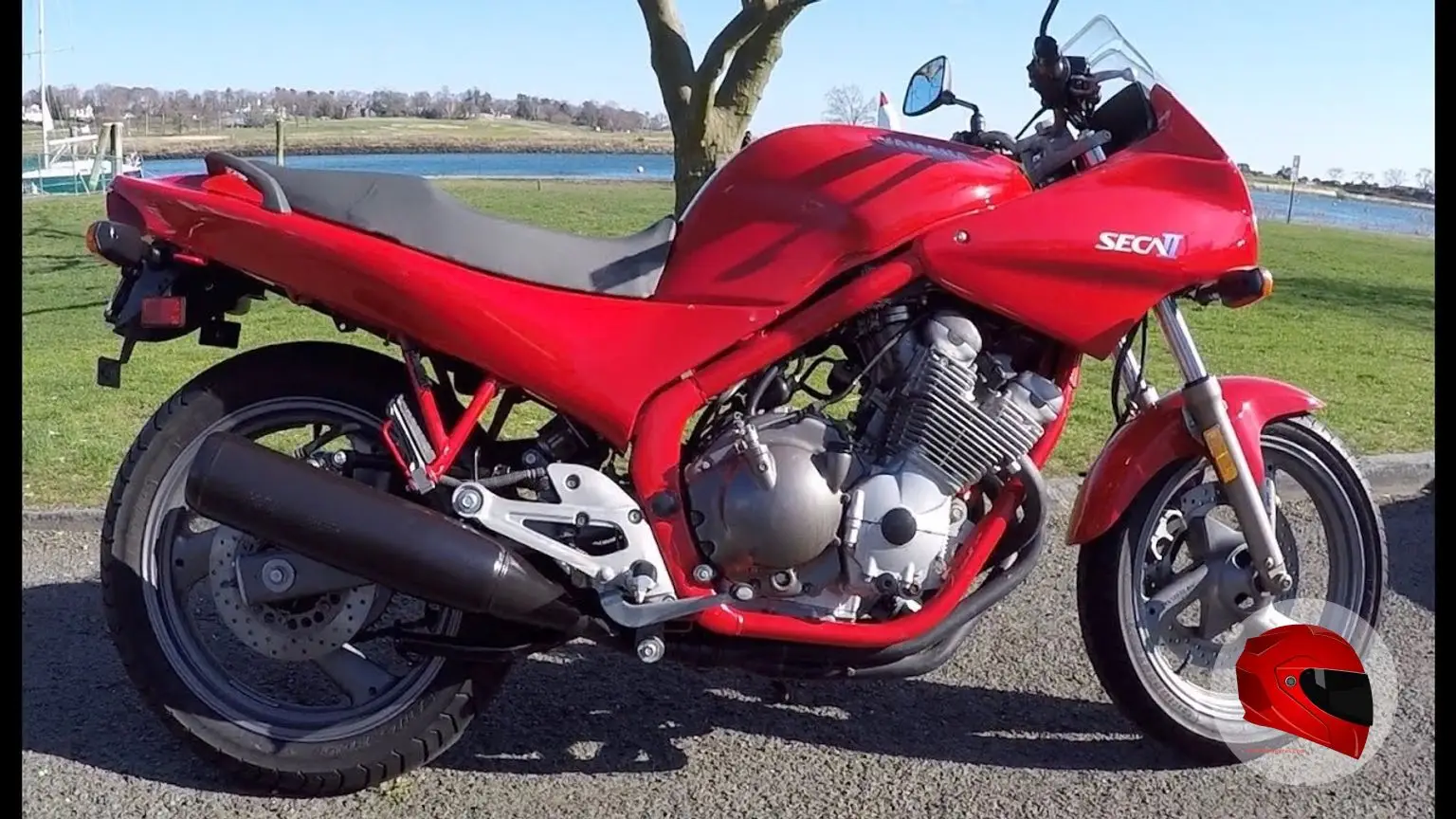
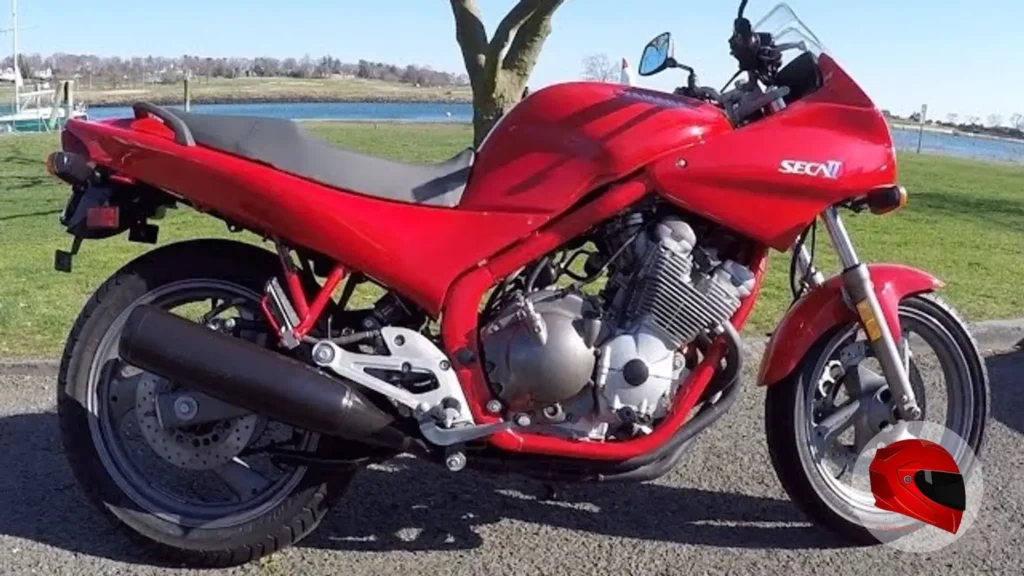
The Yamaha XJ600S is a used middleweight suited to commuting and weekend rides, with an air-cooled four-cylinder engine and a half-fairing. In many markets it is called the Diversion; in the United States, it is known as the Seca II. Listings and parts catalogs may use either name, so check the model year and identifying details. On a bike this old, maintenance history and condition matter as much as the model’s basic design.
Yamaha XJ600S Specifications
| Specification | Value |
|---|---|
| Model names | XJ600S Diversion; Seca II (US) |
| Production | 1992–2004; US Seca II, 1992–1998 |
| Engine | 598–599cc, air-cooled DOHC inline-four; 58.5 × 55.7mm bore × stroke |
| Valves | 8 total; 2 per cylinder |
| Transmission | Six-speed; wet multi-disc clutch; chain drive |
| Frame | Steel-tube double cradle |
| Front suspension | Telescopic forks; 140mm travel |
| Rear suspension | Preload-adjustable monoshock; 109mm travel |
| Front brakes | 320mm disc(s); twin or single by market and trim |
| Rear brake | 245mm disc |
| Fuel capacity | 17L (4.5 US gal) |
| Seat height | 770mm (30.3in) |
| Weight | 195kg (430lb) dry; 211kg (465lb) wet |
| Top speed | 111–118mph (180–190km/h) |
| Average fuel consumption | 52mpg |
| Compression ratio | 10.0:1 |
| Carburetion | Four 28mm Mikuni downdraft carburetors |
| Wheelbase | 1,445mm (56.9in) |
How the XJ600S Performs on the Road
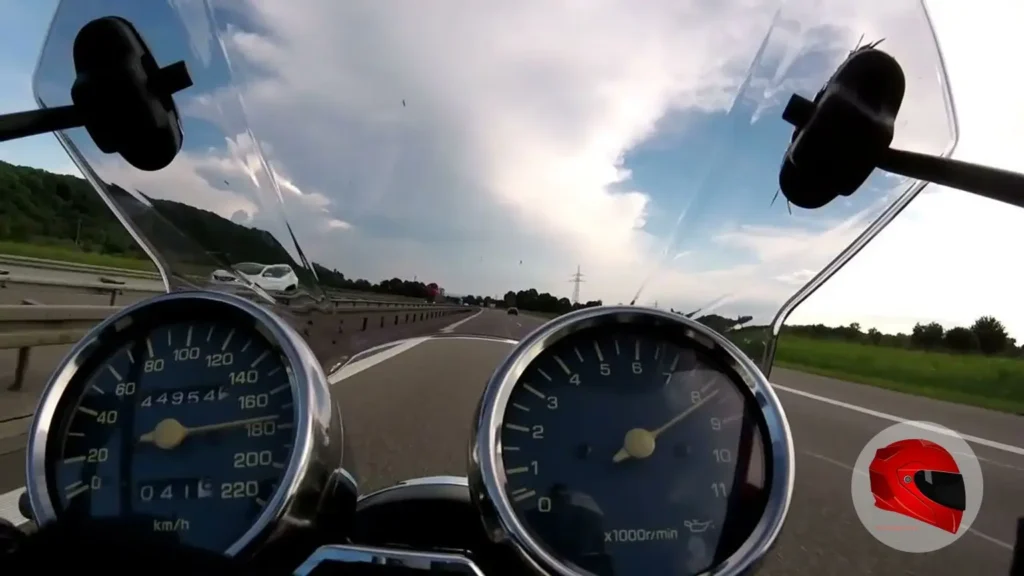
The 598-599cc inline-four produces 61 bhp and 39.1 lb-ft of torque. Its power delivery is smooth and accessible for everyday riding, while the six-speed gearbox gives it a useful spread for town roads and highways. The listed top speed is 111–118mph (180–190km/h).
The half-fairing cuts some wind on longer rides, and the 770mm seat height is approachable for many riders. At 195kg (430lb) dry and 211kg (465lb) wet, the bike takes some effort to maneuver at a standstill. Telescopic forks and a preload-adjustable rear monoshock make up the suspension. Depending on market and trim, the front brake has one or two 320mm discs; the rear has a 245mm disc. Brake feel and condition depend on maintenance.
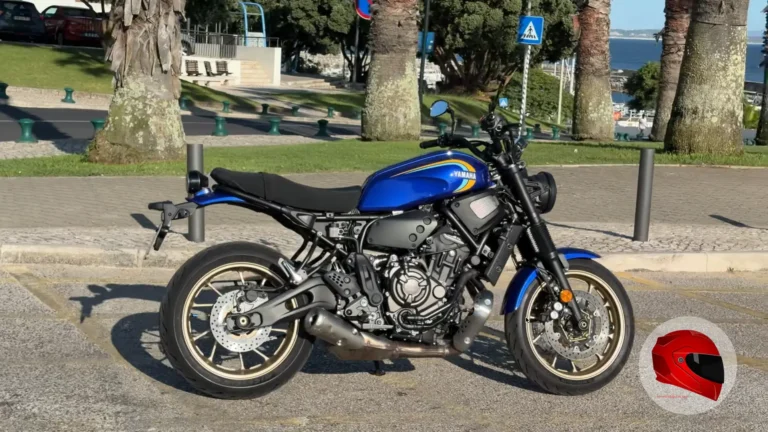
The XJ600S’s four-cylinder engine comes alive higher in the rev range, unlike a modern middleweight twin that delivers more of its character lower down. This contrast is clear when considering Yamaha XSR700 specs and performance: the choice is between relaxed low-rev flexibility and a more traditional, rev-oriented feel.
Reliability and Common Age-Related Issues
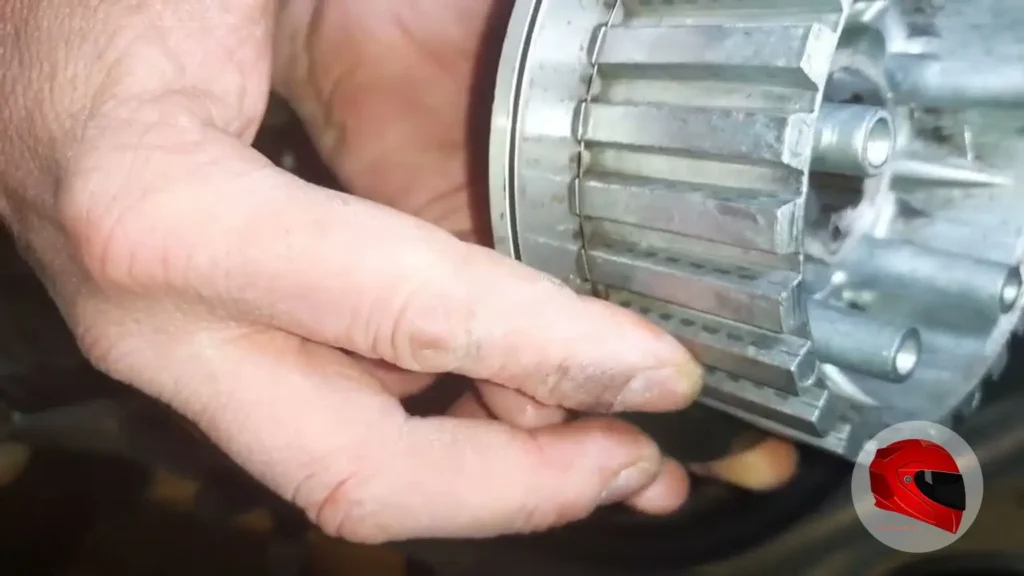
The XJ600S has a relatively simple air-cooled engine, but most examples are decades old. Service history, worn parts and long periods off the road can matter more than the design’s basic durability. A cold start and a close inspection can reveal problems that a warmed-up bike may not show.
- Carburetors: Difficult cold starts, an uneven idle, hesitation or fuel leaks can point to dirty or poorly synchronized carburetors.
- Brakes: Check disc surfaces, pad thickness, caliper movement, hoses and fluid condition. The front brakes should apply evenly without pulsing or dragging.
- Suspension and bearings: Look for oil around the fork seals and leaks or weak damping at the rear shock. Check the steering-head and wheel bearings for play.
- Engine and maintenance: Look for oil leaks, listen for unusual mechanical noise and ask for service records. Starting the engine cold can reveal issues hidden when it is warm.
An annual servicing benchmark is approximately $100, converted from a UK estimate of £80. Treat this as a guide, not a fixed ownership cost: parts, labor rates, the bike’s condition and any work you do yourself all affect the bill.
On a bike this old, service history and the condition of rubber, electrical and fuel-system parts matter more than reputation. The BMW K75 review offers a useful comparison: another older multi-cylinder bike with different maintenance priorities.
Model Changes and Regional Names
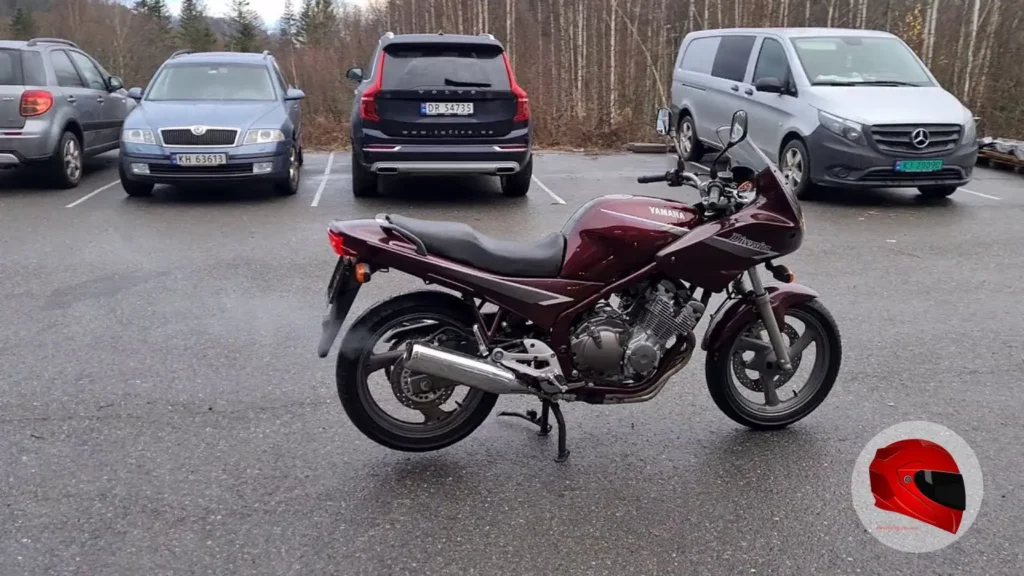
The XJ600S is the half-faired model sold as the Diversion in many markets and the Seca II in the United States. The 600cc Diversion line ran from 1992 to 2004; US Seca II production ran from 1992 to 1998. Use both names when searching listings or parts, and check the year and identifying details before buying.
The related Yamaha XJ600N is the naked version, without an upper fairing. It shares the family’s 598cc air-cooled DOHC inline-four layout and produces 61 hp. The earlier Yamaha FJ600, sold from 1984 to 1991, has a 598cc engine producing 72 hp and a six-speed transmission. The larger Yamaha XJ900 Diversion has an 892cc air-cooled inline-four producing 90 hp and shaft drive. The later Yamaha XJ6 Diversion is a separate model, with a 600cc liquid-cooled, fuel-injected inline-four producing 77 hp.
The XJ600S pairs a half-fairing with a touring-friendly setup, unlike similarly sized middleweights with more upright, exposed designs. The Yamaha YX600 Radian takes a roadster approach, with a more open riding position and simpler styling.
Used XJ600S Prices and Listings
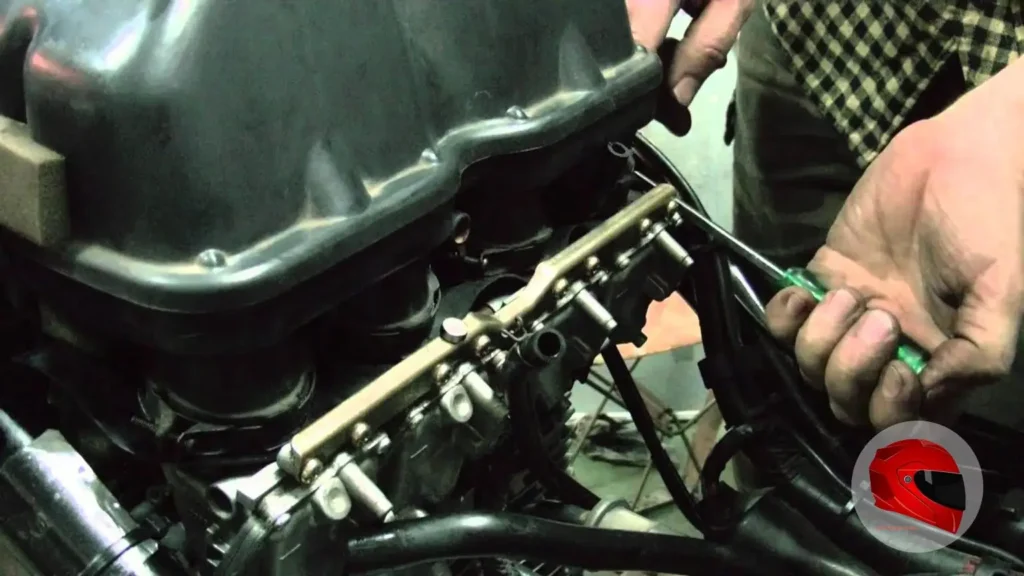
US asking prices for the XJ600S, also listed as the Seca II, range from about $1,200 to $2,800. Listings on Facebook Marketplace fall within that range; examples on Craigslist commonly ask around $1,500, $2,500. These are asking prices, not a guarantee that a specific motorcycle is worth the amount listed.
Base your offer on the bike’s condition, title status, maintenance records and any work it needs. A low-priced example may need tires, brake service, carburetor work or suspension repairs before it is roadworthy. Add the cost of those repairs to the asking price, and leave room in your budget for age-related maintenance.
What to Check Before Buying a Used XJ600S
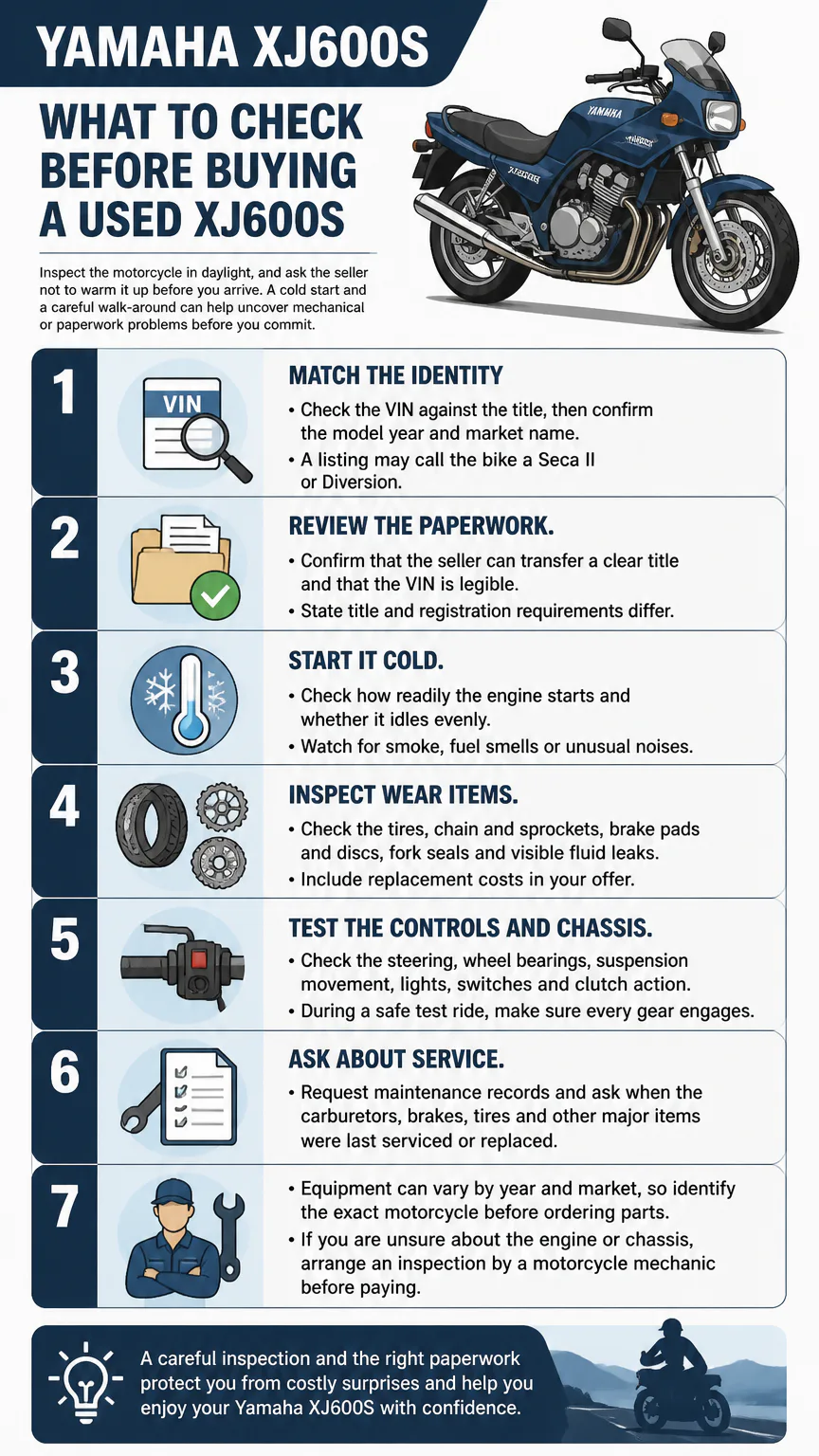
Inspect the motorcycle in daylight, and ask the seller not to warm it up before you arrive. A cold start and a careful walk-around can help uncover mechanical or paperwork problems before you commit. If possible, compare the motorcycle’s details with the listing and its title.
- Match the identity. Check the VIN against the title, then confirm the model year and market name. A listing may call the bike a Seca II or Diversion.
- Review the paperwork. Confirm that the seller can transfer a clear title and that the VIN is legible. State title and registration requirements differ.
- Start it cold. Check how readily the engine starts and whether it idles evenly. Watch for smoke, fuel smells or unusual noises.
- Inspect wear items. Check the tires, chain and sprockets, brake pads and discs, fork seals and visible fluid leaks. Include replacement costs in your offer.
- Test the controls and chassis. Check the steering, wheel bearings, suspension movement, lights, switches and clutch action. During a safe test ride, make sure every gear engages.
- Ask about service. Request maintenance records and ask when the carburetors, brakes, tires and other major items were last serviced or replaced.
Equipment can vary by year and market, so identify the exact motorcycle before ordering parts. If you are unsure about the engine or chassis, arrange an inspection by a motorcycle mechanic before paying.
Is the Yamaha XJ600S Right for You?
The XJ600S suits riders who want a used standard with a smooth four-cylinder engine, moderate power and some wind protection. It can handle commuting and longer rides, and its mechanical layout is less complex than that of newer fuel-injected motorcycles. Because these bikes are old, condition matters more than a low odometer reading or an appealing asking price.
If you want stronger sport performance or a more modern 600cc bike, a newer design may suit you better. The naked XJ600N has different bodywork, while the XJ900 Diversion has more displacement and shaft drive. Compare the specific bike’s condition with the kind of riding you plan to do.
FAQs
Is the Yamaha XJ6 fast?
The XJ6 Diversion is a later, separate model from the XJ600S. Its 600cc liquid-cooled, fuel-injected inline-four is rated at 77 hp, compared with the XJ600S’s 61 bhp. Speed and acceleration depend on the model version and condition.
Conclusion
The Yamaha XJ600S can suit commuting and weekend rides if it has been maintained well. Before buying, confirm the model identity, inspect its mechanical condition and budget for age-related service. The asking price alone does not show what the motorcycle will cost to make safe and dependable.