Honda CB250 Specs, Performance, Weight & Model Differences
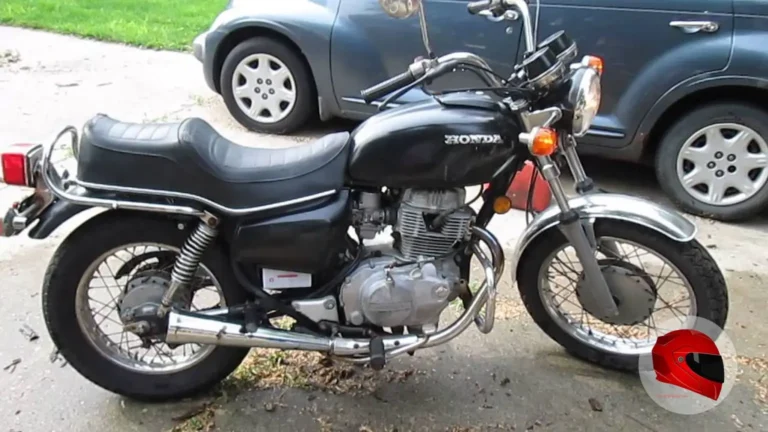
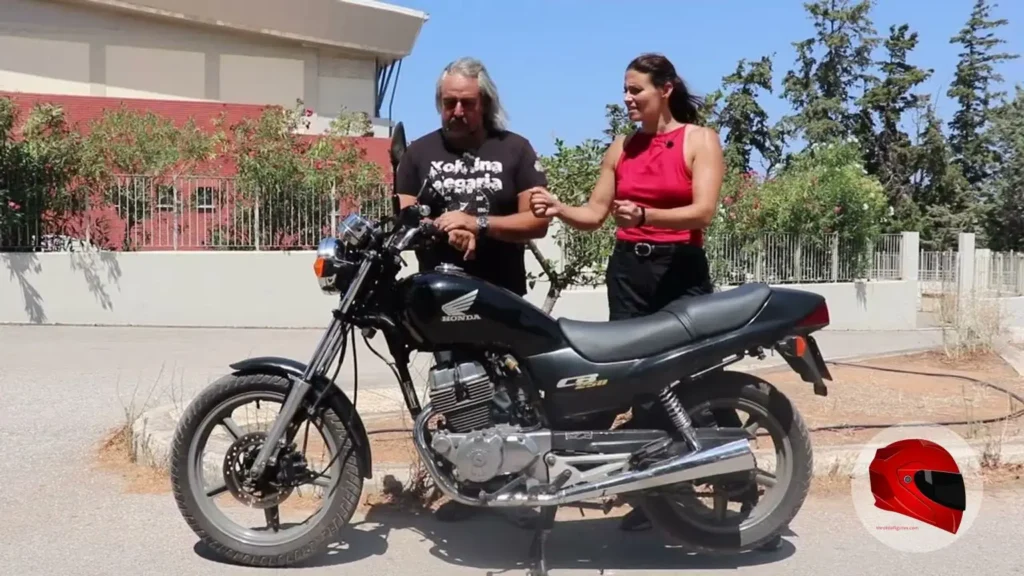
The Honda CB250 name covers several generations of small standard motorcycles, so specifications and prices depend on the version. The classic twin and the later U.S. CB250 Nighthawk differ in engine size, weight, brakes and performance. When buying used, check the exact model, its mechanical condition and its title status.
Honda CB250 Specifications by Version
| Model or version | Production period | Engine and capacity | Power | Weight or seat height | Fuel capacity | Estimated top speed |
|---|---|---|---|---|---|---|
| Classic CB250 | 1968–1977 | 249 cc air-cooled SOHC parallel twin | 30 bhp at 10,500 rpm | 156 kg with fluids | 14.0 L | About 85 mph |
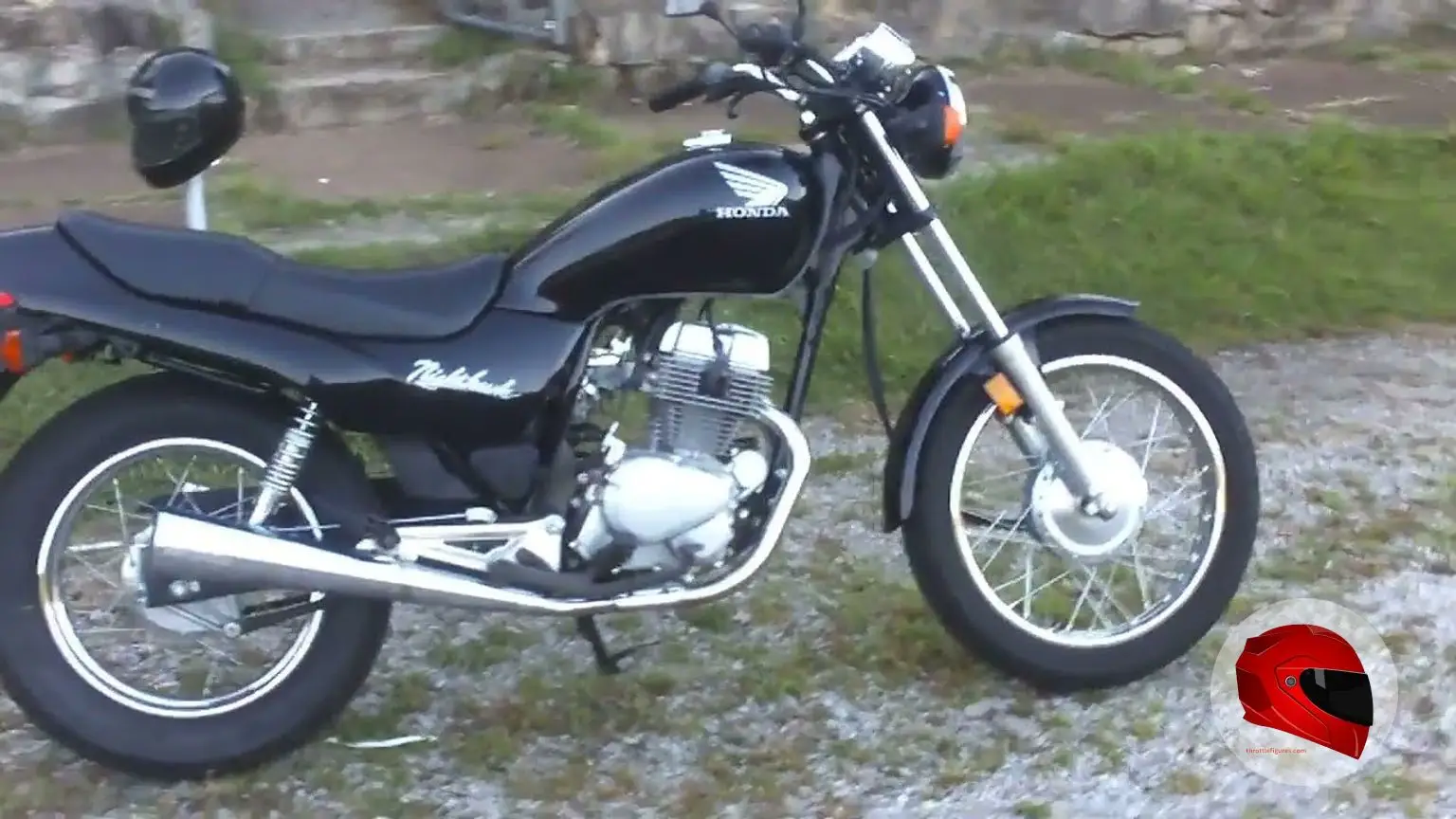
| CB250 Nighthawk | 1992–2008 | 234 cc air-cooled parallel twin | 21 PS at 8,500 rpm | 132 kg dry; 145 kg curb; 745–755 mm seat | 16 L | About 80 mph |
| CB72 | 1960–1967 | 247 cc air-cooled parallel twin | 24 hp at 8,000 rpm | 153 kg dry; 167 kg curb; 780 mm seat | 14.0 L | About 95 mph |
| CD250 | 1968–1970 | 249.3 cc air-cooled twin | 27 hp at 10,000 rpm | 156 kg curb | 12.0 L | About 80 mph |
| CL250 | 1968–1970 | 249.3 cc air-cooled parallel twin | 27 hp at 10,000 rpm | 147 kg dry; 157 kg curb; 795 mm seat | 9.0 L | About 80 mph |
| CJ250T | 1976–1977 | 249.3 cc air-cooled parallel twin | 26–27 hp at 9,500 rpm | 162 kg dry; 183 kg curb; 805 mm seat | 14.0 L | About 80 mph |
| CB250T Dream | 1976–1977 | 249 cc air-cooled OHC parallel twin | 17 hp at 8,500 rpm | 172 kg dry; 185 kg curb; 785 mm seat | 14.0 L | About 75 mph |
How the CB250 Performs on the Road
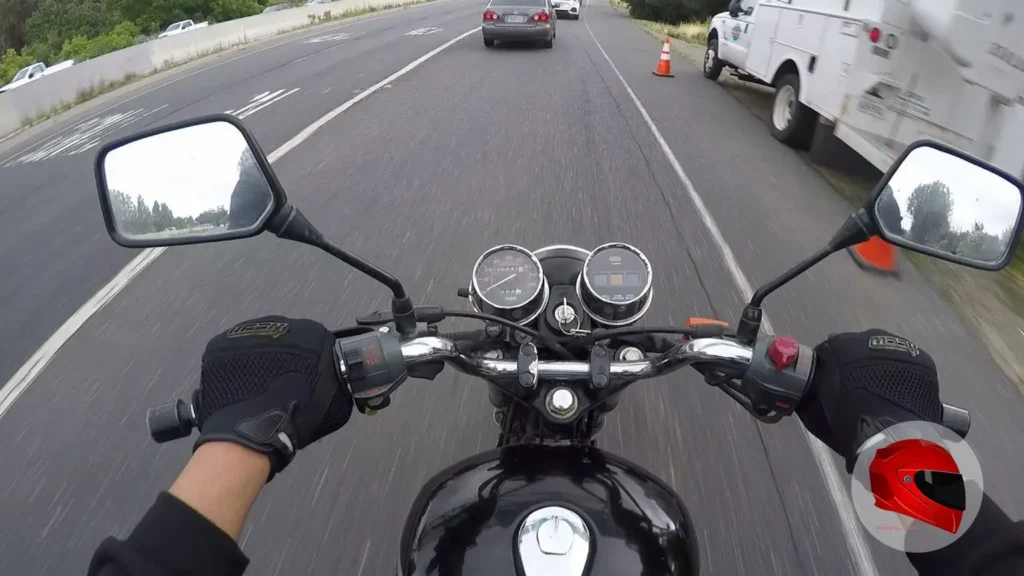
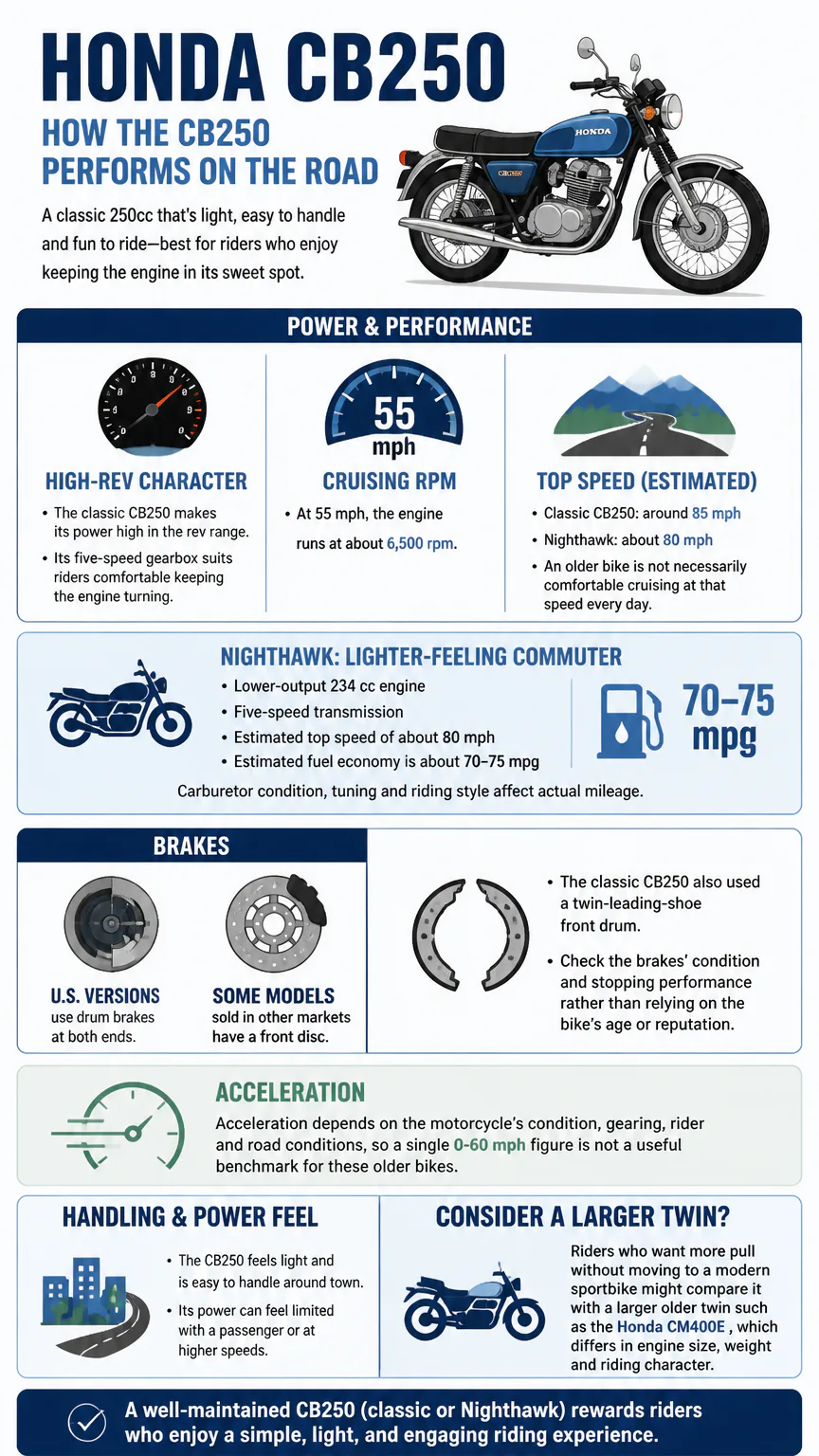
The classic CB250 makes its power high in the rev range. Its five-speed gearbox suits riders comfortable keeping the engine turning; at 55 mph, the engine runs at about 6,500 rpm. The estimated top speed is around 85 mph, but an older bike is not necessarily comfortable cruising at that speed every day.
The Nighthawk is a lighter-feeling commuter with a lower-output 234 cc engine, a five-speed transmission and an estimated top speed of about 80 mph. U.S. versions use drum brakes at both ends; some models sold in other markets have a front disc. The classic CB250 also used a twin-leading-shoe front drum. Check the brakes’ condition and stopping performance rather than relying on the bike’s age or reputation.
Acceleration depends on the motorcycle’s condition, gearing, rider and road conditions, so a single 0-60 mph figure is not a useful benchmark for these older bikes. The Nighthawk’s estimated fuel economy is about 70-75 mpg, though carburetor condition, tuning and riding style affect actual mileage.
The CB250 feels light and is easy to handle around town, but its power can feel limited with a passenger or at higher speeds. Riders who want more pull without moving to a modern sportbike might compare it with a larger older twin such as the Honda CM400E, which differs in engine size, weight and riding character.
Choosing among CB250 variants
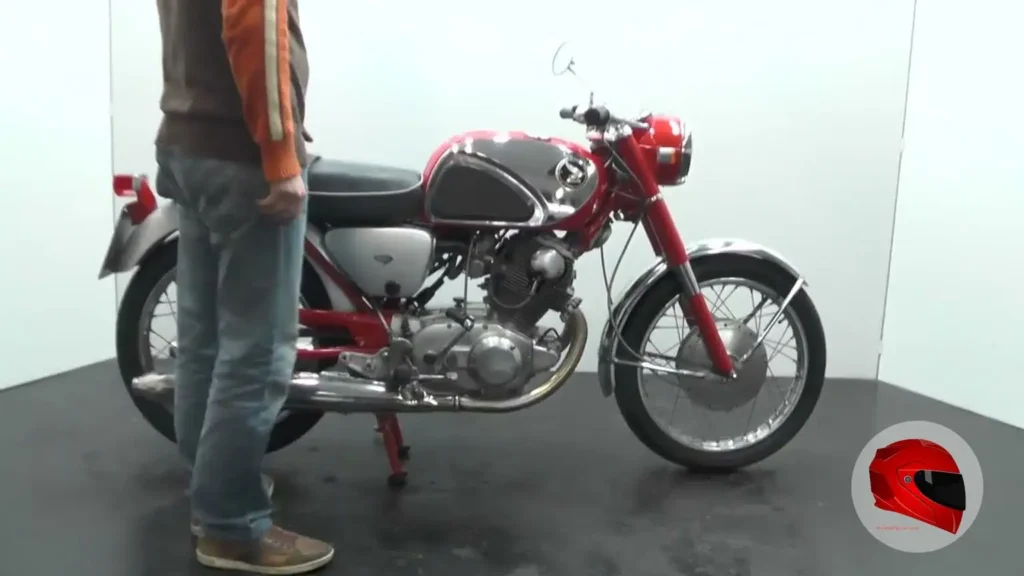
The classic CB250 arrived in 1968 with a 249 cc SOHC twin. The CB250K4 reached the U.K. in late 1971. It is a different model from the CB250 Nighthawk, the later U.S. standard produced from 1992 through 2008. Match parts, specifications and asking prices to the exact model and year, not just the CB250 name.
The CB72 is the earlier sporty predecessor. The CD250 is its touring-oriented sibling, and the CL250 is the street-scrambler sibling. The CJ250T followed the original classic CB250 in 1977 with slimmer styling, while the CB250T Dream used a revised three-valve-per-cylinder engine. These related motorcycles do not share interchangeable specification references.
The CB250F is another distinct model designation. Check the full model name on the title and identification plate before using a parts listing or comparing prices. A cafe-racer conversion is a modified motorcycle, not a separate factory CB250 version; inspect its workmanship and check which original components remain.
CB250 variants differ in their engines, chassis and era-specific equipment. If you like the CB250’s approachable size but want a more contemporary feature, compare it with the Honda Rebel 300 E-Clutch, which has an assisted clutch that changes the feel of stop-and-go riding.
Is the CB250 Reliable for Daily Riding?
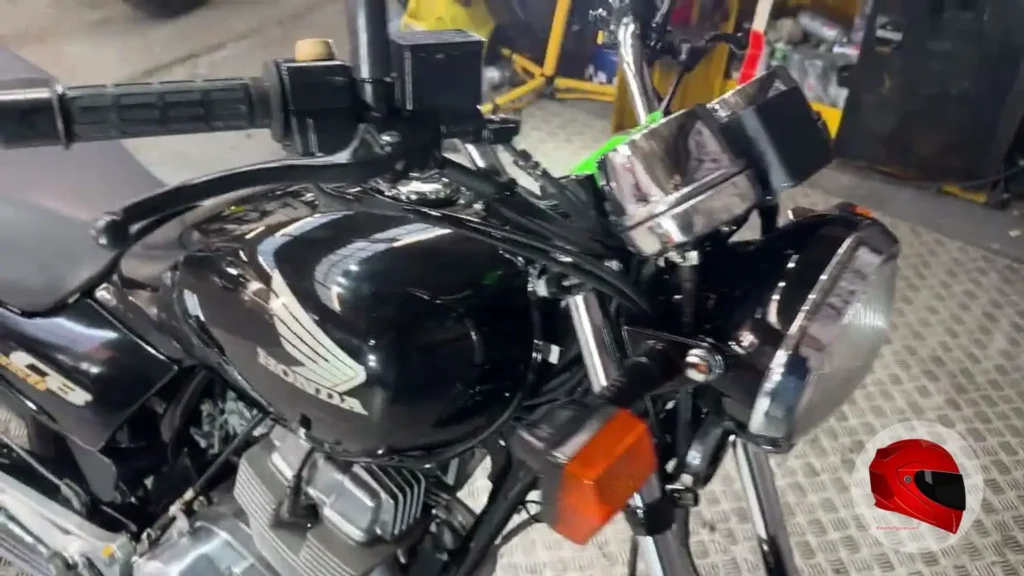
A well-maintained CB250 can serve as a commuter or basic standard motorcycle, but its age and maintenance history matter more than the badge. The Nighthawk’s air-cooled twin and carburetor are mechanically simple. Still, neglected fuel systems, worn electrical components, old tires and poor repairs can turn a low-priced bike into an expensive project.
One Nighthawk covered 107,000 miles over 16 years without engine work, but an individual bike’s condition depends on its maintenance and use. Year-to-year Nighthawk changes were primarily paint and graphics. Beginners should also consider the bike’s modest power and older braking equipment, and take a motorcycle safety course before riding in traffic.
A 250 cc motorcycle can travel on freeways, but the CB250’s limited power leaves less room for quick passing or holding speed into a strong headwind. The Nighthawk’s estimated 80 mph maximum is close to some U.S. highway limits, so the bike is better suited to local roads and shorter highway stretches than sustained high-speed travel.
What a Used Honda CB250 Costs
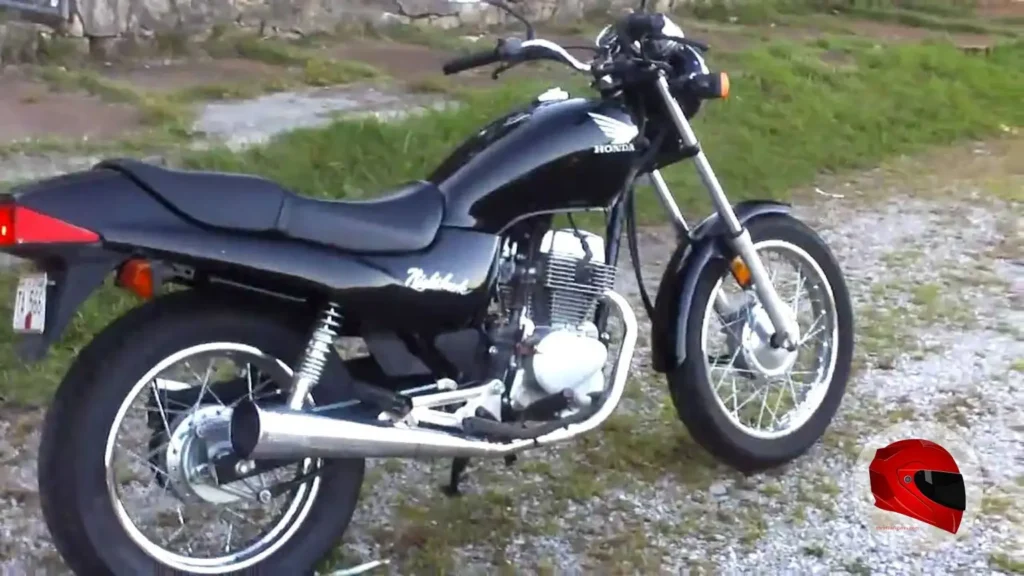
Used Honda CB250s commonly cost $1,000, $3,000 in the United States. A serviceable Nighthawk is often listed for around $1,200, $2,500. Year, mileage, running condition and title status affect the asking price, while restored or unusually clean classic models may cost more than ordinary commuter examples.
- Condition: A bike that starts, runs and stops correctly is worth more than a non-running project. Check for deferred maintenance even if it runs.
- Title: A clear title that matches the frame identification number simplifies registration. Missing or mismatched paperwork can delay a purchase or prevent registration.
- Seller type: Private sellers may ask less, while a dealer may offer a more formal sales process. Neither seller type guarantees good mechanical condition or a warranty.
- Ownership costs: Add sales tax, title and registration fees, insurance, and immediate repairs to your budget. Fees and registration requirements vary by state.
A used CB250 may cost less upfront, but age-related maintenance can add to the bill. If you’re comparing it with a newer bike that has more torque and modern equipment, the Honda Rebel 500 review offers a different balance of price, performance and riding position.
How to Inspect a Used CB250
Arrange to see the motorcycle cold, in daylight, with its title and keys. A short test ride is no substitute for a mechanical inspection, especially on a bike that may be decades old.
- Match the frame identification number to the title and confirm that the seller can legally transfer ownership.
- Start the engine cold. Listen for abnormal knocking, smoke or uneven running, and check for fuel leaks.
- Inspect the fuel tank for rust, dents and leaks. Check hoses and the carburetor area for fuel seepage.
- Check tire age and condition, wheel movement and visible damage to the rims.
- Look for rust, tight spots and excessive slack in the chain, and check the sprocket teeth for wear.
- Test both brakes. Check the drums, cables and controls for damage or poor adjustment.
- Look for oil leaks, damaged wiring, stripped fasteners and repairs that may point to neglected maintenance or crash damage.
If the engine will not start or the seller will not allow a cold start, treat the motorcycle as a project and price it accordingly. If you cannot assess its condition yourself, have a motorcycle mechanic inspect it before purchase.
Where to Find CB250 Listings
Cycle Trader carries listings for classic and vintage Honda CB motorcycles as well as Nighthawk 250s. Facebook Marketplace and Craigslist also have private-party listings. Search by the full model designation and year; a broad CB250 search may mix the Nighthawk with classic twins and related models.
Check the title, cold-start behavior, maintenance and roadworthiness in both dealer and private listings. Ask for the exact model and year before comparing specifications, and get the agreed price and any included items in writing. A low asking price alone does not mean the bike is ready to ride.
FAQs
What does a Honda CB250 weigh?
Weight depends on the version and measurement method. The Nighthawk weighs 132 kg dry and 145 kg curb, while the classic CB250 is listed at 156 kg with fluids.
How much does a Honda 250 cost?
A used Honda CB250 commonly costs $1,000, $3,000 in the United States. Price depends on condition, title status, mileage and whether the bike is a classic model or a Nighthawk.
How much does a CBR250R cost?
A used Honda CBR250R generally costs about $2,000, $4,000 in the United States. It is a separate motorcycle from the CB250, and year and condition affect the asking price.
What is the Honda CB250 0-60 time?
There is no single 0-60 mph time that applies to every CB250. Acceleration varies with the bike’s condition, rider weight, gearing and test conditions.
Does Honda offer a 2026 CB250 in the U.S.?
Honda does not offer a 2026 CB250 in the U.S.; the model has been discontinued there. For a current Honda 250 cc street bike, consider the CB300R or search used listings for a CB250.
Conclusion
The CB250 can suit local commuting or a classic-bike project if its age and performance match your needs. Identify the exact version, then base your decision on the bike’s condition, paperwork and inspection results.