Honda CM400E: Specs, Performance & Used-bike Buying Guide
Disclaimer: Performance figures may vary depending on factors such as rider, road and weather conditions, vehicle condition, and testing methods. Figures are provided for informational purposes only.
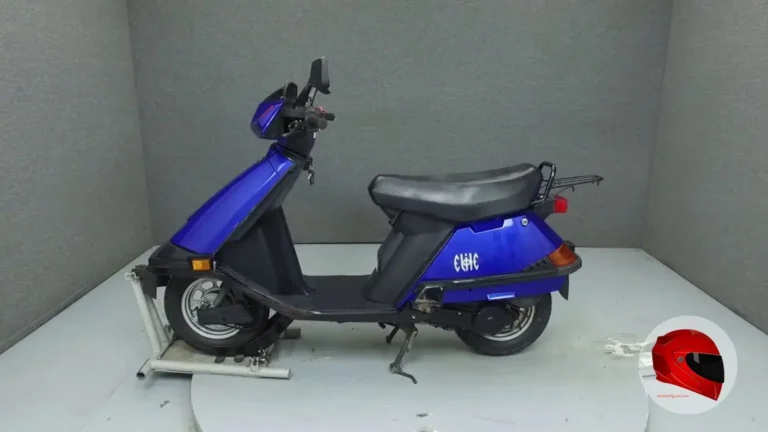
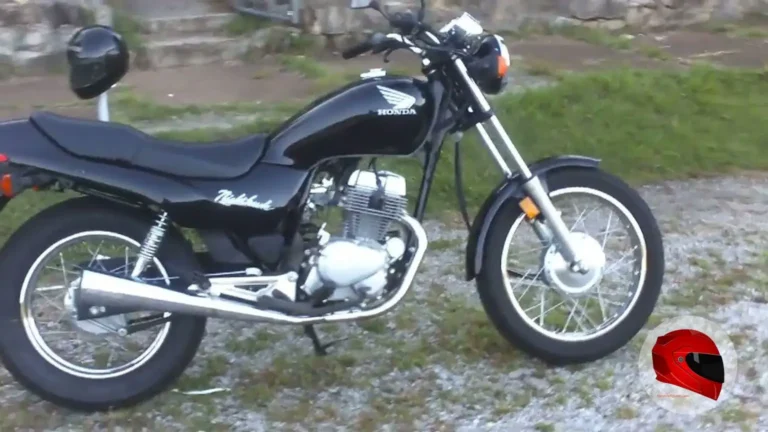
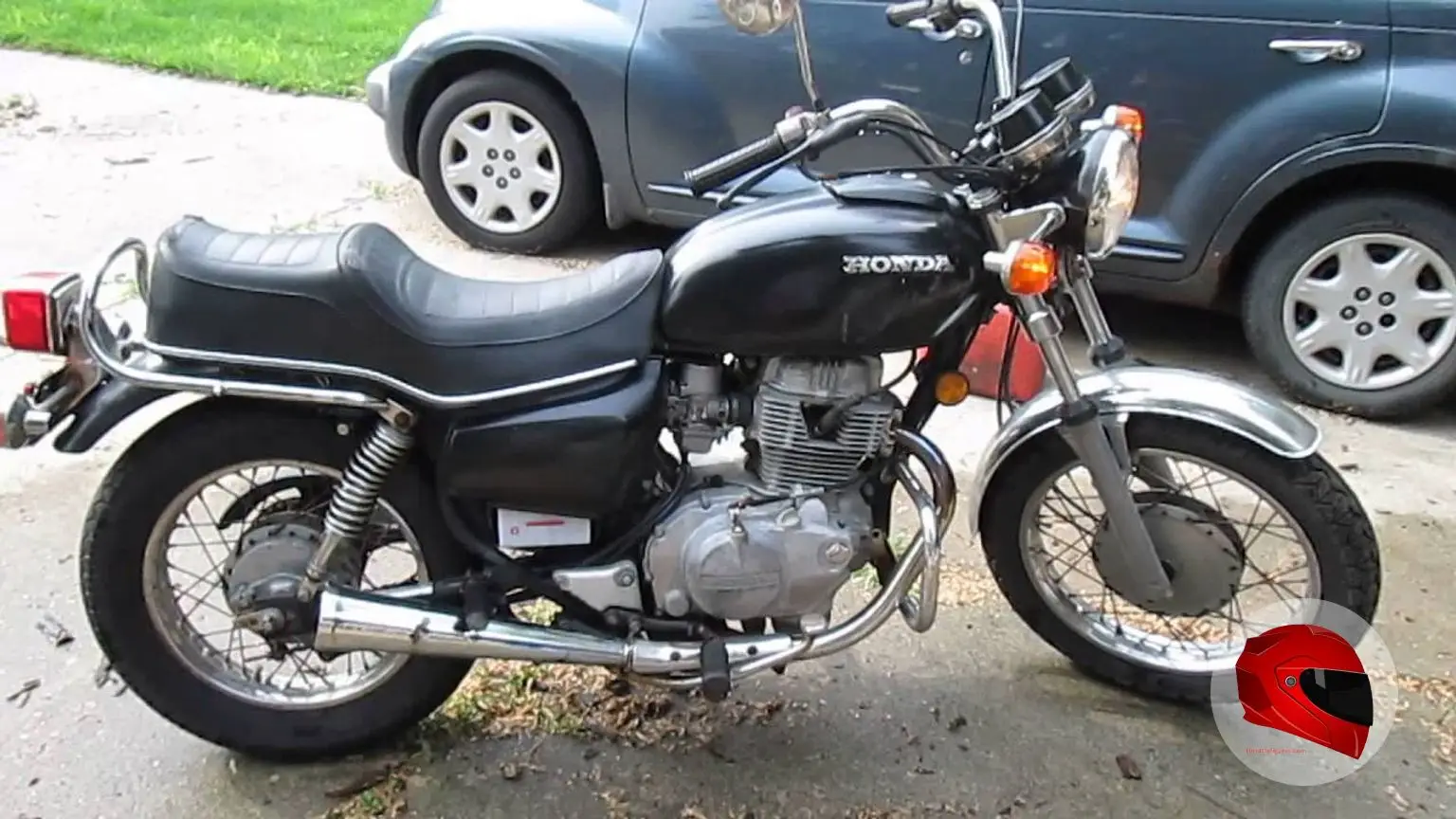
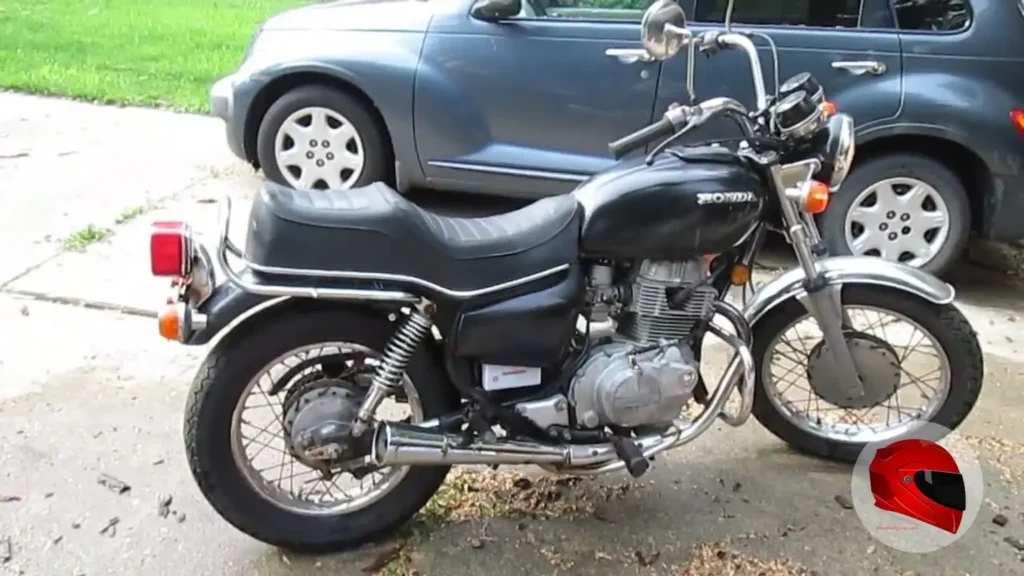
The Honda CM400E is a vintage middleweight for local trips, back roads or a restoration project. Its Economy trim has simpler equipment than other CM400 versions, and a bike’s condition and paperwork matter as much as its specifications. Model year, originality, brake and electrical condition, and the quality of past repairs all affect its value.
Honda CM400E Specifications and Value
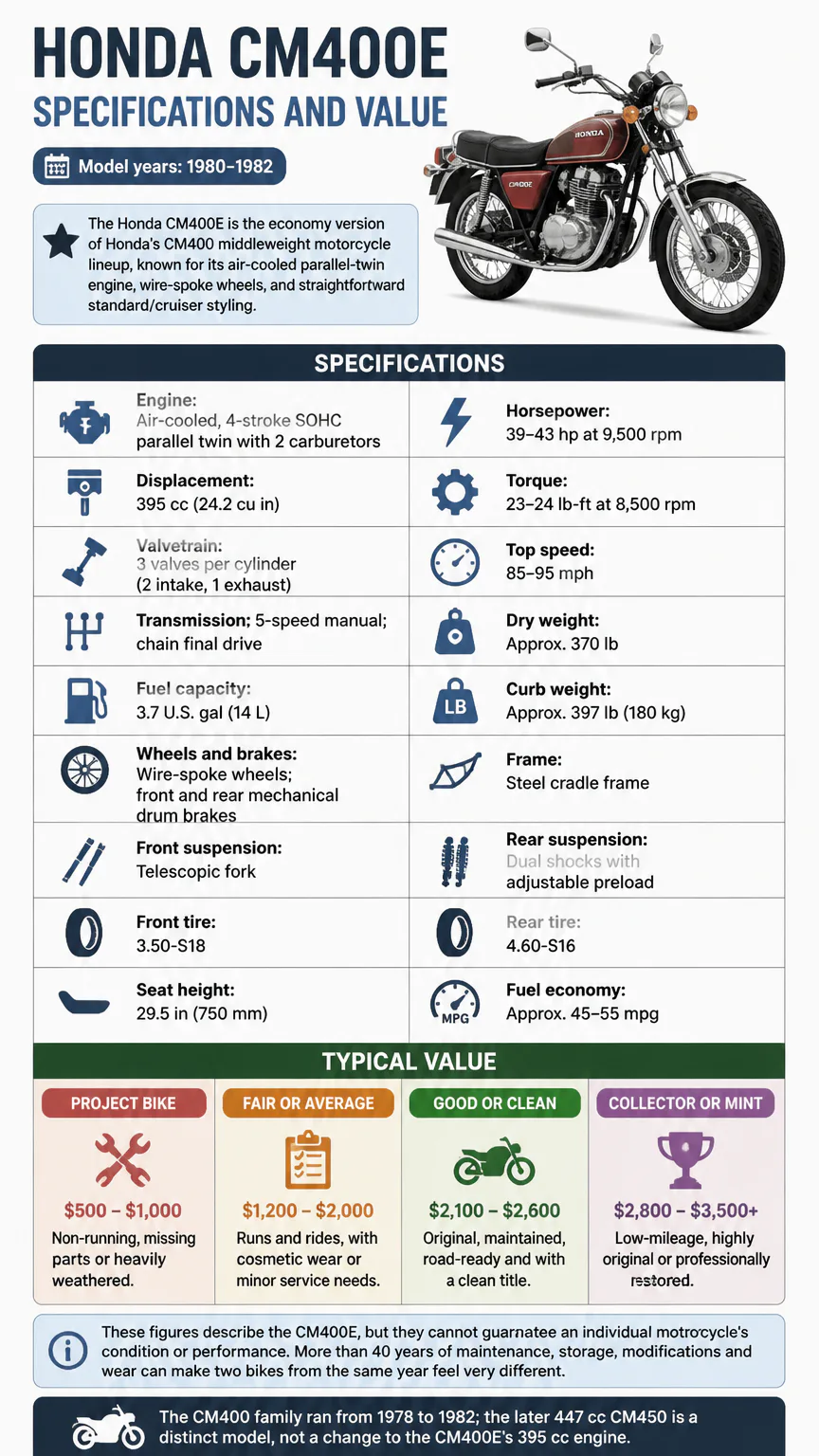
Specifications
- Model years: 1980-1982
- Engine: Air-cooled, 4-stroke SOHC parallel twin with 2 carburetors
- Displacement: 395 cc (24.2 cu in)
- Valvetrain: 3 valves per cylinder (2 intake, 1 exhaust)
- Transmission: 5-speed manual; chain final drive
- Horsepower: 39-43 hp at 8,500 rpm
- Torque: 23-24 lb-ft at 8,500 rpm
- Top speed: 85-95 mph
- Dry weight: Approx. 370 lb
- Curb weight: Approx. 397 lb (180 kg)
- Fuel capacity: 3.7 U.S. gal (14 L)
- Wheels and brakes: Wire-spoke wheels; front and rear mechanical drum brakes
- Frame: Steel cradle frame
- Front suspension: Telescopic fork
- Rear suspension: Dual shocks with adjustable preload
- Front tire: 3.50-S18
- Rear tire: 4.60-S16
- Seat height: 29.5 in (750 mm)
- Fuel economy: Approx. 45-55 mpg
| Specification | Honda CM400E |
|---|---|
| Engine | 395 cc air-cooled SOHC parallel twin |
| Power | 39–43 hp at 8,500 rpm |
| Torque | 23–24 lb-ft at 8,500 rpm |
| Top speed | 85–95 mph |
| Dry weight | Approx. 370 lb |
| Curb weight | Approx. 397 lb (180 kg) |
| Fuel capacity | 3.7 US gal (14 L) |
| Transmission | 5-speed manual, chain final drive |
| Wheels and brakes | Wire-spoke wheels, front and rear drum brakes (E trim has no tachometer) |
Typical value
- Project bike: $500, $1,000, Non-running, missing parts or heavily weathered.
- Fair or average: $1,200, $2,000, Runs and rides, with cosmetic wear or minor service needs.
- Good or clean: $2,100, $2,600, Original, maintained, road-ready and with a clean title.
- Collector or mint: $2,800, $3,500+, Low-mileage, highly original or professionally restored.
These figures describe the CM400E, but they cannot guarantee an individual motorcycle’s condition or performance. More than 40 years of maintenance, storage, modifications and wear can make two bikes from the same year feel very different. The CM400 family ran from 1978 to 1982; the later 447 cc CM450 is a distinct model, not a change to the CM400E’s 395 cc engine.
How the CM400E differs from other trims
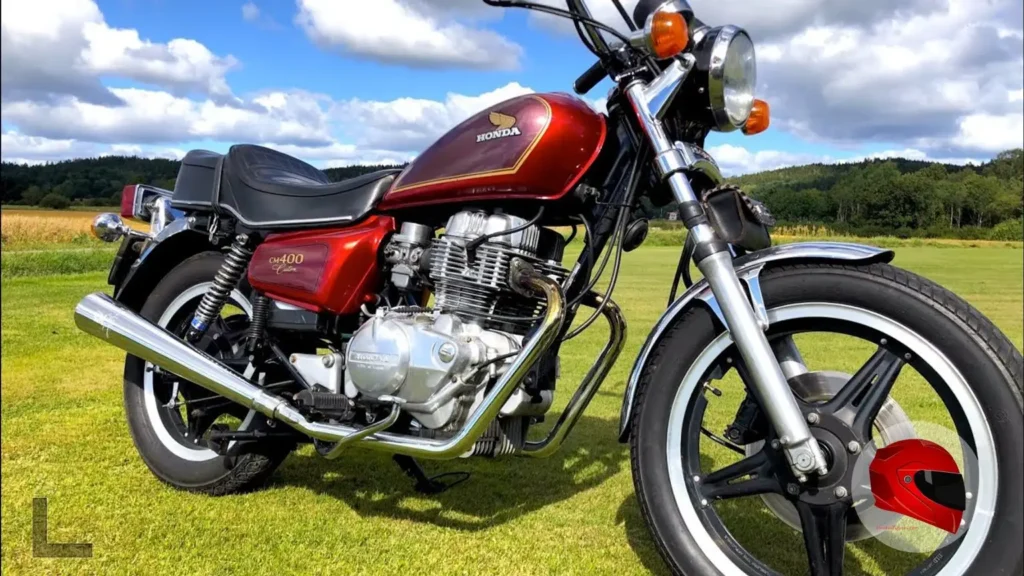
The “E” stands for Economy. The CM400E has wire-spoke wheels and drum brakes, including a front drum, with simpler equipment than the alloy-wheeled CM400T. When comparing used bikes, check the trim-specific wheels, brakes and instrumentation; they affect both the ride and the parts a restoration may need.
- Honda CM400T: A five-speed version with ComStar alloy wheels, a front disc brake and a tachometer. It produces about 43 hp, with a reported top-speed range of 85-95 mph.
- Honda CM400A Hondamatic: Has a two-speed semi-automatic transmission with a hydraulic torque converter. It also has a gear indicator, parking brake, ComStar wheels and a front disc brake.
- Honda CM400C: The 1981-only Custom has cruiser styling, a stepped seat, pull-back handlebars, a teardrop tank and ComStar wheels.
These models belong to the CM400 family, but their equipment is not automatically interchangeable. Confirm the model designation and inspect the parts on the actual motorcycle, especially if it has been modified or assembled from multiple bikes.
The CM400E has a standard riding position, unlike trims with more touring or cruiser styling. If you’re comparing it with a newer Honda twin that has a lower seat and cruiser posture, consider the Honda Rebel 500 review.
Performance and ride
The CM400E’s parallel twin produces 39-43 hp at 8,500 rpm and 23-24 lb-ft of torque at 8,500 rpm. Top speed is 85-95 mph, though actual performance depends on the bike’s condition and the rider’s posture.
At roughly 397 pounds with fuel, the bike feels manageable at lower speeds, helped by its low center of gravity. Its front drum brake is less decisive than the front disc on a CM400T or CM400A, so check stopping performance carefully and leave extra room in traffic. The upright, simple layout suits relaxed local rides and hands-on vintage-bike projects. Consider its age and braking equipment before using it regularly on the highway.
The CM400E’s upright riding position and manageable twin-cylinder power suit everyday riding better than outright speed. Modern retro standards keep that all-purpose character while adding contemporary power and braking. The Yamaha XSR700 specs show how the formula has evolved.
Used value and where to shop
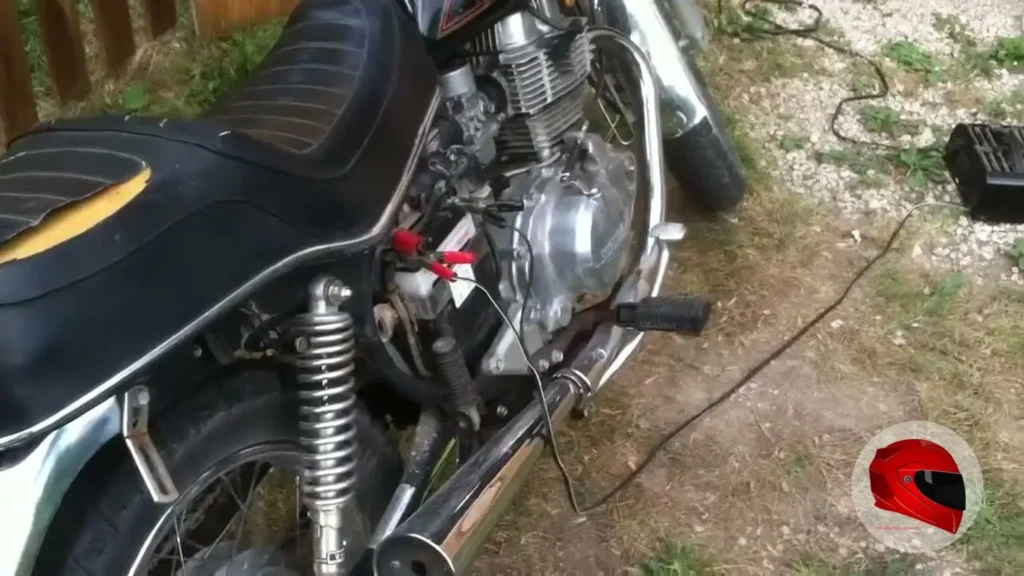
Many listed bikes are priced around $800, $2,200. Projects can sell for less, while clean, collectible examples may exceed that range. A 1981 CM400E in good condition has a $2,100 value benchmark. Treat asking prices as a starting point: a running engine doesn’t prove that the brakes, charging system, tires, title or fuel system are sound.
Check several sales channels; listings and sellers vary:
- Facebook Marketplace has local private-party listings and project bikes, with the option to inspect in person before negotiating.
- Craigslist can have regional private sales, including motorcycles that need repair.
- Cycle Trader lists bikes nationwide through dealers, including running vintage motorcycles and collector-grade examples often priced near retail.
Before traveling, ask about the title, cold-start behavior and recent repairs. For a non-running bike, estimate the cost of making it safe and roadworthy rather than valuing it as ready to ride. Photos can help you screen a listing, but they won’t reveal bearing play, weak charging output or brakes that fail under use.
A low asking price doesn’t always mean an older motorcycle will cost less overall; deferred maintenance and parts availability can add to the bill. A newer used bike may cost more upfront, but its condition and ownership demands can differ, as the Kawasaki Ninja 400 buying guide explains.
Reliability and routine maintenance
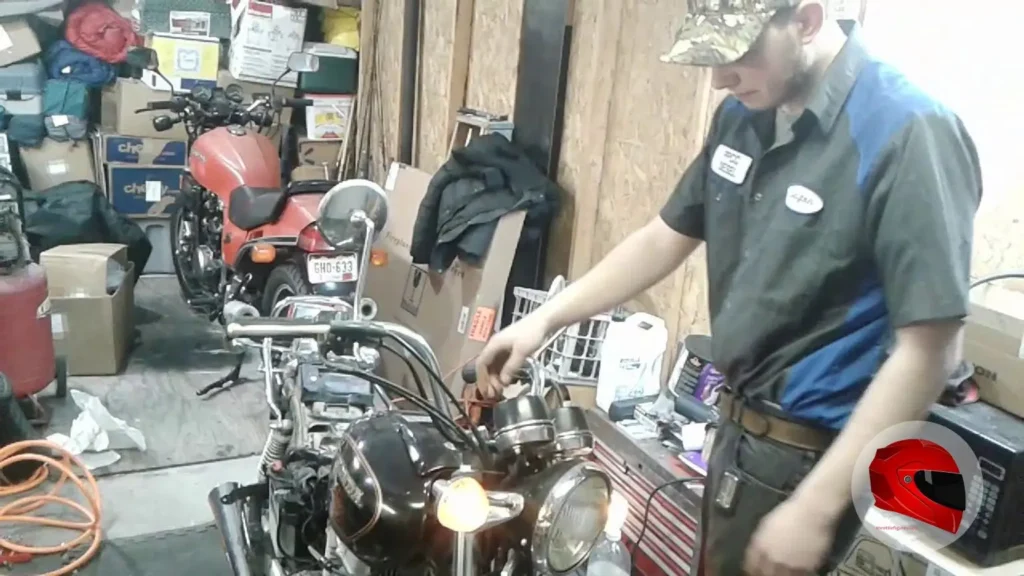
The CM400E has straightforward service needs. You can adjust valve lash with a wrench and screwdriver rather than shims. That simplicity helps with routine maintenance, but the bike’s age still matters. A motorcycle that has spent years parked may need fuel-system work and replacement rubber, even with a low odometer reading.
- Check valve lash and listen for unusual top-end noise. Inspect the cam chain and tensioner when assessing the engine.
- Look for carburetor leaks, blocked passages, deteriorated fuel lines, and rust or sediment in the tank.
- Check intake boots for cracks; air leaks can cause poor running that resembles a carburetor problem.
- Test the charging system and wiring for loose, corroded or damaged connections.
- Inspect the tires, wheel spokes, brakes, control cables and suspension for age-related wear.
Routine consumables are generally easier to find than trim-specific parts or original cosmetic pieces. Before buying a restoration candidate, identify missing model-specific equipment and estimate the repair costs, especially if the bike has altered wiring, nonstandard wheels or incomplete bodywork.
What to inspect before buying
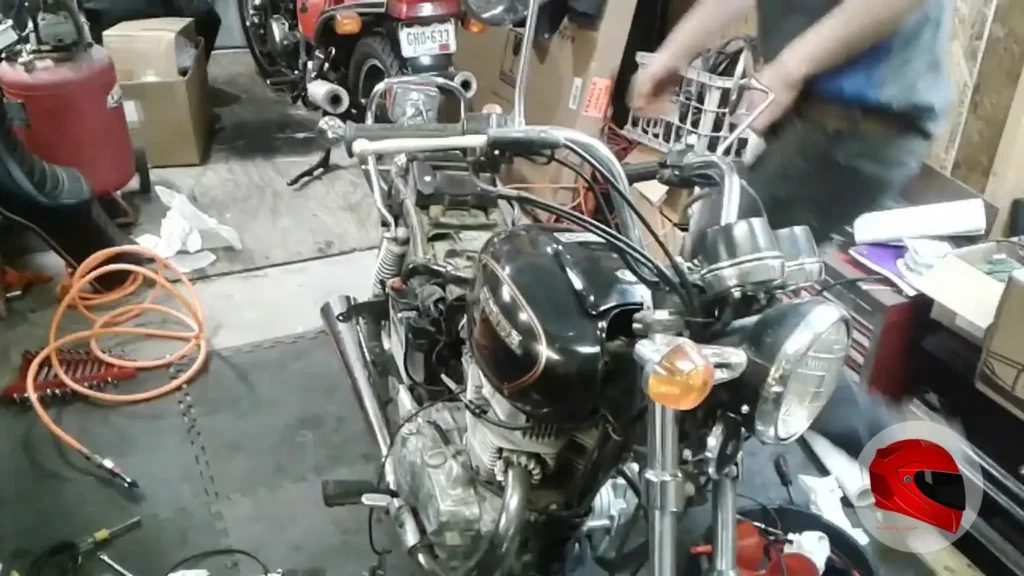
Inspect the motorcycle in person, and ask the seller not to warm it up beforehand. A cold start, a short test ride where permitted and a careful paperwork check can reveal problems that a clean appearance won’t.
- Start cold: Check that the engine starts without excessive cranking, settles into an idle and doesn’t produce persistent smoke or abnormal mechanical noise.
- Check the brakes: Apply each brake separately and confirm that it works firmly and predictably. Look for worn or contaminated linings, damaged cables and poor adjustment.
- Inspect tires and wheels: Check tire age and condition, wheel alignment, spoke tension and signs of rim damage.
- Look over the fuel system: Check the tank for rust or leaks, and inspect the carburetors, fuel lines and intake boots for deterioration.
- Test electrical output: Measure voltage across the battery at about 3,000 rpm. A healthy charging check is approximately 13.5-14.5 volts.
- Verify identity and ownership: Match the frame VIN to the title and confirm that the seller can transfer ownership. Resolve any discrepancies before paying.
A running engine doesn’t prove the motorcycle is safe to ride. If the title is missing or the VIN doesn’t match, pause the purchase until you resolve the ownership issue under your state’s rules.
Finding Parts for a CM400E
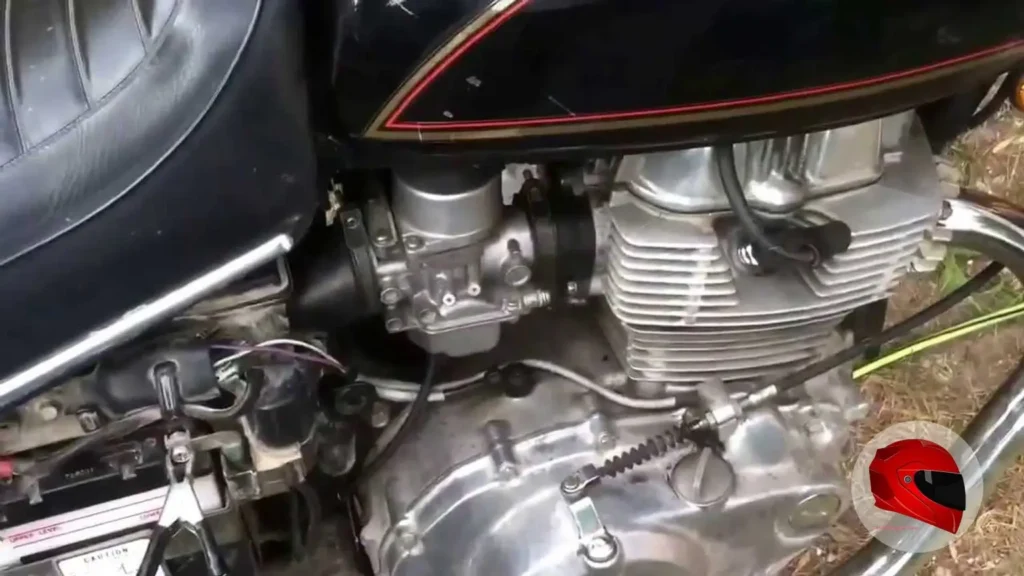
Filters, cables and brake service items are generally easier to find than trim-specific components or original cosmetic parts. Old Bike Barn and CMSNL list parts for older Honda motorcycles. eBay can also turn up used, discontinued and take-off components.
Search by CM400E model designation and exact model year, then compare the part number and fitment details with your motorcycle. Compatibility can vary across CM400 trims and model years, so a part listed for a CM400T, CM400A Hondamatic or CM400C may not fit an E model. For used parts, check the photos and description for the specific version and condition before ordering.
FAQs
What is the 0-60 mph time?
There’s no single dependable 0-60 mph figure for every CM400E. Engine condition, tuning, rider weight and launch technique all affect acceleration, so judge an individual bike by its mechanical condition rather than a claimed time.
How much horsepower did the Honda CM400T have?
The Honda CM400T produced about 43 hp. It shares the CM400 family’s 395 cc engine size but has different equipment, including ComStar wheels and a front disc brake.
What is a 1980 Honda CM400T worth?
A 1980 CM400T’s price depends on its condition, originality and title status. As a reference, CM400T values fall around $1,500, $2,867 across condition levels. A substantially modified or non-running example can be worth less than a clean, complete one.
Why was the CB400 discontinued?
Honda’s 400 cc twin lineup changed as the CM series moved to a 447 cc engine and the CM450 name in 1982. The CM400E was part of the CM line, so that transition shouldn’t be confused with every motorcycle Honda sold under a CB400 name.
Conclusion
The Honda CM400E suits a hands-on vintage-bike project or relaxed rides when its title, brakes and mechanical condition are in order. Compare the asking price with the repairs it needs. Choose a cleaner example if you want to ride soon instead of taking on a restoration.