Honda CH80 Elite 80: Specs, Performance, Reliability & Used-buying Guide
Disclaimer: Performance figures may vary depending on factors such as rider, road and weather conditions, vehicle condition, and testing methods. Figures are provided for informational purposes only.
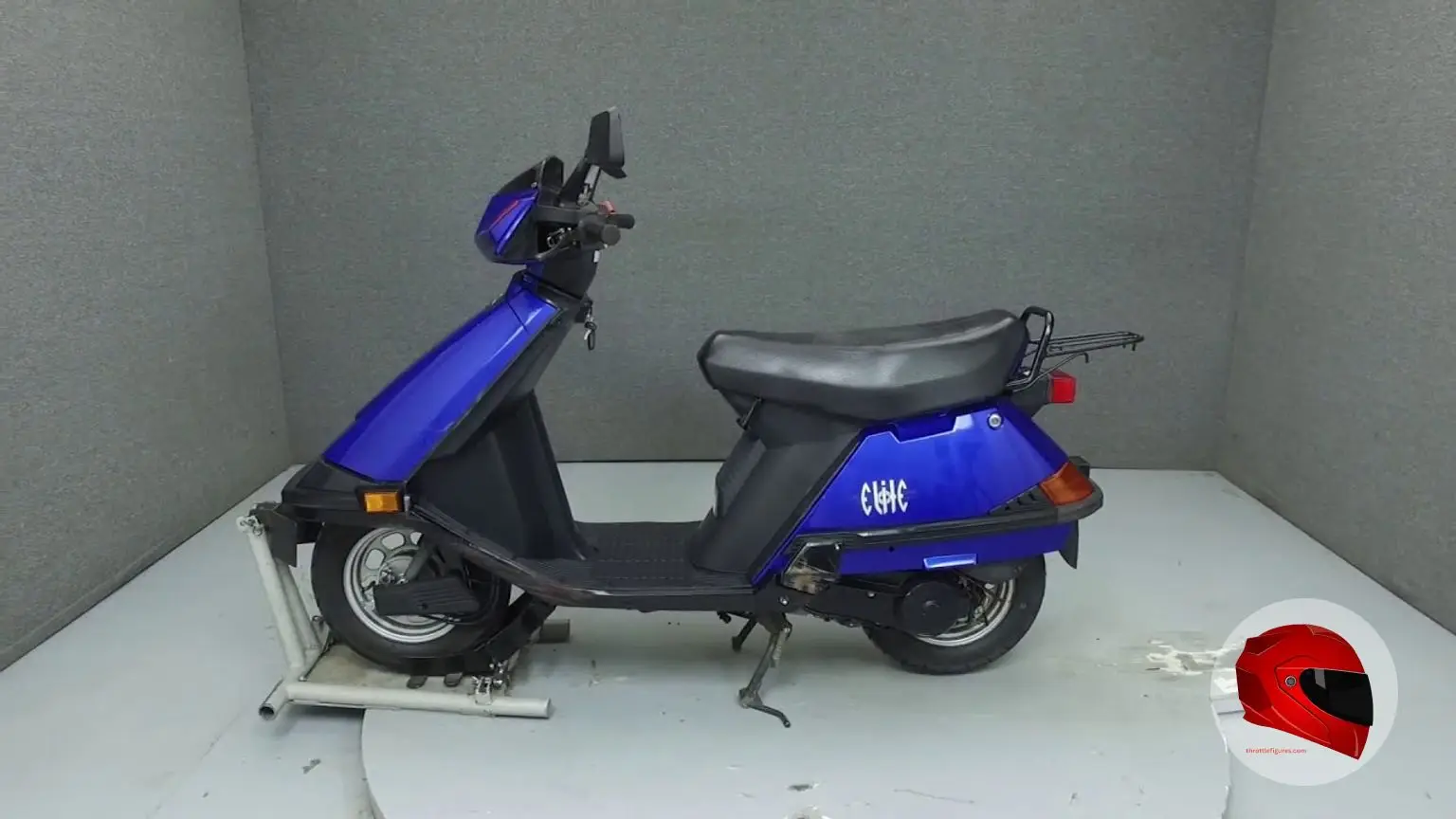
The Honda CH80 Elite 80 is a small scooter that still attracts buyers looking for inexpensive local transportation or a straightforward restoration project. Its four-stroke design is simple, but every example is now an older used vehicle. Condition, maintenance history, realistic speed expectations and clean paperwork matter more than the model year alone.
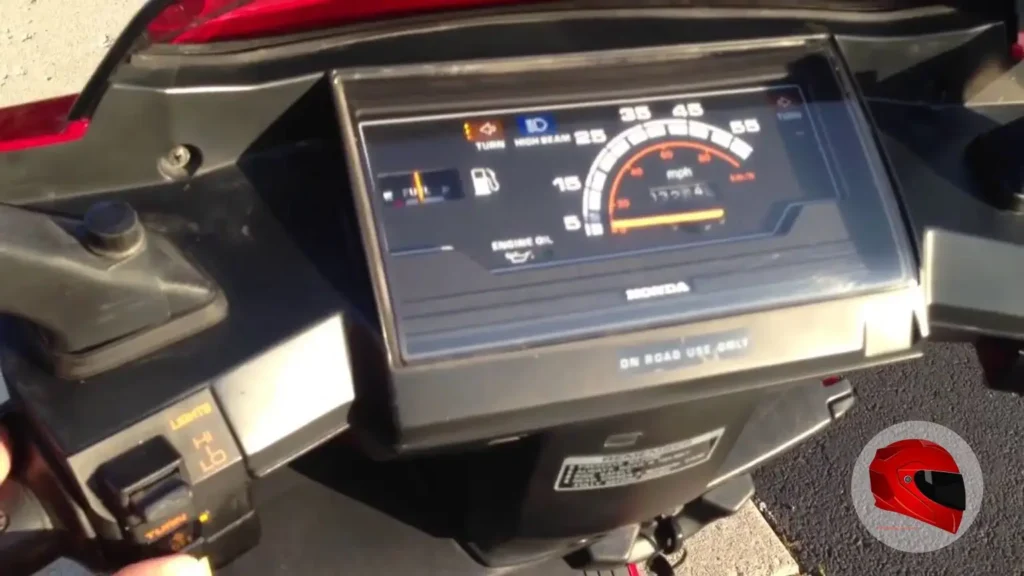
Honda CH80 Elite 80 specifications
| Specification | Detail |
|---|---|
| Model code | CH80 |
| Production years | 1985–2007 |
| Assembly origin | Japan; Mexico from around 1991 |
| Engine | 79.9 cc, air-cooled, single-cylinder, four-stroke, two-valve |
| Bore × stroke | 49.5 × 41.4 mm |
| Compression ratio | 9.3:1 |
| Carburetor | 16 mm |
| Ignition | CDI |
| Transmission | Automatic V-belt CVT |
| Final reduction | 8.382:1 |
| Starter | Electric; no factory kickstarter |
| Top speed | Approximately 40–45 mph |
| Fuel economy | Approximately 75–80 mpg |
| Fuel capacity | 1.3 US gal (4.9–5.0 L) |
| Dry weight | 172 lb (78 kg) |
| Seat height | 29.7 in (754 mm) |
| Wheelbase | 46.1 in (1,171 mm) |
| Suspension travel | Front: 3.0 in (76 mm); rear: 3.1 in (79 mm) |
| Brakes | Drum front and rear |
| Tires | 3.50 × 10 front and rear |
| Factory fuel filter | None |
| Storage | Limited front-trunk and under-seat space |
How the CH80 changed over time
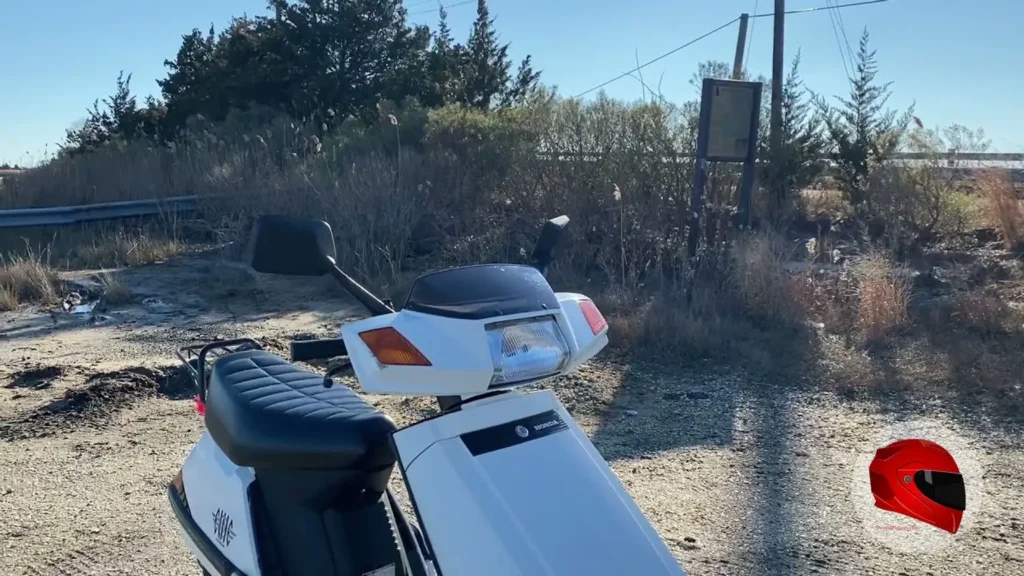
Honda produced the CH80 for 23 model years, from 1985 through 2007. It followed the two-stroke Honda Aero 80, replacing that scooter’s 79.5 cc two-stroke engine and V-matic transmission with a four-stroke powerplant. The Yamaha Beluga/Riva 80, a 79 cc two-stroke scooter sold from 1981 to 1987, was another option at the time.
The CH80 kept the same basic layout, though some parts vary by year. Production moved from Japan to Mexico around 1991, and Honda updated the headlight for the 2001 model year. Honda changed the front brake and wheel for 2005. The later front wheel does not interchange with earlier versions, so check year compatibility when sourcing a replacement.
How the CH80 performs on the road
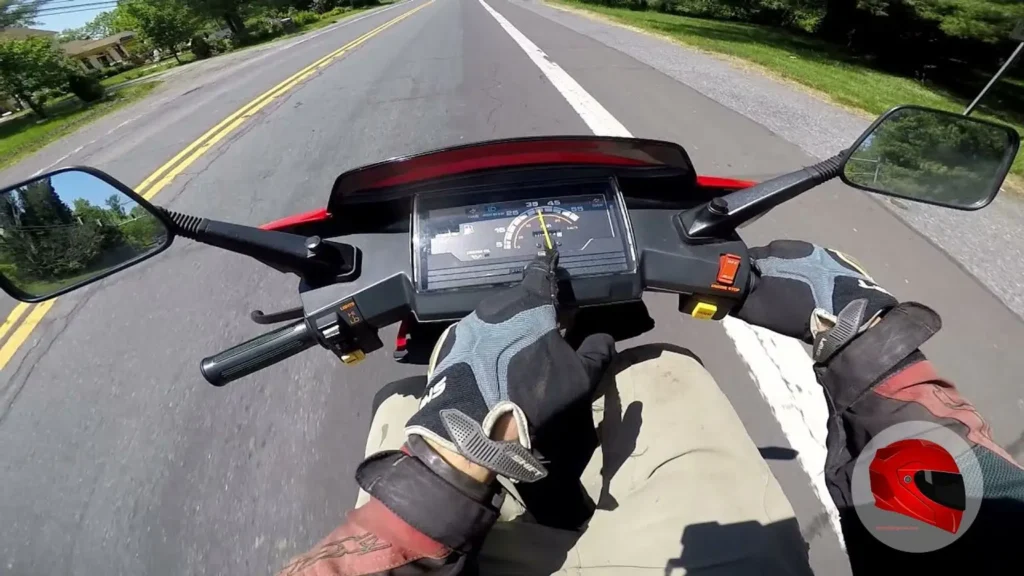
Expect modest acceleration and a top speed of about 40-45 mph in ordinary real-world use. The CH80 suits slower local streets and short urban trips, not highway travel or roads where traffic routinely moves much faster. A 0-60 mph time is not applicable because the scooter does not reach 60 mph.
Fuel economy is approximately 75-80 mpg, and the 1.3-gallon tank keeps the scooter light and compact. Its small wheels, short suspension travel and drum brakes are suited to basic commuting, but call for measured riding over rough pavement and extra stopping distance. Front-trunk and under-seat storage is limited, so plan to carry only small items.
The CH80’s 80cc engine suits short, low-speed trips but leaves little power in reserve for faster roads or steep climbs. For a more substantial step up, compare its modest output with the engine and performance figures in the Honda CB250 specs.
CH80 reliability and common problems
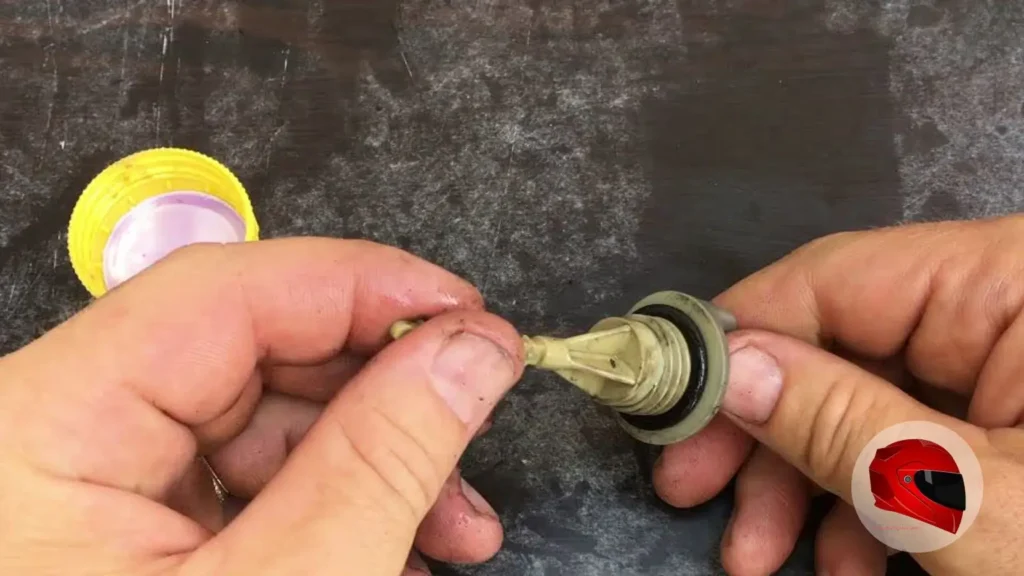
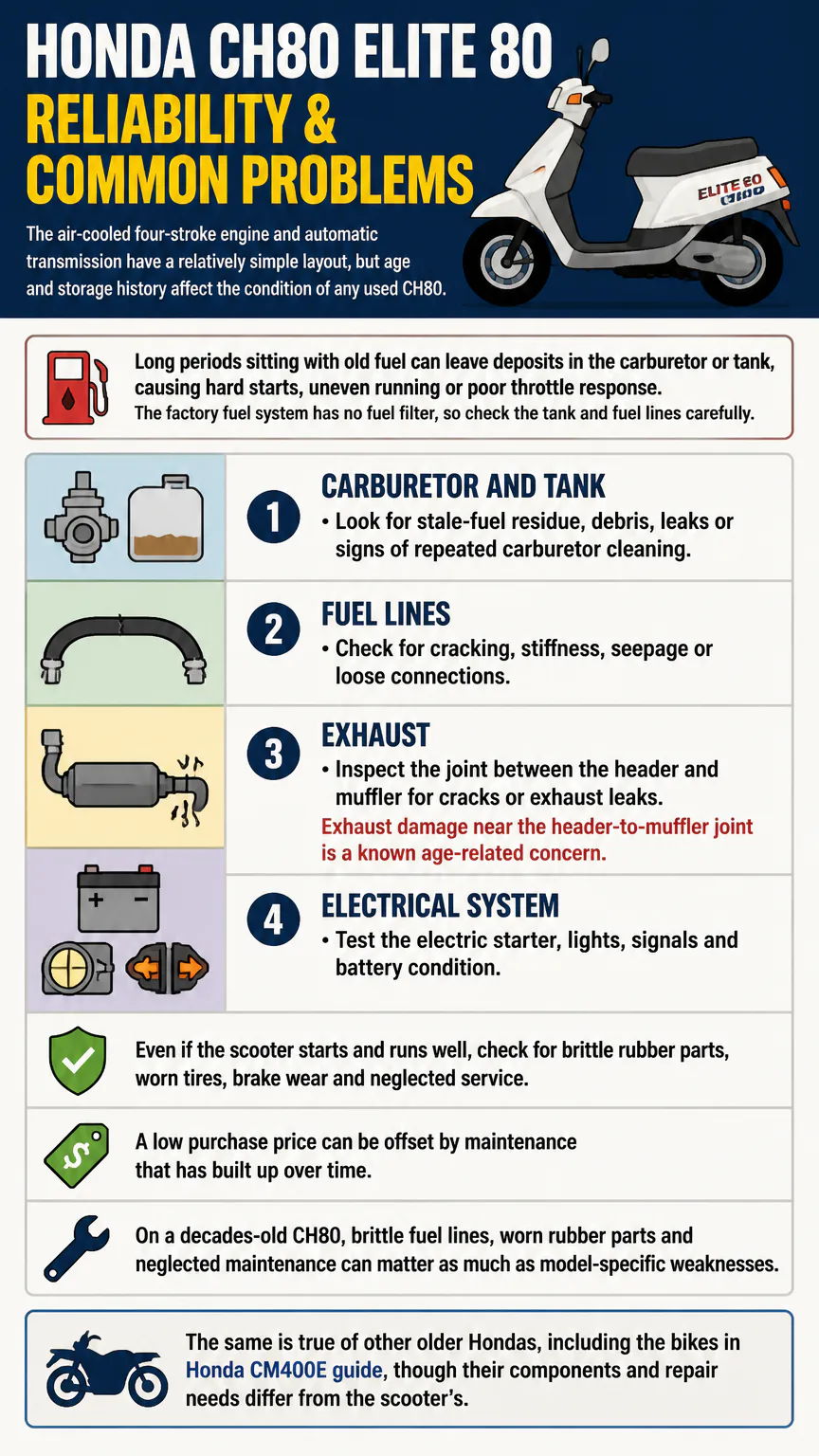
The air-cooled four-stroke engine and automatic transmission have a relatively simple layout, but age and storage history affect the condition of any used CH80. Long periods sitting with old fuel can leave deposits in the carburetor or tank, causing hard starts, uneven running or poor throttle response. The factory fuel system has no fuel filter, so check the tank and fuel lines carefully.
- Carburetor and tank: Look for stale-fuel residue, debris, leaks or signs of repeated carburetor cleaning.
- Fuel lines: Check for cracking, stiffness, seepage or loose connections.
- Exhaust: Inspect the joint between the header and muffler for cracks or exhaust leaks.
- Electrical system: Test the electric starter, lights, signals and battery condition.
Exhaust damage near the header-to-muffler joint is a known age-related concern. Even if the scooter starts and runs well, check for brittle rubber parts, worn tires, brake wear and neglected service. A low purchase price can be offset by maintenance that has built up over time.
On a decades-old CH80, brittle fuel lines, worn rubber parts and neglected maintenance can matter as much as model-specific weaknesses. The same is true of other older Hondas, including the bikes in Honda CM400E guide, though their components and repair needs differ from the scooter’s.
What to inspect before buying a CH80
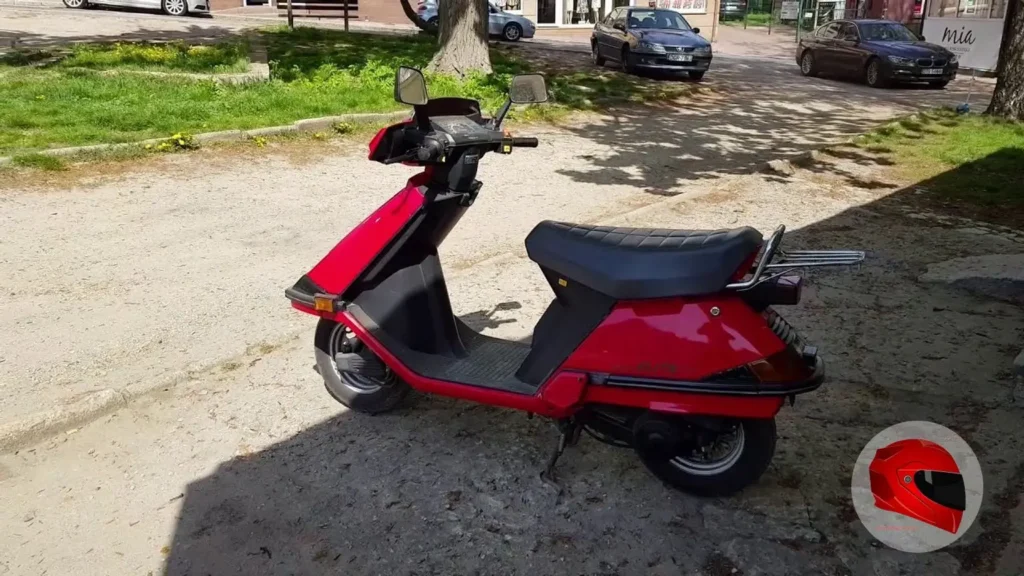
Inspect the scooter in person when possible, and ask the seller to leave it cold before you arrive. A warm engine can hide starting trouble. Missing or inconsistent ownership paperwork can also make an otherwise attractive scooter difficult to register.
- Match the paperwork: Check the title and vehicle identification number, and confirm the seller can legally transfer ownership. Registration and licensing requirements vary by state.
- Start it cold: Listen for unusual noises and note whether it starts, idles and responds to throttle without excessive smoke or stalling.
- Check the fuel system: Look for fuel leaks, aging lines, tank debris and a carburetor that has been bypassed or modified.
- Inspect tires and brakes: Check tire age and condition, wheel movement, brake operation and signs of damage or uneven wear.
- Test the electrical equipment: Confirm the electric starter, headlight, brake light, turn signals and horn work.
- Take a cautious test ride: Check acceleration, CVT engagement, steering, braking and whether the scooter tracks straight.
Ask about cold-start behavior, recent repairs and how long the scooter has been sitting. If the seller cannot demonstrate that it runs, price it as a project rather than a ready-to-ride commuter.
Where to find a used CH80 and parts
Used CH80s appear in private listings more often than at traditional motorcycle dealerships. Asking prices vary with condition, running status and local demand; private-seller listings commonly fall around $800, $2,000. A non-running scooter, a missing title or needed tire and fuel-system work can add substantially to the cost.
- Facebook Marketplace: Search locally and ask about title status, cold starts and recent maintenance before arranging a visit.
- Craigslist: Check regional classifieds for locally listed CH80 and Elite 80 scooters.
- Cycle Trader: Search listings across regions, including private sellers and specialty dealers.
- Monster Scooter Parts: Find maintenance and replacement items such as tires, cables, brake shoes and electrical components.
- ScooterSwapShop: Search for vintage scooter components and performance parts, including custom stainless exhaust systems.
Check compatibility before ordering: older scooters may have non-original components, and some parts differ by model year. The front wheel, for example, changed for 2005 and does not interchange with earlier versions.
Is the Honda CH80 right for you?
The CH80 suits riders looking for economical transport on short trips along streets with appropriate speed limits, especially if they are comfortable maintaining an older scooter. It uses little fuel, has a compact size and a simple mechanical layout. Limited storage, modest speed, drum brakes and age-related repairs are the trade-offs.
The CH80 is a poor match for highway commuting, frequent passenger use or substantial cargo. Before buying, compare the asking price with the cost of making the scooter safe and dependable. That estimate should account for any needed tires, brakes, fuel-system work or exhaust repairs, particularly if the scooter has been stored for years.
If easy handling, low running costs and neighborhood speeds matter more to you than highway ability, the CH80 may be the better fit. If you want a larger road-going machine, weigh the size, power and riding position of a Honda Rebel 500 review against the simplicity of keeping the scooter.
FAQs
What is the difference between a Honda Touring and a Honda Elite?
“Touring” is not one specific Honda scooter model, while Elite refers to a Honda scooter model family that includes the CH80. A meaningful comparison requires the exact Touring model and year.
Conclusion
The Honda CH80 Elite 80 is worth considering for local, low-speed travel if its condition and paperwork check out. Before agreeing on a price, inspect it cold, take a cautious test ride and confirm that replacement parts match the model year.