Yamaha YX600 Radian Review: Performance, Comfort & Used-bike Value
Disclaimer: Performance figures may vary depending on factors such as rider, road and weather conditions, vehicle condition, and testing methods. Figures are provided for informational purposes only.
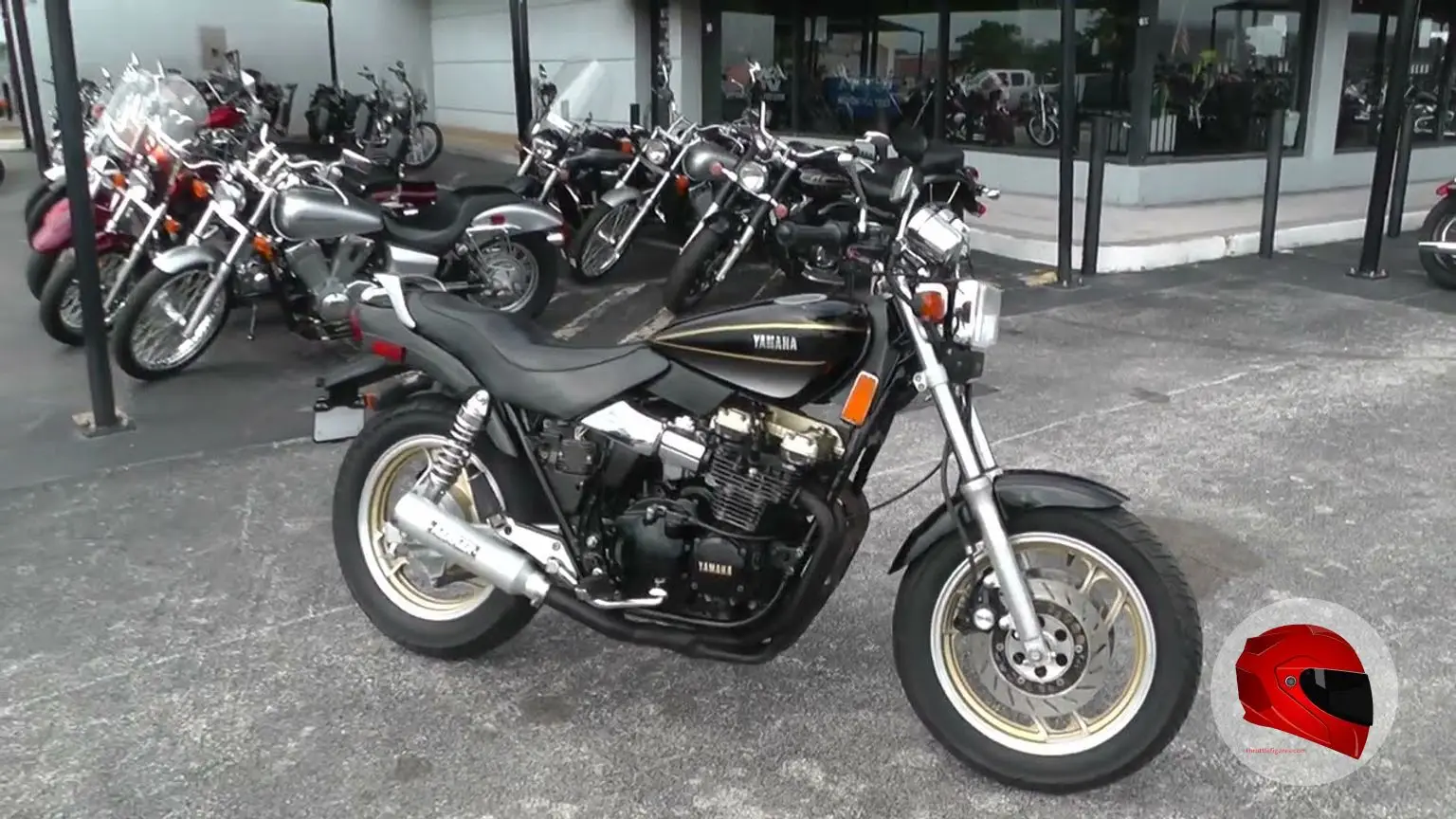
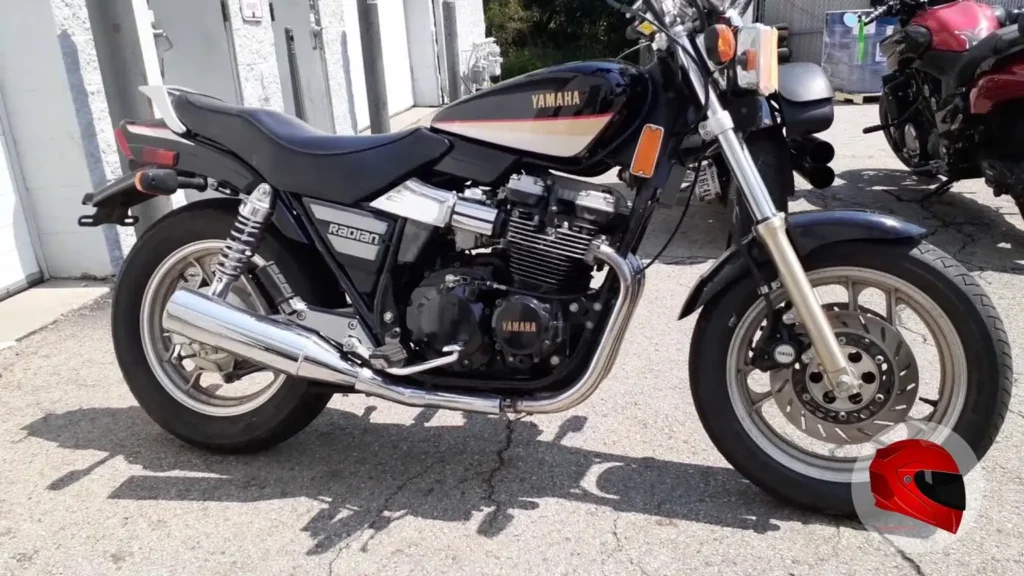
The Yamaha YX600 Radian was produced from 1986 to 1990. Its retuned, air-cooled 598cc inline-four and relatively light chassis give it lively middleweight performance, while the upright layout suits everyday riding. For a used bike, though, ride quality, rider fit and decades of wear matter as much as the original specifications. Condition and maintenance history can outweigh a low purchase price.
Yamaha YX600 Radian Specs and Snapshot
| Specification | Yamaha YX600 Radian |
|---|---|
| Production | 1986–1990 |
| Engine | 598cc DOHC air-cooled inline-four |
| Carburetors | 4 × 30mm Mikuni |
| Claimed power | 66 hp at 9,500 rpm |
| Period-tested power | 56 hp at 9,500 rpm (rear wheel) |
| Period-tested top speed | 125 mph |
| Transmission | 6-speed |
| Final drive | Chain |
| Frame | XJ550 Maxim-derived steel cradle |
| Front suspension | Telescopic fork |
| Rear suspension | Twin shocks; adjustable preload |
| Front brakes | Dual 267mm discs; 2-piston calipers |
| Rear brake | Internal-expanding drum |
| Weight | 436 lb wet; 425 lb dry |
| Fuel economy | 45–55 mpg |
| Original 1986 price | $2,399 |
| Reported used value | $750–$1,850 |
How the Radian Performs on the Road
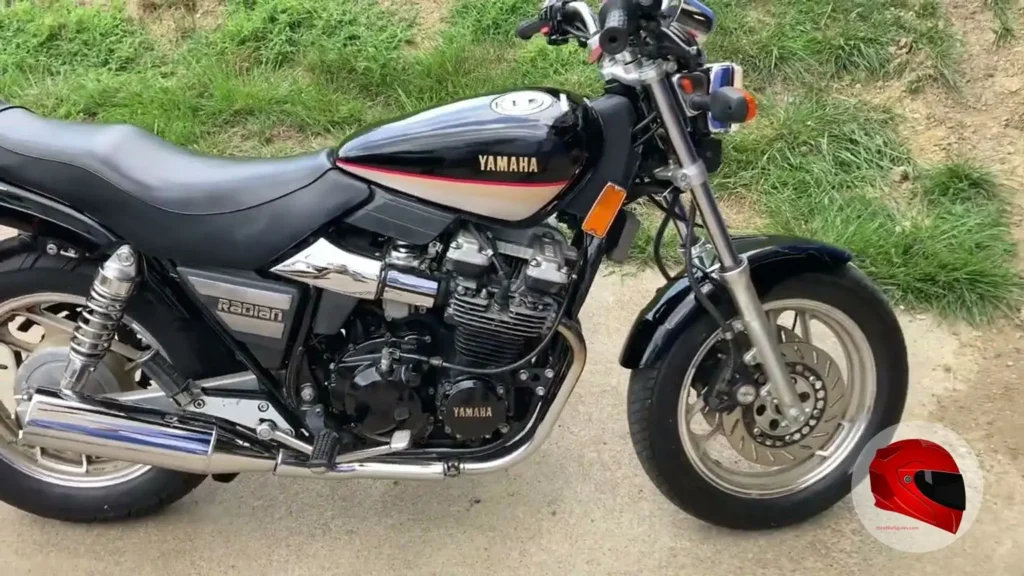
Yamaha retuned the Radian’s FJ600-based engine for better low- and mid-range response. It is still an inline-four that likes to rev, but it also pulls usefully during everyday acceleration and city riding. The four 30mm carburetors are smaller than the FJ600’s 32mm units.
Claimed output is 66 hp at 9,500 rpm; period testing recorded 56 hp at the same engine speed. The period-tested top speed was 125 mph. The six-speed gearbox gives the Radian a broad range of ratios, and the chain final drive is easy to inspect and maintain. That period top-speed figure should not be taken as a reason to ride an old Radian like a modern high-speed sport bike.
The available model data does not include a reliable 0-60 mph figure or a numeric torque specification. On a used bike, check how cleanly the engine starts and idles, responds to the throttle and pulls through the gears. Carburetor condition and adjustment can have a noticeable effect on all of these traits.
The Radian’s inline-four delivers power differently from today’s parallel twins, which often prioritize midrange pull over high revs. That puts the Yamaha XSR700 performance in context: its modern engine gives the retro-styled bike a different feel on everyday roads.
Handling, Suspension, and Braking
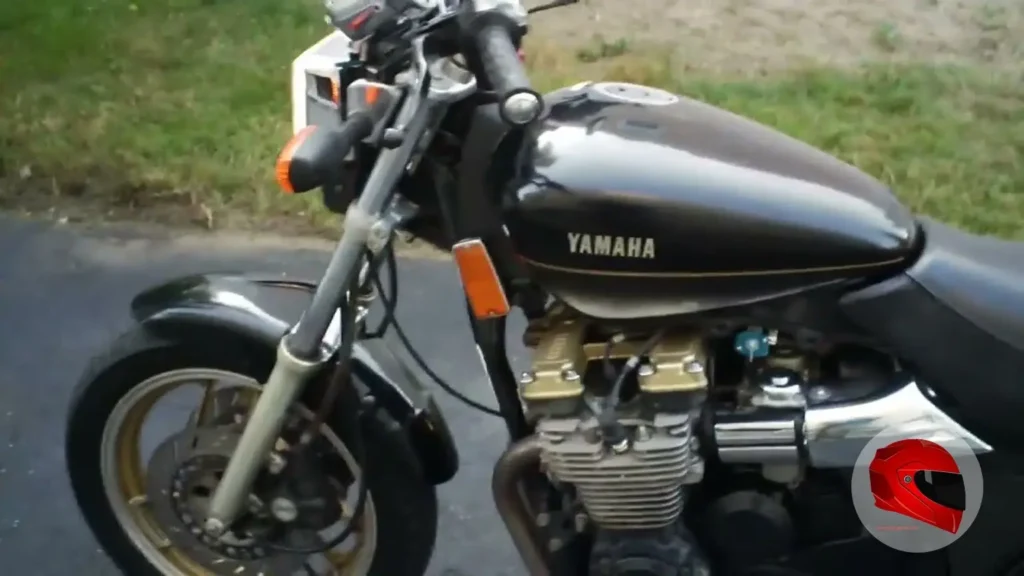
At 436 pounds wet, the Radian has a manageable feel and responsive steering. Its standard-bike layout suits urban riding and winding roads. The frame derives from the XJ550 Maxim, and Yamaha used shared components to help keep the original bike affordable.
The suspension consists of a conventional front fork and twin rear shocks. Period testing criticized the rear damping, and worn shocks can make the bike unsettled over bumps or through a series of corners. Check the fork seals and tubes, rear-shock action and tire wear before assessing how it handles.
Dual front discs do most of the braking, while an internal-expanding drum handles the rear. Inspect the rotors, calipers, pads, brake lines and rear drum mechanism. Old rubber lines or neglected fluid can reduce braking performance, even if the motorcycle looks clean.
The Radian’s conventional suspension and chassis feel true to its era. Today, worn components or tired tires can undermine its cornering and braking confidence. The 2026 Yamaha MT-07 shows how modern middleweight standards have evolved.
Comfort and Rider Fit
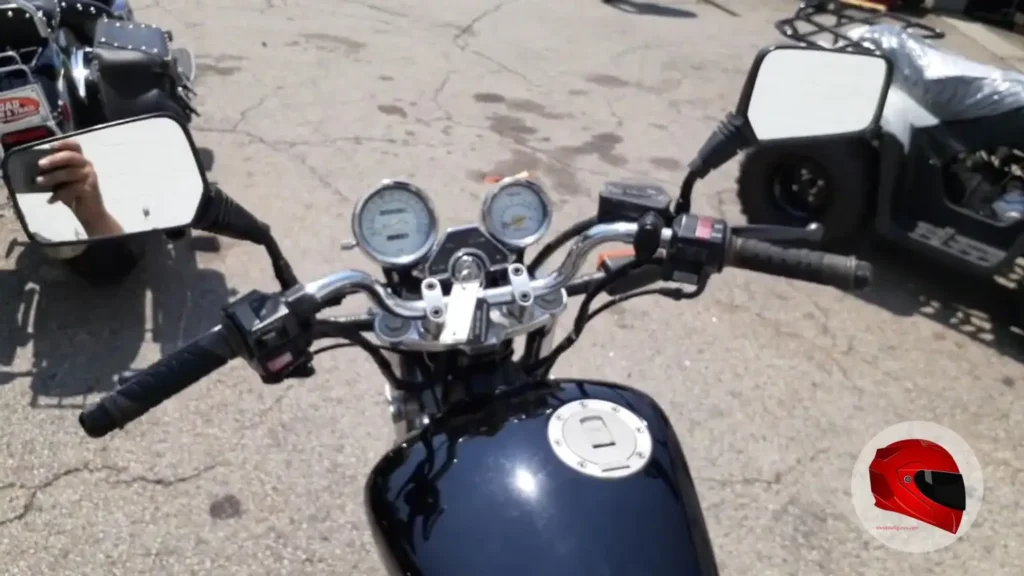
The upright riding position suits commuting and general road use, and the Radian’s compact dimensions can make it feel accessible. The cockpit is short, though, and taller riders may find the seat-to-peg distance restrictive on longer rides. A short test ride gives a better sense of fit than seat height alone.
Check for collapsed seat foam, torn upholstery or a seat shape that puts pressure on the tailbone. Sagging foam or sharply bent knees can make a ride tiring even if the bike feels comfortable at first. Check that the bars and controls allow a relaxed reach, and note any nonstandard seat or footpeg changes that affect the original riding position.
Radian Pros and Cons
- Pros: The air-cooled inline-four has a broad, usable character, and the six-speed transmission suits varied riding.
- Pros: At 436 pounds wet, the Radian has light steering for town riding and tighter roads.
- Pros: The standard layout, chain drive and shared Yamaha components make the design relatively straightforward.
- Cons: Four carburetors require more cleaning and synchronization than a single-carburetor setup.
- Cons: Rear-shock damping is a known weakness; worn examples may need replacement suspension.
- Cons: Taller riders may find the compact seat-to-peg relationship cramped.
- Cons: Age-related electrical, brake, tire and fuel-system repairs can quickly exceed the purchase price.
The Radian suits riders who want a light, characterful standard and are prepared to maintain an older motorcycle. A bike that has sat unused or received cosmetic work without equivalent mechanical care may need substantial attention.
What to Check on a Used Radian
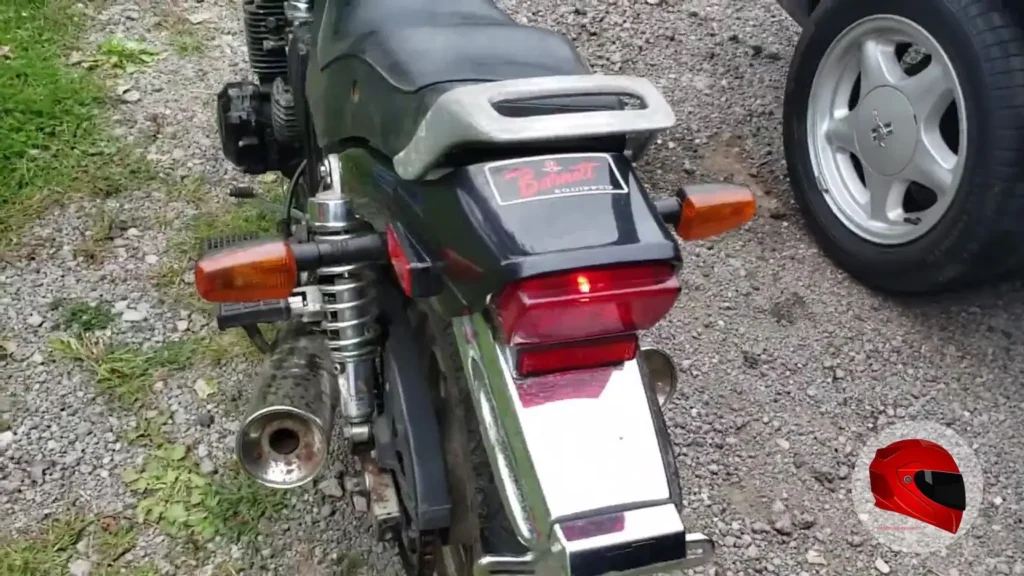
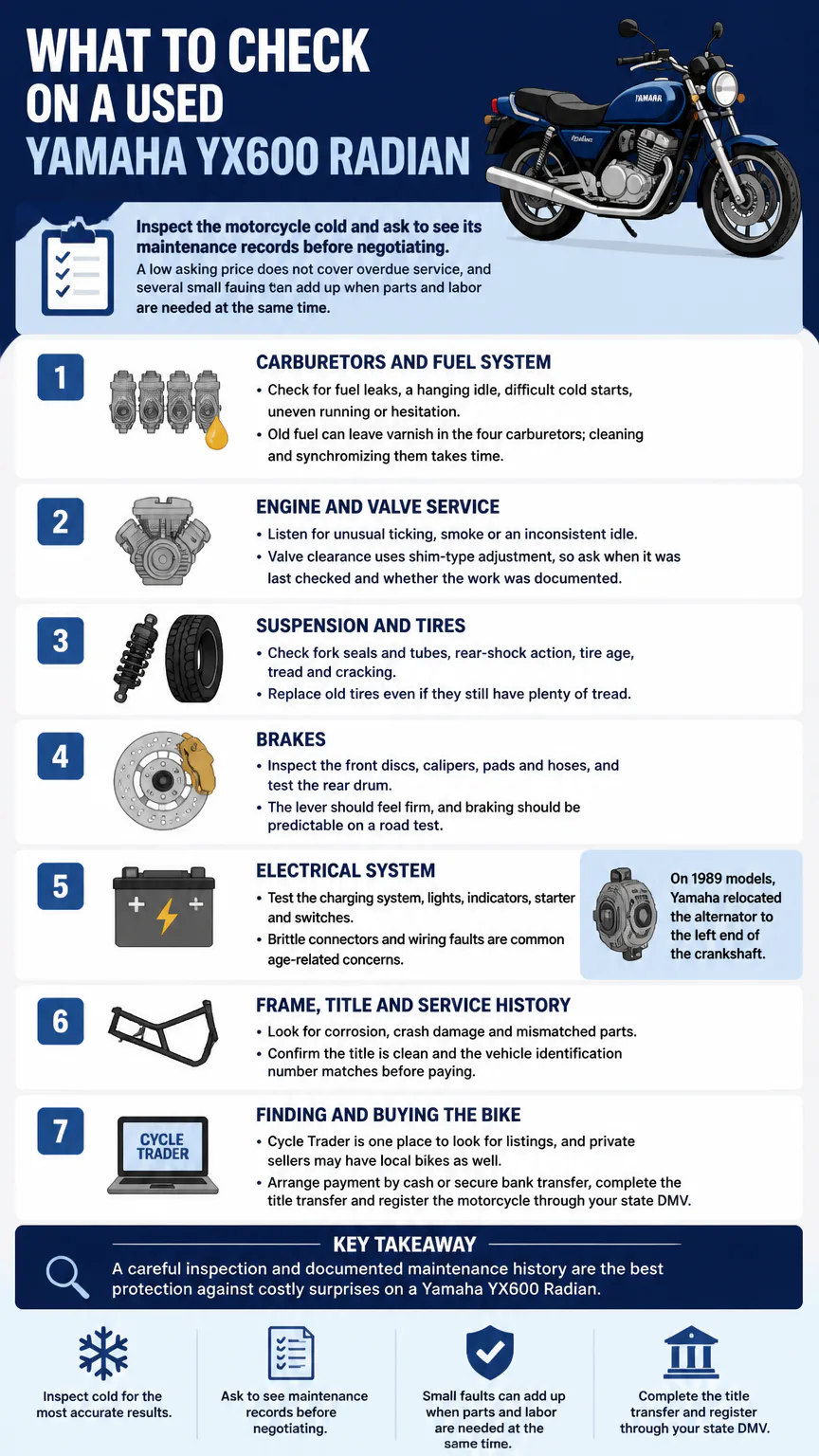
Inspect the motorcycle cold and ask to see its maintenance records before negotiating. A low asking price does not cover overdue service, and several small faults can add up when parts and labor are needed at the same time.
- Carburetors and fuel system: Check for fuel leaks, a hanging idle, difficult cold starts, uneven running or hesitation. Old fuel can leave varnish in the four carburetors; cleaning and synchronizing them takes time.
- Engine and valve service: Listen for unusual ticking, smoke or an inconsistent idle. Valve clearance uses shim-type adjustment, so ask when it was last checked and whether the work was documented.
- Suspension and tires: Check fork seals and tubes, rear-shock action, tire age, tread and cracking. Replace old tires even if they still have plenty of tread.
- Brakes: Inspect the front discs, calipers, pads and hoses, and test the rear drum. The lever should feel firm, and braking should be predictable on a road test.
- Electrical system: Test the charging system, lights, indicators, starter and switches. Brittle connectors and wiring faults are common age-related concerns. On 1989 models, Yamaha relocated the alternator to the left end of the crankshaft.
- Frame, title and service history: Look for corrosion, crash damage and mismatched parts. Confirm the title is clean and the vehicle identification number matches before paying.
Cycle Trader is one place to look for listings, and private sellers may have local bikes as well. Arrange payment by cash or secure bank transfer, complete the title transfer and register the motorcycle through your state DMV.
Is the Yamaha Radian Worth Buying?
The Yamaha Radian can suit riders looking for an affordable classic standard with an air-cooled four-cylinder engine, particularly if they can handle routine maintenance or budget for a mechanic. Its reported used value is $750, $1,850, but condition matters more than the asking price. A running bike with sound suspension, working brakes, good tires and documented service is a better buy than a cheaper project with several unresolved faults.
Account for immediate repairs before settling on a price. Carburetor work, tires, brake hydraulics, electrical repairs and suspension replacement can turn an inexpensive purchase into a costly restoration. Taller riders should check the fit carefully; the compact seat-to-peg relationship is a limitation that maintenance cannot fix.
The Radian is worth considering if you want an affordable bike with old-school character and can assess an older motorcycle’s condition. If you’d prefer a similar retro-standard look in a newer bike, compare it with the Kawasaki Z650RS review for everyday riding.
FAQs
Is the Yamaha XT 600 a reliable bike?
The XT 600 is a separate Yamaha model, not another name for the YX600 Radian. Reliability depends on the individual bike’s condition and service history, so check the motorcycle and its maintenance records before buying.
Conclusion
The Yamaha YX600 Radian pairs lively middleweight performance with a light, straightforward standard-bike layout. Base a purchase on mechanical condition and service history, and budget for age-related repairs before treating a low price as a bargain.