Yamaha MT-07: Guide & Key Facts
Disclaimer: Performance figures may vary depending on factors such as rider, road and weather conditions, vehicle condition, and testing methods. Figures are provided for informational purposes only.
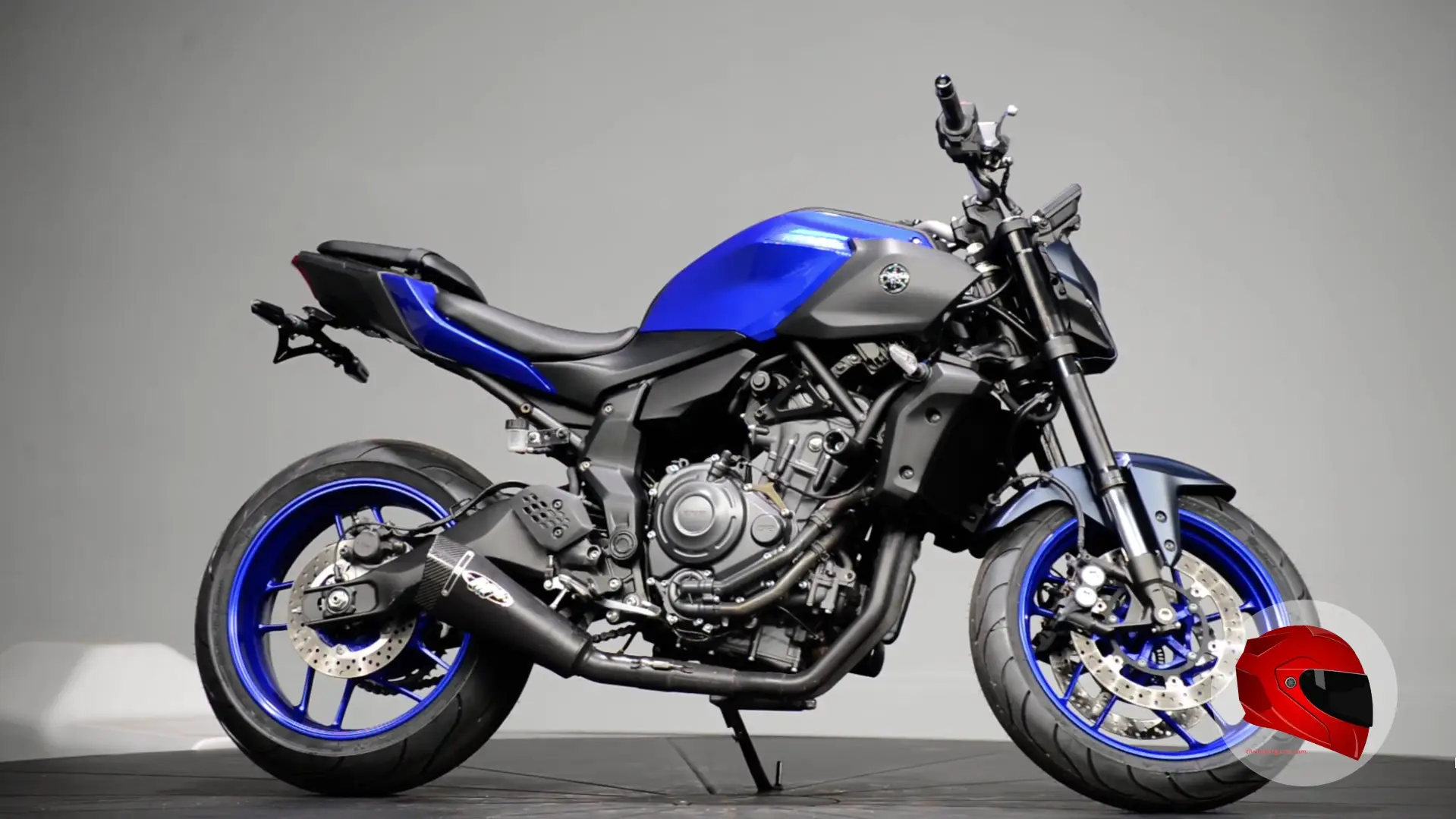
The Yamaha MT-07 remains one of the most approachable middleweight motorcycles in the United States. For 2026, Yamaha adds a more sophisticated fork, front brakes, throttle system and electronic controls to the familiar 689cc CP2 platform. Its 31.7-inch seat, manageable weight and strong low-speed torque suit commuting and back-road riding. Price, wind protection, suspension and the choice between a new or used motorcycle deserve close attention before buying.
2026 Yamaha MT-07 Specifications and Price
| Attribute | 2026 US detail |
|---|---|
| Manufacturer | Yamaha Motor Corporation |
| Engine | 689cc liquid-cooled DOHC parallel twin |
| Crankshaft | 270-degree crossplane |
| Displacement | 689cc |
| Bore × stroke | 80 × 68.6mm |
| Compression ratio | 11.5:1 |
| Fuel delivery | Electronic fuel injection |
| Power estimate | Approximately 74 hp at about 9,000 rpm; performance estimate rather than a published US manufacturer output figure |
| Measured rear-wheel power | 66.85 hp at 9,200 rpm |
| Torque estimate | Approximately 50 lb-ft |
| Measured rear-wheel torque | 45.41 lb-ft at 6,600 rpm |
| Transmission | 6-speed constant-mesh |
| Throttle system | Yamaha Chip Controlled Throttle (YCC-T) |
| Rider modes | SPORT, STREET, customizable YRC |
| Traction control | Switchable |
| Front suspension | 41mm inverted KYB fork |
| Rear suspension | Linked Monocross KYB shock |
| Front brakes | Twin discs, radial 4-piston calipers |
| Wheels | SpinForged lightweight wheels |
| Display | Full-color TFT |
| Connectivity | Y-Connect smartphone integration |
| Navigation | Garmin StreetCross |
| Seat height | 31.7 inches |
| Wheelbase | 55.1 inches |
| Fuel capacity | 3.7 US gallons |
| Wet weight | Approximately 395–403 lb |
| Claimed fuel economy | Approximately 57 mpg |
| Real-world fuel economy | Approximately 55–65 mpg |
| Top speed estimate | Approximately 142 mph |
| 0–60 mph estimate | About 3.8 seconds in performance testing |
| US MSRP | $8,599 |
| Destination charge | $675 |

How the CP2 Engine Performs
The MT-07 uses a liquid-cooled, 270-degree parallel twin with electronic fuel injection and a 6-speed transmission. Its strongest character appears below the top of the rev range, where linear torque makes starts, passing and corner exits easy to manage. The uneven firing interval also gives the engine a distinctive exhaust note compared with a conventional parallel twin.

Power figures depend on whether they refer to the crankshaft or the rear wheel. A reasonable engine-output reference is approximately 74 horsepower and 50 lb-ft of torque. Independent rear-wheel measurements record 66.85 horsepower at 9,200 rpm and 45.41 lb-ft at 6,600 rpm.
Acceleration is strong enough for highway merging and spirited street riding. The MT-07 can cover 0-60 mph in approximately 3.8 seconds, with an estimated top speed of about 142 mph. Its gearing works well in traffic, although sustained high-speed riding highlights the limited aerodynamics of a naked bike.
Yamaha Chip Controlled Throttle (YCC-T) provides SPORT and STREET modes, as well as a customizable YRC mode. Switchable traction control adds another adjustment, while the assist-and-slipper clutch reduces lever effort and helps control aggressive downshifts.
The MT-07’s lively acceleration comes from more than peak horsepower. Its relatively light weight helps the CP2 engine deliver strong performance in everyday riding, making power-to-weight ratio a more useful comparison than horsepower alone when comparing bikes with different engine sizes and purposes. Comparing it with these motorcycle power-to-weight ratios puts that performance in perspective.
Handling, Suspension, and Brakes
The 2026 model receives a major chassis update. A 41mm inverted KYB fork replaces the simpler front-end hardware used on earlier MT-07 versions. Twin front discs with radially mounted four-piston calipers improve braking, while SpinForged wheels reduce unsprung weight and support quicker steering response.
On smooth pavement, the MT-07 feels light, quick to turn and stable through spirited corners. The linked Monocross KYB rear shock keeps the motorcycle controlled during normal street riding. The revised front brake setup also gives the 2026 model more authority during hard stops.
Suspension setup still matters because the MT-07 is designed for road use rather than track riding. Earlier models are known for a soft front fork and limited adjustment, which can lead to fork dive and less confidence on rough corners. The 2026 hardware is a clear improvement, although riders who spend time on a track may still want additional suspension tuning.

Comfort, Ergonomics, and Wind Protection
The riding position is upright, with a relatively low 31.7-inch seat and a handlebar that keeps weight off the wrists. The 55.1-inch wheelbase helps the motorcycle move easily through parking lots and urban traffic. With a wet weight of approximately 395 to 403 pounds, it is manageable for many riders at low speed.
The seat suits regular commuting and shorter recreational rides, although comfort depends on the rider’s size and time in the saddle. Taller riders may want more legroom. Shorter riders benefit from the approachable seat height and narrow midsection. A passenger can ride behind the operator, but the MT-07 is not a dedicated two-up touring motorcycle.
The MT-07 has no full fairing or substantial standard windscreen. Wind pressure can become tiring at interstate speeds, and riders planning frequent long trips may need to budget for luggage, a taller screen and seat upgrades. That limited wind protection is part of the motorcycle’s simple naked-bike design.
MT-07 Pros and Cons
The MT-07 combines a lively engine with manageable dimensions, reasonable operating costs and broad everyday usability. Its compromises become more noticeable during sustained highway travel, aggressive track riding and heavily loaded touring.
- Strengths: strong low- and mid-range torque, approachable ergonomics, light handling, useful rider modes, switchable traction control, improved 2026 brakes and fork, and approximately 55-65 mpg in real-world use.
- Limitations: limited wind protection, a compact seat, modest touring capacity, plastic-heavy bodywork, and suspension that may need adjustment or upgrades for demanding riders.
- Earlier-model concerns: softer front suspension, simpler braking hardware, and less sophisticated throttle and electronic equipment than the 2026 version.
- Ownership advantage: the CP2 engine has a simple, proven layout, and ordinary consumables are available through Yamaha dealers and independent motorcycle shops.
New Versus Used MT-07 Pricing
A new 2026 MT-07 starts at $8,599 before the $675 destination charge. Taxes, registration, documentation, assembly and dealer fees commonly push the out-the-door price approximately 15% to 25% above MSRP. Financing lowers the immediate cash requirement, but interest and fees increase the total cost.
| Purchase route | Price reference | What to expect |
|---|---|---|
| 2026 new motorcycle | $8,599 MSRP | $675 destination charge |
| New dealer purchase | 15%–25% above MSRP | Taxes and dealer fees |
| Used MT-07 | $5,000–$7,500 | Year, mileage, condition |
| 2021 model | $7,699 original MSRP | Earlier specification |
| 2024 model | Approximately $8,200 | Used-market condition varies |
Used prices vary widely. A clean, low-mileage motorcycle with service records may remain close to the price of a new one, while older examples can provide a lower-cost entry point. When records are incomplete, budget for tires, chain and sprockets, brake service, fluids and possible suspension work.
Yamaha Financial Services offers financing through participating dealerships. One promotional structure includes $500 customer cash or 2.99% APR for 24 months for qualified tier-one credit customers, with the stated offer running through September 30, 2026. Promotions, approval standards and the choice between cash and financing can change the effective purchase price.
How to Buy an MT-07 in the US
A dealer is the simplest source for a new motorcycle because it can arrange financing, title paperwork, registration assistance and warranty documentation. A private sale may cost less, but the buyer must verify ownership, condition, taxes and the legal transfer personally.
Buy through a Yamaha dealership
- Compare the advertised motorcycle price with the written out-the-door quote.
- Request separate line items for MSRP, destination, preparation, documentation, taxes, registration and accessories.
- Apply for cash payment or Yamaha Financial Services financing.
- Confirm the motorcycle identification number, warranty documents and included equipment.
- Arrange insurance before taking delivery and confirm the registration process.
State law requires a motorcycle endorsement or permit, and insurance requirements vary by state. A dealer can handle much of the paperwork, but the buyer still needs the legally required license and coverage before riding.
Buy through Cycle Trader
Cycle Trader lets buyers compare dealer inventory and private-party listings across regions. Treat each listing as an advertisement rather than proof of condition. Include transportation, sales tax, registration, financing and marketplace charges when comparing a distant listing with a local dealer.
- Request the VIN, title status, mileage, service records and clear photographs.
- Confirm whether the seller is a dealer or private owner.
- Use a motorcycle inspection service or arrange an in-person inspection.
- Use a secured payment method and verify the title before releasing funds.
Buy from a private seller
Facebook Marketplace and Craigslist can offer lower-priced used MT-07 motorcycles, but private transactions require careful checks. Meet in a safe location, compare the VIN on the frame with the title, inspect for crash damage and reject any title with missing or inconsistent ownership information.
- Check cold starting, idle quality, warning lights, clutch operation, steering-head bearings, fork seals, brakes, tires, chain and sprockets.
- Review maintenance receipts and ask about modifications or previous accidents.
- Confirm that the seller’s identification matches the title.
- Complete a bill of sale and follow your state’s title and registration requirements.
Do not ride an uninsured or unregistered motorcycle on public roads. If the motorcycle is several states away, include professional inspection and enclosed or properly secured delivery in the purchase budget.
A Yamaha MT-07 from a private seller may offer good value, but a low price does not tell you how well it was maintained or whether it has crash damage. Before agreeing to buy, check the cold start, fluid leaks, chain and tires, service records, title and VIN. A used motorcycle buying checklist can help you work through these checks without letting enthusiasm replace due diligence.

Is the MT-07 Right for You?
The MT-07 suits riders who want a lively middleweight motorcycle without the size, weight or power of a large sport-touring machine. Its predictable torque, upright position and manageable dimensions can work for a disciplined beginner who completes formal training and respects the throttle. It does not replace practice with the clutch, brakes and basic cornering skills.
For commuting, the motorcycle provides useful fuel economy, easy low-speed control and enough power for freeway riding. Wind exposure, limited storage and the need for luggage or other accessories are its main daily drawbacks. Riders who spend most of their time on twisty roads should appreciate the engine and compact chassis, especially on the 2026 model with its revised fork and brakes.
The Yamaha R7 uses a related 689cc engine in a fully faired sport-bike chassis with more committed ergonomics. The MT-07 is easier to use in traffic and more comfortable in an upright position, while the R7 better suits riders who prioritize aerodynamic protection and sport-focused cornering. Earlier North American models from 2015 through 2017 were sold as the Yamaha FZ-07 and remain lower-cost used alternatives.
MT-07 Ownership Costs Beyond Price
- Insurance: Motorcycle insurance varies by rider, location, coverage level, riding history and whether the policy includes collision and comprehensive protection. Get quotes before comparing a new MT-07 with a used one.
- Scheduled maintenance: Include routine service, fluids, inspections and labor in the ownership budget. Check service intervals and labor costs against the motorcycle’s model year and maintenance schedule.
- Wear items: Tires, chains, sprockets and brake pads are recurring costs. Replacement timing depends on mileage, riding style, road conditions and maintenance.
- Used-bike catch-up work: A used MT-07 with incomplete records may need fluids, tires, chain and sprocket service, brake work or suspension attention soon after purchase.
| Ownership item | US planning estimate | Budgeting guidance |
|---|---|---|
| Insurance | $300–$1,500 per year | Full coverage, age, location, riding history, and deductible have the largest effect. |
| Routine service | $150–$400 per visit | Allow for oil, filter, inspection, and labor; larger scheduled services cost more. |
| Tires | $350–$700 per set installed | Replacement timing depends on compound, mileage, riding style, and road conditions. |
| Chain and sprockets | $250–$500 installed | Cleaning, lubrication, adjustment, and riding conditions affect service life. |
| Brake pads | $150–$350 per axle installed | Pad choice and labor rates change the total. |
| Used-bike catch-up work | $500–$1,500 in the first year | Set aside more if service records are incomplete or wear items are visibly near replacement. |
Use the Yamaha maintenance schedule for the motorcycle’s model year, including routine checks at the specified mileage and larger inspections at their scheduled intervals. A new owner should keep a separate first-year reserve for service and wear items rather than treating the purchase price as the full cost of ownership. Actual expenses vary by rider, location, model year, riding conditions and shop.
Yamaha MT-07 Frequently Asked Questions
Is the Yamaha MT-07 automatic?
No. The MT-07 uses a conventional 6-speed manual transmission with a hand-operated clutch. Riders select the gears and manage clutch engagement themselves.
What does FZ-07 mean?
FZ-07 was the North American name for earlier versions sold from 2015 through 2017. Those motorcycles belong to the same broader model lineage, but their equipment and styling differ from the current MT-07.
Is the MT-07 too much for a beginner?
The MT-07 can suit a disciplined beginner who has completed formal motorcycle training. Its 689cc engine and strong torque require smooth throttle control and continued skills practice.
The MT-07 is approachable thanks to its manageable size and predictable low-speed handling, but its responsive torque still demands smooth throttle control. Beginners should consider their reach to the ground, confidence at slow speeds, access to a riding course, and whether they can resist using the bike’s full performance too soon. Those factors matter when choosing a first motorcycle, not just the number printed on the spec sheet.
How fast is the Yamaha MT-07?
The estimated top speed is approximately 142 mph, and performance testing places 0-60 mph at about 3.8 seconds. These are performance estimates rather than official specifications.
Is the MT-07 faster than the R7?
Both motorcycles use the 689cc CP2 engine family, but the R7’s sport-bike gearing, aerodynamics and riding position affect its performance. The MT-07 is easier to use in traffic, while the result of a direct comparison depends on the test and riding conditions.
Which used MT-07 years are available?
Search results include 2015-2017 motorcycles sold in North America as the Yamaha FZ-07, along with 2018, 2023 and 2026 MT-07 model years. Equipment, styling, electronics and pricing vary by model year.
Conclusion
The 2026 Yamaha MT-07 is a strong choice for riders who want usable torque, manageable size and everyday versatility. Its revised fork, brakes, wheels, throttle system and rider aids improve the package, while wind protection, touring comfort and dealer fees remain the main compromises. Compare the full out-the-door price with clean used examples before choosing a new or pre-owned motorcycle.