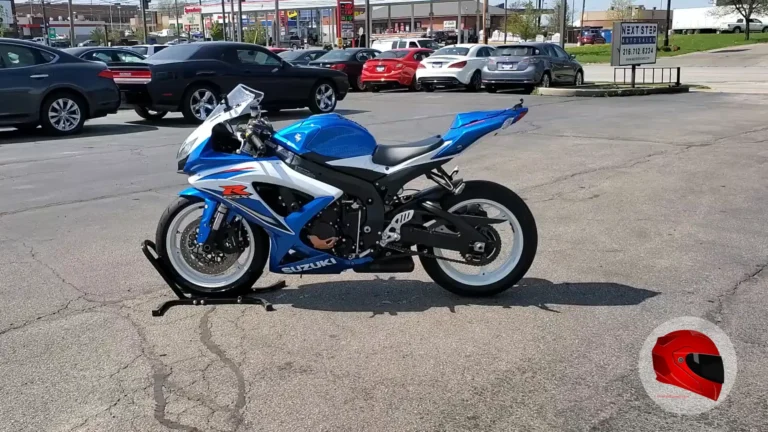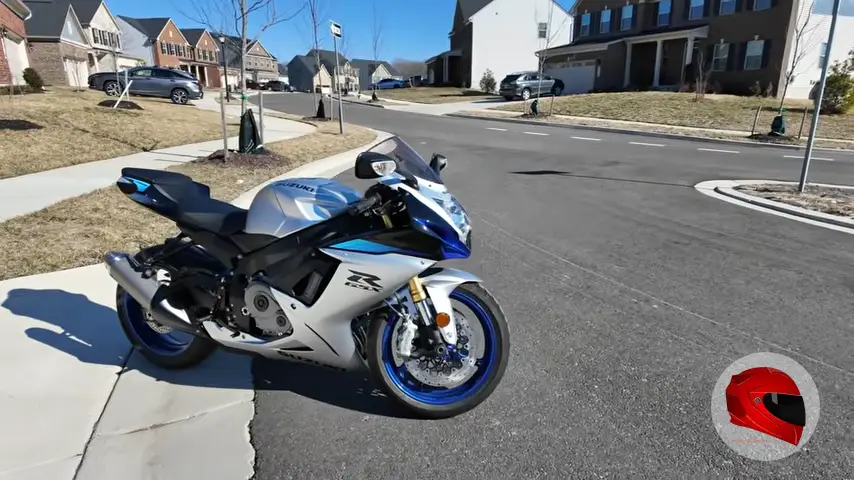
Suzuki GSX-R750: Top speed, 0-60, hp and more
155 – mph
TOP SPEED
3.0 – sec
0 – 60 MPH
148 – hp
HORSEPOWER
64 – lb-ft
TORQUE
419 – lb
WEIGHT
750 – cc
DISPLACEMENT
Disclaimer: Performance figures may vary depending on factors such as rider, road and weather conditions, vehicle condition, and testing methods. Figures are provided for informational purposes only.
The 2027 Suzuki GSX-R750 combines a high-revving 750cc inline-four with a compact supersport chassis. Its displacement sits between 600-class machines and liter bikes. The bike suits riders weighing track-capable performance against everyday ownership needs, though its aggressive riding position and limited electronic aids matter as much as its speed. Suzuki publishes no U.S. factory horsepower or torque figures for the 2027 model. Any estimates should specify the model year and whether power was measured at the crank or rear wheel.
Suzuki GSX-R750 specifications
| GSX-R750 specification | 2027 Suzuki GSX-R750 |
|---|---|
| Engine | 750 cc, 4-stroke, liquid-cooled DOHC inline-four |
| Bore × stroke | 70.0 mm × 48.7 mm |
| Compression ratio | 12.5:1 |
| Fuel system | Fuel injection with SDTV (Suzuki Dual Throttle Valve) |
| Horsepower | No U.S. factory figure published |
| Torque | No U.S. factory figure published |
| Engine maps | 2 S-DMS (Suzuki Drive Mode Selector) modes |
| Transmission | 6-speed constant-mesh |
| Clutch | Wet, multi-plate |
| Final drive | RK525ROZ5Y chain, 116 links |
| Curb weight | 190 kg (419 lb) |
| Seat height | 810 mm (31.9 in) |
| Wheelbase | 1,390 mm (54.7 in) |
| Overall length | 2,030 mm (79.9 in) |
| Overall width | 710 mm (28.0 in) |
| Ground clearance | 130 mm (5.1 in) |
| Fuel capacity | 17.0 L (4.5 U.S. gal); California: 16.0 L (4.2 U.S. gal) |
| Front tire | 120/70ZR17M/C (58W), tubeless |
| Rear tire | 180/55ZR17M/C (73W), tubeless |
| Front suspension | Inverted telescopic fork; coil spring, oil-damped |
| Rear suspension | Link-type single shock; coil spring, oil-damped |
| Front brakes | Twin discs, four-piston Brembo calipers |
| Rear brake | Single disc, one-piston Nissin caliper |
| Colors | Candy Daring Red; Metallic Matte Black No. 2 |
| Limited warranty | 12 months |
Performance on road and track
The inline-four delivers its power through a six-speed gearbox and rewards high revs. Suzuki Drive Mode Selector (S-DMS) offers two engine-control maps, so riders can choose a setting without changing the bike’s supersport character. Its 750cc engine has more capacity than a 600-class machine, while the chassis remains compact.
The GSX-R750’s listed top speed is about 150 mph. Actual speed varies with model year, gearing, rider position, conditions, and measurement method. Suzuki publishes no U.S. 0-60 mph time or horsepower and torque figures for the 2027 model. Treat precise acceleration and output figures quoted elsewhere as estimates unless they specify the year and whether power was measured at the crank or rear wheel.
The aggressive riding position and strong performance suit experienced riders and purposeful use. Traffic, pavement, and speed limits limit how much of the bike’s capability you can use on public roads. Track sessions are better suited to sustained high-speed riding.
The GSX-R750’s performance depends on how its engine output compares with the weight the chassis has to move. A motorcycle power-to-weight ratio puts that balance in context; peak horsepower alone doesn’t explain acceleration or track response.
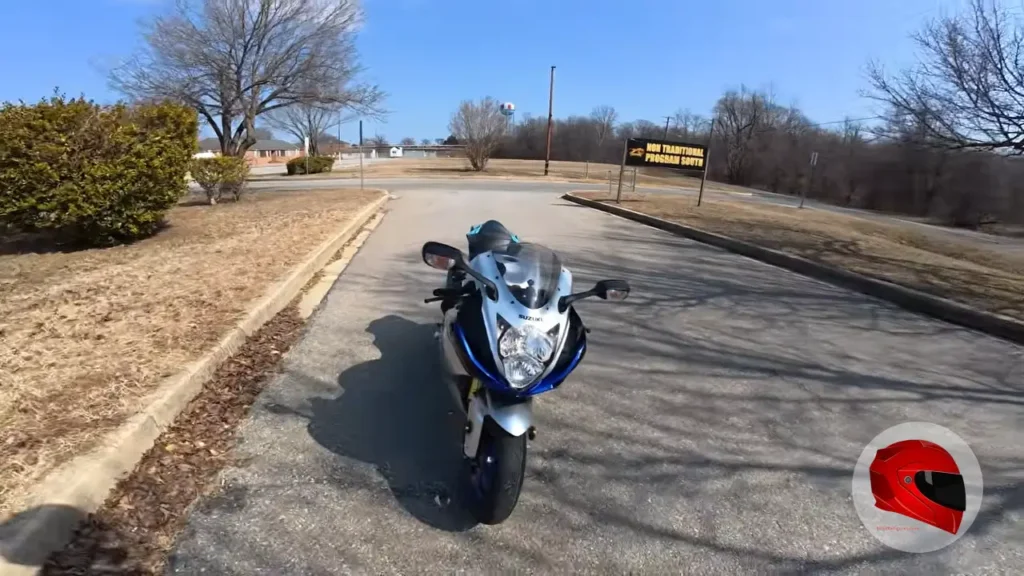
2027 horsepower and torque figures
Suzuki publishes no U.S. factory horsepower or torque rating for the 2027 GSX-R750. No reliably supported 2027 U.S. rear-wheel measurement is available here, either, so a specific output figure cannot be presented as a manufacturer rating or measured result. Crank ratings and rear-wheel dynamometer readings come from different measurement points and are not interchangeable.
Chassis, suspension, and braking
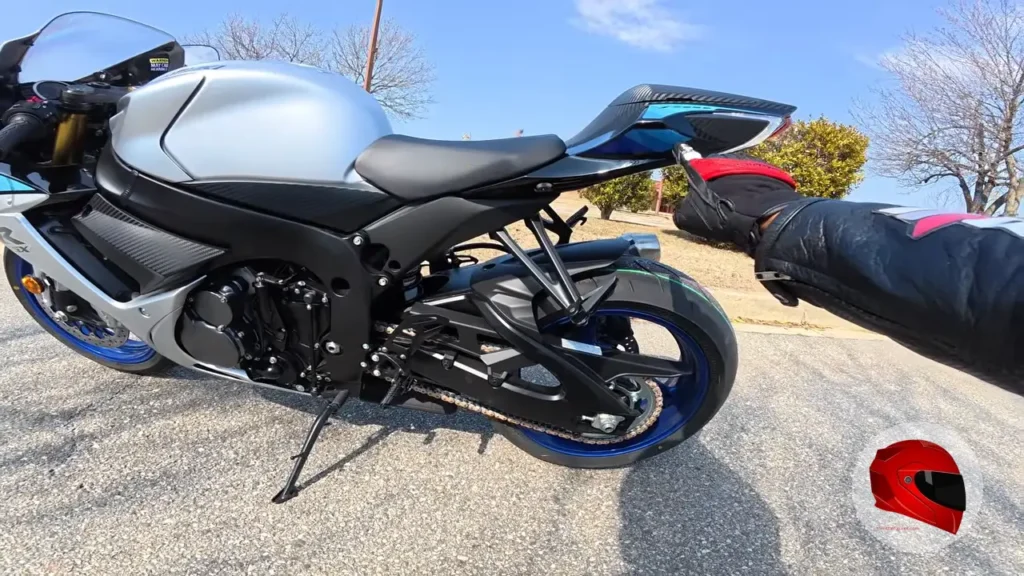
An aluminum twin-spar frame keeps the GSX-R750 compact. The bike has a 1,390 mm wheelbase and a curb weight of 419 pounds. Its short wheelbase and sportbike geometry support quick direction changes, while the forward-leaning riding position puts the rider’s weight over the front end. The setup favors control during hard riding over upright comfort on long trips.
The inverted Showa front fork and link-type rear shock use coil springs and oil damping, and the suspension is adjustable for setup. Twin front discs with four-piston Brembo calipers provide the main braking force; a single rear disc handles braking at the back. A steering damper helps manage bar movement, though setup and tire condition still affect handling over uneven pavement and under hard acceleration.
Is the GSX-R750 suitable for beginners?
The GSX-R750 is generally a poor first motorcycle. Its high-performance inline-four, aggressive ergonomics, and strong braking demand smooth throttle, clutch, and body-position control. A new rider may be caught out by its acceleration or by the concentration needed to ride comfortably at low speeds and in traffic.
The bike also lacks some rider aids found on newer sportbikes, including a broad suite of electronic intervention systems. S-DMS changes engine maps but does not replace traction control or riding experience. A smaller, less powerful motorcycle gives new riders more room to build braking, cornering, and hazard-response skills before moving to a supersport.
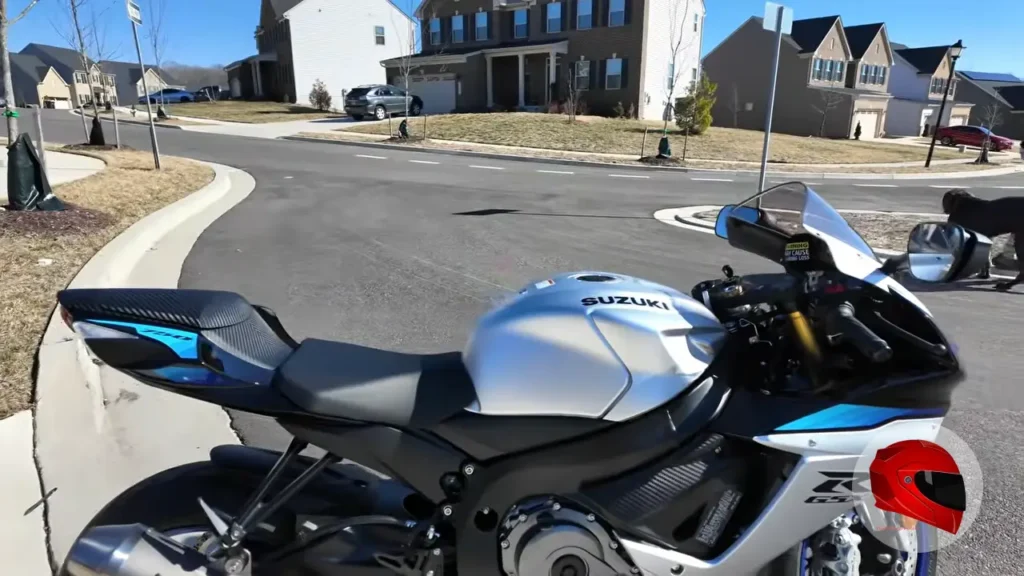
Ownership costs and used-bike checks
The 2027 model’s U.S. starting MSRP is $13,549 before taxes, registration, destination charges, and dealer fees. Used prices vary with year, mileage, condition, maintenance history, and modifications. Budget for fuel, high-performance tires, insurance, and scheduled service. Insurance premiums also vary substantially by rider, location, and coverage.
Cycle Trader is a marketplace where you can search used GSX-R750 listings. A Suzuki dealer can provide new-bike inventory, genuine accessories, and service support, as well as information about optional Suzuki Extended Protection mechanical and electrical coverage for eligible motorcycles.
Before buying a used bike, check its condition and paperwork:
- Confirm that the VIN, title, and seller information match, and check the title status.
- Review service records, cold-start behavior, warning lights, and signs of regular maintenance.
- Inspect the frame, fairings, controls, and fasteners for crash damage or poor repairs.
- Look for fork leaks, damaged wheels, worn tires, and chain or sprocket wear.
- Ask about track use, aftermarket engine work, and original parts removed during modifications.
A motorcycle mechanic’s pre-purchase inspection can uncover problems a brief test ride won’t reveal. Compare the total out-the-door price of a new bike with a used bike’s asking price and likely repair costs.
A clean inspection lowers the chance of immediate repairs, but it doesn’t cover the ongoing costs of a high-performance bike. Budget for insurance, tires, maintenance and fuel alongside the purchase price when considering motorcycle ownership costs.
Alternatives to the GSX-R750
The GSX-R750 sits between 600-class and liter bikes, but its closest shopping alternatives differ in engine layout, equipment, and intended use. These models can help you decide whether the 750’s high-revving inline-four suits your needs:
- Suzuki GSX-R600: A 599cc inline-four supersport with a two-mode S-DMS selector. It has a smaller-displacement engine and a similarly focused riding position.
- Suzuki GSX-8R: A 776cc parallel-twin sportbike with S.I.R.S. drive modes, quick shifting, and traction control. Its street-oriented character and electronics differ from the GSX-R750’s supersport focus.
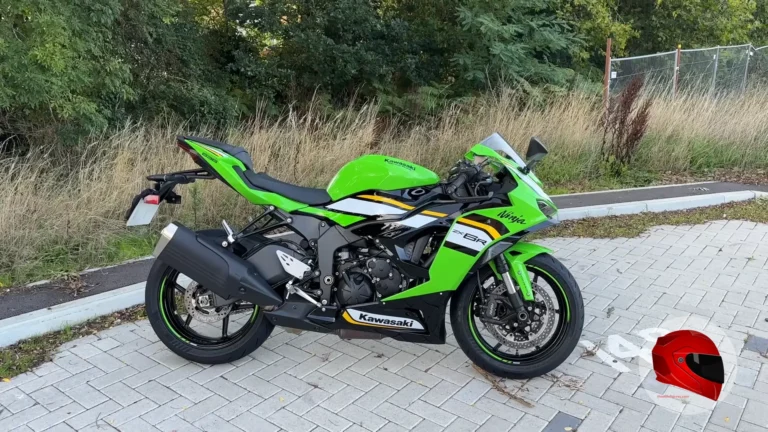
- Kawasaki Ninja ZX-6R: A 636cc inline-four sportbike with KTRC traction control and power modes. It is another option to consider when shopping for a modern middleweight supersport.
Compare the seating position, power delivery, electronic aids, and intended use, not just displacement. The GSX-R750 pairs a 750cc four-cylinder engine with a chassis sized like a 600-class supersport.
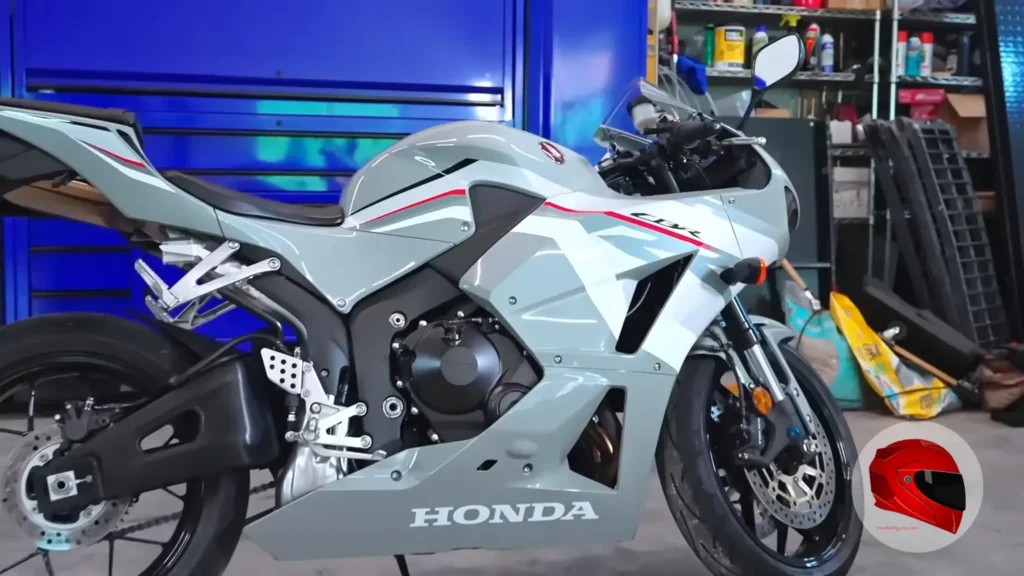
If you prefer a sharper, higher-revving 600, compare the GSX-R750 with the CBR600RR and Yamaha YZF-R6. Gearing, engine delivery and riding position can matter as much as displacement on a track-focused street bike.
How the GSX-R750 reached this generation
Later generations adopted liquid cooling and continued to develop the engine and chassis around the 750cc supersport format. The current model retains that basic layout: a four-cylinder engine in a compact, lightweight sportbike chassis.
FAQs
Is the GSX-R750 faster than a Yamaha R6?
The GSX-R750 debuted at the Cologne motorcycle show in October 1984 for the 1985 model year. The original had a 749cc oil-cooled DOHC four-cylinder engine, produced a maximum of 77 PS at 9,500 rpm, and weighed 179 kg dry. Its lightweight, fully faired design drew on Suzuki’s endurance-racing development.
The GSX-R750’s 750cc engine has more displacement than the Yamaha R6’s 600-class inline-four, but displacement alone doesn’t determine which bike is faster. Results depend on model year and test conditions, so compare verified acceleration or top-speed results for the specific years you’re considering.
Who should choose the GSX-R750?
The GSX-R750 suits experienced riders who want a high-revving inline-four and supersport handling without stepping up to a liter bike. It is less suited to beginners, frequent two-up riding, or buyers who prioritize an upright posture and extensive electronic aids. When shopping used, check the service history, condition, and total purchase cost against the new-bike price and warranty.
Conclusion
The 2027 GSX-R750 is a focused choice for riders who want 750cc supersport performance in a compact chassis. Consider its demanding ergonomics and ownership costs alongside your experience and intended use before buying.