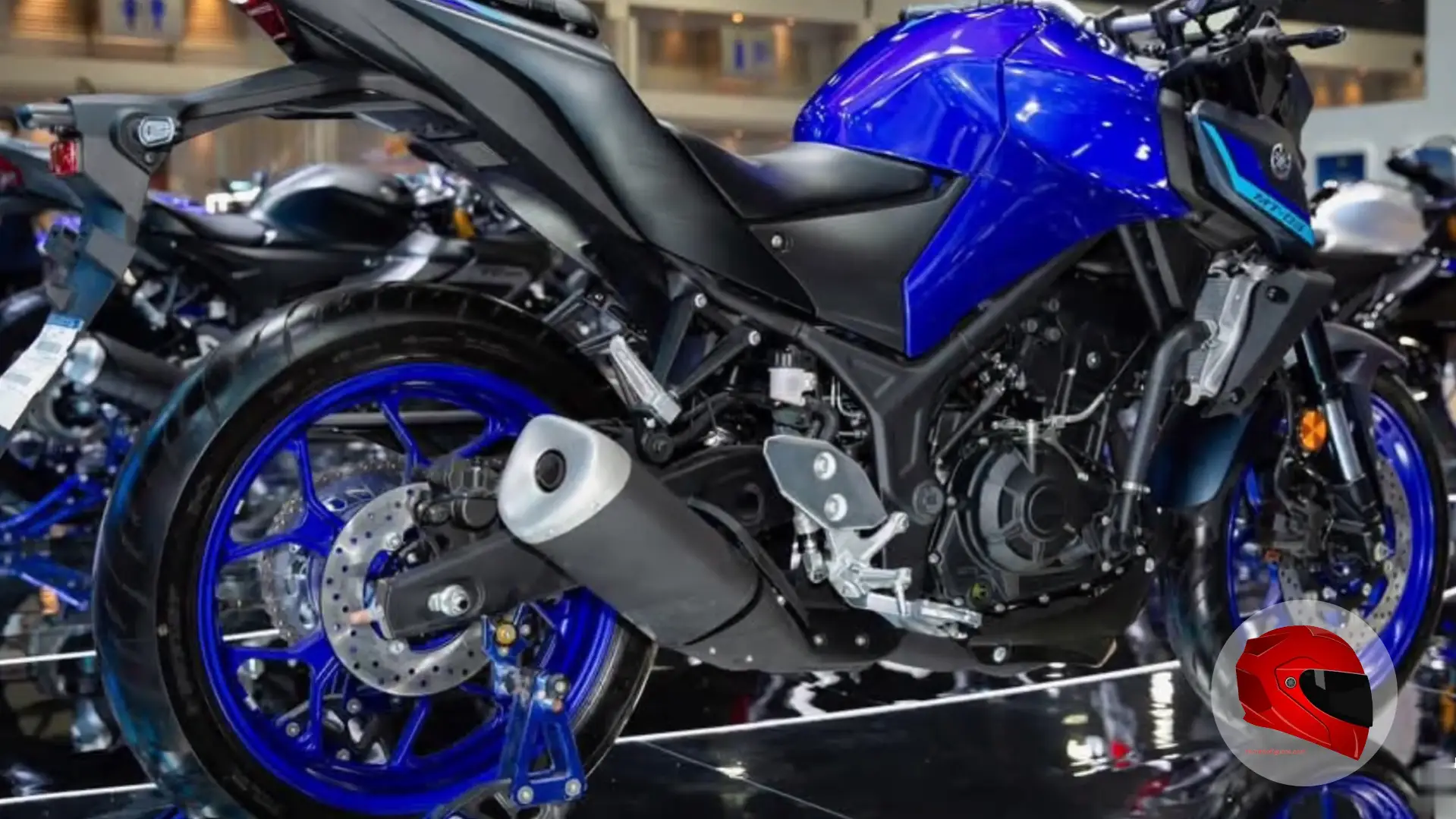
Yamaha MT-03: Key Facts
Disclaimer: Performance figures may vary depending on factors such as rider, road and weather conditions, vehicle condition, and testing methods. Figures are provided for informational purposes only.
The Yamaha MT-03 a strong contender in the entry-level hyper-naked segment, remains one of the most approachable street motorcycles in the United States for 2026. Its compact chassis, 30.7-inch seat and smooth 321cc twin are manageable in town, while the high-revving engine offers enough performance for learning and occasional freeway travel. Price, highway use, rider size and the choice between a naked or faired motorcycle all matter when comparing it with alternatives.
2026 Yamaha MT-03 Specifications
|
Attribute |
Details |
|---|---|
|
Model year |
2026 |
|
Manufacturer |
Yamaha Motor Company |
|
Class |
Standard naked motorcycle |
|
Starting MSRP |
$4,999 |
|
Destination charge |
$650 |
|
Available colors |
Team Yamaha Blue, Ice Storm, Matte Stealth Black |
|
Production |
2016-present |
|
Engine |
321cc liquid-cooled DOHC inline twin |
|
Bore and stroke |
68.0mm x 44.1mm |
|
Compression ratio |
11.2:1 |
|
Horsepower |
41.4 hp at 10,750 rpm |
|
Torque |
21.8 lb-ft at 9,000 rpm |
|
Crank design |
180-degree crank with counterbalancer |
|
Transmission |
Six-speed constant-mesh |
|
Top speed |
Approximately 110 mph |
|
0-60 mph |
Approximately 5.5 seconds |
|
Seat height |
30.7 inches |
|
Wet weight |
373 pounds |
|
Fuel capacity |
3.7 gallons |
|
Fuel economy |
Approximately 62 mpg |
|
Estimated range |
More than 200 miles |
|
Overall dimensions |
82.3 x 29.7 x 42.1 inches |
|
Wheelbase |
54.3 inches |
|
Rake |
25 degrees |
|
Front suspension |
37mm inverted KYB fork |
|
Rear suspension |
KYB Monocross shock |
|
Rear preload positions |
Seven |
|
Front brake |
298mm disc, two-piston caliper |
|
Rear brake |
Single disc |
|
Safety equipment |
ABS |
|
Front tire |
Dunlop Sportmax GPR-300 |
|
Factory warranty |
Coverage varies by model year; confirm current terms with Yamaha Motorsports |
The MT-03’s manageable weight helps its modest horsepower feel responsive in city traffic and when accelerating out of corners. Raw horsepower alone does not tell the whole story; the balance between engine output and mass often matters more for everyday acceleration and agility, as broader motorcycle power-to-weight ratios demonstrate.
How the MT-03 Performs on the Street
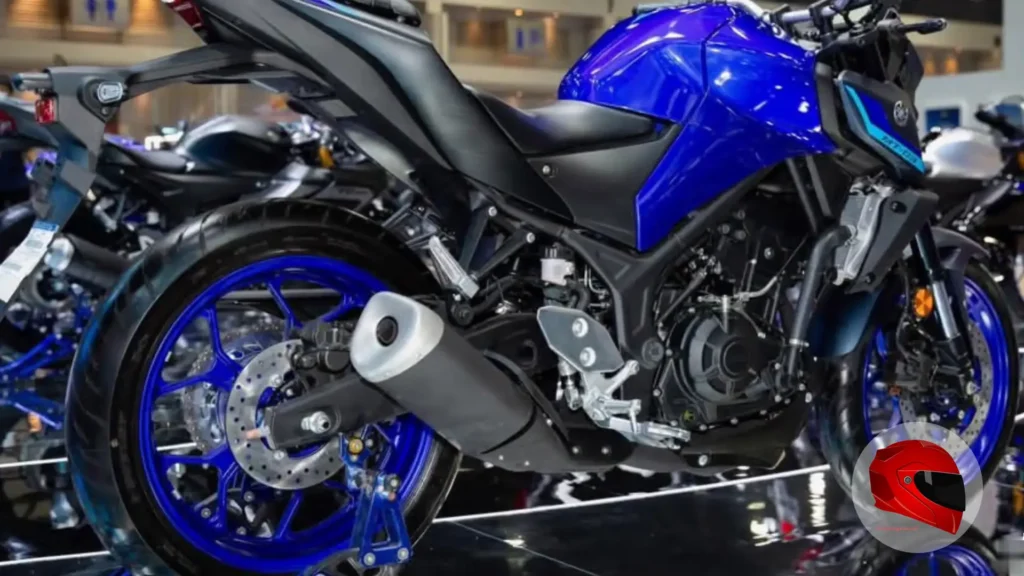
The MT-03’s 321cc parallel twin responds predictably at low rpm and becomes more energetic as the revs climb. Its 180-degree crank and integrated counterbalancer help keep the engine smooth. The six-speed gearbox gives the rider useful flexibility in city traffic and on open roads.
With approximately 41.4 horsepower and 21.8 lb-ft of torque, the motorcycle accelerates briskly from a stop and reaches an estimated 0-60 mph in about 5.5 seconds. Its approximately 110-mph top speed is sufficient for normal highway travel, but sustained high-speed freeway riding leaves less reserve for passing, steep grades or carrying a passenger.
The engine rewards momentum and thoughtful gear selection. Riders who keep it in the stronger part of the rev range will find it more engaging, while beginners can use the manageable low-rpm response to practice clutch and throttle control without abrupt power delivery.
On the highway, the MT-03 handles normal cruising well, but passing power and top speed depend on more than peak horsepower. Rider weight, wind, gearing and the bike’s aerodynamic shape all play a part, so the relationship between horsepower and motorcycle top speed matters more than comparing engine numbers alone.
Ergonomics and Beginner Friendliness
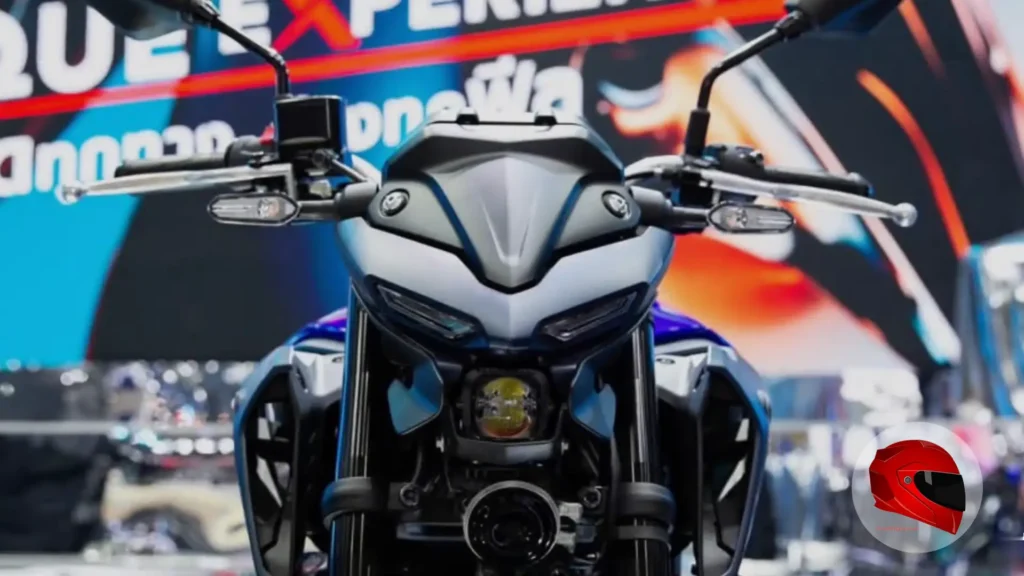
A 30.7-inch seat height, narrow fuel-tank area and 373-pound wet weight give the MT-03 an accessible feel at low speed. Many newer riders can place at least one foot securely on the ground, and the compact dimensions make U-turns, parking-lot practice and stop-and-go traffic less intimidating.
The upright handlebar creates a relaxed riding position for commuting and general street use. The 30.7-inch seat suits many riders, but reach depends on inseam, boots and riding technique. Anyone who wants firm footing at stops should pay close attention to the seat height and narrow chassis when checking the fit.
The bike is beginner-friendly without being limited to first-year ownership. Its light steering and moderate output leave room to develop cornering, braking and shifting skills. Riders who expect frequent two-up travel or long high-speed commutes may eventually want more performance reserve.
Handling, Suspension, and Brakes
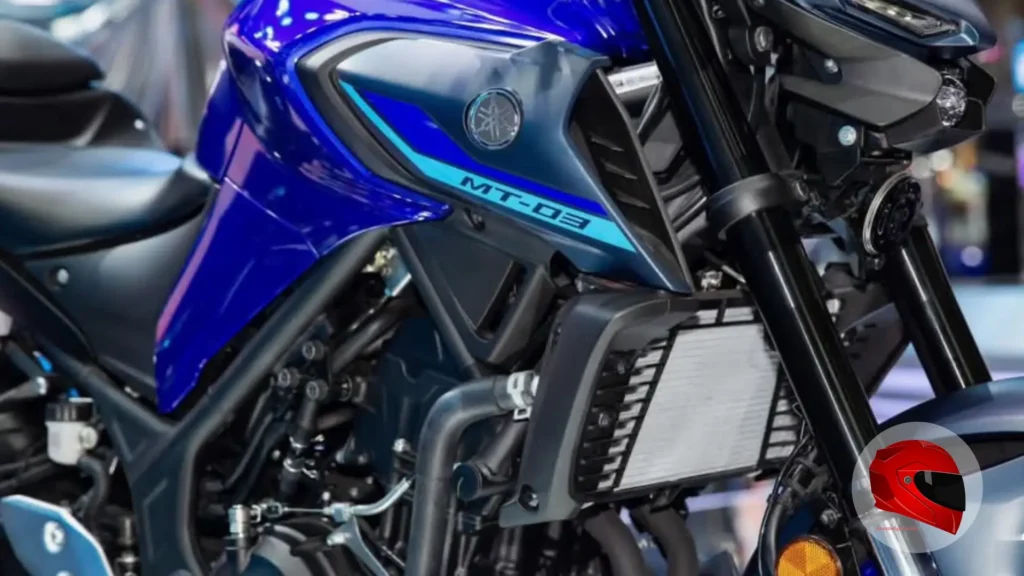
The MT-03 uses a 37mm inverted KYB fork and a linkage-assisted KYB Monocross rear shock. Rear spring preload has seven positions, so riders can adjust it for rider weight and passenger or luggage demands. Suspension damping is not adjustable; setup changes are limited to preload and tire pressure.
Its 54.3-inch wheelbase and 25-degree rake support quick steering without making the motorcycle nervous. The Dunlop Sportmax GPR-300 front tire suits everyday street use, and the chassis feels comfortable on urban roads and moderate-speed back roads.
A 298mm front disc with a two-piston caliper supplies most of the stopping power, while a single rear disc handles rear braking. ABS is standard and helps manage wheel lock during hard braking or on poor surfaces. Riders still need to practice progressive braking because electronic assistance does not replace traction awareness.
Technology, Comfort, and Practicality
-
LCD instrument display
-
Y-Connect smartphone connectivity
-
USB-A charging port
-
Upright standard riding position
-
Passenger seat and passenger footpegs
-
3.7-gallon fuel tank
-
Estimated fuel economy of approximately 62 mpg
-
More than 200 miles of estimated riding range
The MT-03 has enough range for commuting and weekend rides without frequent fuel stops. Its upright ergonomics make it easier to scan traffic than a low sportbike, and the passenger provisions support occasional two-up use. Passenger comfort and acceleration are more limited than on larger 450cc or 500cc motorcycles.
Y-Connect and the USB-A port add everyday convenience, while the LCD display keeps the instrument layout compact. Wind protection is minimal because the MT-03 is a naked motorcycle, so highway comfort depends heavily on speed, clothing and the rider’s tolerance for wind pressure.
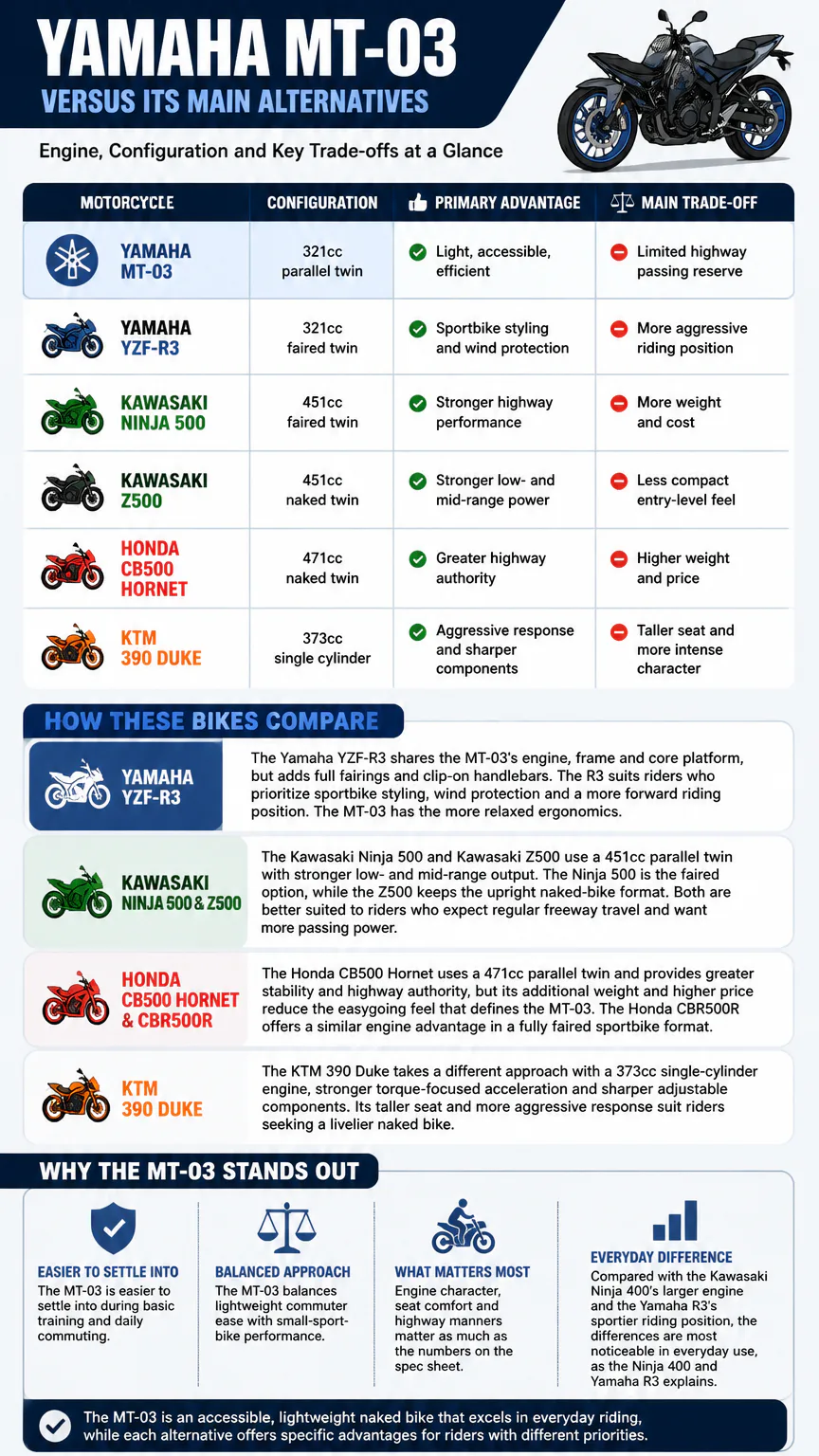
MT-03 Versus Its Main Alternatives
|
Motorcycle |
Configuration |
Primary advantage |
Main trade-off |
|---|---|---|---|
|
Yamaha MT-03 |
321cc parallel twin |
Light, accessible, efficient |
Limited highway passing reserve |
|
Yamaha YZF-R3 |
321cc faired twin |
Sportbike styling and wind protection |
More aggressive riding position |
|
Kawasaki Ninja 500 |
451cc faired twin |
Stronger highway performance |
More weight and cost |
|
Kawasaki Z500 |
451cc naked twin |
Stronger low- and mid-range power |
Less compact entry-level feel |
|
Honda CB500 Hornet |
471cc naked twin |
Greater highway authority |
Higher weight and price |
|
KTM 390 Duke |
373cc single cylinder |
Aggressive response and sharper components |
Taller seat and more intense character |
The Yamaha YZF-R3 shares the MT-03’s engine, frame and core platform, but adds full fairings and clip-on handlebars. The R3 suits riders who prioritize sportbike styling, wind protection and a more forward riding position. The MT-03 has the more relaxed ergonomics.
The Kawasaki Ninja 500 and Kawasaki Z500 use a 451cc parallel twin with stronger low- and mid-range output. The Ninja 500 is the faired option, while the Z500 keeps the upright naked-bike format. Both are better suited to riders who expect regular freeway travel and want more passing power.
The Honda CB500 Hornet uses a 471cc parallel twin and provides greater stability and highway authority, but its additional weight and higher price reduce the easygoing feel that defines the MT-03. The Honda CBR500R offers a similar engine advantage in a fully faired sportbike format.
The KTM 390 Duke takes a different approach with a 373cc single-cylinder engine, stronger torque-focused acceleration and sharper adjustable components. Its taller seat and more aggressive response suit riders seeking a livelier naked bike. The MT-03 is easier to settle into during basic training and daily commuting.
The MT-03 balances lightweight commuter ease with small-sport-bike performance, so engine character, seat comfort and highway manners matter as much as the numbers on the spec sheet. Compared with the Kawasaki Ninja 400’s larger engine and the Yamaha R3’s sportier riding position, the differences are most noticeable in everyday use, as the Ninja 400 and Yamaha R3 explains.
MT-03 Pros and Cons
The MT-03’s strengths are its approachable seat height, manageable weight, smooth twin-cylinder engine, standard ABS, strong fuel economy, compact dimensions, low running costs, more-than-200-mile estimated range, broad aftermarket and established Yamaha dealer service network.
Its limitations are restricted high-speed passing power compared with 451cc and 471cc alternatives, non-adjustable suspension damping, minimal wind protection and modest passenger space for long-distance riding.
Buying and Owning the MT-03
New-bike shoppers can check Yamaha Motorsports for current specifications, pricing, financing information and dealer availability. A dealer can arrange the sale, provide service support and handle much of the title and registration paperwork. Destination, assembly, documentation, tax and state fees will raise the final out-the-door price.
-
Set an out-the-door budget that includes the $4,999 MSRP, $650 destination charge, tax, registration, insurance, riding gear and dealer fees.
-
Compare new inventory and financing through Yamaha Motorsports and authorized Yamaha dealers.
-
Search CycleTrader for new and used motorcycles across multiple dealers and regions.
-
Use Facebook Marketplace for local private-party listings, then inspect the motorcycle and verify ownership documents before paying.
-
Check the vehicle identification number, title status, lien release, maintenance records, tire condition, chain, brakes, lights and cold-start behavior on a used bike.
-
Complete the bill of sale, title transfer, registration, insurance and any required inspection under your state’s rules.
-
Arrange dealer delivery or transport only after the payment, title and delivery terms are documented.
Qualified buyers can access a 2.99% annual percentage rate for 24 months on eligible new Yamaha models, including the MT-03, when delivery occurs by September 30, 2026. The offer applies to qualifying tier-one credit customers financing through Yamaha Motor Finance Corporation, U.S.A. The monthly payment is $42.98 per $1,000 financed.
A motorcycle endorsement or license is required before riding on public roads, with exact requirements set by each state. The Motorcycle Safety Foundation Basic RiderCourse can help with endorsement preparation and teaches core braking, cornering, shifting and hazard-avoidance skills. Insurance is also required in many states and remains separate from financing costs.
Yamaha MT-03 Model History
The original Yamaha MT-03 sold from 2006 through 2014 and used a 660cc single-cylinder engine. Yamaha discontinued that first generation before the modern MT-03 returned to production.
The current generation began in 2016 and uses the 321cc parallel-twin platform shared with the Yamaha YZF-R3. The modern motorcycle is smaller, lighter and more accessible in character than the earlier 660cc single, with an emphasis on urban riding, beginner use and affordable everyday ownership.
2023-2026 MT-03 Model Years
-
2023: Modern-generation MT-03 with a 321cc liquid-cooled inline two-cylinder engine.
-
2024: Modern-generation MT-03 with a 321cc liquid-cooled inline two-cylinder engine.
-
2025: Modern-generation MT-03 with a 321cc liquid-cooled inline two-cylinder engine.
-
2026: Current model year with a 321cc liquid-cooled inline two-cylinder engine.
When comparing these years, focus on condition, mileage, equipment, color, dealer pricing and availability.
|
Model year |
Model-year position |
Core configuration |
|---|---|---|
|
2023 |
Modern-generation MT-03 |
321cc liquid-cooled inline two-cylinder engine |
|
2024 |
Modern-generation MT-03 |
321cc liquid-cooled inline two-cylinder engine |
|
2025 |
Modern-generation MT-03 |
321cc liquid-cooled inline two-cylinder engine |
|
2026 |
Current model year |
321cc liquid-cooled inline two-cylinder engine |
Is the Yamaha MT-03 Worth Buying?
The MT-03 is worth considering when low-speed confidence, simple handling, fuel economy and a manageable purchase price matter most. It suits new riders, shorter riders who fit its seat, commuters and experienced motorcyclists looking for an inexpensive lightweight street bike.
Its main limitation is performance reserve rather than basic usability. Riders who spend most of their time on interstates, regularly carry passengers or want relaxed high-speed passing should consider the Kawasaki Ninja 500, Kawasaki Z500, Honda CB500 Hornet or Honda CBR500R. Riders who want a faired version of the same Yamaha platform should choose the YZF-R3.
MT-03 Maintenance and Upkeep
Routine ownership includes oil and filter changes at the intervals specified in the owner manual, along with regular chain inspection and lubrication. Check tire pressure and tread, brake pad wear, fluid levels, lights and controls before rides and during scheduled service.
Valve-clearance inspection is a less frequent service item and should be completed at the interval Yamaha specifies. Keep maintenance records, use the correct replacement parts and fluids, and follow the owner manual’s schedule for mileage- and time-based work.
FAQs
Is the Yamaha MT-03 a good beginner motorcycle?
Yes. The 30.7-inch seat, 373-pound wet weight, predictable twin-cylinder engine, narrow chassis and standard ABS make it a strong beginner choice. Its performance remains useful after basic training, although frequent highway riding may justify a larger motorcycle.
What is the Yamaha MT-03 price in 2026?
The 2026 Yamaha MT-03 starts at $4,999 before the $650 destination charge, taxes, registration, dealer fees and optional accessories. Financing and final transaction costs depend on credit, dealer terms, location and the purchase route.
How much does the MT-03 cost to operate?
Fuel costs are relatively modest because the motorcycle is rated at approximately 62 mpg and can travel more than 200 miles between fill-ups. Insurance, tires, chain service, scheduled maintenance, registration, riding gear and financing interest determine the broader ownership cost.
Can the Yamaha MT-03 handle highway riding?
Yes. It is capable of normal highway use and has an estimated top speed of approximately 110 mph. At sustained high speeds, it has less passing reserve than 451cc and 471cc alternatives, particularly with a passenger or on steep grades.
Does the Yamaha MT-03 have ABS?
Yes. ABS is standard equipment, with a 298mm front disc and a single rear disc providing the braking hardware. ABS assists during hard braking but does not replace proper braking technique or a suitable following distance.
Is the MT-03 faster than the R3?
The MT-03 and Yamaha YZF-R3 share the same 321cc engine and core platform, so their acceleration and top-speed performance are broadly similar. The R3’s aerodynamic fairings and riding position can improve its real-world high-speed performance.
Conclusion
The 2026 Yamaha MT-03 suits riders who value approachable handling, low fuel use and an affordable entry into motorcycling. It is a strong fit for city riding, commuting and skill development. Riders who spend more time on highways or regularly carry passengers should consider a larger alternative.