Best Motorcycle Power-to-weight Ratios: 8 Superbikes Compared
Power-to-weight ratio is a useful first filter when comparing liter-class sportbikes, homologation specials and track-focused machines. It shows how much engine output moves each pound of motorcycle, although the result changes depending on whether the calculation uses dry, wet or rider-inclusive weight. The best choice depends on whether you want maximum acceleration, repeatable track performance or a motorcycle that is easier to use on the road.
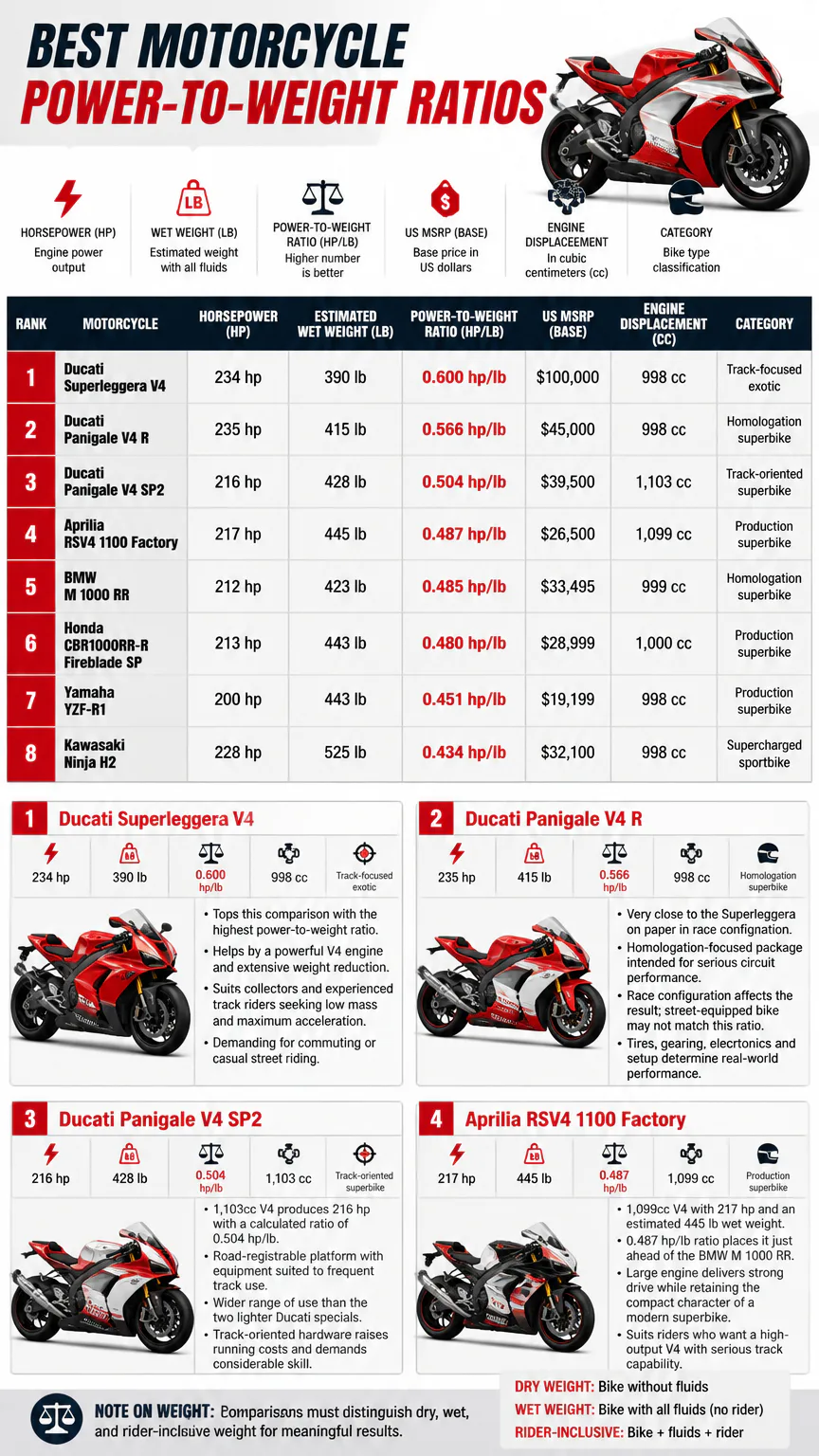
Best Motorcycle Power-to-Weight Ratios
| Rank | Motorcycle | Horsepower | Estimated wet weight | Power-to-weight ratio | US MSRP (base) | Engine displacement | Category |
|---|---|---|---|---|---|---|---|
| 1 | Ducati Superleggera V4 | 234 hp | 390 lb | 0.600 hp/lb | $100,000 | 998 cc | Track-focused exotic |
| 2 | Ducati Panigale V4 R | 235 hp | 415 lb | 0.566 hp/lb | $45,000 | 998 cc | Homologation superbike |
| 3 | Ducati Panigale V4 SP2 | 216 hp | 428 lb | 0.504 hp/lb | $39,500 | 1,103 cc | Track-oriented superbike |
| 4 | BMW M 1000 RR | 212 hp | 423 lb | 0.501 hp/lb | $33,495 | 999 cc | Homologation superbike |
| 5 | Aprilia RSV4 1100 Factory | 217 hp | 445 lb | 0.487 hp/lb | $26,500 | 1,099 cc | Production superbike |
| 6 | Honda CBR1000RR-R Fireblade SP | 213 hp | 443 lb | 0.480 hp/lb | $28,999 | 1,000 cc | Production superbike |
| 7 | Yamaha YZF-R1 | 200 hp | 443 lb | 0.451 hp/lb | $19,199 | 998 cc | Production superbike |
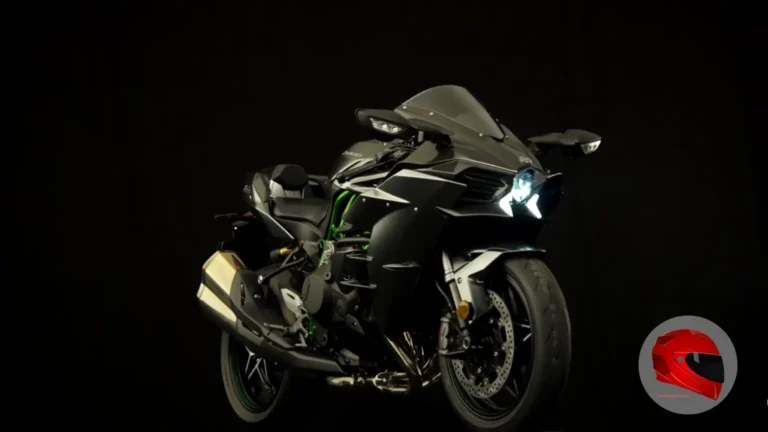
| 8 | Kawasaki Ninja H2 | 228 hp | 525 lb | 0.434 hp/lb | $32,100 | 998 cc | Supercharged sportbike |
Ducati Superleggera V4
The Ducati Superleggera V4 tops this comparison with 234 horsepower and an estimated 390-pound wet weight when fitted with its track exhaust and carbon equipment. That produces a 0.600 hp/lb ratio, helped by the combination of a powerful V4 engine and extensive weight reduction.
It suits collectors and experienced track riders who want low mass and maximum acceleration potential. Carbon components, specialized equipment, high operating costs and extreme performance make it demanding for commuting or casual street riding.
Ducati Panigale V4 R
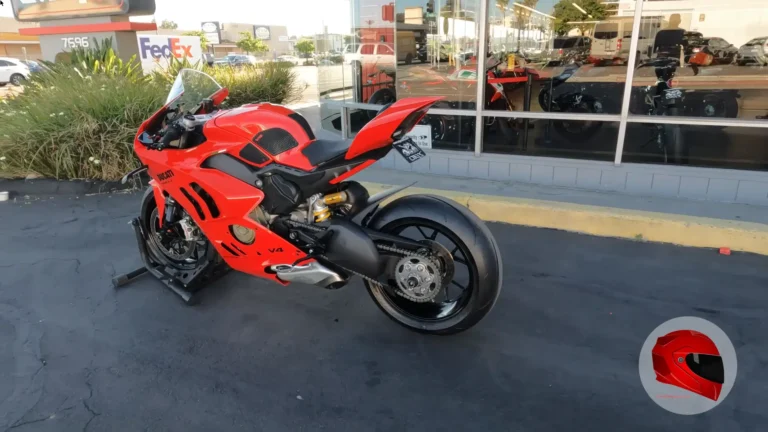
The Ducati Panigale V4 R produces 235 horsepower and reaches an estimated 0.566 hp/lb in race configuration at approximately 415 pounds wet. It comes close to the Superleggera on paper, with a homologation-focused package intended for serious circuit performance.
Its appeal is strongest for riders who want a competition-oriented superbike with a power advantage at high engine speeds. Race configuration affects the result, so a street-equipped motorcycle may not match this ratio. Tires, gearing, rider electronics and setup also determine how effectively the engine output reaches the pavement.
The Panigale V4 R’s power-to-weight ratio does not tell the whole story. Its engine configuration, aerodynamic equipment, electronics and riding position all affect how usable that performance feels. These details also matter when comparing it with the wider range covered in the Ducati Panigale V4 guide, where specifications and equipment can vary significantly between versions.
Ducati Panigale V4 SP2
The Ducati Panigale V4 SP2 uses a 1,103cc V4 that produces 216 horsepower. With an estimated 428-pound wet weight, it records a calculated ratio of 0.504 hp/lb. The SP2 is intended for riders who want a road-registrable platform with equipment suited to frequent track use.
It gives up some outright ratio to the two lighter Ducati specials, but its wider range of use is easier to justify for someone who splits time between public roads and circuits. Track-oriented hardware can increase running costs, and the bike still demands considerable skill because its response and acceleration exceed what most roads can safely accommodate.
BMW M 1000 RR
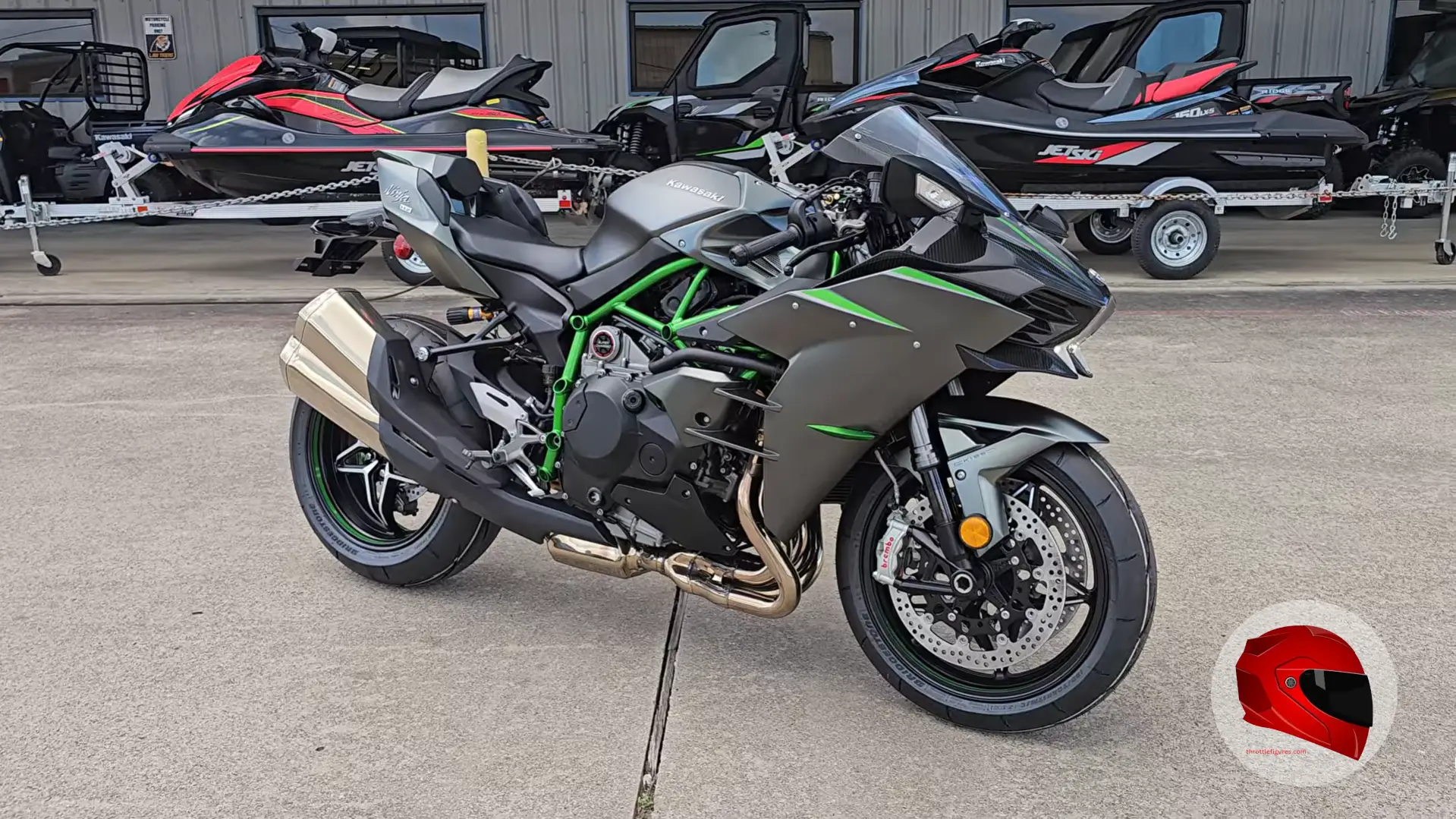
The BMW M 1000 RR uses a 999cc inline-four producing 212 horsepower. With an estimated wet weight of 423 pounds, it reaches 0.501 hp/lb. Its specification combines engine output with aerodynamic stability and high-speed circuit performance.
The BMW fits experienced riders who want a technologically advanced superbike with a strong track bias and relatively low measured mass. Its ratio is close to the Aprilia’s, so the decision should also include ergonomics, electronic calibration, service costs and intended riding venues. A lower weight figure does not guarantee faster laps if the rider cannot use the power effectively.
Aprilia RSV4 1100 Factory
The Aprilia RSV4 1100 Factory combines a 1,099cc V4 with 217 horsepower and an estimated 445-pound wet weight. Its 0.487 hp/lb ratio puts it just behind the BMW M 1000 RR in this calculation. The larger engine delivers strong drive while retaining the compact character expected from a modern superbike.
This model suits riders who want a high-output V4 with a focused chassis and serious track capability. Its position can change with fuel load, accessories and the equipment fitted, so the ratio does not tell the whole story. The RSV4 is best matched with riders who already understand throttle control, braking technique and electronic riding aids.
Honda CBR1000RR-R Fireblade SP
The Honda CBR1000RR-R Fireblade SP makes 213 horsepower from its 1,000cc inline-four and weighs an estimated 443 pounds wet. That produces a 0.480 hp/lb ratio. The Fireblade SP is a production superbike for riders seeking a high-revving engine, track-capable chassis and road registration.
Its ratio trails the lighter Ducati models, but the difference does not describe the entire riding experience. Mass, aerodynamic bodywork, braking hardware, tire choice and rider position all affect acceleration and lap performance. The Fireblade suits an experienced sportbike rider who wants a balanced liter-class machine instead of a limited-production exotic.
Yamaha YZF-R1
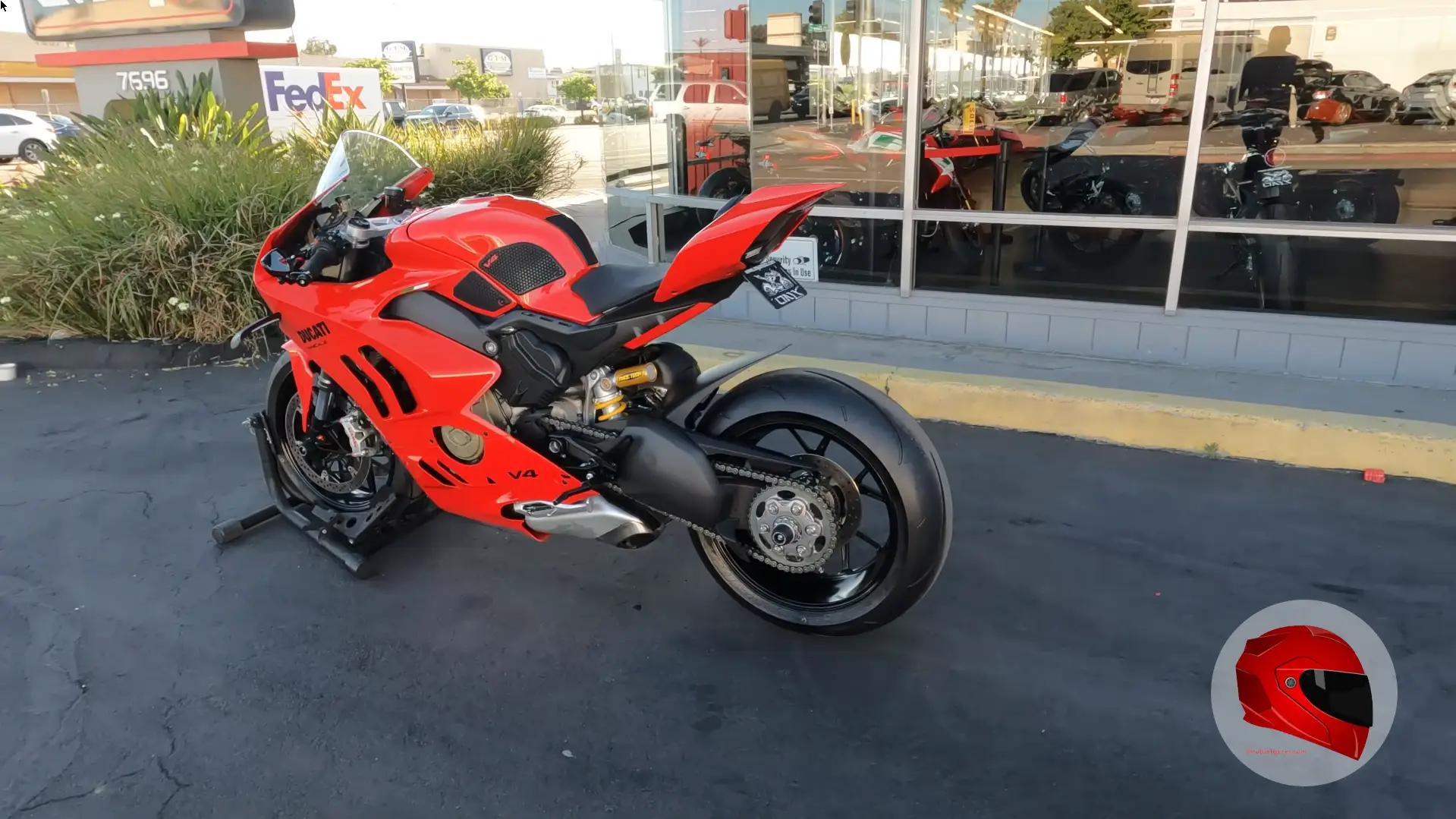
The Yamaha YZF-R1 produces 200 horsepower from its 998cc inline-four and has an estimated 443-pound wet weight. Its 0.451 hp/lb figure is lower than those of the other conventional superbikes listed here, but it remains an exceptionally serious performance motorcycle with more than enough acceleration for public roads and closed-course riding.
The R1 suits riders who value a familiar inline-four character and a proven superbike layout. Its lower ratio may appeal to riders who want slightly less engine intensity than the most extreme specials, although 200 horsepower is still far beyond a beginner-friendly level. Chassis fit, electronics, maintenance and track support should also factor into the decision.
The YZF-R1 shows what a high-output engine can do, but numbers alone do not determine how enjoyable a bike is on the road. A lighter middleweight may turn in more easily, cost less to run and deliver performance that’s easier to use, so riders should compare the Yamaha R9 specs and price before moving straight to a liter-class machine.
Kawasaki Ninja H2
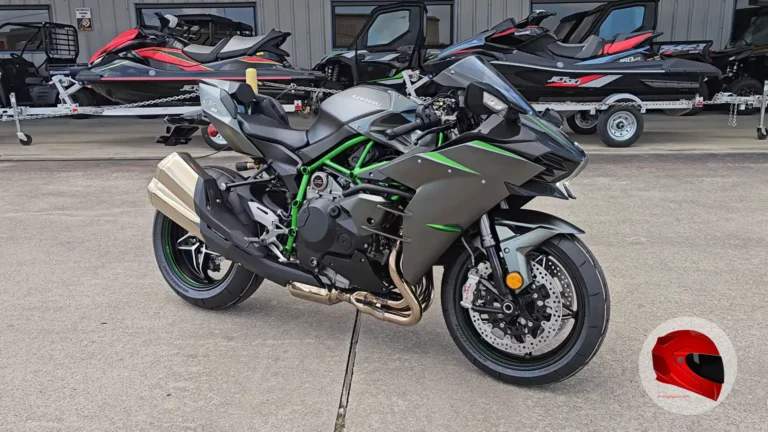
The Kawasaki Ninja H2 takes a different approach with a 998cc supercharged inline-four producing 228 horsepower. Its estimated 525-pound wet weight reduces the calculated figure to 0.434 hp/lb, the lowest ratio in this comparison despite its very high engine output.
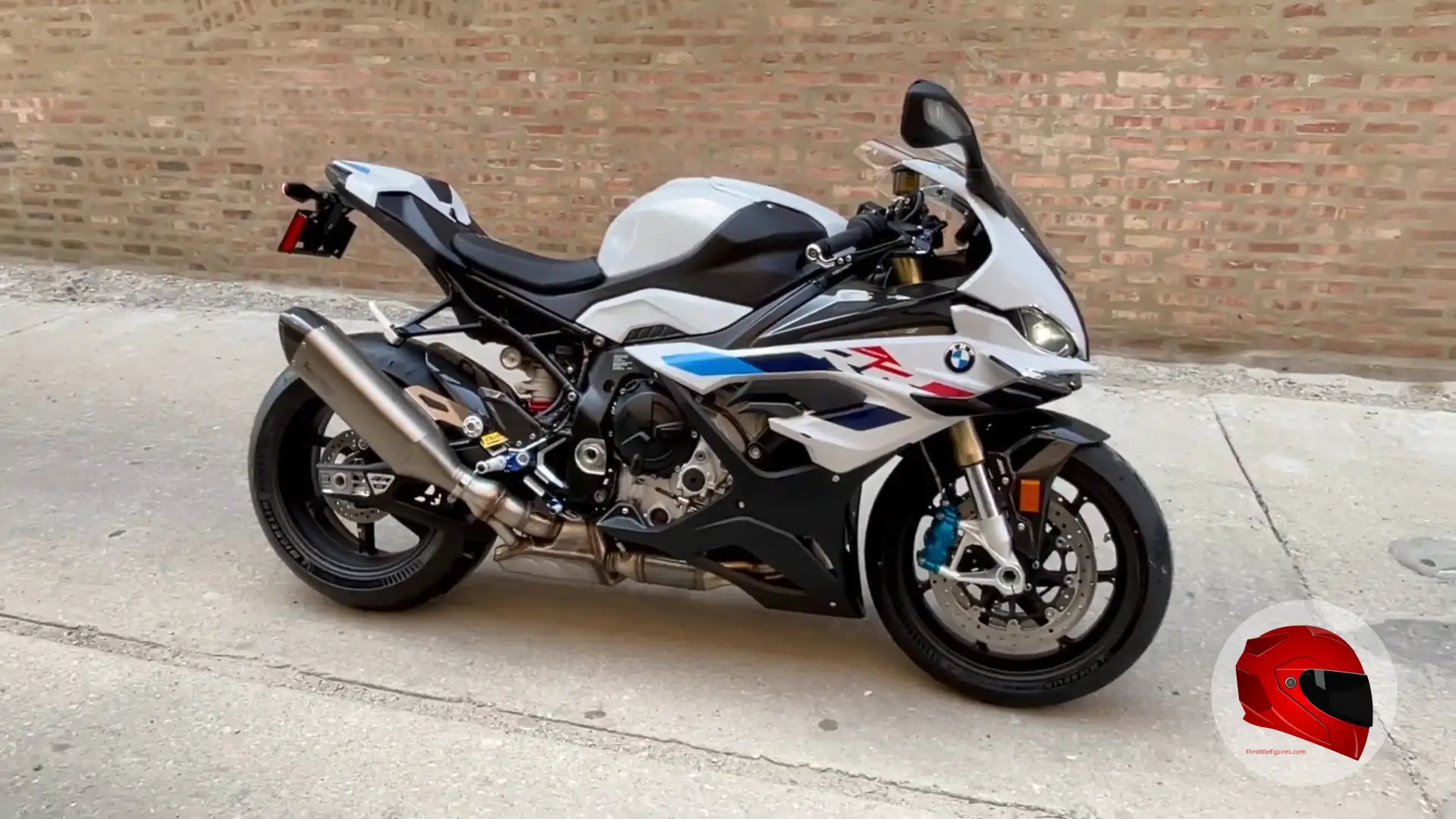
The H2 suits riders who specifically want supercharged thrust, distinctive engineering and strong straight-line performance. Its extra mass matters during braking, direction changes and low-speed maneuvering, so it is not automatically the best choice for a lightweight track weapon. The figure also shows why horsepower alone cannot identify the quickest motorcycle in every situation.
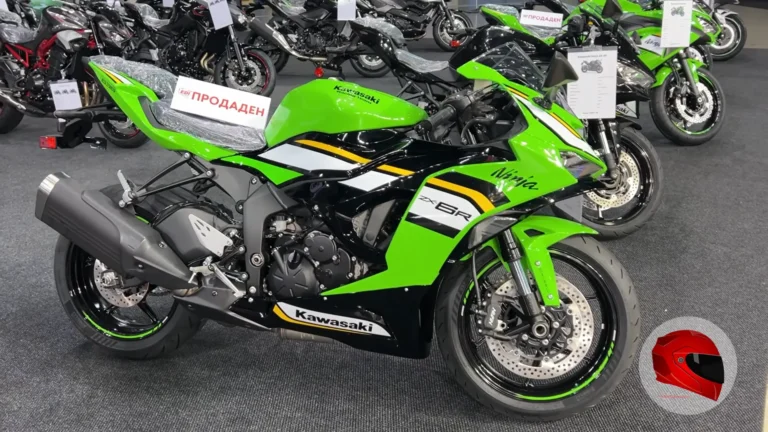
Honda, Yamaha, and Kawasaki
The Fireblade SP, YZF-R1 and Ninja H2 use three different approaches to liter-class performance. Honda and Yamaha rely on naturally aspirated inline-four engines in conventional superbike packages, while Kawasaki adds a supercharger and accepts considerably more mass.
The Honda has the strongest calculated ratio of the three because it combines more output with the same estimated weight as the Yamaha. The Kawasaki produces the most horsepower, but its 525-pound mass offsets that advantage in this metric. Acceleration testing, gearing, traction control, aerodynamics and rider technique can change the order in real use.
How to calculate a motorcycle ratio
The calculation is simple, but the horsepower and weight figures must describe the same motorcycle configuration. Use crank horsepower with the corresponding vehicle weight for a specification comparison. For a more realistic performance estimate, use rear-wheel horsepower and measured running weight.
- Record the motorcycle’s horsepower in a clearly stated configuration.
- Record its dry, wet or curb weight using the same unit system.
- Divide horsepower by vehicle weight to calculate hp/lb.
- Divide vehicle weight by horsepower to calculate pounds per horsepower.
- Repeat the calculation with the rider, gear and fuel included when comparing real acceleration.
- Dry weight: motorcycle mass without fuel and operating fluids.
- Wet or curb weight: motorcycle mass with standard fluids and fuel.
- Drivetrain loss: a chain-driven motorcycle transfers approximately 85% to 90% of crank output to the rear wheel.
- Rear-wheel estimate: crank horsepower multiplied by approximately 0.88.
For example, a 375-pound motorcycle with a 180-pound rider, 15 pounds of fuel and 100 horsepower has 570 pounds moving for every 100 horsepower, or 5.7 pounds per horsepower. This rider-inclusive figure is more useful for launch performance than a dry-weight marketing number.
How to choose a usable ratio
A high ratio increases acceleration potential, but it does not measure traction, braking, aerodynamics, gearing, tire grip, suspension setup or rider skill. A motorcycle can post an impressive figure and still be slower on a technical circuit if its power is difficult to use or its mass affects braking and direction changes.
- Below 0.08 hp/lb: beginner-friendly performance tier.
- 0.08 to 0.18 hp/lb: intermediate performance tier.
- 0.18 to 0.30 hp/lb: advanced performance tier.
- 0.30 hp/lb and above: expert liter-class tier.
Every motorcycle in this comparison sits far above the beginner tier. New riders should focus on training, control development, ergonomics and predictable throttle response instead of chasing the largest ratio. Experienced track riders can give more weight to mass, tire support, chassis setup and the cost of converting a road bike for circuit use.
What the ratio leaves out
Power-to-weight ratio compares engine output with mass; it does not describe the complete performance system. The motorcycle still needs traction to turn horsepower into forward motion, and wheelies or electronic intervention can limit how much power reaches the ground during hard acceleration.
Aerodynamic drag becomes more important at high speed, while gearing controls how quickly the engine reaches its strongest operating range. Braking distance, corner-exit grip, rider position, suspension settings, fuel load and tire condition can matter more than a small difference in calculated ratio. Treat the figure as a comparison tool, not a complete ranking of lap times.
FAQs
Which motorcycle has the best power-to-weight ratio?
The Ducati Superleggera V4 has the strongest ratio in this comparison at 0.600 hp/lb, based on 234 horsepower and an estimated 390-pound wet weight with track equipment. The result depends on that configuration, so a street-equipped version will not produce the same calculation.
What is a good power-to-weight ratio for a bike?
Below 0.08 hp/lb falls into the beginner-friendly tier, while 0.08 to 0.18 hp/lb suits intermediate performance. Ratios above 0.30 hp/lb represent expert-level liter-class performance and require advanced throttle, braking and cornering control.
What is the 12-second rule for motorcycles?
The 12-second rule asks riders to scan at least 12 seconds ahead for hazards, traffic changes and escape paths. At higher speeds, that distance increases, so riders need to look farther ahead instead of focusing only on the vehicle directly in front.
What is the ideal horsepower-to-weight ratio?
There is no single ideal figure for every rider or use. A ratio above 0.30 hp/lb is already expert-level for a motorcycle, while road riders may gain more from manageable throttle response, usable gearing, traction and chassis balance than from additional horsepower.
Does a higher ratio always mean a faster motorcycle?
No. The figure does not include traction, gearing, aerodynamics, braking, tires, rider skill or electronic intervention. It indicates acceleration potential, but real-world speed depends on how effectively the motorcycle can use that potential.
A higher power-to-weight ratio can improve acceleration, but gearing, traction, aerodynamics and launch technique determine how much of that advantage reaches the pavement. When comparing superbikes, quarter-mile results can reveal more than horsepower figures alone, with the fastest quarter-mile motorcycles illustrating how effectively performance translates into speed.
Conclusion
The Ducati Superleggera V4 leads the specifications, while the Panigale V4 R and SP2 offer similarly extreme performance with different compromises. For a more useful comparison, calculate each ratio with wet weight, then judge the motorcycle by its chassis, electronics, riding environment and your ability to control its power.

3 Comments
Comments are closed.