What Determines Motorcycle Top Speed? Key Factors Explained
Motorcycle top speed is reached when the engine can no longer produce enough wheel power to overcome aerodynamic drag, rolling resistance and mechanical losses. Engine displacement matters because a larger engine can produce more torque and horsepower, but it is only one part of the calculation. Gearing, bodywork, weight, tires, rider position, electronic limits and riding conditions also affect the result. A larger engine can therefore be slower than a smaller, more aerodynamic motorcycle.
How engine size affects speed
| Engine displacement | Typical top speed | What displacement provides | Typical horsepower | Common vehicle class |
|---|---|---|---|---|
| 125cc | 60–70 mph | Modest torque and power potential | 10–15 hp | Commuter scooter or light motorcycle |
| 250cc | 70–90 mph | More usable power | 20–30 hp | Entry-level sportbike |
| 400cc | 90–110 mph | Stronger acceleration reserve | 35–45 hp | Midsize cruiser or dual-sport |
| 600cc | 120–160 mph | High power potential | 100–130 hp | Supersport motorcycle |
| 1,000cc and larger | 170–220 mph | Very high power potential | 180–220+ hp | Liter-class superbike |
Displacement is the combined volume swept by an engine’s pistons. More displacement can move more air and fuel through the engine, increasing its potential torque and horsepower. The final output still depends on compression, valve timing, forced induction, engine speed, tuning, gearing, cooling and aerodynamic design.
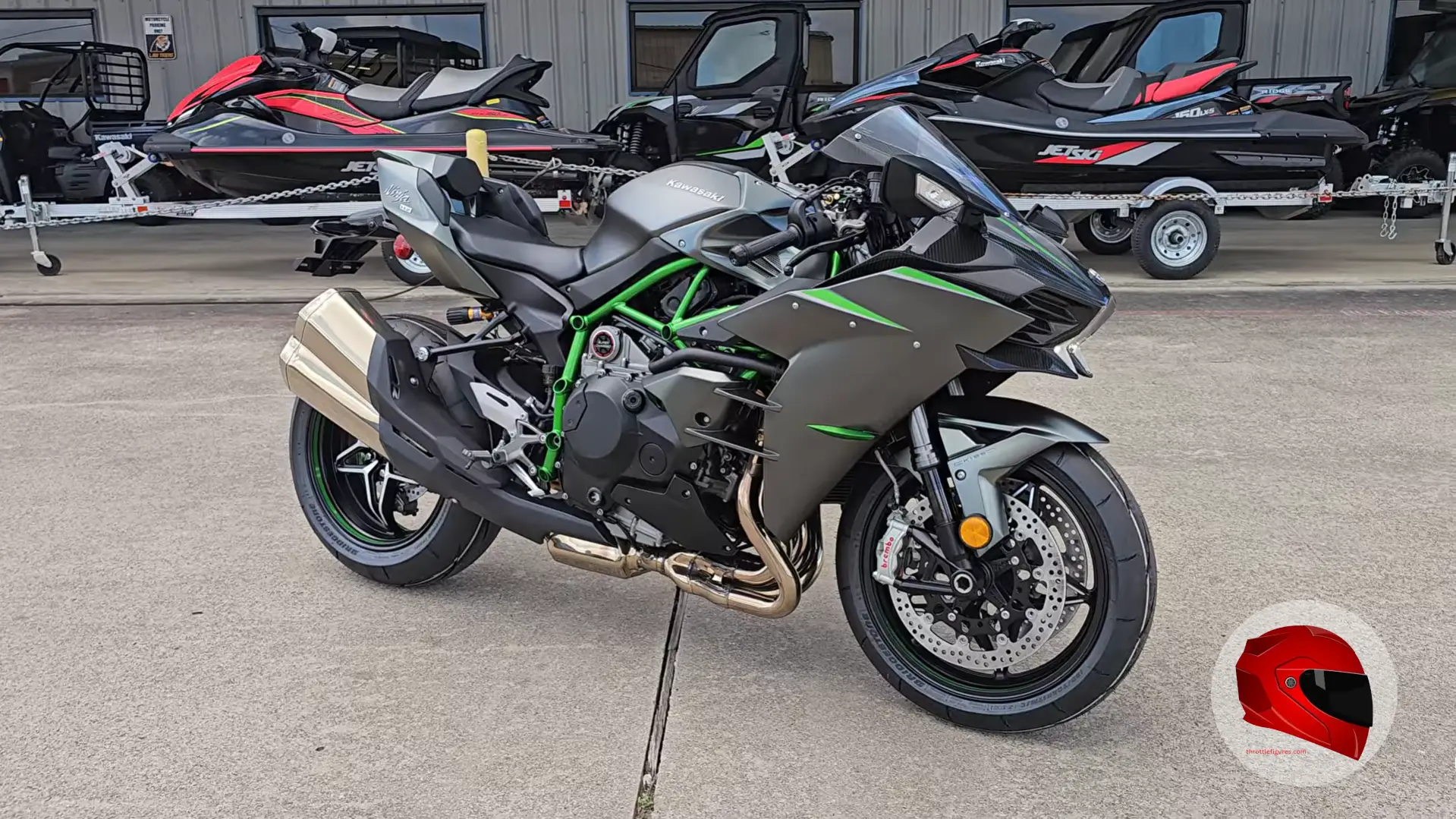
A 649cc Kawasaki Ninja 650 produces 67 horsepower and reaches about 130 mph. The 998cc supercharged inline-four in the Kawasaki Ninja H2R produces 310 horsepower, or 326 horsepower with ram air, and reaches 250 mph or 402.33 km/h. The difference reflects power output, aerodynamics, gearing and each motorcycle’s intended design, not displacement alone.
What actually determines motorcycle top speed?
Terminal speed is the highest speed a motorcycle can sustain under particular conditions. Acceleration describes how quickly it reaches a given speed. Top speed is the point at which the engine’s usable power matches the resistance facing the motorcycle, so acceleration falls to zero.
The main factors are:
- Horsepower: Supplies the work needed to overcome wind resistance at high speed.
- Aerodynamics: Determines how much power the motorcycle loses while pushing through the air.
- Gearing: Converts engine speed into road speed and sets the theoretical ceiling.
- Power-to-weight ratio: Improves acceleration and helps the motorcycle reach terminal speed.
- Electronic limits: Can restrict speed even when the engine and chassis could go faster.
- Conditions: Wind, altitude, temperature, road grade and surface quality change the result.
Speed is calculated as distance divided by time, but motorcycle performance depends on more than that basic formula. The engine must produce enough wheel power to overcome drag, rolling resistance, drivetrain losses and any incline. A speedometer also does not automatically show true road speed because motorcycle speedometers can read higher than the motorcycle’s actual speed.
Engine output is only part of the equation because the motorcycle must move both its own weight and the rider’s. A lighter bike with similar horsepower will accelerate harder and reach its aerodynamic limit sooner, while a heavier bike needs more power to achieve the same result. That is why motorcycle power-to-weight ratios is useful when comparing a motorcycle’s speed potential rather than looking at engine size alone.
Why horsepower matters more than torque
Torque is the twisting force produced at the crankshaft. It affects launches, roll-on acceleration, hill climbing and the ability to pull a tall gear. Horsepower combines torque with engine speed, showing how quickly the engine can perform work as the motorcycle’s speed rises.
Aerodynamic resistance becomes the main obstacle at high road speeds, so the engine needs sustained horsepower to keep accelerating. Torque still matters because gearing multiplies it at the rear wheel. However, an engine with a high torque figure but limited horsepower may stop gaining speed sooner than an engine that produces more power at higher rpm.
Power-to-weight ratio mostly determines how quickly the motorcycle reaches its limit. Reducing weight improves acceleration and lowers the work required to increase speed, although weight has less effect on flat-ground terminal speed than horsepower and aerodynamics. A heavy motorcycle can still reach a high top speed if it has enough power.
Torque gives a motorcycle its initial thrust, especially when pulling away from a stop or accelerating in a tall gear. Top speed, however, depends on how much power the engine can maintain at high rpm after gearing and aerodynamic drag are taken into account. A torque-heavy bike may accelerate strongly at low speeds without being the fastest at the top end. Comparing the highest-torque motorcycles shows why acceleration and top speed are related but distinct.
How aerodynamics creates the speed limit
Aerodynamic drag is the largest high-speed limitation for most motorcycles. It depends on air density, frontal area, drag coefficient and the square of relative air speed. Because power equals force multiplied by speed, the power needed to overcome drag rises approximately with the cube of velocity.
Doubling speed creates about four times as much aerodynamic resistance and requires roughly eight times as much power in the simplified aerodynamic relationship. Motorcycles also experience rolling resistance, drivetrain losses and changes in air density, but the cubic relationship explains why a small increase near the top end requires a large increase in horsepower.
A tucked-in rider reduces frontal area. A full fairing can smooth airflow around the motorcycle, while an upright cruiser position exposes more of the rider and motorcycle to the air. A lower drag coefficient improves efficiency, but the design must also control lift, crosswind sensitivity and high-speed steering behavior.
How gearing sets the theoretical ceiling
Gearing determines how quickly the rear tire turns at a given engine speed. In the highest gear, the theoretical top speed depends on the engine redline, primary reduction, transmission ratio, final-drive ratio and rear-tire circumference.
- Record the engine redline in revolutions per minute.
- Identify the primary-drive ratio.
- Record the ratio for the selected transmission gear.
- Record the front and rear sprocket tooth counts or belt-pulley ratio.
- Calculate rear-wheel speed from the combined reduction.
- Convert tire circumference and wheel speed into miles per hour.
A taller final-drive ratio can increase theoretical speed at redline, but it reduces the mechanical advantage available for acceleration. A shorter ratio improves drive force and response while reaching redline at a lower road speed. Overdrive gearing keeps engine rpm lower during fast cruising if the engine has enough power to pull that gear against aerodynamic drag.
Redline and gearing must match the engine’s power band. A motorcycle may have gearing that theoretically supports a very high speed but lack the horsepower to reach it. It may also hit the rev limiter before reaching the speed its power and aerodynamics would otherwise allow.
How weight and tires change performance
- Weight: Affects acceleration, braking, climbing and the power required to overcome rolling resistance.
- Traction: Determines whether engine power can reach the pavement without wheelspin.
- Tire circumference: Changes the road speed produced at a given wheel rpm.
- Tire construction: Controls stability, heat management and load capacity at speed.
- Speed rating: Sets the tire’s certified operating limit when it is correctly inflated and loaded.
Weight has a major effect on how quickly a motorcycle reaches high speed, especially during acceleration from low and medium speeds. Its effect on terminal speed is smaller on level ground because aerodynamic drag dominates the power requirement. Extra mass matters more on an incline or when the engine is already close to its power limit.
Tires must match the motorcycle’s speed, load and intended use. Pressure, wear, temperature, wheel alignment and road surface can change stability and available traction. A tire that is not rated for the motorcycle’s actual speed should not be used for high-speed operation.
Typical speeds by motorcycle type
| Motorcycle type | Typical top speed |
|---|---|
| Beginner or commuter | 60–90 mph |
| Cruiser | 100–120 mph |
| Touring | 110–130 mph |
| Sportbike | 150–190 mph |
| Superbike | 200+ mph |
| Hyperbike | 200+ mph |
These ranges describe broad performance categories rather than guaranteed results for every model. A beginner motorcycle may be limited to 60-90 mph because it has modest displacement and power. A cruiser can have a large engine but use a relaxed tune, an upright riding position, a long wheelbase and gearing intended for steady highway travel.
Sportbikes use high-revving engines, compact frontal areas, full fairings and gearing intended for high-speed performance. Superbike and hyperbike designs can exceed 200 mph when their power, chassis, tires, cooling and electronics support that speed. The 1,923cc liquid-cooled 45-degree Milwaukee-Eight 117 V-twin in the Harley-Davidson Street Glide produces 105 horsepower and reaches about 130 mph, showing why engine size alone is a poor speed predictor.
How conditions limit real-world speed
- Headwind: Raises relative air speed and increases drag.
- Tailwind: Can increase speed over the ground while reducing the engine speed needed for a given airspeed.
- Altitude: Reduces air density and can reduce power from naturally aspirated engines.
- Temperature: Changes air density, tire behavior and engine operating conditions.
- Road grade: Increases the power required to climb.
- Road surface: Affects traction, vibration and rider stability.
- Rider position: Changes frontal area and drag.
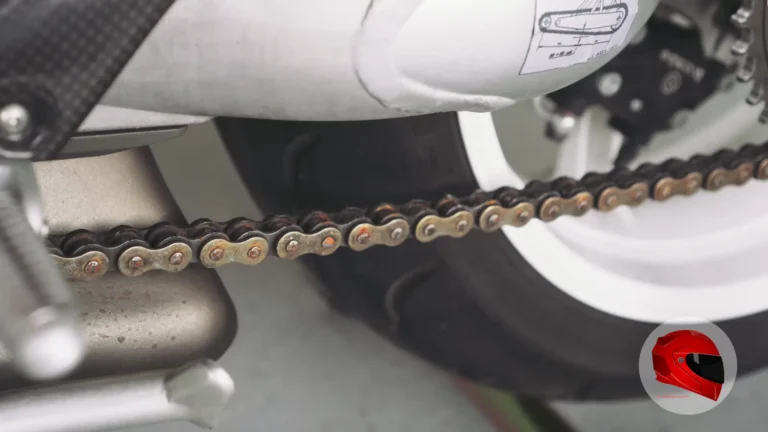
- Mechanical condition: Affects power delivery through tire pressure, chain adjustment, brakes, bearings and engine health.
A published top speed is measured under specific conditions, so real-world results vary. A headwind can lower speed sharply because the motorcycle experiences the combined speed of the bike and the air. A clean, flat surface and a tucked rider produce a different result from an uphill public road with luggage and an upright posture.
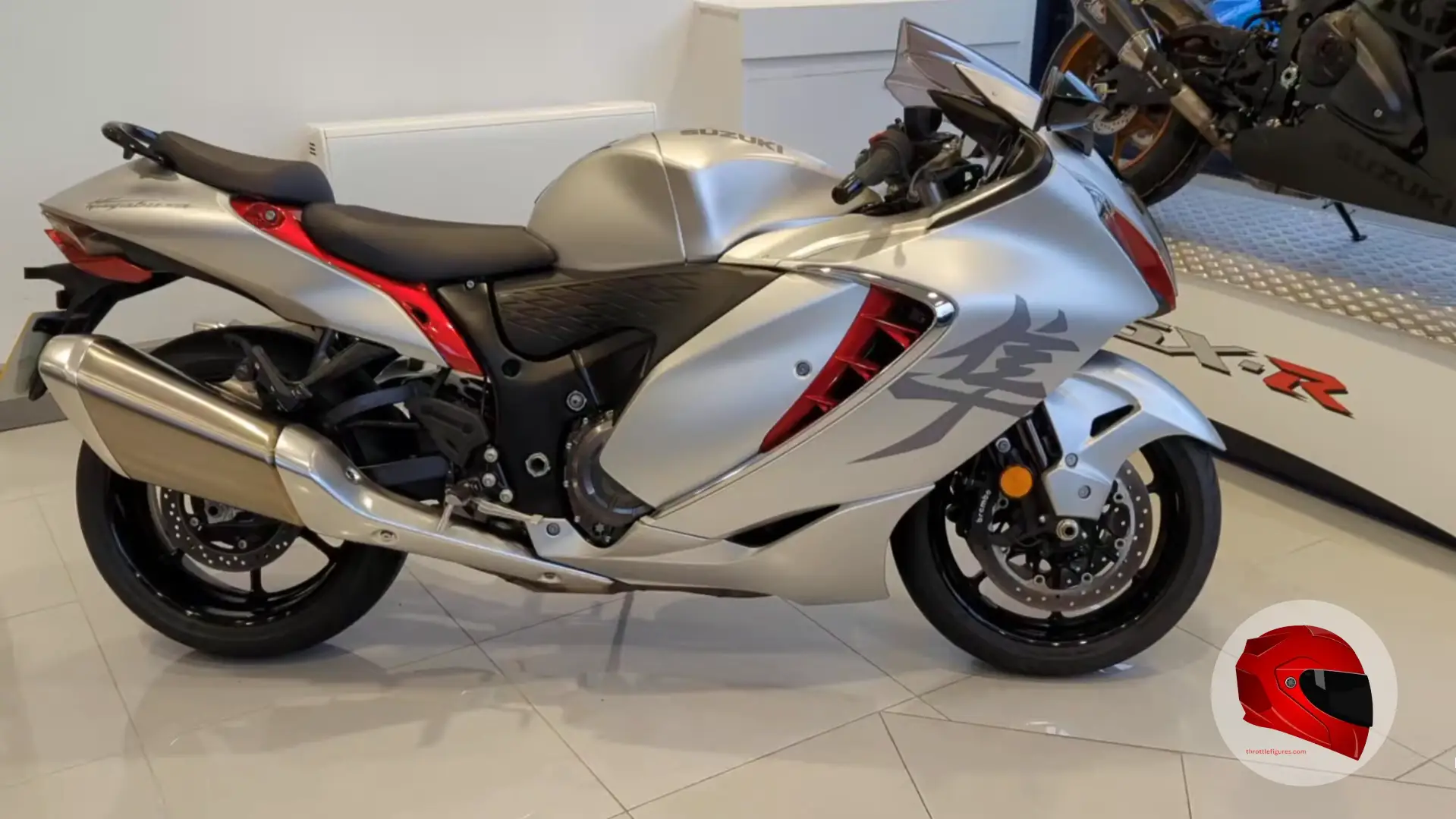
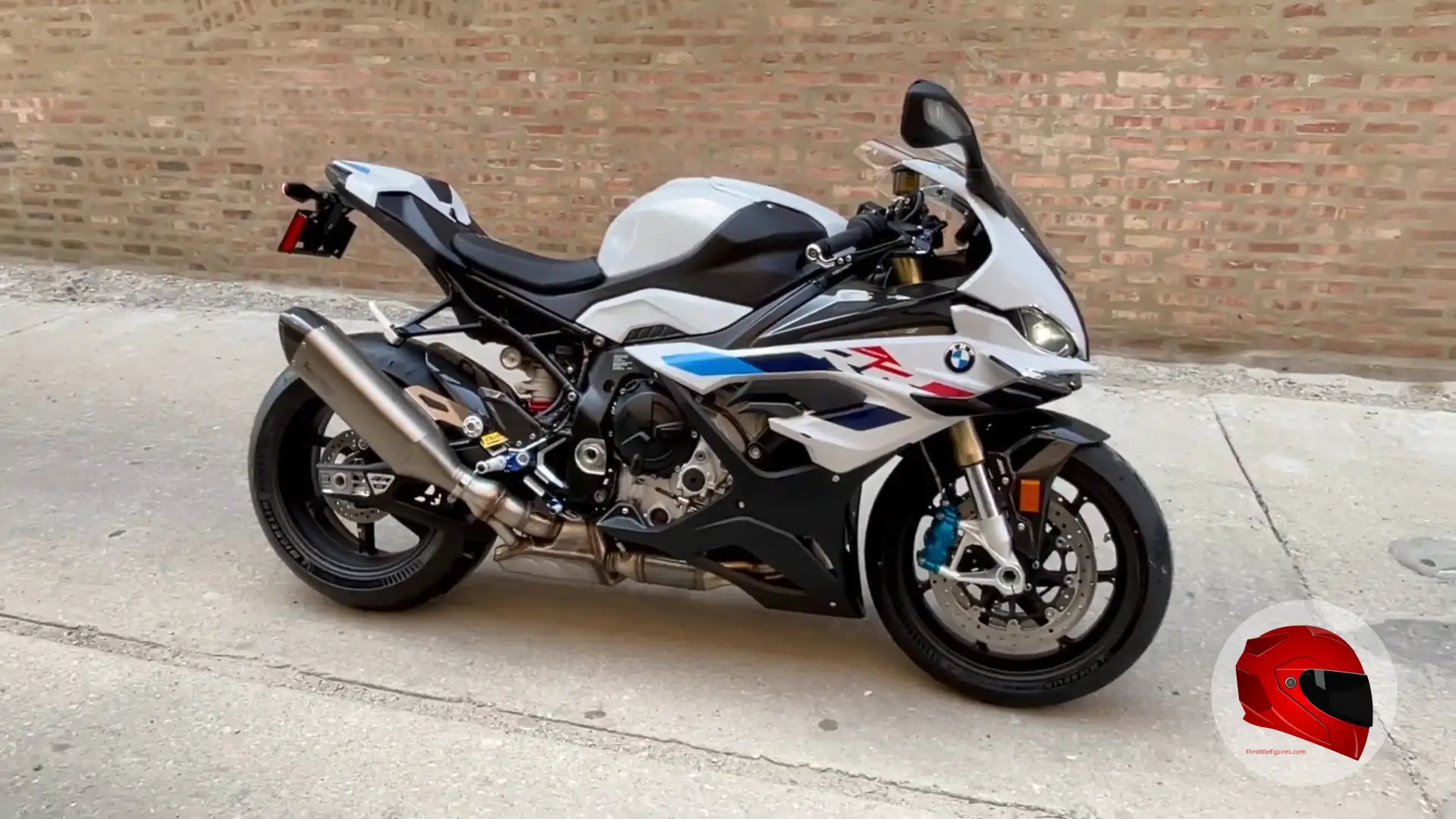
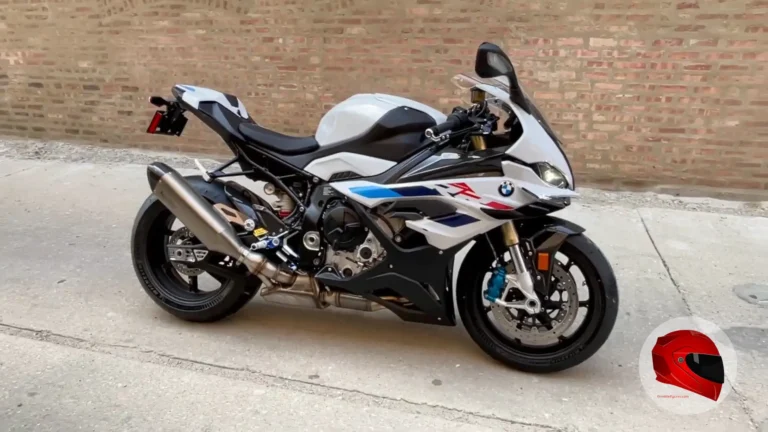
Electronic restrictions also affect the result. The Suzuki Hayabusa is electronically limited to 186 mph, while the BMW M 1000 RR reaches 192 mph and the Ducati Panigale V4 R reaches 199 mph. Removing a limiter or changing engine controls can affect legality, durability, emissions compliance, tire requirements and chassis stability.
How to measure true top speed safely
Top-speed testing belongs on a closed course with appropriate safety controls, not on a public highway. The aim should be to compare reliable measurements without creating a dangerous road-speed record.
- Check the motorcycle’s tires, pressure, chain or belt, brakes, fluids, fasteners and maintenance condition.
- Calculate the gearing-based speed ceiling from redline, ratios and tire circumference.
- Use a chassis dynamometer to estimate whether the engine has enough wheel power to reach that ceiling.
- Use a GPS-based instrument to measure actual ground speed during controlled testing.
- Compare the GPS result with the speedometer and record wind, temperature, altitude, rider position and direction of travel.
- Repeat runs in opposite directions to reduce the effect of wind and grade.
Gearing calculations show what the motorcycle could reach if its power were sufficient. A dyno shows available wheel power under controlled conditions, while GPS validation measures speed over the ground. The speedometer remains useful to the rider but is usually less precise. Professional testing also accounts for braking distance, runoff space, protective equipment and emergency response.
A motorcycle’s speedometer may not match its actual speed because of instrument tolerances and tire-size differences. Wind and road gradients can also affect the result. For a reliable test, use consistent conditions and GPS or other calibrated equipment instead of relying only on the dashboard. This matters when assessing how motorcycle top speed is measured and comparing results from different tests.
Fastest motorcycle speed records
Purpose-built land-speed motorcycles belong to a different category from street motorcycles. The Top 1 Ack Attack reached 376.36 mph or 605 km/h with a streamlined design created to reduce drag over a measured course. Its result cannot be compared directly with an upright production motorcycle.
MotoGP machines have reached 368.6 km/h, or 229.04 mph, on a circuit. Current MotoGP motorcycles use 1,000cc engines, while the championship historically used 500cc machines. Their speed comes from high power, specialized aerodynamics, racing tires, electronic controls, low weight and a track environment that supports hard acceleration and braking.
The Lightning LS-218 has a top speed of 218 mph, showing that electric motorcycles can also reach superbike-level speed. Electric power delivery, battery mass, cooling, gearing and sustained high-speed energy use determine its performance just as engine output, gearing and drag determine the result for a gasoline motorcycle.
FAQs
Is 70 mph fast for a motorcycle?
Seventy miles per hour is a normal highway speed for many motorcycles, including 125cc bikes rated around 60-70 mph. How fast it feels depends on wind protection, rider experience, traffic, road conditions and the motorcycle’s remaining acceleration reserve.
What is the 12-second rule on a motorcycle?
The 12-second rule means scanning the road at least 12 seconds ahead for hazards, traffic changes, intersections, debris and escape routes. This visual planning practice gives the rider more time to adjust speed and position.
Is it possible to go 300 mph on a motorcycle?
Yes. Purpose-built streamliners can exceed 300 mph, and the Top 1 Ack Attack reached 376.36 mph. A standard production motorcycle is not comparable because it lacks the specialized aerodynamics, stability systems, tires, gearing and controlled-course conditions used for land-speed records.
How fast can a 1,000cc motorcycle go?
A 1,000cc motorcycle can reach about 170-220 mph when it has strong horsepower, suitable gearing, aerodynamic bodywork and no restrictive electronic limit. A 1,000cc touring or adventure motorcycle can be substantially slower because its design emphasizes comfort, load capacity, suspension travel or off-road use.
How fast can a motorcycle legally go on a highway?
The legal speed is determined by the posted limit and applicable state law, not by the motorcycle’s mechanical capability. Public-road top-speed testing is unsafe and can result in serious injury, criminal penalties or loss of riding privileges.
Conclusion
Motorcycle top speed is mainly a power-versus-drag problem shaped by gearing, aerodynamics, tires, conditions and electronic limits. Displacement indicates potential, but horsepower, riding position, fairing design, gearing and verified speed data give a more accurate picture of what a motorcycle can actually do.

One Comment
Comments are closed.