Highest Torque Motorcycles: The Strongest Street-legal Bikes
The highest-torque motorcycles sold in the United States are built for very different types of riding. The Triumph Rocket 3 Storm R/GT produces the most peak torque, while lighter bikes can feel quicker through corners and more responsive at lower speeds. This comparison covers U.S.-market production motorcycles using manufacturer-claimed 2026 figures for torque, horsepower, curb weight and starting price. Verify current numbers against each brand’s published US specs before buying, because model-year updates and packages change.
Sources for the figures below: Triumph, Kawasaki, BMW Motorrad, KTM and Ducati US product pages. Peak torque here is claimed crank output, not independent dyno data.
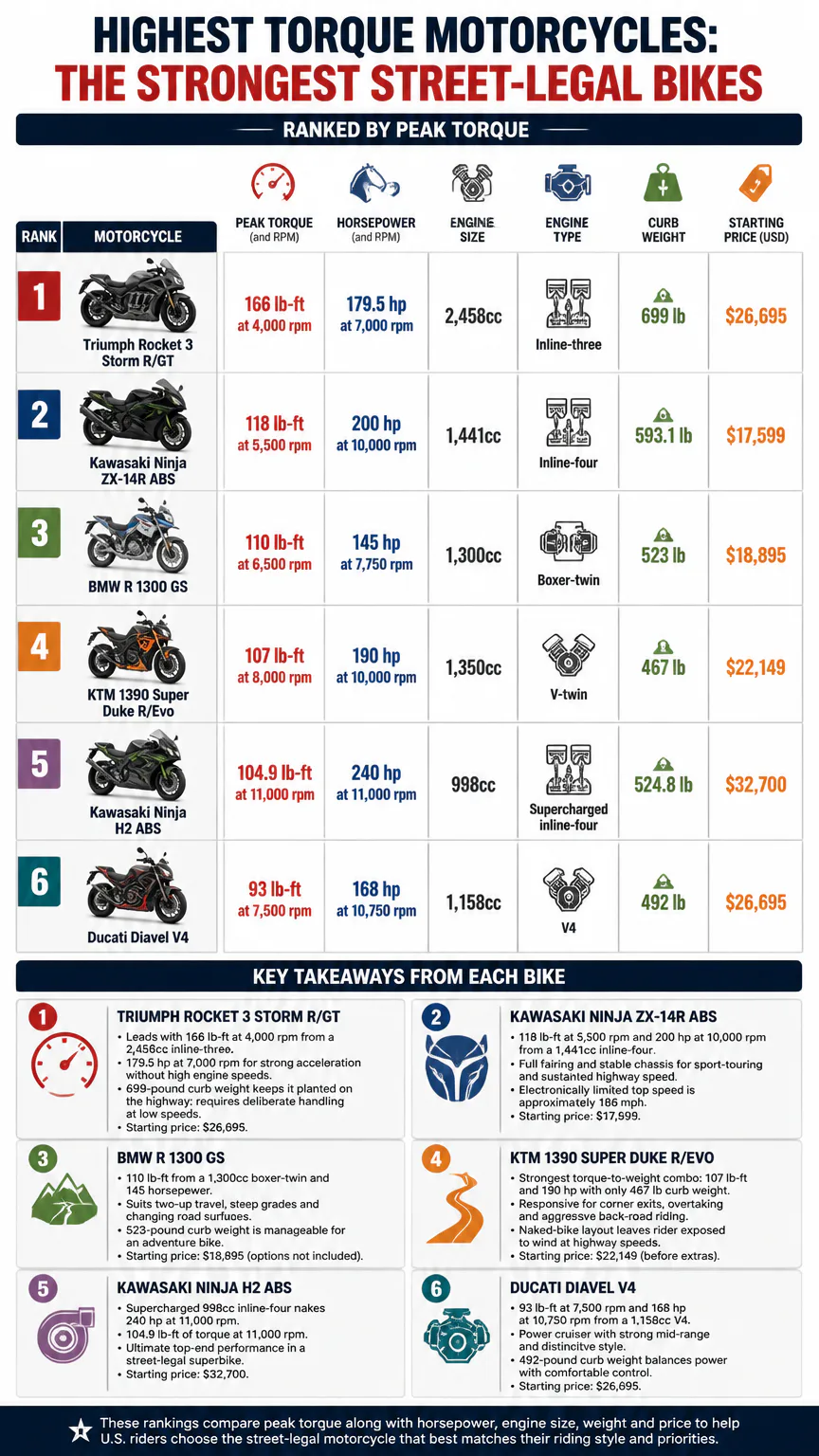
Highest-Torque Street-Legal Motorcycles
| Rank | Motorcycle | Peak torque | Horsepower | Engine size | Engine type | Curb weight | Starting price |
|---|---|---|---|---|---|---|---|
| 1 | Triumph Rocket 3 Storm R/GT | 166 lb-ft at 4,000 rpm | 179.5 hp at 7,000 rpm | 2,458cc | Inline-three | 699 lb | $26,695 |
| 2 | Kawasaki Ninja ZX-14R ABS | 116.5 lb-ft at 7,500 rpm | 200 hp at 10,000 rpm | 1,441cc | Inline-four | 593.1 lb | $17,599 |
| 3 | BMW R 1300 GS | 110 lb-ft at 6,500 rpm | 145 hp at 7,750 rpm | 1,300cc | Boxer-twin | 523 lb | $18,895 |
| 4 | KTM 1390 Super Duke R/Evo | 107 lb-ft at 8,000 rpm | 190 hp at 10,000 rpm | 1,350cc | V-twin | 467 lb | $22,149 |
| 5 | Kawasaki Ninja H2 ABS | 104.9 lb-ft at 11,000 rpm | 240 hp at 11,000 rpm | 998cc | Supercharged inline-four | 524.8 lb | $32,700 |
| 6 | Ducati Diavel V4 | 93 lb-ft at 7,500 rpm | 168 hp at 10,750 rpm | 1,158cc | V4 | 492 lb | $26,695 |
Triumph Rocket 3 Storm R/GT
The Triumph Rocket 3 Storm R/GT leads this group by a wide margin, with 166 lb-ft at 4,000 rpm from its 2,458cc inline-three. It also produces 179.5 horsepower at 7,000 rpm, giving the large cruiser strong acceleration without requiring high engine speeds.
Its 699-pound curb weight is the main compromise. The mass keeps the bike planted on the highway but calls for deliberate handling at low speeds and when parking. In practice, the Rocket’s advantage is low-rpm roll-ons and two-up highway work — not tight canyon pace. The Storm R has a more active roadster riding position, while the Storm GT uses a touring-oriented cockpit with passenger accommodations. Starting price is $26,695.
Kawasaki Ninja ZX-14R ABS
The Kawasaki Ninja ZX-14R ABS combines 116.5 lb-ft of torque at 7,500 rpm with 200 horsepower at 10,000 rpm from a 1,441cc inline-four. Its full fairing, large engine and stable chassis suit riders who want sport-touring performance and sustained highway speed without paying the price of a supercharged motorcycle.
The 593.1-pound curb weight is substantial, but the riding position and bodywork make long-distance travel easier than on a naked bike. Compared with the Rocket 3, it revs higher and feels more like a traditional hyperbike once the engine is spinning. Its electronically limited top speed is approximately 186 mph. With a $17,599 starting price, the ZX-14R ABS is also one of the less expensive motorcycles in this high-output group.
BMW R 1300 GS
The BMW R 1300 GS produces 110 lb-ft from a 1,300cc boxer-twin and 145 horsepower. Its torque delivery suits two-up travel, steep grades and changing road surfaces, while the 523-pound curb weight remains manageable for an adventure motorcycle of this size.
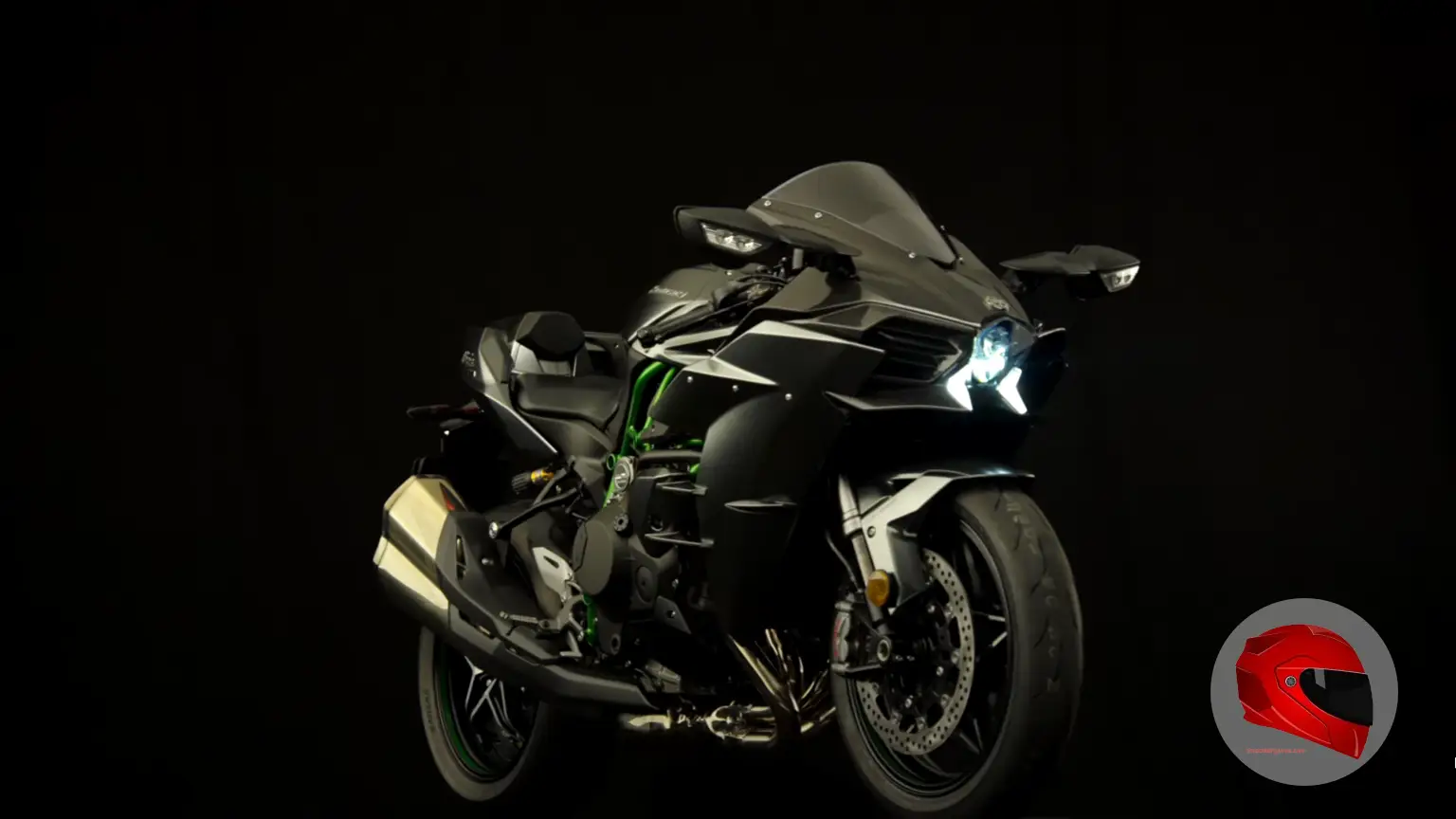
The GS is aimed at riders who want long-distance range, upright ergonomics and the option to leave paved roads. Its torque arrives in a broad, usable band that suits luggage and two-up grades more than peak-number chasing. Its $18,895 starting price does not include every equipment package, so options can raise the final cost substantially. Compared with the ZX-14R and Ninja H2, it places less emphasis on maximum straight-line speed.
KTM 1390 Super Duke R/Evo
The KTM 1390 Super Duke R/Evo has the strongest torque-to-weight combination in this group. Its 1,350cc V-twin produces approximately 107 lb-ft and 190 horsepower, while the 467-pound curb weight gives the motorcycle a notably high amount of output for its mass.
That combination makes the Super Duke responsive during corner exits, overtaking and aggressive back-road riding. On a 40–70 mph roll-on, it often feels more urgent than higher-torque cruisers because less mass has to be accelerated. The naked-bike layout leaves the rider exposed to wind at highway speeds, and the firm, performance-focused chassis is less comfortable for relaxed touring than the BMW. Starting price is $22,149 before equipment and ownership costs.
Kawasaki Ninja H2 ABS
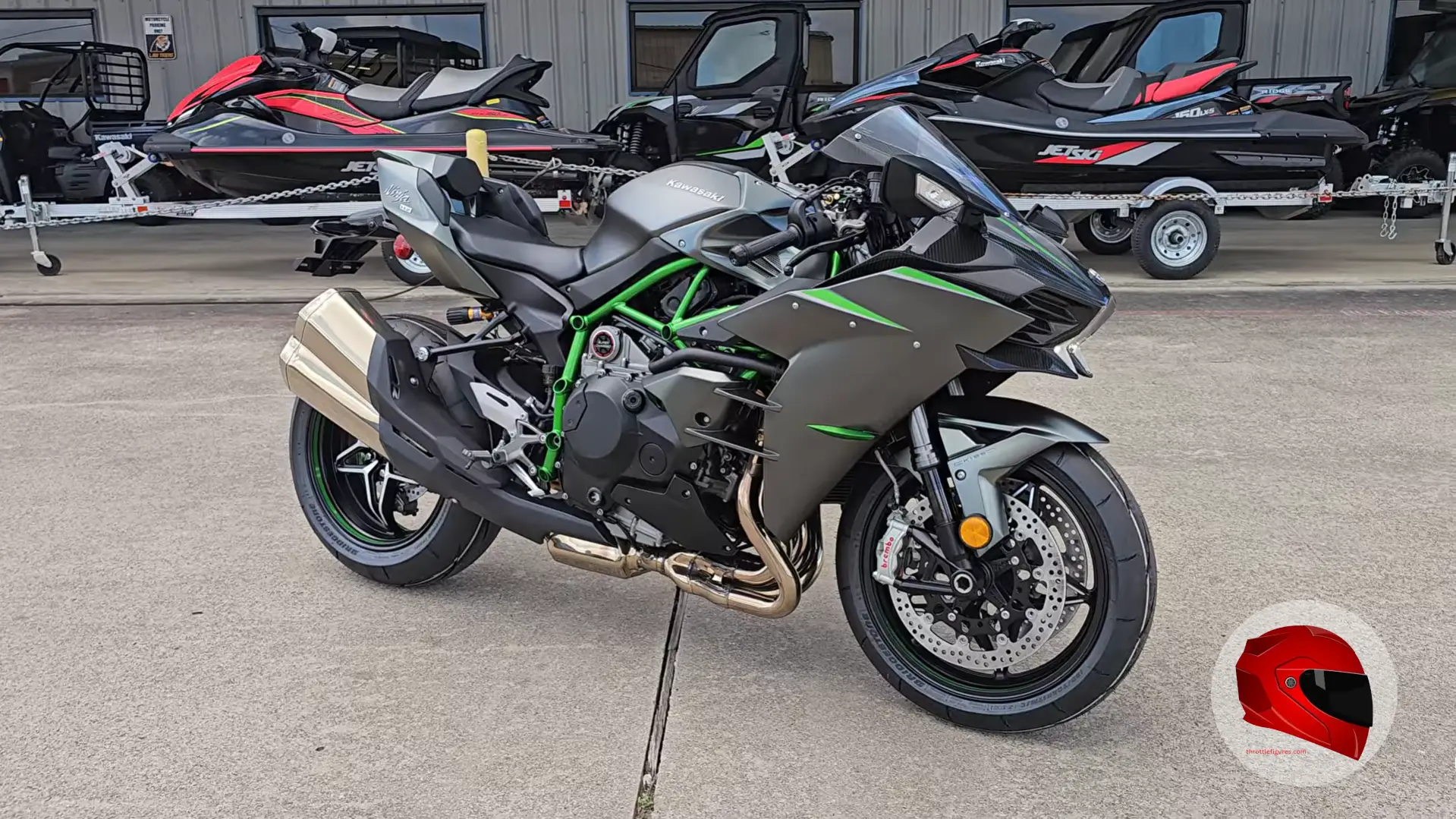
The Kawasaki Ninja H2 ABS uses a supercharged 998cc inline-four to produce 240 horsepower at 11,000 rpm and 104.9 lb-ft of torque at the same engine speed. Its torque figure is below the Rocket 3 and ZX-14R, but its horsepower output is the highest in this comparison. Supercharging gives the engine strong acceleration across the rev range.
At $32,700, the Ninja H2 ABS is the most expensive motorcycle listed here. Ranked by peak torque it sits mid-pack, but by horsepower and high-speed acceleration it leads — a reminder that torque tables alone mis-rank supercharged bikes. Its performance demands an experienced rider and careful use of a fully faired, high-power sport platform. The track-only Ninja H2R is a different motorcycle and is not street-legal; its approximately 322 horsepower and 121.5 lb-ft of torque do not belong in this street-bike ranking.
Ducati Diavel V4
The Ducati Diavel V4 produces 93 lb-ft at 7,500 rpm and 168 horsepower at 10,750 rpm from its 1,158cc V4. It has the lowest peak-torque figure in this group, but its 492-pound curb weight and compact chassis give it a quicker, more responsive character than the heavier Rocket 3.
The Diavel suits riders who want muscular styling, strong acceleration and sport-bike handling in a low-slung package. Versus the Rocket 3, it trades absolute torque for a lighter, sharper chassis; versus the Panigale, it trades top-end fury for easier road thrust. Its $26,695 starting price is close to the Rocket 3, while the V4 delivers a higher-revving feel, different sound and different power delivery. Passenger comfort and wind protection are limited compared with a dedicated touring motorcycle.
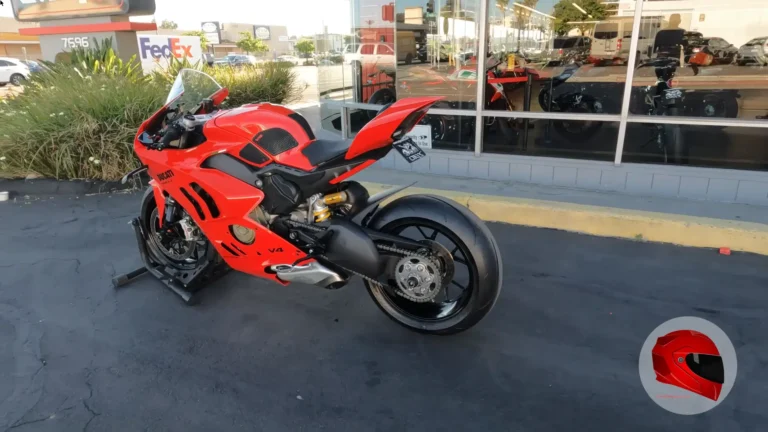
The Diavel V4 delivers strong low- and mid-range thrust while retaining a sporting feel, but its riding position and power delivery are very different from a dedicated superbike. Compared with the Ducati Panigale V4, it suits riders who want effortless acceleration on the road rather than a sharper, high-revving experience.
Requirements and context
The United States has no federal horsepower or torque cap for street-legal motorcycles. For this high-torque group, the practical constraints are insurance cost, tire speed/load ratings, and whether the exact US-market configuration carries the correct EPA/CARB labels.
- Insurance: Quote the exact VIN and trim. Rocket 3, Super Duke and H2 models can land in higher performance brackets than their seat heights suggest.
- Tires: Confirm speed and load ratings match sustained highway use, especially on the ZX-14R and H2.
- Emissions labels: New US-market bikes need EPA compliance; California and some other states also follow CARB rules.
- State registration: A state DMV or BMV handles titling, registration, plates, inspections where required and proof of insurance.
- Imports / track models: Gray-market bikes and track-only machines (such as the H2R) often fail ordinary street registration — resolve labels and title eligibility before paying.
Always match the VIN, title history and compliance label to the state where the motorcycle will be registered before depositing money.
How to compare torque in practice
Approximate torque-to-weight (claimed peak torque ÷ curb weight)
| Motorcycle | Peak torque | Curb wt | lb-ft/lb | Typical feel |
|---|---|---|---|---|
| KTM 1390 Super Duke | 107 | 467 | 0.229 | Sharpest mid-gear roll-ons |
| Triumph Rocket 3 Storm | 166 | 699 | 0.237 | Huge low-rpm thrust |
| BMW R 1300 GS | 110 | 523 | 0.210 | Broad pull with luggage |
| Kawasaki Ninja H2 | 104.9 | 524.8 | 0.200 | Builds hard with rpm/boost |
| Kawasaki ZX-14R | 116.5 | 593.1 | 0.196 | Strong once spinning |
| Ducati Diavel V4 | 93 | 492 | 0.189 | Quick chassis, higher-rev V4 |
Ratios use claimed peak torque and curb weight only. On that crude math the Rocket 3 still leads, but the KTM usually feels more urgent in corners because of chassis geometry, throttle response and lower mass — confirm with 40–70 mph roll-ons on a test ride.
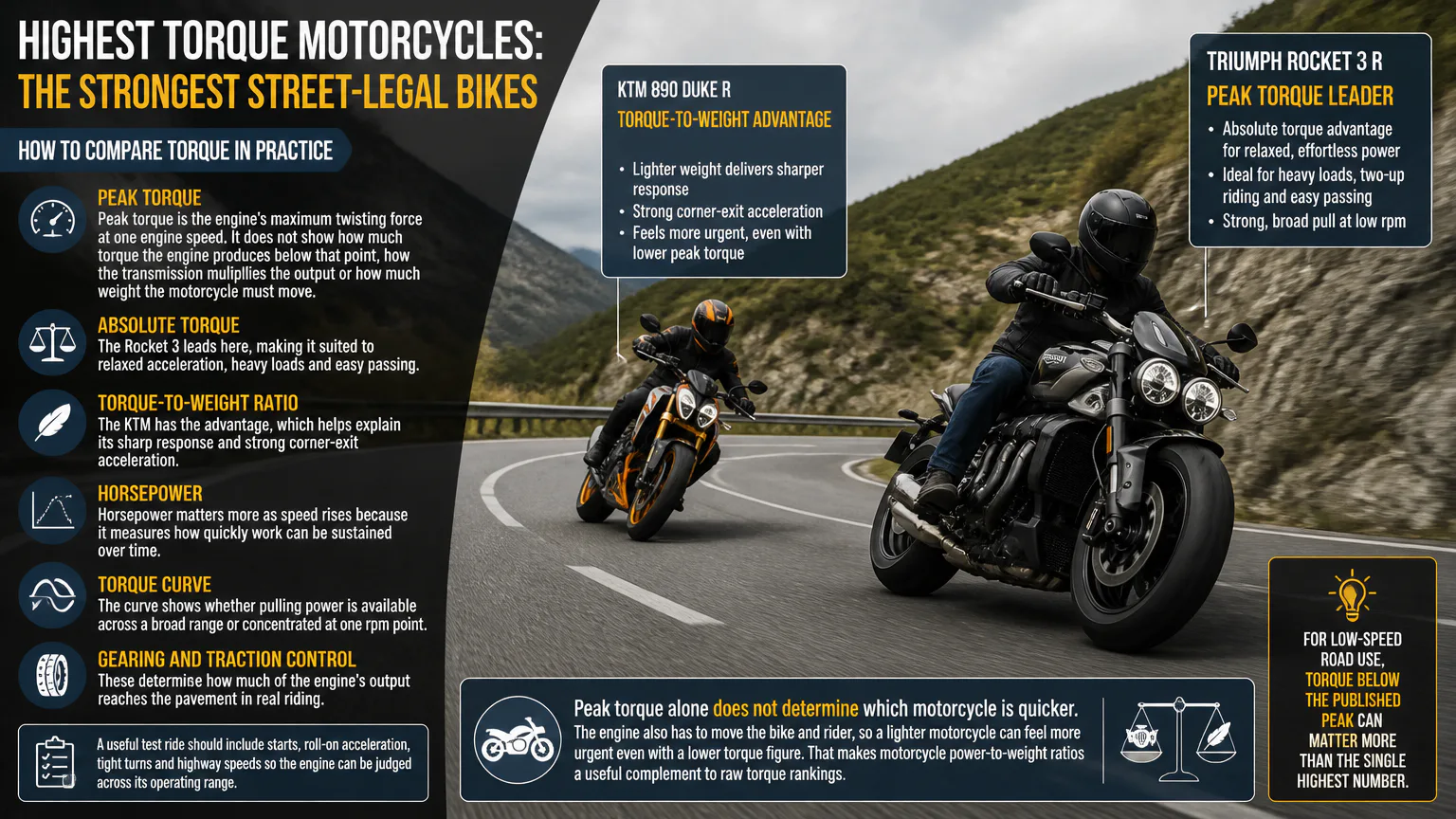
Peak torque is the engine’s maximum twisting force at one engine speed. It does not show how much torque the engine produces below that point, how the transmission multiplies the output or how much weight the motorcycle must move. A large cruiser can lead a peak-torque ranking while a lighter naked bike feels quicker in corners.
- Absolute torque: The Rocket 3 leads here, making it suited to relaxed acceleration, heavy loads and easy passing.
- Torque-to-weight ratio: The KTM has the advantage, which helps explain its sharp response and strong corner-exit acceleration.
- Horsepower: Horsepower matters more as speed rises because it measures how quickly work can be sustained over time.
- Torque curve: The curve shows whether pulling power is available across a broad range or concentrated at one rpm point.
- Gearing and traction control: These determine how much of the engine’s output reaches the pavement in real riding.
For low-speed road use, torque below the published peak can matter more than the single highest number. A useful test ride should include starts, roll-on acceleration, tight turns and highway speeds so the engine can be judged across its operating range.
Peak torque alone does not determine which motorcycle is quicker. The engine also has to move the bike and rider, so a lighter motorcycle can feel more urgent even with a lower torque figure. That makes motorcycle power-to-weight ratios a useful complement to raw torque rankings.
Choose by riding purpose
The Rocket 3 is the obvious choice for maximum published torque and relaxed highway thrust. The KTM suits riders who value low mass and aggressive handling, while the BMW is better matched to touring and mixed-surface travel. The Kawasaki models take different approaches: the ZX-14R focuses on high-speed sport touring, and the Ninja H2 focuses on supercharged horsepower.
- Maximum torque: Triumph Rocket 3 Storm R/GT
- Highest horsepower: Kawasaki Ninja H2 ABS
- Strongest torque-to-weight response: KTM 1390 Super Duke R/Evo
- Adventure travel: BMW R 1300 GS
- Sport touring and top-speed performance: Kawasaki Ninja ZX-14R ABS
- Sport-cruiser character: Ducati Diavel V4
Factor insurance, tires, fuel, scheduled service, riding gear, taxes, registration and financing into the budget. High-output motorcycles can also demand more restraint and skill than their upright ergonomics might suggest.
For straight-line performance, don’t judge a high-torque bike by its peak figure alone. Launch control, tire grip, gearing, rider technique and shift speed all affect how much of that torque becomes acceleration, so the fastest quarter-mile motorcycles are not always the bikes with the highest published torque.
Buying and registering a high-torque motorcycle
A dealer purchase usually makes title paperwork easier and confirms that the motorcycle was sold for U.S. road use. A private-party or imported purchase may cost less, but the buyer takes on more responsibility for liens, ownership documents, compliance labels and registration eligibility.
- Choose the motorcycle based on torque delivery, riding position, weight and intended roads.
- Confirm the vehicle identification number, model year, title status and emissions label.
- Get a written purchase agreement showing the motorcycle, price, mileage and seller information.
- Arrange financing, payment, insurance and transport before taking possession.
- Submit the title, bill of sale, proof of insurance and required fees to the state DMV or BMV.
- Complete a state inspection or safety check when the registration jurisdiction requires one.
- Install the plate and carry the required license, registration and insurance before riding.
Financing approval does not guarantee registration approval. Private imports, gray-market motorcycles and track-use conversions can run into title, emissions, equipment or identification problems. Resolve those issues before paying for the motorcycle or arranging transport.
FAQs
What is the most powerful street-legal motorcycle?
The Kawasaki Ninja H2 ABS is the most powerful motorcycle in this comparison, producing 240 horsepower at 11,000 rpm. Its supercharged 998cc inline-four emphasizes high-speed acceleration and horsepower rather than the Triumph Rocket 3’s higher peak-torque output.
Which bike is the torque king?
The Triumph Rocket 3 Storm R/GT is the torque leader among these street-legal motorcycles, producing 166 lb-ft at 4,000 rpm. Its large engine and heavy chassis give it a different character from lighter naked and sport motorcycles.
Is there a 1,000-horsepower motorcycle?
No mass-production street-legal motorcycle in this comparison approaches 1,000 horsepower. The Ninja H2 produces approximately 240 horsepower, while the much more powerful Ninja H2R is track-only and cannot be registered as an ordinary street motorcycle.
What is the best low-end torque motorcycle?
The Triumph Rocket 3 is the strongest choice for large-displacement, low-rpm pulling power because it produces 166 lb-ft with peak torque arriving at 4,000 rpm. The KTM 1390 Super Duke R/Evo is better when low weight and rapid throttle response matter as much as engine torque.
Conclusion
Choose the Triumph Rocket 3 Storm R/GT for the highest absolute torque, the KTM 1390 Super Duke R/Evo for the strongest torque-to-weight response, or the BMW R 1300 GS for long-distance versatility. Before buying, confirm state registration and emissions eligibility, then budget for the insurance and operating costs that come with this level of performance.

3 Comments
Comments are closed.