Fastest Accelerating Motorcycles: The Quickest Bikes Compared
Standing-start acceleration is a useful way to compare high-performance motorcycles, but published times are not laboratory constants. Launch control, rider technique, tire temperature, track surface, weather and altitude can shift a result by several tenths. For road riders, street legality, service access, insurance and controllable performance matter as much as the quickest recorded run.
Fastest accelerating motorcycles compared
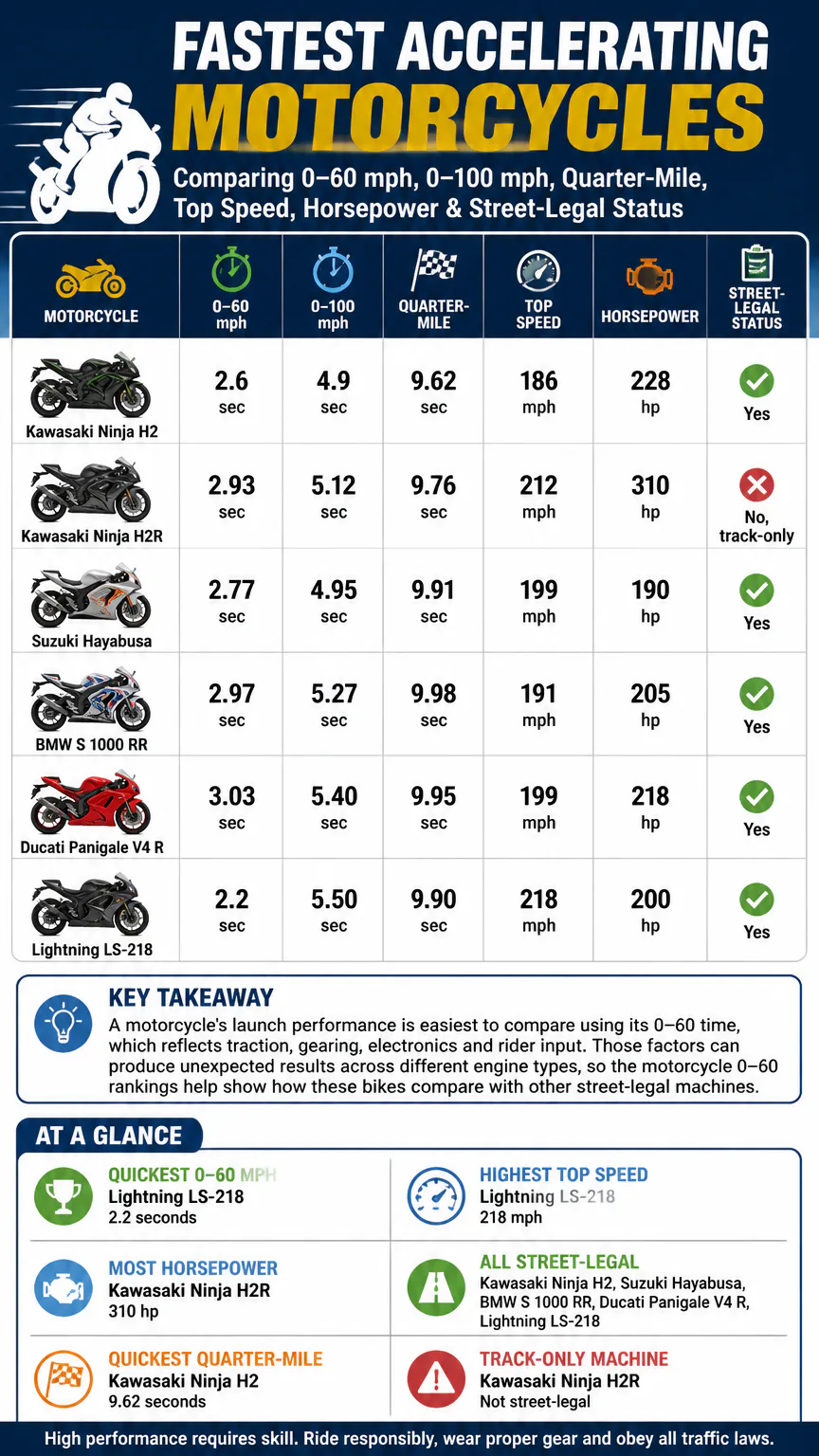
| Motorcycle | 0-60 mph | 0-100 mph | Quarter-mile | Top speed | Horsepower | Street-legal status |
|---|---|---|---|---|---|---|
| Kawasaki Ninja H2 | 2.6 sec | 4.9 sec | 9.62 sec | 186 mph | 228 hp | Yes |
| Kawasaki Ninja H2R | 2.93 sec | 5.12 sec | 9.76 sec | 212 mph | 310 hp | No, track-only |
| Suzuki Hayabusa | 2.77 sec | 4.95 sec | 9.91 sec | 199 mph | 190 hp | Yes |
| BMW S 1000 RR | 2.97 sec | 5.27 sec | 9.98 sec | 191 mph | 205 hp | Yes |
| Ducati Panigale V4 R | 3.03 sec | 5.40 sec | 9.95 sec | 199 mph | 218 hp | Yes |
| Lightning LS-218 | 2.2 sec | 5.50 sec | 9.90 sec | 218 mph | 200 hp | Yes |
A motorcycle’s launch performance is easiest to compare using its 0-60 time, which reflects traction, gearing, electronics and rider input. Those factors can produce unexpected results across different engine types, which is why the conditions behind each time matter as much as the number itself.
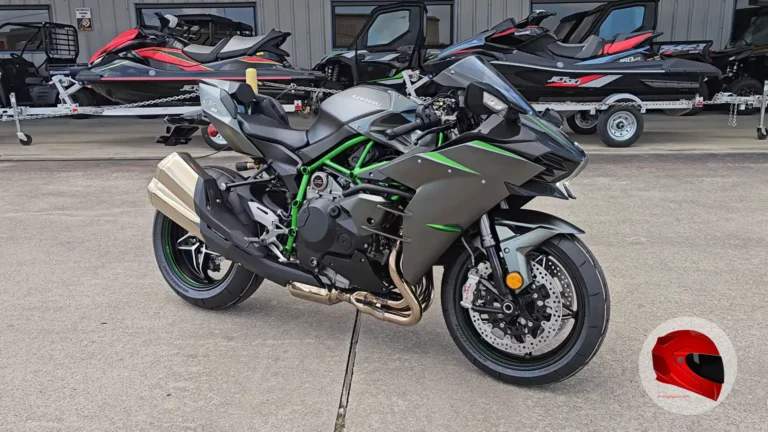
Kawasaki Ninja H2
The Kawasaki Ninja H2 is the strongest all-around option for riders who want supercharged acceleration in a road-legal package. Its supercharged inline-four produces 228 horsepower, with a 0-60 mph time of 2.6 seconds and a 9.62-second quarter-mile result.
The H2 also demands careful ownership. Its power delivery requires precise throttle control, while replacement tires and brake components are expensive. Annual insurance for motorcycles in this class can reach $1,500-$4,000 or more. It suits an experienced rider who wants exceptional straight-line performance without giving up registration and road equipment.
Kawasaki Ninja H2R
The Kawasaki Ninja H2R is a track-only hyperbike built for closed-course speed. It reaches 0-60 mph in 2.93 seconds, 0-100 mph in 5.12 seconds, completes the quarter-mile in 9.76 seconds and has a 212 mph top speed.
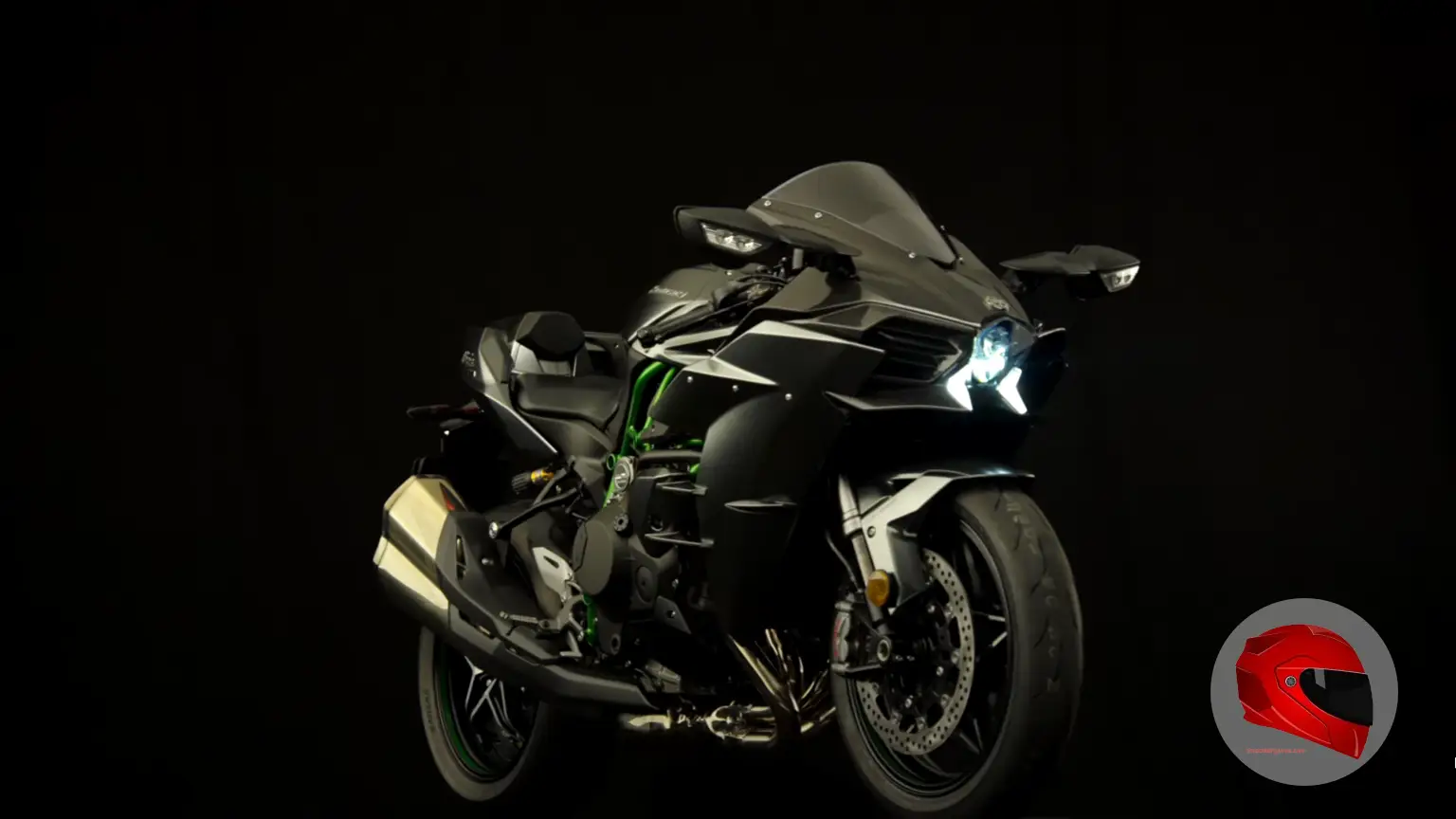
The H2R is not a practical street motorcycle because it lacks the equipment and legal configuration required for public roads. Owners also need a suitable track, transport, storage and specialized maintenance, along with a much higher tolerance for operating costs. Its purpose is specific: maximum performance during controlled track sessions.
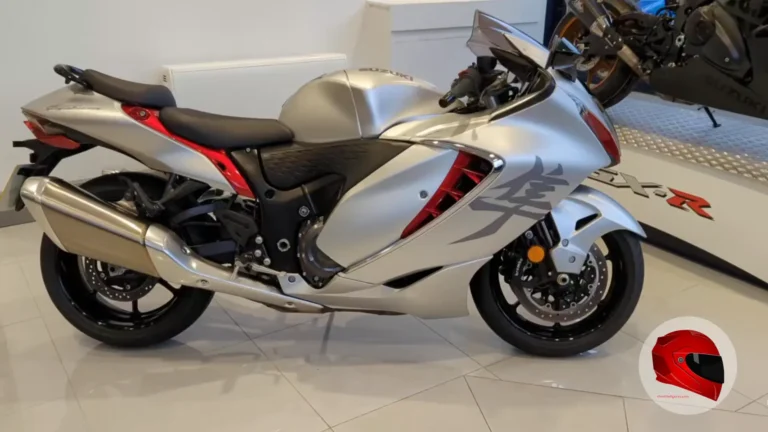
Suzuki Hayabusa
The Suzuki Hayabusa uses a 1,340cc inline-four to deliver strong acceleration with a more substantial, stable feel than a lightweight supersport. It reaches 60 mph in 2.77 seconds, runs 0-100 mph in 4.95 seconds and completes the quarter-mile in 9.91 seconds.
A 199 mph top-speed figure puts the Hayabusa firmly in hyperbike territory. Its riding position and larger engine also make it better suited to high-speed touring than a dedicated track machine. Electronic rider aids help manage the power, but they do not replace advanced training or careful speed selection on public roads.
BMW S 1000 RR
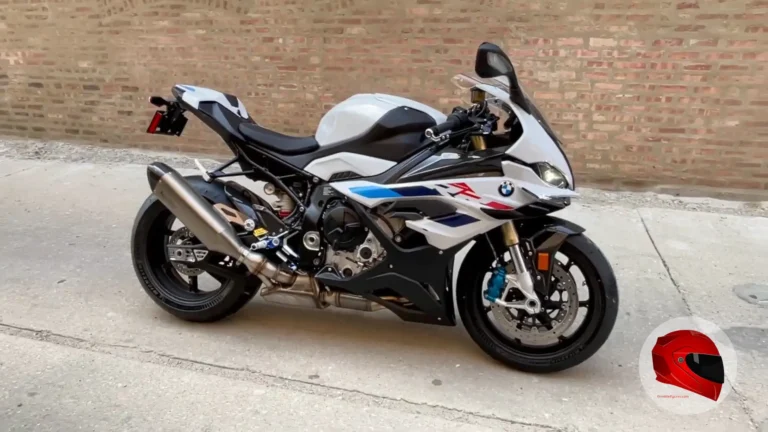
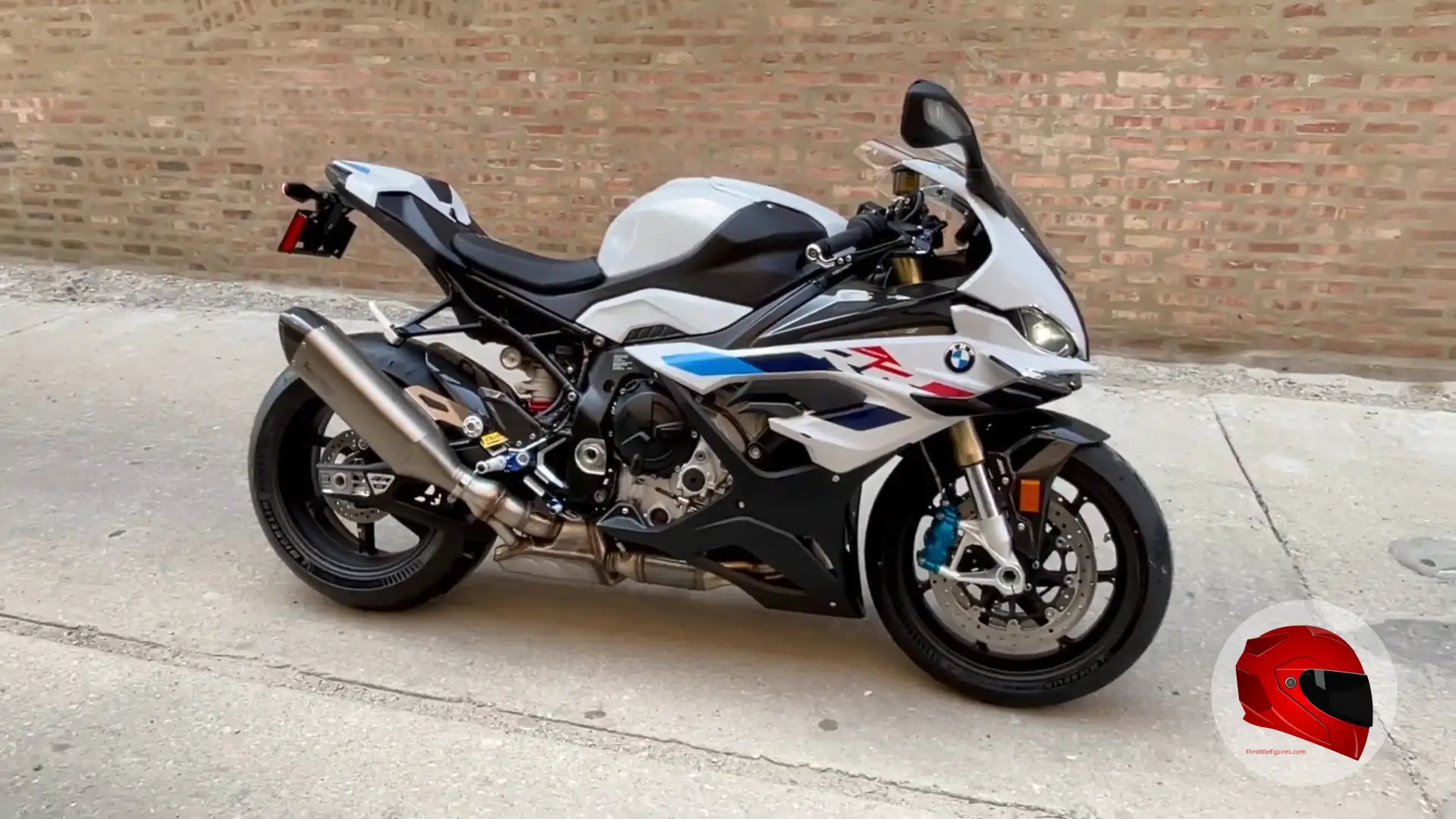
The BMW S 1000 RR is a road-legal literbike with a 999cc engine, ShiftCam variable valve timing and launch-focused electronics. It reaches 60 mph in 2.97 seconds, 100 mph in 5.27 seconds and the quarter-mile in 9.98 seconds, with a 191 mph top speed.
This BMW suits riders who value precise chassis behavior, electronic support and track-day capability alongside straight-line speed. Its literbike dimensions make it easier to place in corners than a large hyperbike, but the riding position remains demanding and performance-oriented. Maintenance, premium tires and insurance are also significant ownership costs.
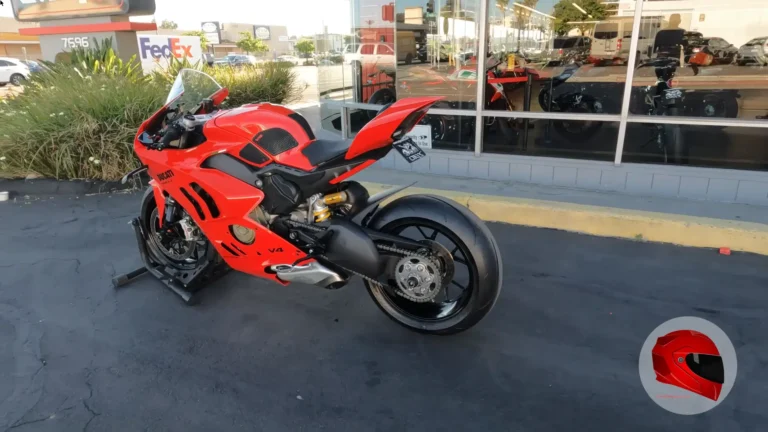
Ducati Panigale V4 R
The Ducati Panigale V4 R is a road-legal superbike with a competition-oriented character. It records 0-60 mph in 3.03 seconds and a 9.95-second quarter-mile, while its top speed reaches 199 mph. Those figures put it close to the fastest motorcycles here, although its main strength is track performance across an entire lap.
The V4 R makes the most sense for an experienced rider who wants exotic chassis hardware, aggressive ergonomics and a circuit-focused machine. Limited comfort, high purchase and running costs and a demanding riding position make it a poor fit for routine commuting. Road legality does not make its performance appropriate for unrestricted road testing.
Lightning LS-218
The Lightning LS-218 is the electric outlier in this comparison. Its 200-horsepower motor produces a claimed 0-60 mph time of 2.2 seconds and a 218 mph top speed, giving it the quickest listed launch and the highest listed maximum speed.
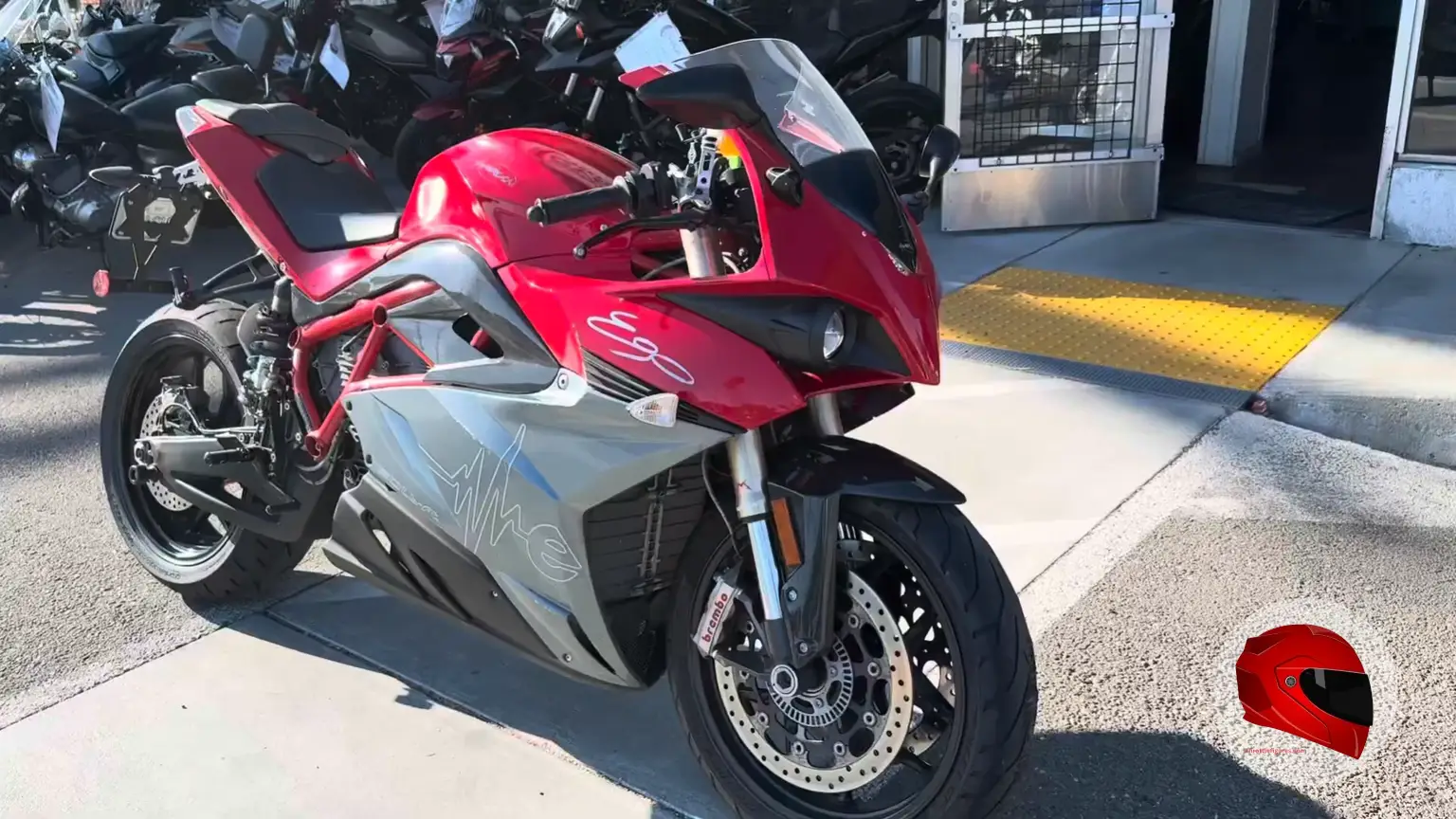
Electric power delivers immediate motor response, but ownership also involves charging access, battery management, high-speed range and specialist service availability. The LS-218 suits a buyer comfortable with a limited-production electric motorcycle and an operating routine that differs from gasoline-powered superbikes.
Requirements and context
Every motorcycle used on public roads in the United States must meet the equipment and registration rules of its state. A road-legal performance motorcycle needs functioning headlights, brake lights, turn signals, mirrors, a horn, DOT-approved tires, fenders and compliant exhaust equipment. Track-only motorcycles such as the Ninja H2R do not become street legal simply by adding ordinary accessories.
Training is a practical prerequisite, but it does not replace legal compliance. The Motorcycle Safety Foundation offers rider education covering braking, cornering, hazard recognition and control skills. A state motorcycle endorsement is still required for lawful riding.
- Hold the required motorcycle endorsement for your state.
- Confirm that the motorcycle has a valid title and vehicle identification number.
- Check that its equipment configuration matches registration requirements.
- Use a closed course for acceleration testing and high-speed riding.
- Wear a certified helmet, armored riding gear, gloves and over-the-ankle boots.
Engine horsepower alone does not determine how hard a motorcycle accelerates. Total weight matters too, since a heavier bike needs more power to reach the same speed. The motorcycle power-to-weight ratio combines these factors and explains why a lighter motorcycle can challenge a more powerful rival when traction and gearing are broadly similar.
How to interpret acceleration times
A 0-60 mph result focuses on the launch, traction, wheelie control and rider reaction. A 0-100 mph result reveals more of the engine’s power after the initial launch. The quarter-mile combines launch execution, shifting, traction, aerodynamics and top-end power.
Test conditions explain why two credible figures can differ. Rider skill, launch technique, tire choice, surface preparation, temperature, weather, altitude, measurement equipment and motorcycle setup all affect the stopwatch. Treat the listed numbers as performance benchmarks, not guarantees for every owner.
- Launch technique: Clutch release, throttle application and front-wheel lift all affect the start.
- Traction: Tire temperature, pavement grip, suspension setup and surface preparation determine how much power reaches the ground.
- Environment: Heat, air density, wind and altitude change engine and tire performance.
- Equipment: Timing devices and testing procedures can produce different measurements.
A quick 0-60 time does not always mean the fastest quarter-mile run. At higher speeds, horsepower, aerodynamics, gear changes and sustained traction matter more, making the fastest quarter-mile motorcycles a useful measure of how well a bike keeps accelerating after launch.
Buying and ownership costs
New literbikes and supercharged motorcycles commonly cost $18,000-$33,000 or more before taxes, registration, freight, accessories and financing. Limited-production models and track-focused versions can exceed that range substantially. A dealer purchase generally provides clearer title documentation, manufacturer-backed service and financing options tied to the motorcycle’s new or certified status.
Before buying a used performance bike, inspect the title, service records, recall completion, cold-start behavior, tire date codes, brake wear, chain and sprocket condition and any evidence of track damage. A private sale may reduce the purchase price, but the buyer takes on more responsibility for mechanical verification, lien checks, transport and registration paperwork.
For a new Kawasaki, the Kawasaki Dealer Locator is the appropriate way to find nearby authorized dealers, showroom stock and Ninja H2 availability. Model-year allocation, destination charges and dealer pricing vary by location, so the final transaction cost will not match the advertised base price.
Which motorcycle fits the job?
Choose based on where you will ride and how much experience you have managing high power. The Lightning LS-218 has the quickest listed 0-60 mph time, while the Ninja H2 offers the most direct route to supercharged performance with public-road equipment. The H2R belongs on a track. The BMW and Ducati suit riders who want sharper, circuit-oriented platforms.
- Fastest listed launch: Lightning LS-218.
- Best road-legal supercharged choice: Kawasaki Ninja H2.
- Best high-speed touring platform: Suzuki Hayabusa.
- Best literbike track balance: BMW S 1000 RR.
- Best dedicated track purchase: Kawasaki Ninja H2R.
FAQs
Which motorcycle has the fastest acceleration?
The Lightning LS-218 has the quickest listed 0-60 mph time at 2.2 seconds. The Kawasaki Ninja H2, Suzuki Hayabusa, BMW S 1000 RR, Ducati Panigale V4 R and Kawasaki Ninja H2R can also record sub-three-second 0-60 mph runs under suitable conditions.
Can a 125cc motorcycle go 100 mph?
Most 125cc motorcycles cannot reach 100 mph. A highly modified or specialized 125cc machine may produce an unusual result, but standard 125cc road motorcycles are built for lower speeds and have far less power than the motorcycles in this comparison.
What motorcycle can hit 300 mph?
No production motorcycle in this comparison is rated for 300 mph. A 300 mph claim generally refers to a heavily modified streamliner, a land-speed record machine or a non-production engineering project rather than a street-legal motorcycle available for ordinary purchase.
What street-legal motorcycle can go 200 mph?
The Suzuki Hayabusa and Ducati Panigale V4 R are listed at 199 mph, while the Lightning LS-218 is listed at 218 mph. These figures do not make public roads a legal or safe place to attempt those speeds.
Conclusion
Among the fastest accelerating motorcycles, straight-line figures are only part of the decision.
For a road-legal buyer, the Kawasaki Ninja H2 is the clearest supercharged performance choice. The Lightning LS-218 leads the listed 0-60 figures, while the Kawasaki Ninja H2R is reserved for track use. Test conditions, ownership costs, training requirements and legal equipment all affect which motorcycle makes the better purchase.