
CBR600RR vs Yamaha YZF-R6: Street, Track & Buying Guide
The Honda CBR600RR and Yamaha YZF-R6 use the same 599cc inline-four formula, but they suit different priorities. The Honda delivers stronger usable midrange power and a friendlier road setup. The Yamaha feels lighter, revs harder and gives sharper front-end feedback on track. Model year is important because US street production of the R6 ended after 2020.
CBR600RR and YZF-R6 Specs
| Specification | Honda CBR600RR | Yamaha YZF-R6 |
|---|---|---|
| Engine displacement | 599cc | 599cc |
| Engine configuration | Liquid-cooled DOHC inline-four, 16 valves | Liquid-cooled DOHC inline-four, 16 valves |
| Power | 119–121 hp | 117–118.4 hp |
| Torque | 63–66 Nm | 61.7–62 Nm |
| Bore × stroke | 67.0 × 42.5 mm | 67.0 × 42.5 mm |
| Compression ratio | 12.2:1 | 13.1:1 |
| Transmission | 6-speed manual | 6-speed constant-mesh |
| Wet or curb weight | 425–427 lb | 408–419 lb |
| Seat height | 32.3 in | 33.5 in |
| Fuel capacity | 4.8 gal | 4.5 gal |
| Top speed | 155–161 mph | 158–160 mph |
| Front suspension | 41mm inverted fork | 43mm inverted fork |
| Rear suspension | Adjustable monoshock | Adjustable single shock |
| Front and rear tires | 120/70ZR17; 180/55ZR17 | 120/70ZR17; 180/55ZR17 |
| US street status | Current street-legal model | Production ended after 2020; used only |
| US base price | $11,499 non-ABS; $12,499 ABS | No current US MSRP; used-market pricing |
These figures cover different model years and markets, so equipment and measured output may vary. The shared bore, stroke, displacement and tire sizes make the two motorcycles close mechanical rivals. Weight, seat height, electronics and engine tuning create the more noticeable differences in daily use.
Peak horsepower alone does not determine which supersport is faster. Gearing, aerodynamics, rider tuck and launch technique all affect acceleration and top speed, so the CBR600RR and R6 should be compared with other middleweight sport bikes as well. Comparing the fastest 600cc motorcycles shows how they stack up in acceleration, top speed and track performance.
How Their Engines Deliver Power
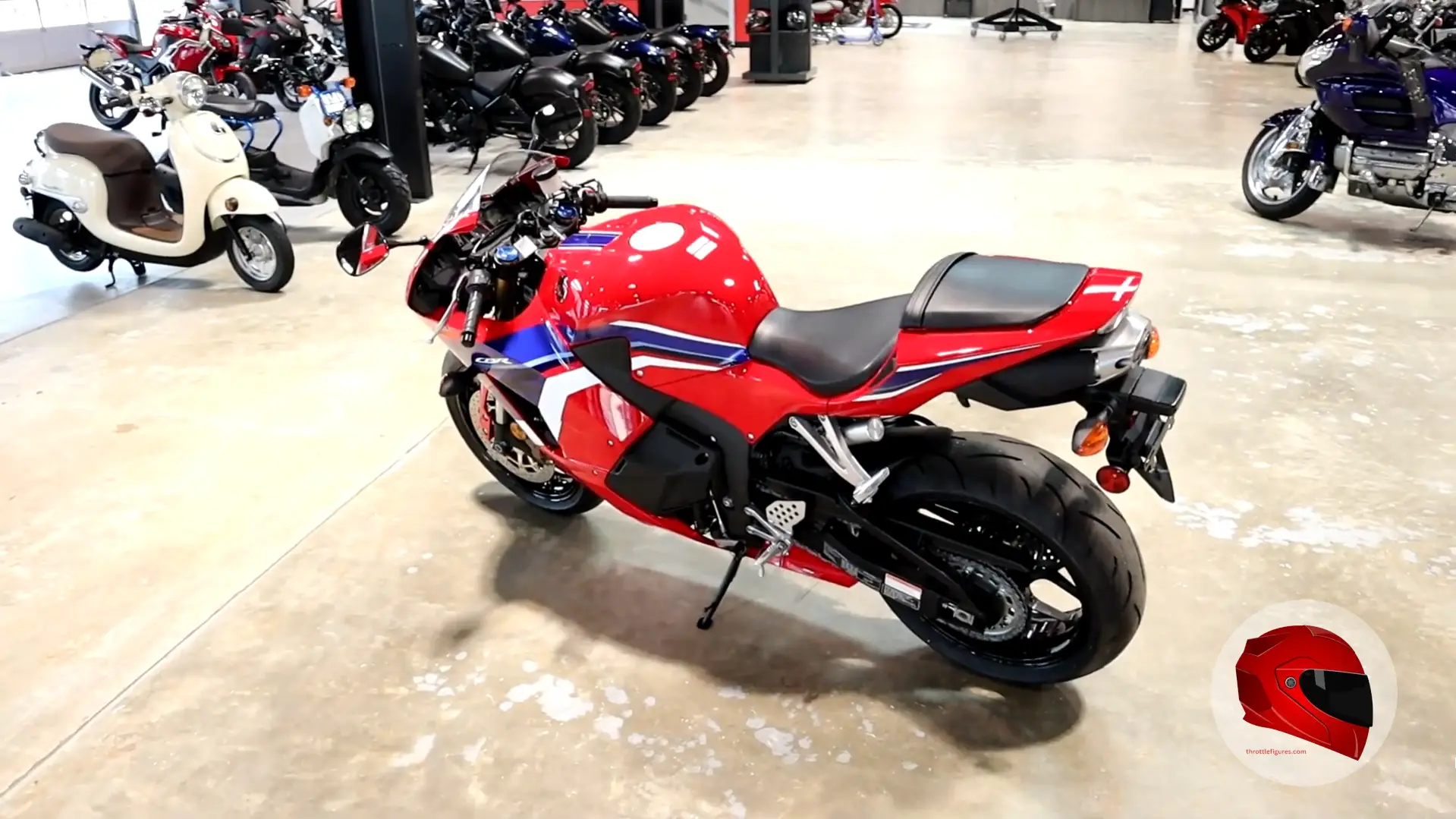
The CBR600RR has the higher published output range, at 119-121 hp and 63-66 Nm versus 117-118.4 hp and 61.7-62 Nm for the YZF-R6. That modest advantage helps the Honda drive out of slower corners and reduces the need for constant downshifts on the road.
The YZF-R6 uses a higher 13.1:1 compression ratio and a more aggressive high-rpm character. Its peak output is close to the Honda’s, but it feels less rewarding below its intended operating range. On a circuit with fast corners and long sections near redline, that character becomes useful because the engine stays in its strongest zone.
Neither motorcycle is a relaxed beginner bike. Both have sharp throttle response, strong brakes, high-revving inline-four engines and riding positions that put substantial weight on the wrists. The Honda’s smoother delivery is easier to manage on public roads, while the Yamaha demands more gearbox work and momentum.
Which Bike Handles Better on Track?
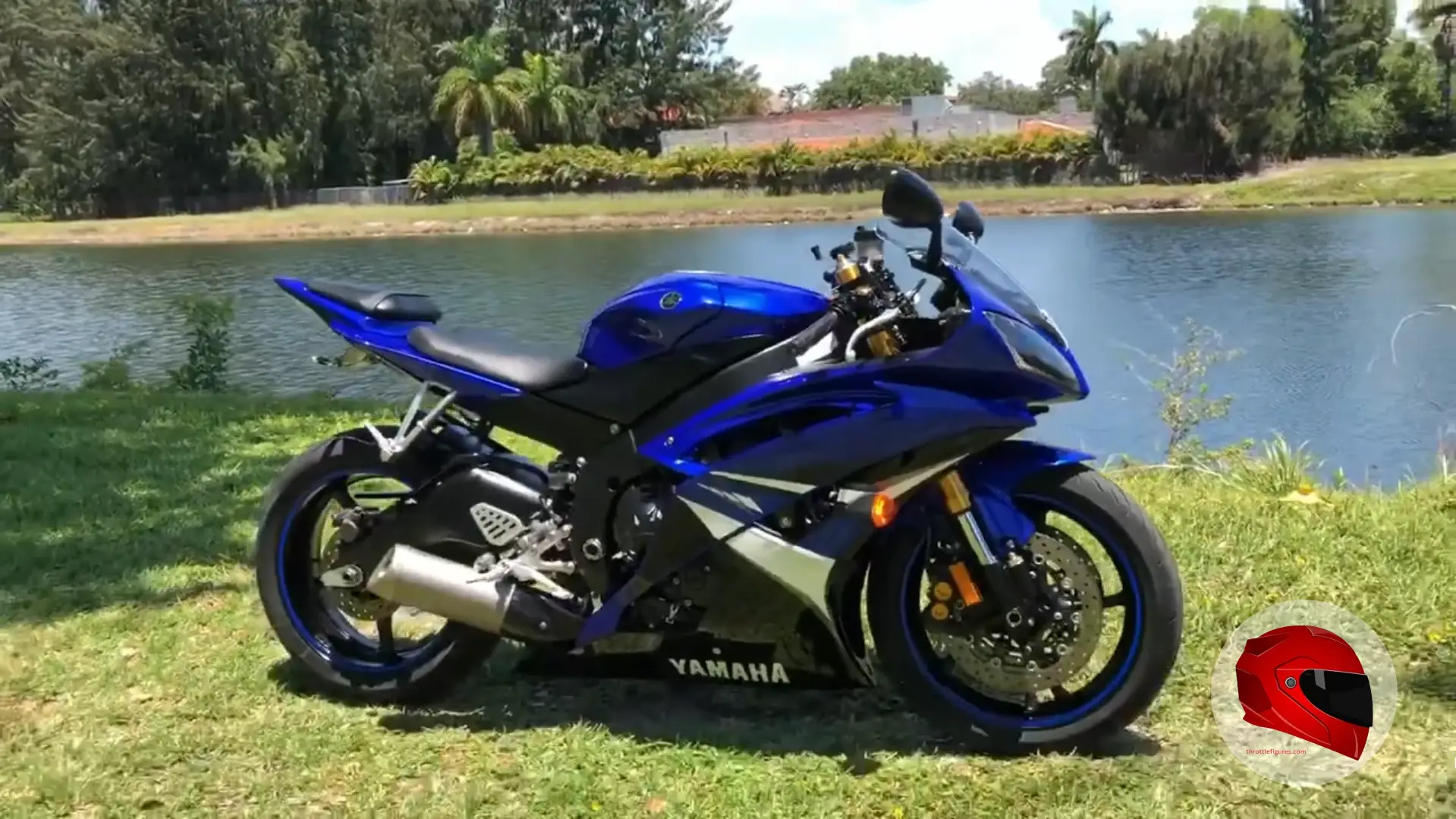
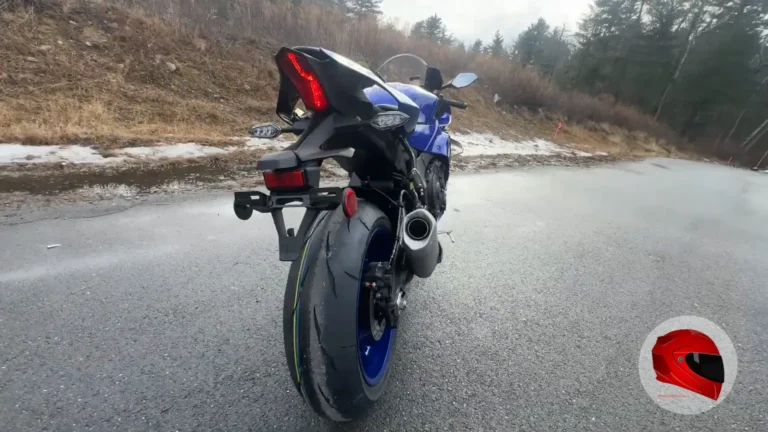
The R6 has the more focused track chassis. Its steering is quick, the front-end feedback is clear, and its riding position gives experienced riders a strong connection to the front tire under braking and turn-in. That precision suits circuits such as Laguna Seca, where confidence through fast direction changes and the Corkscrew matters more than low-speed comfort.
The CBR600RR counters with strong corner-exit drive and a balanced response. Its extra midrange torque helps the bike accelerate out of slower bends without requiring as much rev management. Both motorcycles have adjustable suspension, but spring rates, sag, tires, setup condition and rider technique affect performance more than the model badge alone.
Lap times are close rather than one-sided. The CBR600RR was 0.08 seconds faster than the R6 at Streets of Willow Springs, showing how the Honda’s acceleration and balance can offset the Yamaha’s sharper steering. With comparable track tires, such as Pirelli Diablo Supercorsa V3 or V4 tires, suspension setup and rider skill will usually determine which bike reaches its potential.
The R6 also has a deep racing ecosystem. Its continued use in MotoAmerica Supersport competition supports broad availability of race parts, setup knowledge, bodywork and used track conversions. The Honda remains highly capable, but the Yamaha is often easier to develop when the motorcycle’s main role is club racing.
Which One Works Better on the Street?
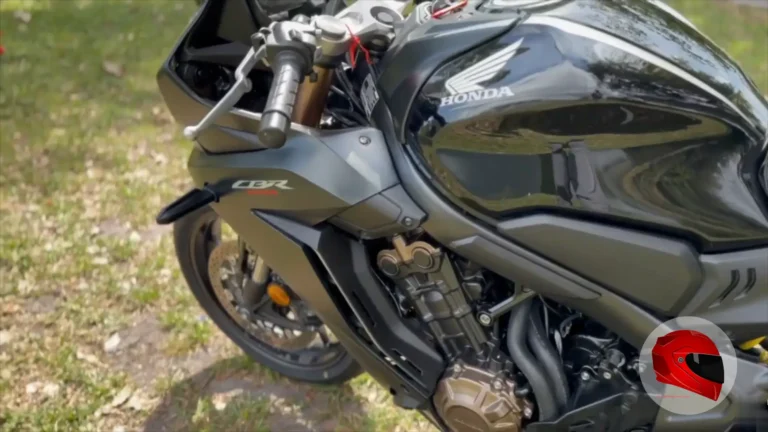
The CBR600RR is the better street motorcycle for most riders choosing between these two. Its 32.3-inch seat is lower than the R6’s 33.5-inch seat, its power delivery is more linear, and its ergonomics are less aggressive. Its 4.8-gallon tank also gives it a small range advantage over the Yamaha’s 4.5-gallon tank.
The R6 remains street-capable as a used motorcycle, but its low-rpm response and crouched riding position require more patience in traffic. The tall seat can make stops less comfortable for shorter riders, while the forward-set controls put more pressure on the wrists during commuting. Wind protection works well at speed, but neither bike offers touring-level comfort or storage.
Used-bike condition matters because most R6 examples available in the United States are now older than the current CBR600RR. Inspect fork seals, steering-head bearings, chain and sprockets, brake rotors, cooling-system condition, crash damage and signs of track use. A well-maintained R6 can be an excellent road bike, but service history matters more than a low odometer reading.
Electronics and Equipment Differences
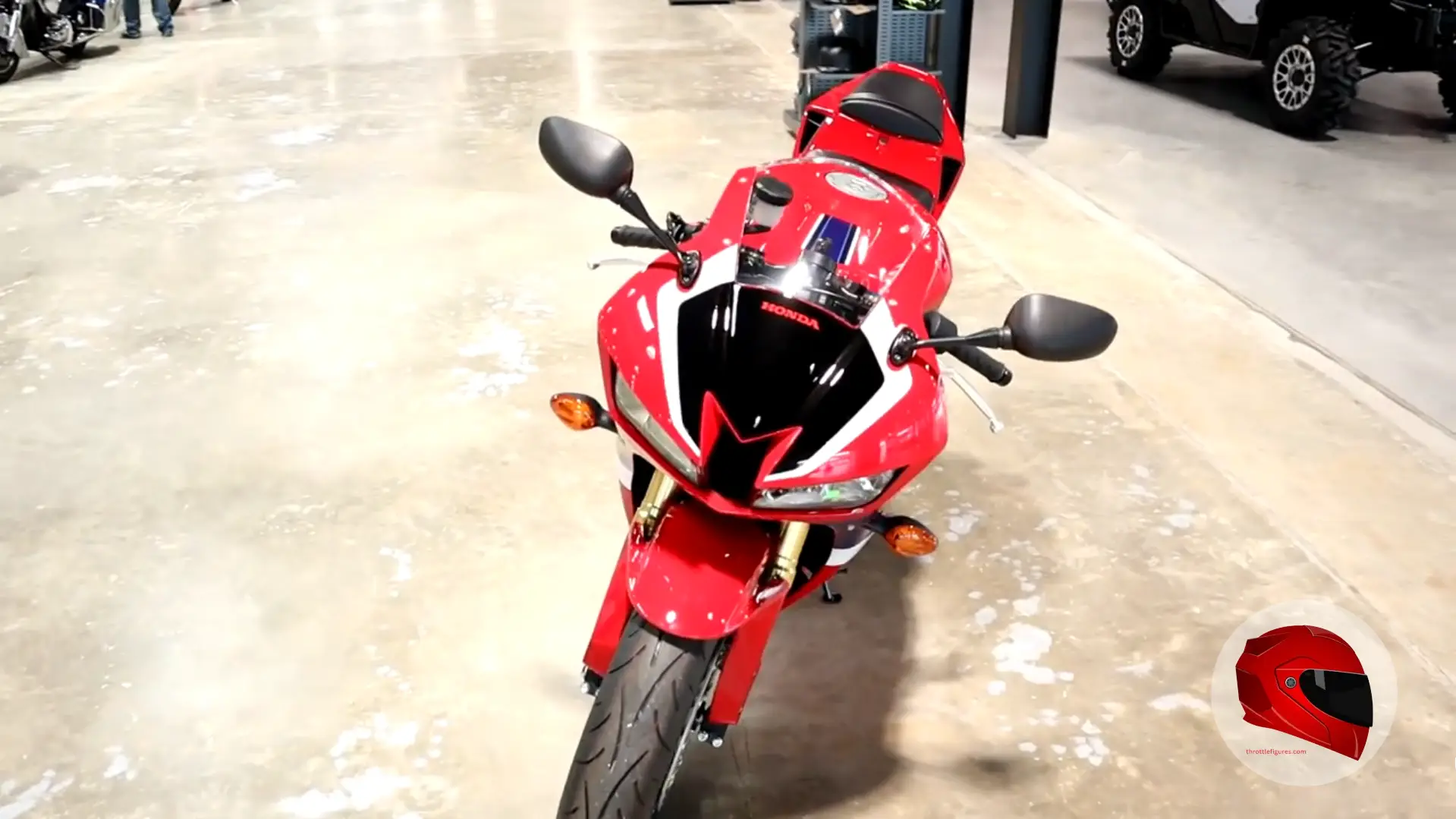
Equipment varies substantially by generation, particularly when comparing a newer CBR600RR with an older street R6. Applicable newer Honda models can include Honda Selectable Torque Control, an electronic traction-control system integrated with a six-axis IMU, selectable power modes and multiple engine-braking settings.
- Honda CBR600RR: Newer applicable models offer IMU-based rider aids, selectable torque control, power modes and adjustable engine braking.
- Yamaha YZF-R6: Later street models provide strong sportbike electronics, but the exact traction-control, ABS, quickshifter and riding-mode equipment depends on market and model year.
- ABS: The CBR600RR is available in a US ABS version; used R6 equipment depends on year and market.
- Quickshifter: Factory or accessory availability varies by generation and trim. Check the motorcycle’s stated equipment and service records before buying.
- Slipper clutch: Both model families can be found with slipper-clutch equipment, but the exact specification is year-dependent.
For road use, ABS and modern traction control matter more than a small difference in peak horsepower. Track riders often remove or replace street equipment, install race bodywork and tune the suspension before adding electronic upgrades. A dedicated Yamaha R6 RACE is track-only in relevant markets and is not a street-legal substitute for a used YZF-R6.
The CBR600RR’s equipment depends on the version sold in your market, since model year, emissions rules and electronics can all differ. Newer versions may add rider aids and a sharper look, but the bike retains its high-revving character. For a current comparison with the R6, the 2026 Honda CBR600RR guide provides useful context.
Buying and Ownership Considerations
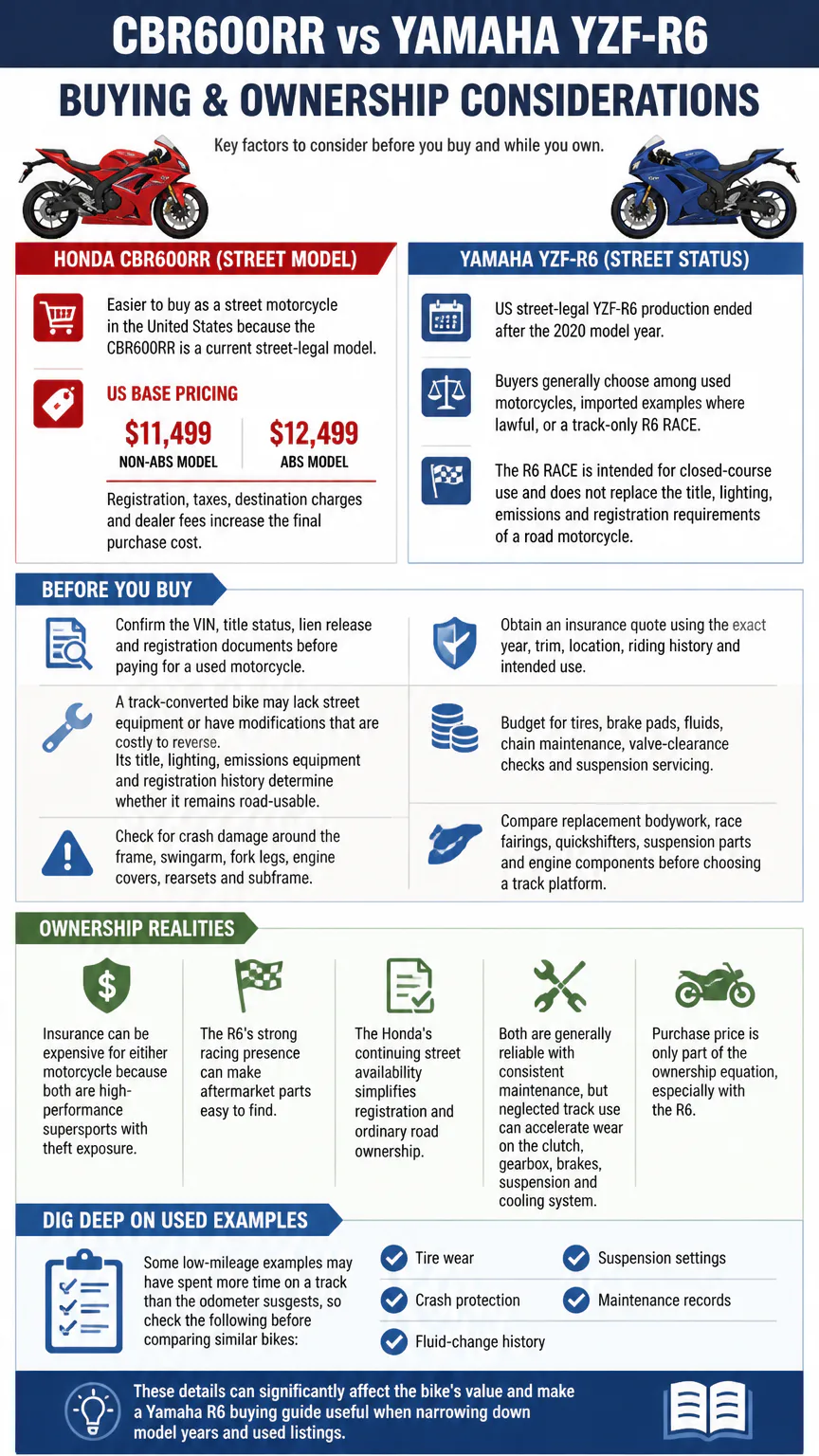
The Honda is easier to buy as a street motorcycle in the United States because the CBR600RR is a current street-legal model. US base pricing is $11,499 for a non-ABS model and $12,499 for ABS. Registration, taxes, destination charges and dealer fees increase the final purchase cost.
US street-legal YZF-R6 production ended after the 2020 model year. Buyers generally choose among used motorcycles, imported examples where lawful, or a track-only R6 RACE. The R6 RACE is intended for closed-course use and does not replace the title, lighting, emissions and registration requirements of a road motorcycle.
- Confirm the VIN, title status, lien release and registration documents before paying for a used motorcycle.
- Obtain an insurance quote using the exact year, trim, location, riding history and intended use.
- A track-converted bike may lack street equipment or have modifications that are costly to reverse. Its title, lighting, emissions equipment and registration history determine whether it remains road-usable.
- Budget for tires, brake pads, fluids, chain maintenance, valve-clearance checks and suspension servicing.
- Check for crash damage around the frame, swingarm, fork legs, engine covers, rearsets and subframe.
- Compare replacement bodywork, race fairings, quickshifters, suspension parts and engine components before choosing a track platform.
Insurance can be expensive for either motorcycle because both are high-performance supersports with theft exposure. The R6’s strong racing presence can make aftermarket parts easy to find, while the Honda’s continuing street availability simplifies registration and ordinary road ownership. Both are generally reliable with consistent maintenance, but neglected track use can accelerate wear on the clutch, gearbox, brakes, suspension and cooling system.
Purchase price is only part of the ownership equation, especially with the R6. Some low-mileage examples may have spent more time on a track than the odometer suggests, so check the tire wear, suspension settings, crash protection, maintenance records and fluid-change history before comparing similar bikes. These details can significantly affect the bike’s value and make a Yamaha R6 buying guide useful when narrowing down model years and used listings.
Which Rider Should Choose Each Bike?
Honda CBR600RR
Choose the CBR600RR if street riding is a major part of the plan, if a lower seat is useful, or if strong corner-exit acceleration matters more than maximum front-end sharpness. It is also the stronger choice for a rider who wants one motorcycle for commuting, weekend rides and occasional track days.
- Best fit for street-focused sport riding
- Better midrange and more forgiving power delivery
- Lower seat and larger fuel capacity
- Current or leftover US street-legal availability
- ABS and newer electronic options on applicable models
Yamaha YZF-R6
Choose the YZF-R6 if track performance, high-rpm riding and precise steering are the main priorities. It suits experienced riders buying a used machine for racing or frequent track days, provided the motorcycle passes a careful inspection and has suitable service history.
- Best fit for dedicated track use and experienced riders
- Sharper steering and stronger front-end feedback
- Lighter curb weight across comparable specifications
- Large racing and aftermarket support network
- Used-bike purchase required for a US street motorcycle
R9 vs CBR600RR
The Yamaha R9 is a newer, larger-displacement middleweight, while the CBR600RR remains a 599cc inline-four supersport. The R9 is aimed at riders who want a newer road-and-track motorcycle with broader engine response. The Honda retains the high-revving four-cylinder character and compact supersport format.
The production Yamaha R9 is a current US street-legal road motorcycle. This comparison applies to that model rather than the track-only Yamaha R9 RACE.
Choose the R9 for greater street usability and a more flexible riding experience. Choose the CBR600RR for traditional supersport engine character, sharper track-focused intent and high-rpm cornering. US availability depends on the current model-year lineup, while the CBR600RR is listed as a current street-legal model.
CBR650R vs CBR600RR
The CBR650R is Honda’s road-focused four-cylinder option, with a more usable low- and midrange character and a riding position that is easier to live with. The CBR600RR uses a supersport chassis and more committed ergonomics for aggressive cornering and track use.
Choose the CBR650R for commuting, longer road rides, lower ownership demands and everyday flexibility. Choose the CBR600RR for sharper performance intent, stronger track capability and a willingness to handle more frequent tire, brake, suspension and valve-clearance servicing.
Used supersport inspection checklist
- Check the frame, swingarm, fork legs, engine covers, rearsets, subframe and bodywork for crash damage or mismatched repairs.
- Inspect fork seals, steering-head bearings, brake rotors, chain and sprockets before agreeing on a price.
- Ask for oil-change, valve-clearance, cooling-system and suspension-service records rather than relying on mileage alone.
- Look for signs of track use, including race bodywork, removed street equipment, tire wear, safety wire and repeated fastener removal.
- Verify the VIN, title, lien release, registration status and whether the motorcycle can legally return to road use.
- Start the engine cold when possible. During the test ride, check for abnormal noise, leaks, overheating, clutch problems and gearbox issues.
CBR600RR vs R6 FAQs
Is the Yamaha R6 faster than the CBR600RR?
The R6 has a slightly higher published top-speed range in some tests, at 158-160 mph, while the CBR600RR reaches 155-161 mph depending on specification. Acceleration and lap time depend on gearing, rider technique, tires, setup and the circuit, so top speed alone does not establish a clear overall winner.
Which is better: The cbr600rr, zx-6r, or r6?
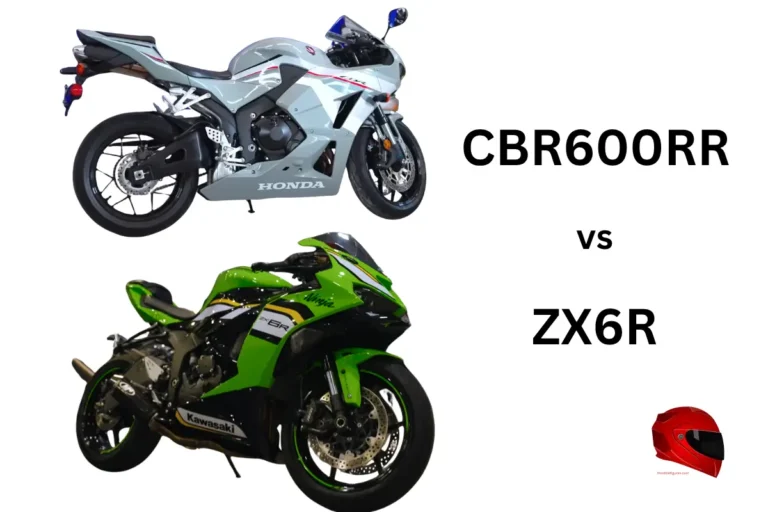
The CBR600RR suits riders seeking balanced street and track performance. The R6 is the sharper used-track choice, while the Kawasaki ZX-6R appeals to riders who want strong performance with a broader road-oriented package and, on applicable models, a larger-displacement engine.
Which is better: The Yamaha r6 or r1?
The R6 is lighter, less powerful and more approachable on a middleweight circuit. The R1 delivers substantially stronger acceleration and requires more space, experience and restraint, making the R6 the more focused choice for riders who want to build speed through corner technique.
Which is better: The Yamaha r6 or gsx-r600?
The R6 favors sharp steering, high-rpm track behavior and extensive race support. The Suzuki GSX-R600 uses a closely matched 600cc supersport formula, so condition, model year, setup, price and parts availability should decide between specific used examples.
Is the Yamaha R6 street-legal in the United States?
Street-legal YZF-R6 production in the United States ended after the 2020 model year. Used 2020-and-earlier examples can be registered when they have valid titles and meet local requirements, while the Yamaha R6 RACE is a track-only model in relevant markets.
Is the CBR600RR suitable for a beginner?
The CBR600RR is more manageable than the R6 at ordinary road speeds, but it remains a high-performance supersport with aggressive ergonomics and rapid acceleration. A lower-powered standard motorcycle is a better learning platform for a new rider who has not developed braking, cornering and throttle-control skills.
Conclusion
Choose the CBR600RR for the stronger all-around street-and-track package, lower seat, usable midrange and easier US ownership path. Choose the YZF-R6 for a dedicated track build, sharper chassis feedback and access to one of the strongest middleweight racing ecosystems.

2 Comments