Yamaha R1 vs BMW S1000RR: Street, Track and Ownership Comparison
The Yamaha R1 vs BMW S1000RR decision comes down to more than peak horsepower. Both are street-legal 1,000cc superbikes, but the R1 uses Yamaha’s characterful crossplane CP4 inline-four while the BMW pairs a higher peak output with ShiftCam variable valve timing. Street legality, track use, dealer access, insurance and running costs all deserve attention before you choose.
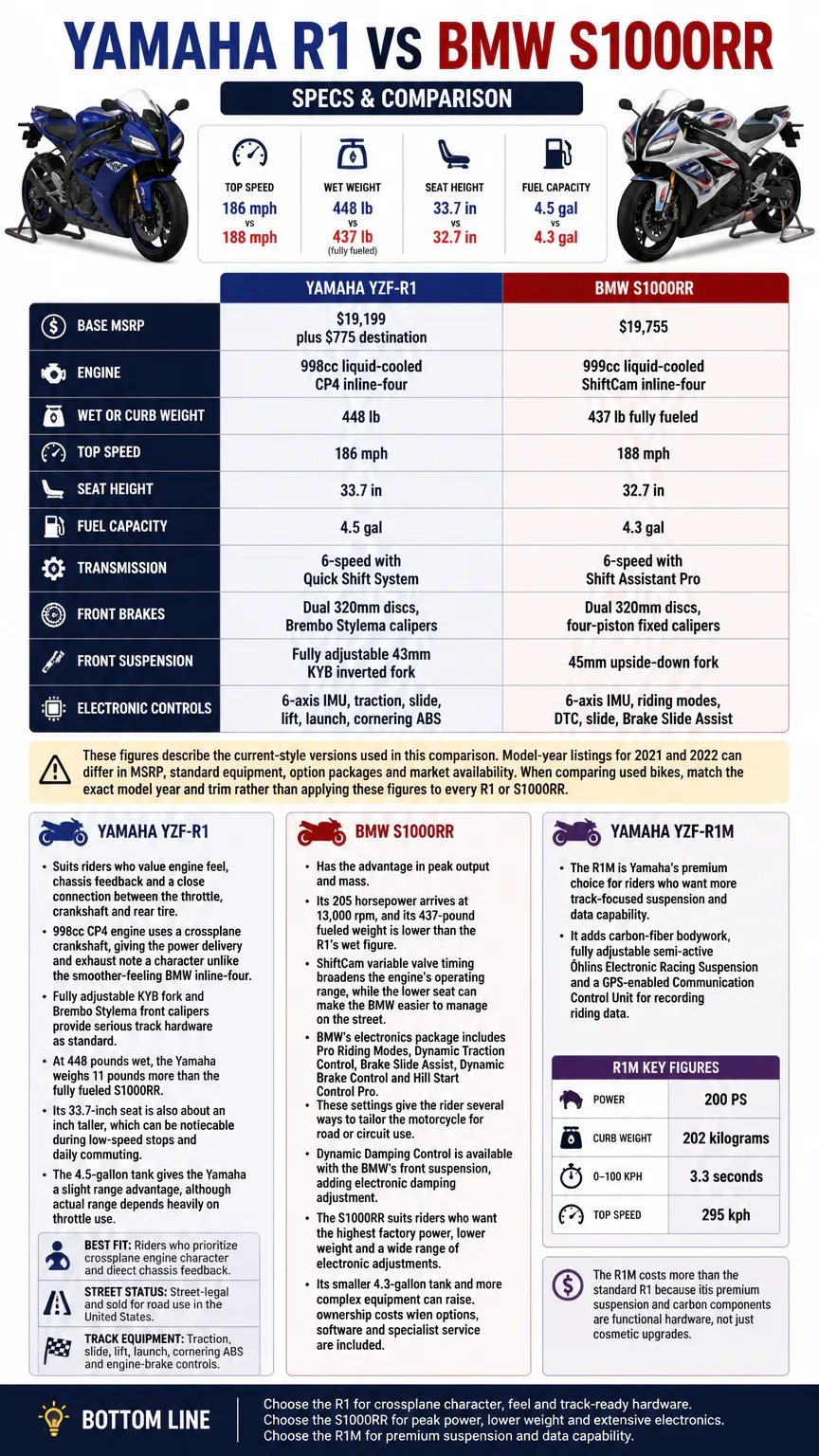
Yamaha R1 vs BMW S1000RR Specs
| Specification | Yamaha YZF-R1 | BMW S1000RR |
|---|---|---|
| Base MSRP | $19,199 plus $775 destination | $19,755 |
| Engine | 998cc liquid-cooled CP4 inline-four | 999cc liquid-cooled ShiftCam inline-four |
| Wet or curb weight | 448 lb | 437 lb fully fueled |
| Top speed | 186 mph | 188 mph |
| Seat height | 33.7 in | 32.7 in |
| Fuel capacity | 4.5 gal | 4.3 gal |
| Transmission | 6-speed with Quick Shift System | 6-speed with Shift Assistant Pro |
| Front brakes | Dual 320mm discs, Brembo Stylema calipers | Dual 320mm discs, four-piston fixed calipers |
| Front suspension | Fully adjustable 43mm KYB inverted fork | 45mm upside-down fork |
| Electronic controls | 6-axis IMU, traction, slide, lift, launch, cornering ABS | 6-axis IMU, riding modes, DTC, slide, Brake Slide Assist |
These figures describe the current-style versions used in this comparison. Model-year listings for 2021 and 2022 can differ in MSRP, standard equipment, option packages and market availability. When comparing used bikes, match the exact model year and trim rather than applying these figures to every R1 or S1000RR.
Yamaha YZF-R1
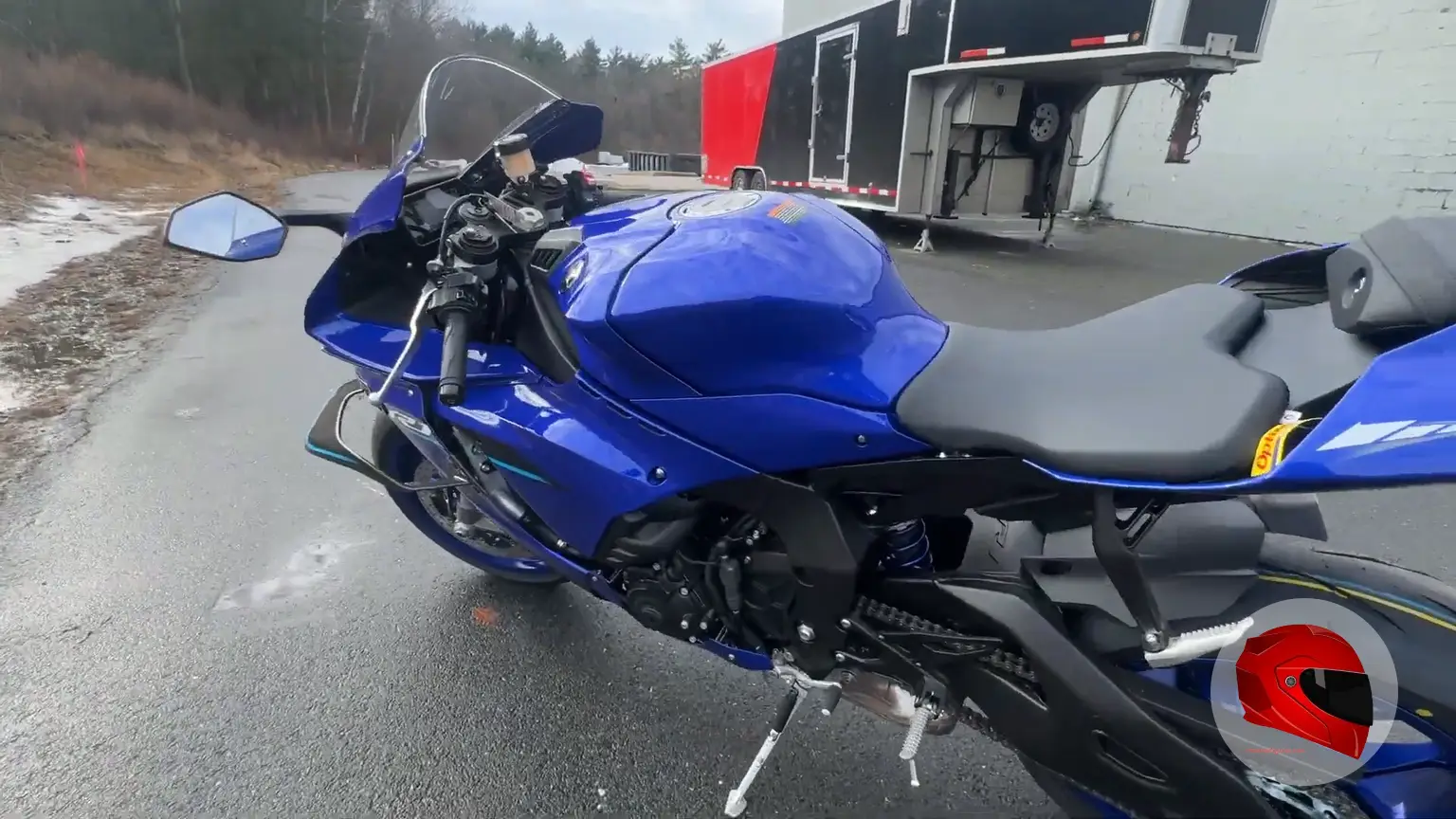
The R1 suits riders who value engine feel, chassis feedback and a close connection between the throttle, crankshaft and rear tire. Its 998cc CP4 engine uses a crossplane crankshaft, giving the power delivery and exhaust note a character unlike the smoother-feeling BMW inline-four. The fully adjustable KYB fork and Brembo Stylema front calipers provide serious track hardware as standard.
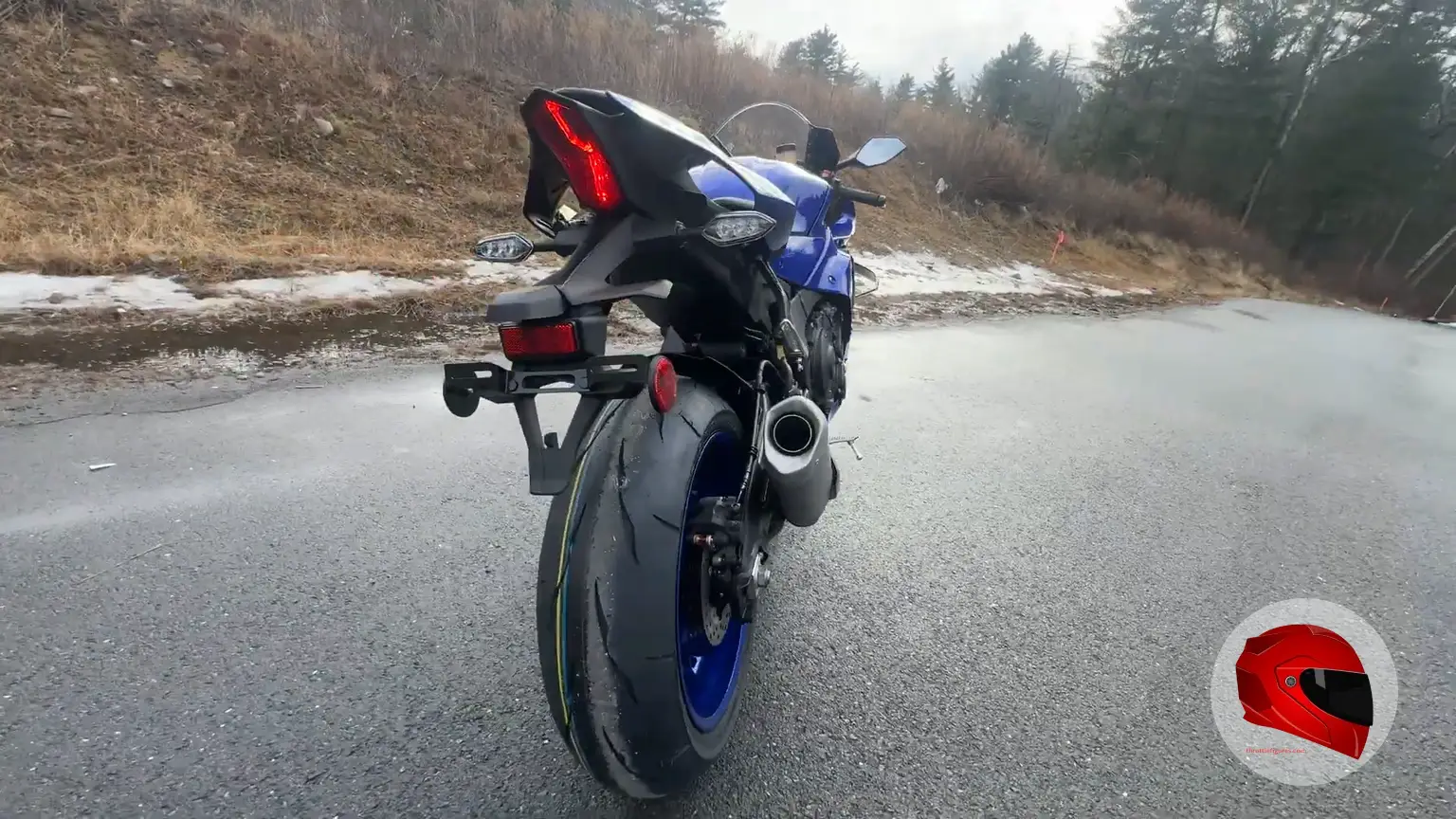
At 448 pounds wet, the Yamaha weighs 11 pounds more than the fully fueled S1000RR. Its 33.7-inch seat is also about an inch taller, which can be noticeable during low-speed stops and daily commuting. The 4.5-gallon tank gives the Yamaha a slight range advantage, although actual range depends heavily on throttle use.
- Best fit: Riders who prioritize crossplane engine character and direct chassis feedback.
- Street status: Street-legal and sold for road use in the United States.
- Track equipment: Traction, slide, lift, launch, cornering ABS and engine-brake controls.
BMW S1000RR
The BMW S1000RR has the advantage in peak output and mass. Its 205 horsepower arrives at 13,000 rpm, and its 437-pound fueled weight is lower than the R1’s wet figure. ShiftCam variable valve timing broadens the engine’s operating range, while the lower seat can make the BMW easier to manage on the street.
BMW’s electronics package includes Pro Riding Modes, Dynamic Traction Control, Brake Slide Assist, Dynamic Brake Control and Hill Start Control Pro. These settings give the rider several ways to tailor the motorcycle for road or circuit use. Dynamic Damping Control is available with the BMW’s front suspension, adding electronic damping adjustment.
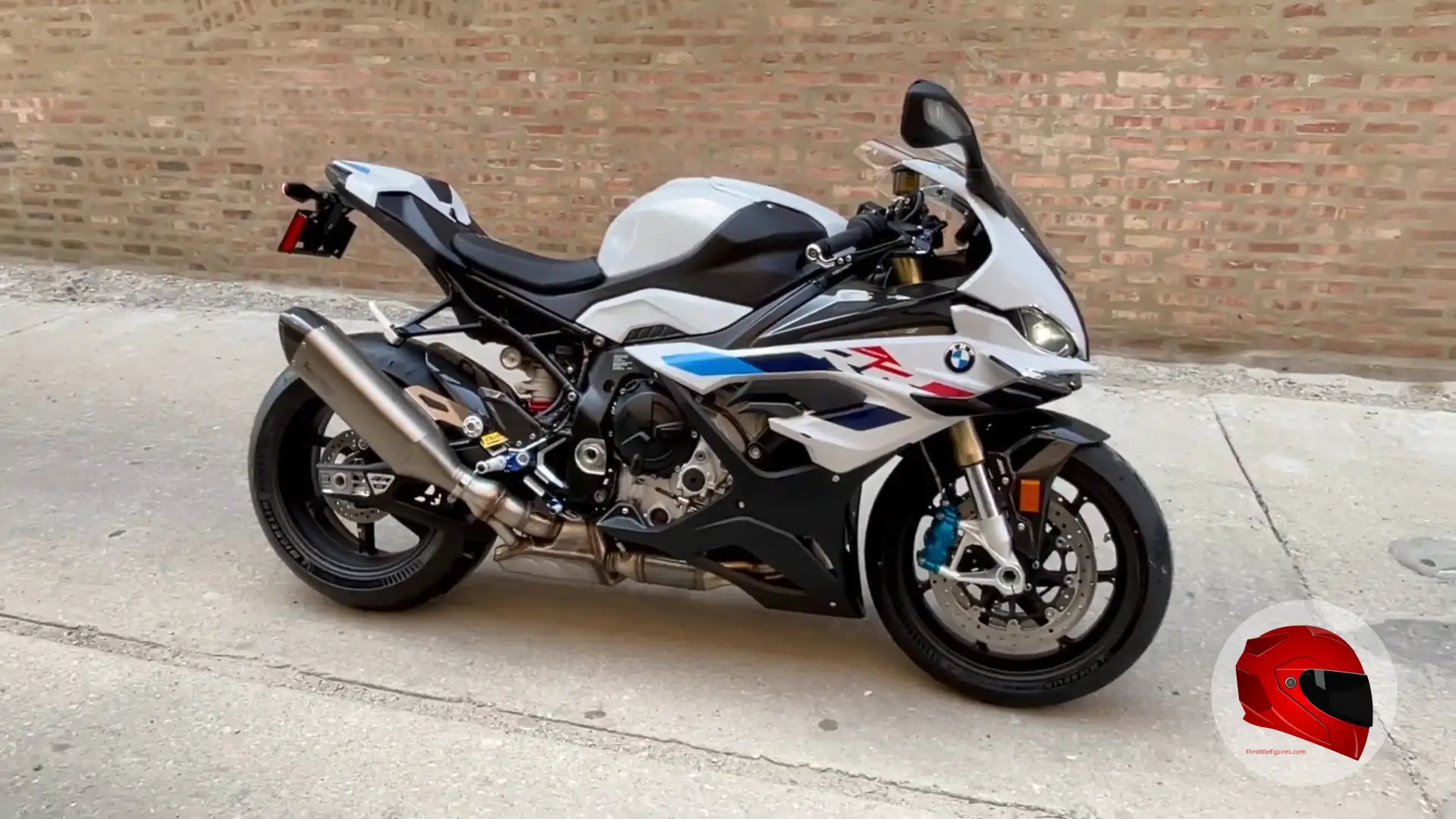
The S1000RR suits riders who want the highest factory power, lower weight and a wide range of electronic adjustments. Its smaller 4.3-gallon tank and more complex equipment can raise ownership costs when options, software and specialist service are included.
Yamaha YZF-R1M
The R1M is Yamaha’s premium choice for riders who want more track-focused suspension and data capability. It adds carbon-fiber bodywork, fully adjustable semi-active Öhlins Electronic Racing Suspension and a GPS-enabled Communication Control Unit for recording riding data. The R1M produces 200 PS, weighs 202 kilograms at the curb, reaches 100 kph in 3.3 seconds and has a 295-kph top speed.
The R1M costs more than the standard R1 because its premium suspension and carbon components are functional hardware, not just cosmetic upgrades. Those parts make the most sense for frequent track use, where suspension adjustment and data logging can support repeatable setup work. During ordinary commuting, much of that capability goes unused, while replacement costs after a crash are higher.
BMW M1000RR
The M1000RR is BMW’s higher-spec superbike variant. It adds carbon-fiber aerodynamic winglets, milled components, M brakes, a higher redline and more power than the standard S1000RR. The equipment targets riders who regularly chase lap times or want factory-grade track upgrades without adding them separately.
The M1000RR is a closer match for the R1M than for the standard R1. Both premium models trade a higher purchase price and greater crash-repair expense for advanced suspension, bodywork, braking or aerodynamic equipment. On public roads, the standard S1000RR or R1 generally balances capability and replacement cost better.
Requirements and context
A US buyer needs a motorcycle endorsement, a title or manufacturer’s certificate of origin, insurance that satisfies the state’s minimum requirements and registration through the relevant state motor-vehicle agency. That agency may be called a DMV, BMV, MVD or another state-specific name. Registration rules, inspection requirements, sales-tax collection and temporary permits differ by state.
- Confirm that the motorcycle has a US street-legal vehicle identification number and the required road equipment.
- Obtain insurance before riding on public roads or completing registration.
- Keep the purchase contract, title documents, odometer statement and proof of sales-tax payment.
- Check the state’s rules for inspections, emissions testing, temporary tags and motorcycle endorsements.
- Ask the selling dealer whether freight, setup, documentation, destination and registration charges are included in the advertised price.
The R1 remains street-legal for road use in the United States, while competition-only GYTR and race-prepared motorcycles are not interchangeable with certified road models. A track-only motorcycle generally cannot receive ordinary road registration or road insurance without the required certification documents.
Performance and handling
The BMW has the higher factory output, with 205 horsepower and an approximately 188-mph top speed versus the R1’s 198 horsepower and approximately 186 mph. In a drag race, launch technique, tire condition, rider skill, gearing, surface, temperature and electronic settings can change the result. Peak specifications do not predict every road or track outcome.
The R1’s crossplane crankshaft gives its inline-four a distinctive pulse and throttle response. Riders who enjoy feeling rear-tire load and engine braking through a corner may prefer this character. The BMW’s ShiftCam engine delivers a broader spread of performance and works with a lower curb weight, making it effective when accelerating out of corners or changing direction quickly.
The R1 has a fully adjustable 43mm KYB inverted fork, while the BMW uses a 45mm upside-down fork. Both motorcycles have high-performance brakes, six-axis inertial measurement units, quickshifters, traction management and electronic controls for managing wheel slip and braking. The BMW offers more road-oriented electronic conveniences, while the Yamaha’s control set focuses on traction, slide, lift, launch and cornering ABS management.
Peak horsepower is only part of the performance picture. Weight, gearing, traction and riding position all affect how quickly a bike accelerates. A lighter motorcycle may change direction more readily and pull harder out of slow corners, even with a lower dyno figure. Comparing motorcycle power-to-weight ratios across superbikes puts the Yamaha R1 and BMW S1000RR’s headline numbers in better context.
Track performance and electronics
The R1 gives a dedicated track rider separate control over traction, slide, lift, launch, cornering ABS and engine-brake management. That arrangement suits riders who prefer to build a repeatable setup around throttle control, corner entry and rear-tire feel. Its fully adjustable KYB fork also provides a conventional mechanical baseline for track suspension work.
The S1000RR adds a broader electronic toolkit for managing track pace. Dynamic Traction Control, slide control, launch control, Dynamic Brake Control, Brake Slide Assist, cornering ABS and engine-braking adjustments help regulate acceleration and braking as grip changes. Optional Dynamic Damping Control adjusts damping electronically, which suits a street-and-track owner who wants more setup flexibility without changing suspension manually between uses.
For a dedicated track rider, the R1’s clear feedback and focused controls can be preferable when the goal is to develop consistent riding technique. The BMW suits riders who want more electronic assistance during corner entry and acceleration, along with easier changes between road and track settings. Neither electronics package replaces correct suspension setup, suitable tires or rider skill.
Street comfort and ownership costs
Neither motorcycle is a relaxed commuter. Both have aggressive riding positions, high-revving engines, limited wind protection and firm suspension settings. The BMW’s lower seat and broader electronic adjustment range make it easier to tailor for street use, while the Yamaha’s larger tank gives it a small range advantage.
Cruise control and heated grips can reduce fatigue on longer rides, but their availability depends on the model year and option package. The S1000RR is generally less taxing on the street because of its lower seat, broader road settings and available comfort equipment. The R1’s compact, forward-biased ergonomics can put more weight on the wrists, especially in stop-and-go traffic. Neither bike has the tank size or riding position of a touring motorcycle.
In warm-weather stop-and-go traffic, both engines can send noticeable heat toward the rider as their fairings and high-output cooling systems work hardest at low road speeds. The BMW’s broader road settings and less demanding ergonomics can reduce fatigue during prolonged traffic, while the R1’s compact riding position can make heat and wrist strain more noticeable together. Neither bike is especially comfortable when stationary in hot conditions.
Purchase price is only the first cost. Insurance for a 1,000cc superbike can be substantial, especially for newer riders or riders with limited motorcycle history. Add destination or freight charges, dealer setup, sales tax, registration, tires, brake components, chain and sprocket service, oil and track-day consumables before comparing monthly payments.
Dealer access also affects ownership. Yamaha Motorsports US dealerships are the normal purchase and service channel for the R1 and R1M, while BMW Motorrad dealerships handle the S1000RR and M1000RR. A nearby authorized dealer with competent technicians can matter more than a small MSRP difference, particularly when electronic diagnosis, suspension calibration or warranty work is required.
Aftermarket equipment such as an Akrapovič exhaust can change sound, weight and appearance, but it does not automatically improve street performance. An exhaust used on public roads must comply with applicable emissions and noise requirements. Installation can also affect warranty coverage and replacement cost.
Other superbikes in this class
The Kawasaki Ninja ZX-10R and Honda CBR1000RR belong to the same liter-superbike category. The ZX-10R is strongly track-focused, with high-end electronics and a competitive power-to-weight balance. The CBR1000RR uses a familiar inline-four platform and emphasizes manageable road manners and Honda dealer support. Exact horsepower, weight, electronics and pricing vary by model year and trim, so these bikes are useful benchmarks rather than direct substitutes for the figures in the R1-S1000RR table.
The R1 and S1000RR are not the only liter-class superbikes built for speed on the circuit. Kawasaki’s ZX-10R takes a different approach, combining aggressive track tuning, aerodynamic development and electronic rider aids. It offers another useful reference point for understanding the Yamaha’s character in the Yamaha R1 vs ZX-10R matchup.
How to choose between them
Start with the type of riding that will take up most of the motorcycle’s time. If you spend most weekends at a circuit, compare suspension support, tire costs, crash exposure, data capability and track insurance before focusing on a two-mph top-speed difference.
- Choose the R1 for crossplane engine character, strong chassis feedback and a focused Japanese superbike experience.
- Choose the S1000RR for higher peak power, lower fueled weight, a lower seat and broader electronic adjustment.
- Choose the R1M when semi-active Öhlins suspension, carbon bodywork and GPS data logging justify the premium.
- Choose the M1000RR when carbon aerodynamics, M brakes and higher-spec track equipment are central to the purchase.
- Compare insurance and dealer distance before signing a finance contract.
- Test ride each motorcycle at legal speeds and evaluate reach, wrist angle, heat, clutch feel and low-speed balance.
For a street-and-track role, the standard R1 and S1000RR are the most sensible starting points. The final decision should come from ergonomics, local service support and your preferred engine response, not horsepower alone.
Your choice may come down to whether you prefer the familiar feel of a Japanese supersport or the more distinctive engine layout and chassis response of the BMW. Ducati’s Panigale V4 sits in the same premium performance category, but its V4 engine character, riding position and ownership demands may point you in a different direction. The BMW S1000RR vs Ducati Panigale comparison weighs those differences against the same performance and everyday usability criteria.
Five-year ownership cost factors
- Insurance: Get quotes for both motorcycles before purchase. Premiums can materially change the five-year total, especially for newer riders and riders with limited motorcycle history.
- Scheduled service: Compare Yamaha and BMW dealer labor rates, inspection intervals, valve-clearance checks, fluid changes and electronic diagnostic work. Routine Japanese-bike maintenance often costs a few hundred dollars at a time, while BMW service costs vary by dealer and job.
- Tires and brakes: Track use consumes tires, pads and other braking components faster than ordinary road riding. Use the same expected track schedule for both bikes when comparing costs.
- Crash damage: Carbon bodywork, premium suspension, aerodynamic parts and other track-focused equipment can increase replacement costs after a fall. The R1M and M1000RR therefore need a larger damage reserve than the standard models.
- Track-day spending: Add tires, brake consumables, fluids, transport, entry fees and track-specific insurance separately from normal street ownership costs.
Over five years, the standard R1 is often likely to cost less to own than the S1000RR because routine Yamaha service and replacement parts are often less expensive. BMW dealer labor, electronic diagnostic work and optional equipment can raise the S1000RR’s service bill, although the result depends on rider age, location, annual mileage, insurance rates and track use. Heavy track use can erase the routine-maintenance difference through tires, brakes, crash damage and event costs.
Frequently Asked Questions
What bike is faster than the Yamaha R1?
The BMW S1000RR has the higher published top speed at approximately 188 mph, compared with approximately 186 mph for the R1. The BMW M1000RR is a higher-output, more track-focused model and also exceeds the standard R1 in performance specification.
How fast does an R1 1000 go?
The Yamaha R1 has an approximately 186-mph top speed in standard form. Actual speed depends on gearing, rider position, conditions, tire selection and electronic settings.
Does the R1M compete directly with the BMW M1000RR?
Yes. The R1M and M1000RR are premium versions of the two standard superbikes, with more specialized suspension, braking, bodywork, electronics or aerodynamic equipment. They suit riders who will use those upgrades on a racetrack.
Can a US buyer register a track-only R1?
A competition-only or GYTR motorcycle is not automatically eligible for normal road registration. Registration depends on the motorcycle’s certification documents and the rules of the state DMV or BMV, so a street-legal US model and a track-prepared version should not be treated as interchangeable.
Conclusion
Choose the Yamaha R1 for its CP4 character and focused handling feel. Choose the BMW S1000RR for greater factory power, lower weight and broader street-oriented electronics. The R1M and M1000RR make sense when track performance justifies their added cost, while dealer support and insurance should help decide between the standard models.