
Kawasaki Ninja 650: Specs, Performance & Ownership Guide
130 – mph
TOP SPEED
3.5 – sec
0 – 60 MPH
67 – hp
HORSEPOWER
48.5 – lb-ft
TORQUE
423 – lb
WEIGHT
649 – cc
DISPLACEMENT
Disclaimer: Performance figures may vary depending on factors such as rider, road and weather conditions, vehicle condition, and testing methods. Figures are provided for informational purposes only.
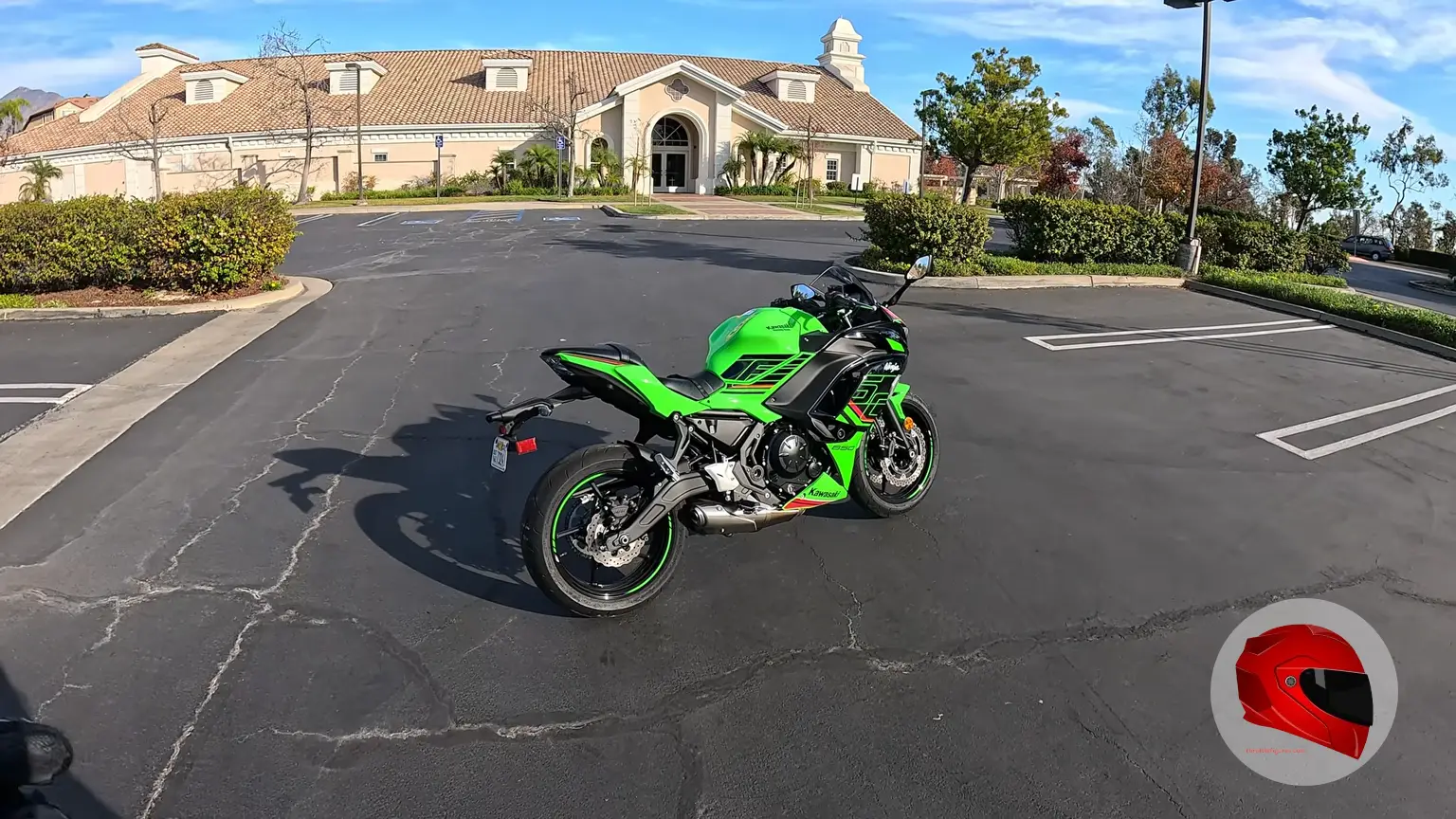
The 2026 Kawasaki Ninja 650 suits riders who want sportbike styling without the cramped ergonomics and sharp power delivery of a full supersport. Its 649cc parallel-twin engine, manageable seat height, moderate weight and useful electronics make it suitable for commuting, weekend rides and building road skills. The main buying decisions are trim, new versus used condition, dealer fees, insurance and whether its performance matches your plans.
Kawasaki Ninja 650 Specifications and Price
| Specification | 2026 Ninja 650 value |
|---|---|
| Manufacturer | Kawasaki Motors |
| Model year | 2026 |
| Base MSRP | $7,599 non-ABS |
| ABS MSRP | $8,199 |
| Destination charge | $685 |
| Engine displacement | 649cc |
| Engine configuration | Liquid-cooled parallel twin |
| Valve train | DOHC, 8 valves |
| Horsepower | 67 hp at 8,000 rpm |
| Torque | 47.2 lb-ft at 6,700 rpm |
| Transmission | 6-speed return |
| Fuel system | Digital fuel injection |
| Compression ratio | 10.8:1 |
| Estimated top speed | 130 mph |
| Estimated fuel economy | 45–50 mpg |
| Curb weight, Non-ABS | 423.4 lb |
| Curb weight, ABS | 425.6 lb |
| Seat height | 31.1 in |
| Wheelbase | 55.5 in |
| Overall length | 81.1 in |
| Overall width | 29.1 in |
| Ground clearance | 5.1 in |
| Fuel capacity | 4.0 gal |
| Frame | Trellis steel frame |
| Front tire | 120/70-17 |
| Rear tire | 160/60-17 |
| Instrumentation | Full-color TFT display |
| Traction control | KTRC, 2 modes |
| Smartphone connectivity | Rideology the App |
| Warranty | 12-month limited warranty |
How the Ninja 650 Performs on the Street
The Ninja 650 produces 67 horsepower at 8,000 rpm and 47.2 lb-ft of torque at 6,700 rpm. The parallel-twin engine responds well through the middle of the rev range, so it does not need to stay near the top of the tachometer for ordinary acceleration. That response suits traffic and gives the bike useful passing power on the highway.
A top speed of 130 mph is well beyond normal public-road requirements. The Ninja 650’s real strengths are usable acceleration, predictable throttle response and a six-speed gearbox that works for both urban riding and sustained highway travel. The fairing provides more wind protection than a naked motorcycle, although it does not offer the full shelter of a touring bike.
The 55.5-inch wheelbase and trellis frame give the motorcycle stable handling without making it awkward in parking lots. It turns more easily than a large sport-tourer and has enough performance for experienced riders to enjoy back roads. Riders looking for track-focused braking, adjustable suspension and extreme top-end power will reach the bike’s limits sooner than commuters and everyday street riders.
Ninja 650 Features and Technology
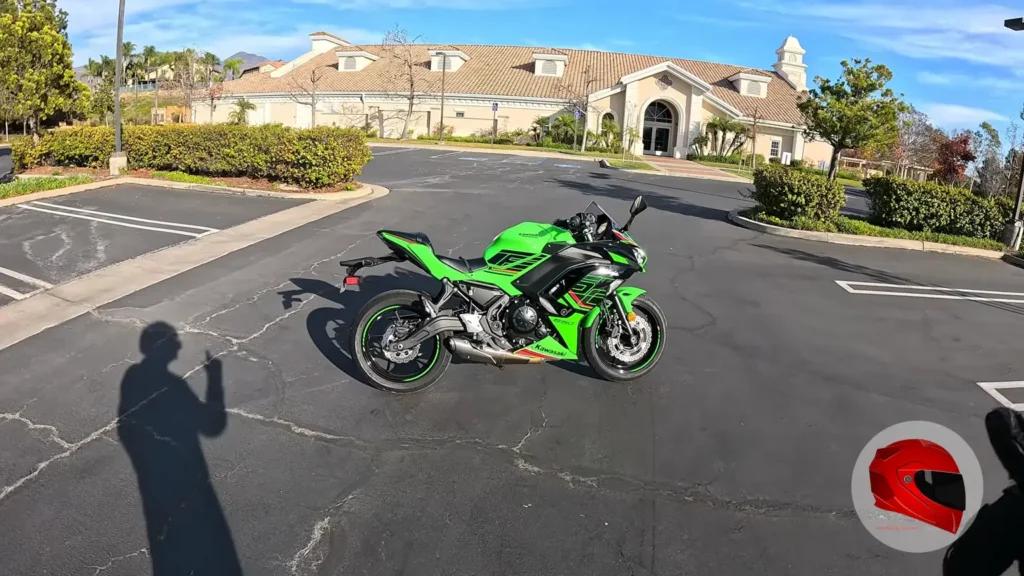
The Ninja 650 combines straightforward mechanical components with a useful set of electronic features. Its equipment focuses on everyday riding, while the ABS version adds braking assistance for riders who want extra support during emergency stops or poor conditions.
- Kawasaki Traction Control (KTRC): Two selectable modes help manage rear-wheel slip during acceleration.
- ABS: Available on the $8,199 trim and integrated into the motorcycle’s braking system.
- TFT instrumentation: The full-color display shows riding and vehicle information in a modern format.
- Rideology the App: Smartphone connectivity adds app-based access to compatible motorcycle information.
- Sportbike bodywork: Sharp Ninja styling gives the motorcycle a fully faired appearance.
- Trellis frame: The frame supports the middleweight chassis and contributes to balanced street handling.
The Non-ABS model weighs 423.4 pounds in curb form, compared with 425.6 pounds for the ABS version. That small difference is unlikely to change how the motorcycle feels on the road, so the trim decision should come down to braking preference, budget and local riding conditions.
Comfort and Everyday Rideability
The 31.1-inch seat height is accessible for a middleweight sport motorcycle, although reach varies with inseam, footwear and seat shape. The riding position is more upright than a supersport, reducing the forward lean that can make aggressive sportbikes tiring during a commute. The bars, seat and footpeg position support regular road use without taking away the motorcycle’s sporting character.
At 81.1 inches long and 29.1 inches wide, the Ninja 650 fits in ordinary garages and remains manageable during low-speed maneuvers. Its 4.0-gallon fuel tank and estimated 45-50 mpg provide useful road range, although actual results depend on riding style, speed, temperature and load. Passenger use is possible, but the rear seat and available space are better suited to shorter trips than extended two-up touring.
The 5.1 inches of ground clearance suits paved roads and common urban conditions. Riders who regularly use rough surfaces, steep unpaved approaches or heavily broken pavement should check their routes carefully because the Ninja 650 remains a street-oriented sport motorcycle.
New and Used Ninja 650 Prices
| Price category | Amount | What it covers |
|---|---|---|
| 2026 Non-ABS MSRP | $7,599 | Motorcycle price |
| 2026 ABS MSRP | $8,199 | Motorcycle price |
| Destination charge | $685 | Freight to dealer |
| Recent used-market range | $5,000–$7,000 | Year and condition dependent |
| Used listing low price | $4,499 | Lower-priced used listing |
The advertised new price is not the amount due at signing. The $685 destination charge is separate, and dealers may add assembly, documentation, title, registration, sales tax and accessories. Request an itemized buyer’s order before comparing financing offers because dealer-installed equipment and administrative charges can offset a lower advertised price.
Recent used Ninja 650 motorcycles commonly fall around $5,000, $7,000, while some listings start at $4,499. Mileage, model year, ABS, service records, tire age, crash damage, modifications and title status can create large price differences. A clean, stock motorcycle with documented maintenance may be worth more than a cheaper bike that needs tires, chain work, fluids or electrical repairs.
How to Buy a Ninja 650
First decide whether warranty coverage and a new motorcycle justify the additional cost. For used research, Motorcycles on Autotrader has used listings and market-price information, Cycle Trader combines nationwide new and used inventory, and Facebook Marketplace is useful for private-party listings and direct negotiations.
- Set a total budget that includes tax, registration, insurance, gear, delivery and immediate maintenance.
- Choose the Non-ABS or ABS trim and identify the model years that fit your budget.
- Compare listings by mileage, title status, service records, tire condition, modifications and asking price.
- Inspect the motorcycle cold. Check the frame, fork tubes, engine cases, controls, chain, sprockets, wheels and brake components.
- Match the VIN on the motorcycle to the title and purchase documents.
- Check the VIN through the NHTSA Recall Lookup Tool for open safety recalls before completing a used purchase.
- Arrange payment through cash, an approved lender or Kawasaki Finance Services before signing the final paperwork.
- Complete the bill of sale, title transfer, tax payment, registration and insurance requirements for your state.
An Authorized Kawasaki dealer is the most direct route to a new motorcycle, factory warranty support, financing, trade-in assistance, test rides, official parts and scheduled maintenance. A private sale may reduce the purchase price, but the buyer takes on more responsibility for the inspection, title, transportation and post-sale repairs.
Ninja 650 Ownership Costs and Maintenance
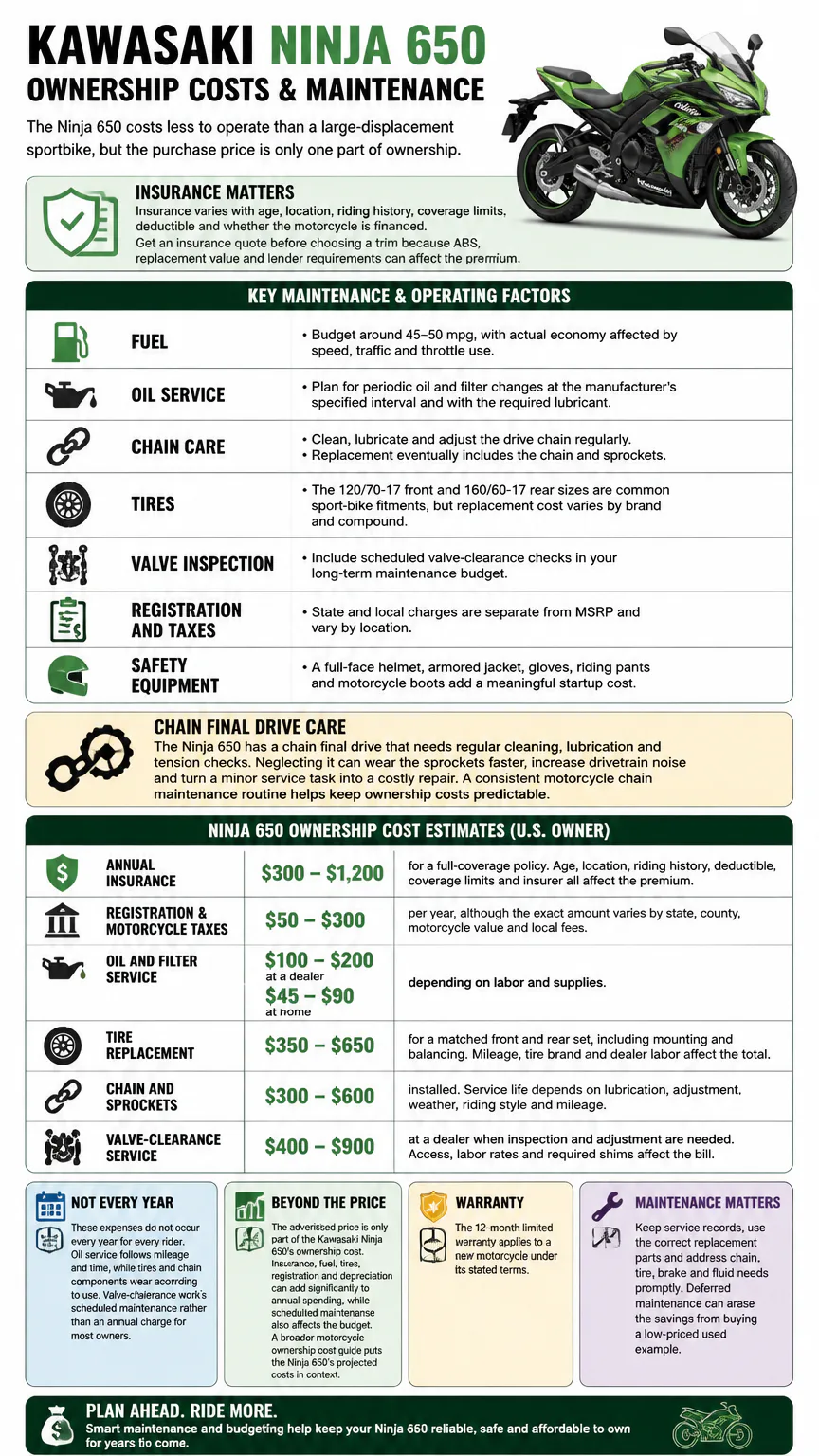
The Ninja 650 costs less to operate than a large-displacement sportbike, but the purchase price is only one part of ownership. Insurance varies with age, location, riding history, coverage limits, deductible and whether the motorcycle is financed. Get an insurance quote before choosing a trim because ABS, replacement value and lender requirements can affect the premium.
- Fuel: Budget around 45-50 mpg, with actual economy affected by speed, traffic and throttle use.
- Oil service: Plan for periodic oil and filter changes at the manufacturer’s specified interval and with the required lubricant.
- Chain care: Clean, lubricate and adjust the drive chain regularly. Replacement eventually includes the chain and sprockets.
- Tires: The 120/70-17 front and 160/60-17 rear sizes are common sport-bike fitments, but replacement cost varies by brand and compound.
- Valve inspection: Include scheduled valve-clearance checks in your long-term maintenance budget.
- Registration and taxes: State and local charges are separate from MSRP and vary by location.
- Safety equipment: A full-face helmet, armored jacket, gloves, riding pants and motorcycle boots add a meaningful startup cost.
The Ninja 650 has a chain final drive that needs regular cleaning, lubrication and tension checks. Neglecting it can wear the sprockets faster, increase drivetrain noise and turn a minor service task into a costly repair. A consistent motorcycle chain maintenance routine helps keep ownership costs predictable.
Ninja 650 ownership cost estimates
For a US owner, annual insurance commonly falls around $300, $1,200 for a full-coverage policy. Age, location, riding history, deductible, coverage limits and insurer all affect the premium. Registration and motorcycle taxes commonly add about $50, $300 per year, although the exact amount varies by state, county, motorcycle value and local fees.
- Oil and filter service: About $100, $200 at a dealer or $45, $90 at home, depending on labor and supplies.
- Tire replacement: About $350, $650 for a matched front and rear set, including mounting and balancing. Mileage, tire brand and dealer labor affect the total.
- Chain and sprockets: About $300, $600 installed. Service life depends on lubrication, adjustment, weather, riding style and mileage.
- Valve-clearance service: About $400, $900 at a dealer when inspection and adjustment are needed. Access, labor rates and required shims affect the bill.
These expenses do not occur every year for every rider. Oil service follows mileage and time, while tires and chain components wear according to use. Valve-clearance work is scheduled maintenance rather than an annual charge for most owners.
The advertised price is only part of the Kawasaki Ninja 650’s ownership cost. Insurance, fuel, tires, registration and depreciation can add significantly to annual spending, while scheduled maintenance also affects the budget. A broader motorcycle ownership cost guide puts the Ninja 650’s projected costs in context.
The 12-month limited warranty applies to a new motorcycle under its stated terms. Keep service records, use the correct replacement parts and address chain, tire, brake and fluid needs promptly. Deferred maintenance can erase the savings from buying a low-priced used example.
Is the Ninja 650 Right for You?
The Ninja 650 suits a rider who wants one motorcycle for commuting, weekend roads and occasional highway travel. Its power delivery is manageable for a disciplined newer rider, while the chassis and engine remain engaging as basic skills improve. The Motorcycle Safety Foundation Basic RiderCourse can build fundamental street-handling skills and may satisfy or waive a state motorcycle road-test requirement, depending on local rules.
It is not automatically a beginner motorcycle for everyone. A new rider still needs a motorcycle endorsement, protective gear, supervised practice and the judgment to control a 649cc machine. Riders who prefer a lighter learning platform can consider a Ninja 500, while those moving up from smaller motorcycles may find the Ninja 650 a reasonable next step.
Experienced riders may appreciate the upright ergonomics, low running demands and flexible mid-range torque, but the motorcycle does not deliver the high-rpm power, advanced suspension hardware or aggressive riding position of a supersport. Choose the Ninja 650 for balanced street performance and daily usefulness. Choose a more specialized sportbike if track performance is the main goal.
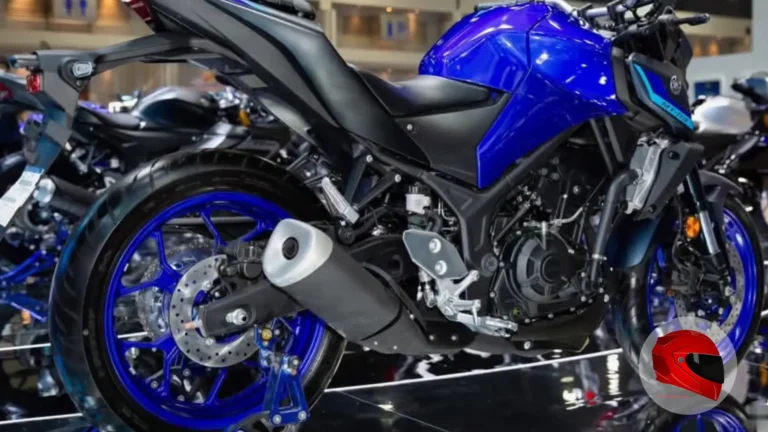
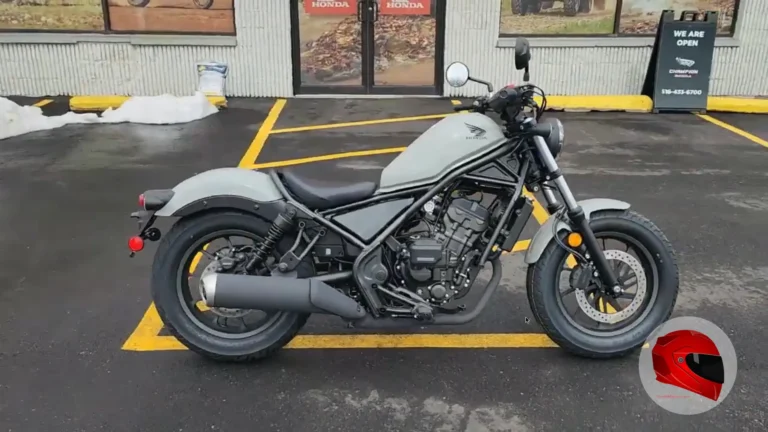
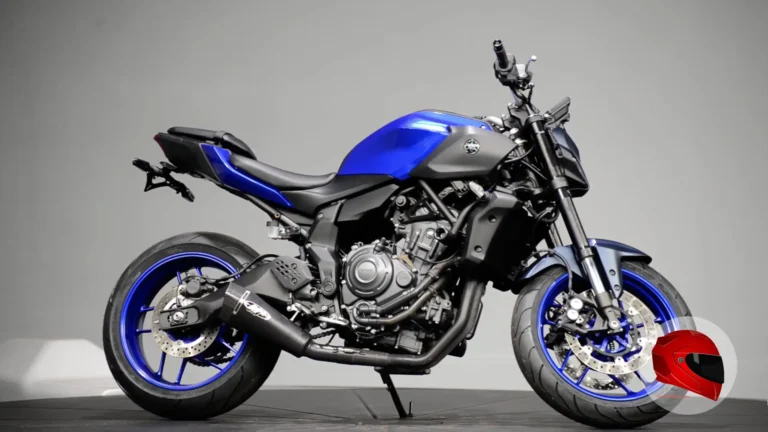
The Ninja 650 suits riders who want useful low- and midrange torque, a manageable riding position and reasonable running costs rather than outright top-end performance. If you prefer the stronger acceleration and higher-revving character of a four-cylinder engine, you may accept a less simple, less relaxed bike for everyday riding. Honda CBR650R comparison can help you decide which middleweight best fits your priorities.
FAQs
Is the Ninja 650 faster than the Ninja 500?
Yes. The Ninja 650 has a 649cc engine, 67 horsepower and a top speed of 130 mph. The Ninja 500 is lighter and easier for many newer riders to manage, but the Ninja 650 provides stronger acceleration and greater performance potential.
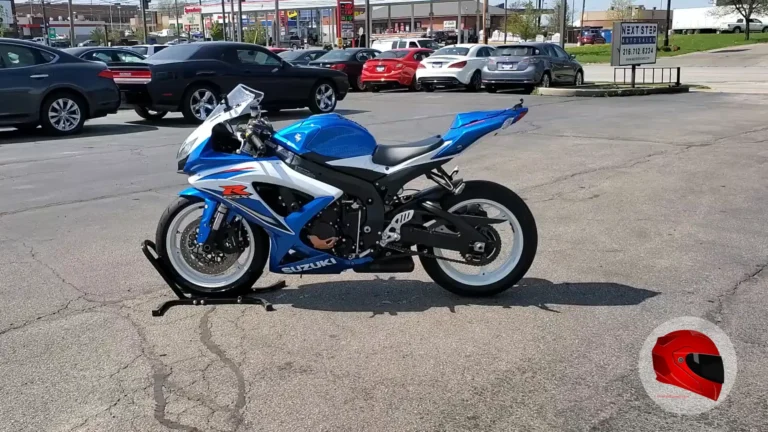
What does Kawasaki Ninja 650 R mean?
“Ninja 650 R” was an earlier name used for versions of the Ninja 650. The current model is marketed as the Kawasaki Ninja 650, with Non-ABS and ABS configurations.
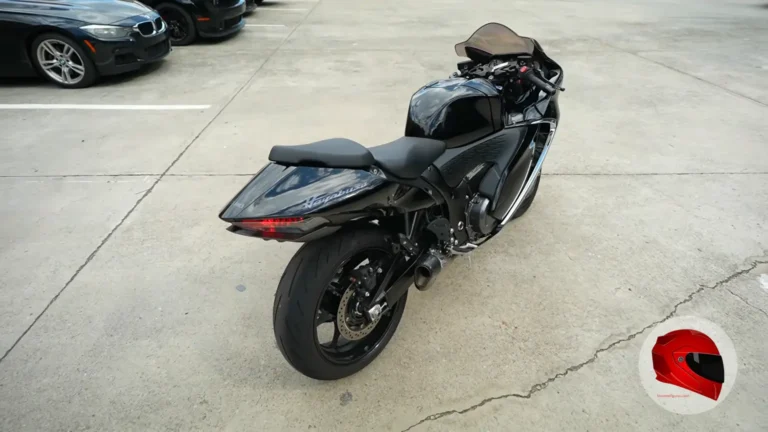
Is the black Ninja 650 available?
Black color availability depends on the 2026 model configuration and current inventory. The exact paint name and availability vary by trim and market.
Does the Ninja 650 have enough power for highway riding?
Yes. Its 649cc parallel-twin engine produces 47.2 lb-ft of torque and 67 horsepower, giving it enough performance for normal highway travel and passing. Wind, rider weight, luggage, elevation and traffic affect acceleration and comfort.
Does every Ninja 650 have ABS?
No. The 2026 lineup includes a Non-ABS model priced at $7,599 and an ABS model priced at $8,199 before destination and other charges. Choose the ABS version if that braking assistance fits your budget and riding conditions.
What should I check on a used Ninja 650?
Inspect the VIN and title, cold-start behavior, frame and engine cases, fork seals, wheels, tires, chain and sprockets, brakes, controls, lights and service records. Run the VIN through the NHTSA Recall Lookup Tool before completing the transaction.
Conclusion
The 2026 Kawasaki Ninja 650 is a sensible middleweight for riders who want sportbike styling, usable performance, upright comfort and reasonable ownership costs. Compare the ABS and Non-ABS trims using the out-the-door price, and treat inspection, licensing and insurance as part of the purchase rather than afterthoughts.

2 Comments