
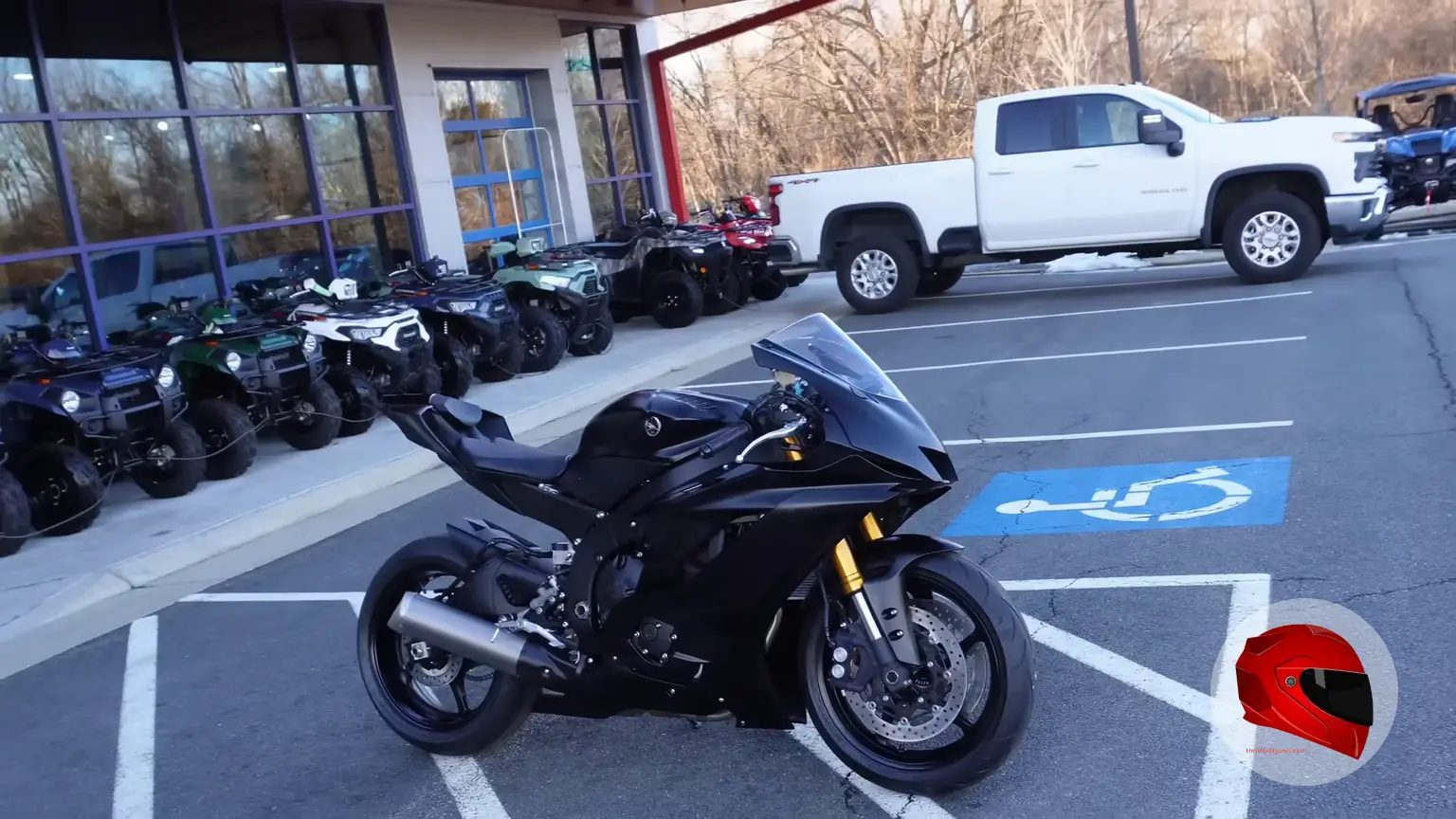
Yamaha R6: Specs, Evolution, Used Prices & Street Status
Disclaimer: Performance figures may vary depending on factors such as rider, road and weather conditions, vehicle condition, and testing methods. Figures are provided for informational purposes only.
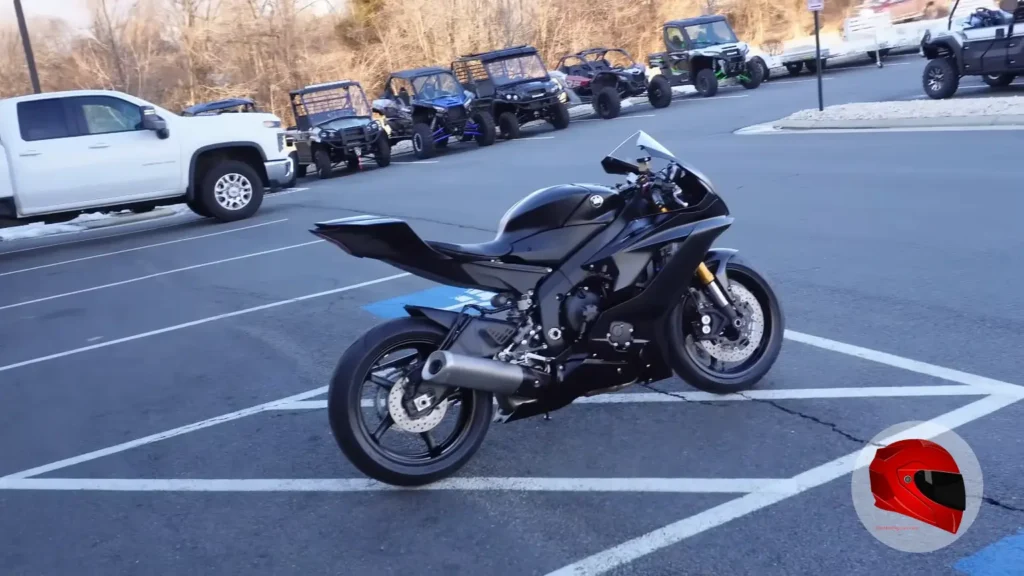
The Yamaha R6 remains a focused choice for riders who want a high-revving 600cc supersport with serious track ability. Yamaha ended street-model production after 2020, so a 2026 buyer is choosing between a previously titled used motorcycle and a track-only R6 platform. Price, title status, maintenance history and intended use matter as much as the specification sheet.
Yamaha R6 Specifications and Ownership Snapshot
| Specification | Information |
|---|---|
| Manufacturer | Yamaha Motor Company |
| Model name | Yamaha YZF-R6 |
| Class | 600cc sport bike |
| Production years | 1999–2020 street model |
| Engine | 599cc liquid-cooled inline-four |
| Valve train | DOHC, 16 valves |
| Fuel system | Electronic fuel injection |
| Transmission | Close-ratio 6-speed |
| Maximum power | 118.4 PS (116.5 hp) at 14,500 rpm |
| Maximum torque | 61.7 Nm (45.5 lb-ft) at 10,500 rpm |
| Top speed | 157–160 mph |
| 0–60 mph | 2.8–3.35 seconds |
| Wet weight | 189–200 kg (417–441 lb) |
| Fuel capacity | 17 L (4.5 US gal) |
| Front suspension | 43mm adjustable inverted fork |
| Front brakes | Dual 320mm discs |
| Street-model status | Street production ended after 2020 |
| Race-model status | Track-only R6 Race and R6 GYTR |
| Original 2020 MSRP | $12,199 |
| Used-market range | $3,000–$15,000+ |
What makes the Yamaha R6 special
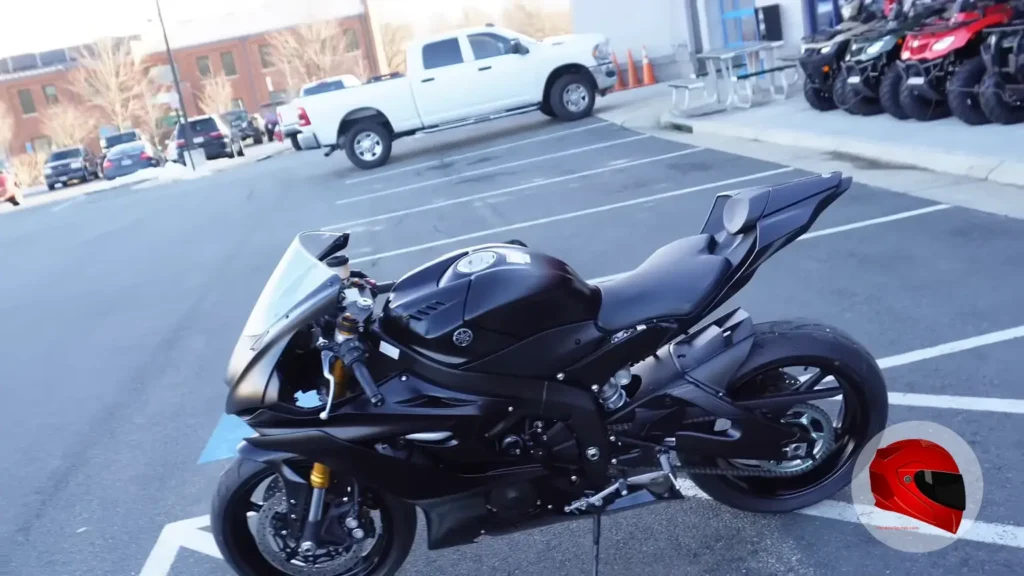
The Yamaha R6 uses a 599cc inline-four that comes alive at high engine speeds. Most of its power sits toward the upper end of the tachometer, giving the bike a sharp, urgent feel on a racetrack and during fast riding. Its close-ratio six-speed transmission helps keep the engine in that effective range during acceleration.
Later models pair a compact Deltabox chassis with a fully adjustable 43mm inverted fork and radial-mount front calipers. Depending on the year and market, equipment can also include traction control, riding modes, YCC-T ride-by-wire throttle, YCC-I variable-length intake technology and quick-shift functionality. These features are not standard across every used R6, so confirm the specification of the individual motorcycle.
The R6 also has a strong competition record for a middleweight supersport. Its engine platform powered five consecutive World Supersport Championships. The 1999 production motorcycle was also the first 600cc four-stroke sport bike credited with producing more than 100 horsepower in stock form.
How the R6 evolved through its generations
- 1999: Yamaha launched the YZF-R6 as a 599cc inline-four supersport with a high-output engine.
- 2003: Fuel injection replaced the earlier carbureted setup, improving throttle control and fueling consistency.
- 2006: YCC-T ride-by-wire throttle and a wet multiplate slipper clutch arrived with a major redesign.
- 2008: YCC-I variable-length intake technology and a revised Deltabox frame updated the engine and chassis package.
- 2017: R1-inspired bodywork, a 43mm inverted fork, stronger brakes, traction control, riding modes, an aluminum fuel tank and a magnesium subframe modernized the platform.
- 2017-2020: The final street generation received aerodynamic revisions that reduced drag by 8 percent compared with the previous model.
- After 2020: Yamaha shifted the R6 platform toward non-homologated race specifications in many markets.
The 2017-2020 motorcycles are the newest street-legal R6 models and usually command the strongest prices. Earlier generations deliver the same basic inline-four character for less money, but age brings greater concern about crash history, electrical faults, suspension wear and parts availability.
The R6’s evolution is easier to understand alongside Yamaha’s current middleweight lineup. The R7 uses a torque-focused twin-cylinder platform and leans toward usable street performance, while the R6 retains the high-revving character of its inline-four. Although they fill a similar role, the R7 does not feel like a direct replacement. The 2026 Yamaha R7 review offers a useful modern comparison for riders weighing the R6’s sharper track focus against newer road-oriented performance.
What a used Yamaha R6 costs
| Market segment | Price range | Typical condition |
|---|---|---|
| Early street models | $3,000–$7,500 | High mileage or older condition |
| Mid-generation models | $7,500–$10,000 | Used street condition |
| Late street models | $10,000–$15,000+ | Clean, low-mileage condition |
| Current listing range | $4,995–$17,495 | All listed conditions |
The average listed price is $12,234, but that number covers motorcycles in very different conditions. A clean, low-mileage 2017-2020 R6 with an original title can sell near or above $12,500. A heavily used early model may be worth a fraction of that amount. Track bodywork, salvage history, missing lights and undocumented engine work can reduce the value even when the motorcycle looks presentable.
Compare the asking price with the title, VIN, mileage, service records, tire age, chain and sprocket wear, fork-seal condition, brake condition and evidence of crashes. A low purchase price can disappear quickly after suspension service, tires, fluids, fairings and electrical repairs. Set aside separate money for insurance, registration, protective gear and transport.
Is the R6 street legal today?
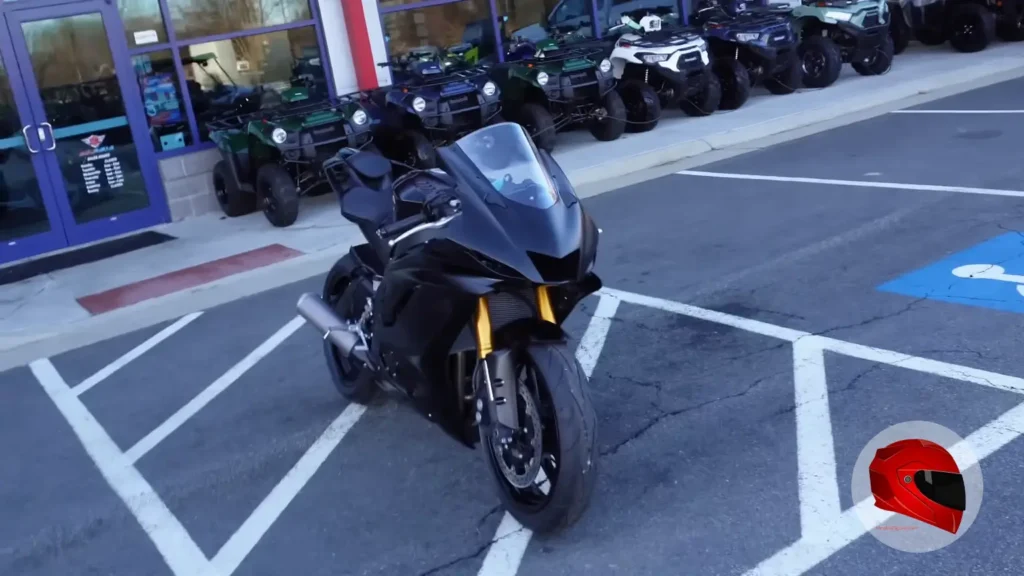
A previously titled street-model Yamaha R6 from 2020 or earlier can generally be registered for public-road use when its title, VIN, equipment and state requirements are in order. A new Yamaha R6 Race is supplied as a race-ready motorcycle with road equipment removed, while the Yamaha R6 GYTR is a dedicated track configuration. Neither is street legal out of the box in the United States.
Converting a track-only R6 requires road equipment, compliant lighting, mirrors, signals, exhaust and emissions components where required, along with a state-approved title path. Parts and custom labor can cost approximately $1,000, $1,500, but state registration rules determine whether the conversion can be titled for public-road use.
Street riding also requires a motorcycle endorsement or applicable permit, insurance, registration and legally required safety equipment. The Motorcycle Safety Foundation provides a recognized training route for riders who need instruction before licensing or endorsement.
How to buy a used Yamaha R6
Most 2026 buyers will choose between a used street model and a purpose-built track bike. The buying process changes depending on whether the motorcycle will be registered for public roads, transported to a circuit, financed or purchased with cash.
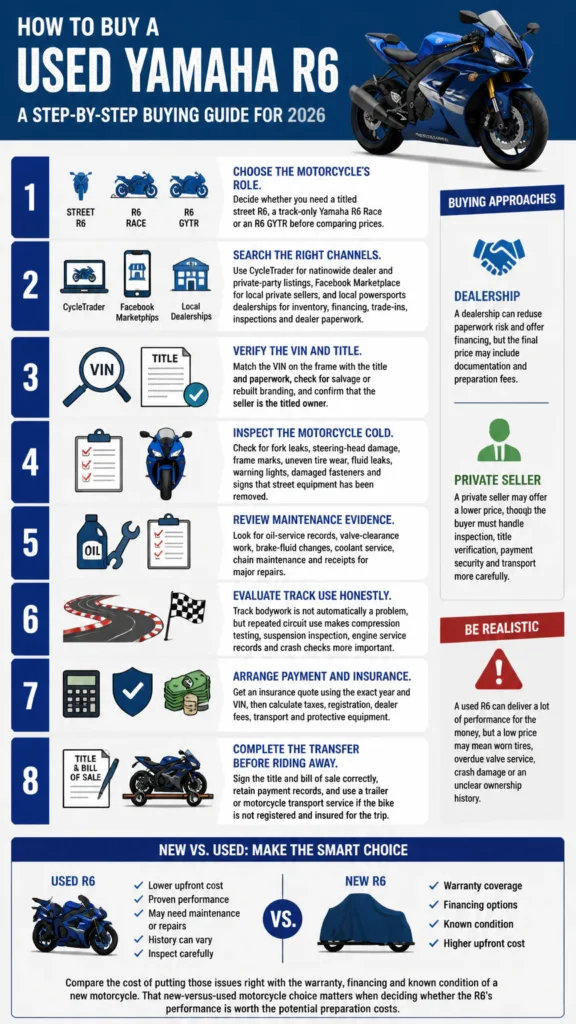
- Choose the motorcycle’s role. Decide whether you need a titled street R6, a track-only Yamaha R6 Race or an R6 GYTR before comparing prices.
- Search the right channels. Use CycleTrader for nationwide dealer and private-party listings, Facebook Marketplace for local private sellers, and local powersports dealerships for inventory, financing, trade-ins, inspections and dealer paperwork.
- Verify the VIN and title. Match the VIN on the frame with the title and paperwork, check for salvage or rebuilt branding, and confirm that the seller is the titled owner.
- Inspect the motorcycle cold. Check for fork leaks, steering-head damage, frame marks, uneven tire wear, fluid leaks, warning lights, damaged fasteners and signs that street equipment has been removed.
- Review maintenance evidence. Look for oil-service records, valve-clearance work, brake-fluid changes, coolant service, chain maintenance and receipts for major repairs.
- Evaluate track use honestly. Track bodywork is not automatically a problem, but repeated circuit use makes compression testing, suspension inspection, engine service records and crash checks more important.
- Arrange payment and insurance. Get an insurance quote using the exact year and VIN, then calculate taxes, registration, dealer fees, transport and protective equipment.
- Complete the transfer before riding away. Sign the title and bill of sale correctly, retain payment records, and use a trailer or motorcycle transport service if the bike is not registered and insured for the trip.
A dealership can reduce paperwork risk and offer financing, but the final price may include documentation and preparation fees. A private seller may offer a lower price, though the buyer must handle inspection, title verification, payment security and transport more carefully.
A used R6 can deliver a lot of performance for the money, but a low price may mean worn tires, overdue valve service, crash damage or an unclear ownership history. Compare the cost of putting those issues right with the warranty, financing and known condition of a new motorcycle. That new-versus-used motorcycle choice matters when deciding whether the R6’s performance is worth the potential preparation costs.
R6 ownership pros and cons
- Performance: The inline-four engine delivers strong top-end power and a distinctive high-revving character.
- Handling: The chassis, brakes and suspension support precise cornering and frequent track use.
- Electronics: Depending on the specification, later street models provide traction control, riding modes, ride-by-wire throttle and quick-shift functionality.
- Resale: The end of street production supports strong demand for clean, titled late-generation examples.
- Riding position: Aggressive ergonomics put substantial weight on the wrists and make low-speed urban riding less comfortable.
- Ownership cost: Supersport insurance, premium tires, frequent chain service, suspension work and track consumables can be expensive.
- Street availability: Buyers cannot order a new street-legal R6 through the normal retail channel, so condition and title quality determine the used purchase.
- Practicality: The narrow powerband and limited comfort make the R6 less suitable for commuting, touring or relaxed beginner riding.
Buying a Yamaha R6 costs more than the asking price. Tires, sportbike insurance, fuel, registration and scheduled maintenance can significantly affect your annual budget, so include these recurring expenses when comparing bikes. A broader breakdown of motorcycle ownership costs can help you estimate the R6’s long-term running costs.
Is the R6 right for you?
The R6 suits experienced riders who value precise handling, high-rpm power and track capability. It can serve as a street-and-track motorcycle if the rider accepts its firm ergonomics and supersport maintenance demands. A clean 2017-2020 street model is the strongest choice for buyers who want modern electronics and straightforward registration.
It is a poor first motorcycle for most new riders. The riding position is demanding, its throttle response and power delivery reward disciplined technique, and insurance can be expensive. New riders should complete training, obtain the proper endorsement and build experience on a more manageable motorcycle before moving to a high-performance 600cc supersport.
The Yamaha YZF-R9 is the newer performance alternative for buyers who want a current Yamaha sport motorcycle with a different engine character and a more contemporary purchase path. The R6 remains the more focused high-revving 600cc choice. An R7 provides a lower-capacity parallel-twin alternative with a different emphasis on usable midrange torque. In outright top speed and peak-rpm performance, the R6 is faster than the R7.
FAQs
Does the Yamaha R6 Race come with a street title?
The Yamaha R6 Race is a non-road race motorcycle and does not arrive as a normal street-legal R6. Title and registration options depend on the motorcycle’s paperwork and the laws of the state where it will be used.
What does R6 GYTR mean?
R6 GYTR refers to a track-oriented Yamaha R6 configuration built around performance components and race use. Treat it as a dedicated circuit motorcycle unless its specific paperwork and equipment establish a legal road-registration path.
How much does R6 insurance cost?
Insurance pricing depends on the rider, location, coverage limits, claims history, age and exact motorcycle year. The R6’s supersport classification generally makes it more expensive to insure than a commuter-oriented motorcycle, but the final premium varies by VIN and policy details.
Conclusion
The Yamaha R6 remains an excellent choice for experienced riders who want a sharp, high-revving supersport and accept used-bike pricing, demanding ergonomics and higher running costs. For public-road use, prioritize a clean, previously titled 2020-or-earlier motorcycle. Choose the R6 Race or R6 GYTR when the intended use is the racetrack.

One Comment