
New vs Used Motorcycle: Which Is Better for Beginners?
For a beginner, the better first motorcycle is one that fits comfortably, has predictable running costs, and leaves enough money for training, protective gear, insurance, and repairs. New motorcycles reduce mechanical uncertainty, while used motorcycles lower the cost of learning. The right choice depends on your budget, mechanical confidence, and ability to absorb unexpected repairs.
New vs. used motorcycle comparison
| Option | Typical cost | Protection or condition | Best for |
|---|---|---|---|
| New motorcycle | $5,000–$15,000+ | Known condition, 1-year warranty | Predictable ownership |
| Used motorcycle | $2,000–$6,000 | Prior wear, usually no warranty | Lower purchase cost |
| Yamaha MT-03 | $4,000–$6,000 used | Lightweight naked bike | City riding and training |
| Kawasaki Ninja 400 | $4,000–$7,000 used | Sport-bike ergonomics | Commuting and sport riding |
| Honda Rebel 300 | $4,000–$6,000 used | Low-seat cruiser format | Shorter riders and relaxed riding |
| Dealerships | $2,000–$15,000+ plus fees | Financing and paperwork support | Convenience and warranty access |
| Private sellers | $2,000–$15,000+ | Independent inspection recommended | Lower purchase price |
| Cycle Trader | $2,000–$15,000+ listing prices | Seller and listing dependent | Remote comparison shopping |
New motorcycle
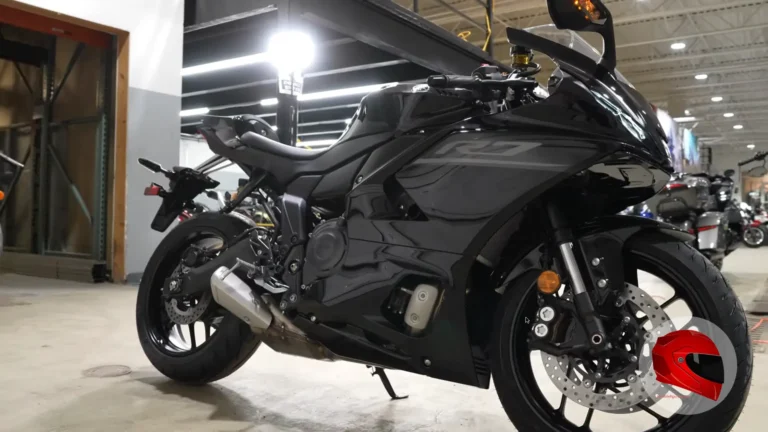
A new motorcycle gives you a known mileage, service history, and ownership history from the first day. Beginner motorcycles commonly cost $5,000 to $15,000 or more before sales tax, destination, setup, documentation, and registration charges. Dealer fees alone can add approximately $500 to $1,500, while some transactions include another $1,000 to $2,000 in charges.

Most new motorcycles include a limited factory warranty, commonly lasting one year. It generally does not cover crash damage, neglected maintenance, normal wear, or modifications. New bikes also lose approximately 15% to 20% of their value at purchase, so buying new makes the most sense when you plan to keep the motorcycle for several years.
- Known condition and complete ownership history
- Current safety and emissions equipment
- Factory warranty for qualifying defects
- Higher purchase price and faster early depreciation
Used motorcycle
A used motorcycle is usually the better financial choice for a beginner with a limited budget or anyone expecting a low-speed tip-over during training. The first owner has already absorbed much of the initial depreciation, and a used beginner motorcycle commonly costs $2,000 to $6,000.
The lower price puts more responsibility on the buyer. A motorcycle can look clean while needing tires, a chain and sprockets, a battery, fluids, fork seals, or valve service. Tires that are five or six years old should be treated as replacement items even when the tread appears acceptable. Most private-party motorcycles have no warranty, and a previous crash or neglected repair can cost more than the initial savings.

A used motorcycle that is approximately one to five years old often balances price, remaining service life, and current equipment. If you cannot evaluate the machine yourself, pay for a pre-purchase inspection by an independent motorcycle technician.
Yamaha MT-03
The Yamaha MT-03 suits riders who want an upright naked-bike layout. Its compact size works for urban riding, training exercises, and daily commuting. The riding position provides a clear view of traffic and makes frequent low-speed maneuvering less demanding than it is on a larger motorcycle.
Its small size also limits passing power and highway reserve compared with a middleweight motorcycle. Riders who plan to move quickly into long-distance touring may outgrow it. A used MT-03 can be good value when it has straight controls, clean engine cases, consistent maintenance records, and no evidence of repeated drops.
Kawasaki Ninja 400
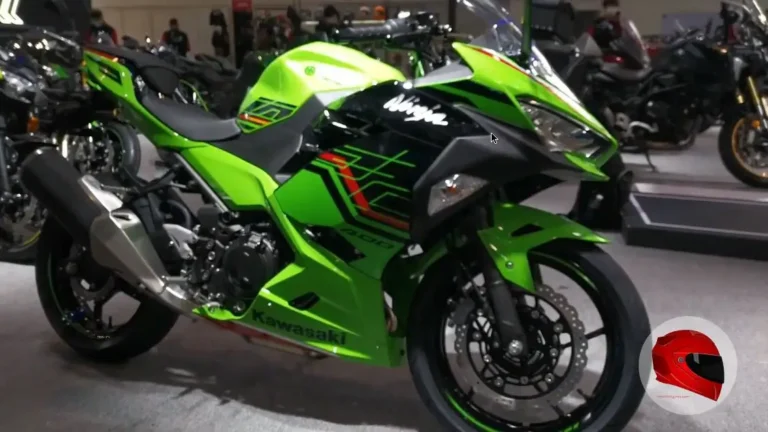
The Kawasaki Ninja 400 gives beginners a sport-bike shape without the weight and power of a large supersport. It suits commuting, regular highway use, and riders who want to develop cornering skills. The fairing adds wind protection, although the forward-leaning position may be uncomfortable for someone who prefers an upright posture.
Used examples are common enough for buyers to compare mileage, equipment, and service history. Inspect the fairing fasteners, bar ends, levers, engine covers, and rear-set controls for crash evidence. ABS is preferable for a new rider because it helps prevent wheel lock during hard braking, but the equipment varies by model year and trim.
Honda Rebel 300
The Honda Rebel 300 is a low-seat cruiser-style motorcycle for riders who want easy footing at stops and a calm, approachable riding position. Its approximately 27.2-inch seat height suits many shorter riders. The tradeoff is limited performance during sustained high-speed travel and when carrying a passenger.
The Rebel 300 fits riders who value confidence at stops more than highway acceleration. Check whether the specific motorcycle has ABS, since equipment varies by year and trim. Anyone planning frequent freeway travel may prefer a Rebel 500 or another motorcycle with more engine reserve, provided its weight and power remain manageable.
Dealerships
Dealerships provide a structured buying experience. A dealer can arrange financing, process title and registration paperwork, provide new-bike warranty support, and sometimes sell used motorcycles with a documented inspection. Those services help first-time buyers who are not yet comfortable assessing a motorcycle mechanically.
That convenience costs money. Ask for the complete out-the-door figure before agreeing to a purchase, including destination, setup, documentation, taxes, registration, and optional products. A monthly payment can conceal a high total cost. Also confirm whether a used motorcycle includes a dealer warranty; “inspected” does not automatically mean warranty coverage.
Private sellers
Private sellers often offer the lowest transaction price and more room for negotiation. They may also have service receipts, spare keys, original parts, and useful information about how the motorcycle was ridden. Treat a seller cautiously if they refuse a cold start, independent inspection, or title review.
Meet in a safe, public location and compare the vehicle identification number on the motorcycle with the title. Do not send a deposit for a motorcycle you have not verified. Before paying, confirm that the seller’s name matches the title, that no lien prevents the transfer, and that the sale documents identify the motorcycle, price, date, and both parties.
Cycle Trader
Cycle Trader helps buyers compare motorcycles across a wider geographic area. Its listings show the spread between new and used prices, common model years, and motorcycles that may not be available nearby. A listing is not a mechanical inspection or a guarantee of the seller’s claims.
Distance adds risk. Before traveling, request the VIN, title status, maintenance records, a cold-start video, and clear photos of the tires, controls, engine cases, frame, and exhaust. Include transportation, inspection, payment security, and title-transfer costs in the budget. Shipping, dealer fees, or immediate maintenance can eliminate the apparent savings from a low advertised price.

When a new motorcycle makes sense
A new motorcycle makes sense when predictable condition and warranty protection are worth more than the initial savings. It suits buyers with limited mechanical knowledge, buyers who need dealer-supported financing, and riders who plan to keep the motorcycle through its early service intervals. New models also tend to include current lighting, braking, emissions, and rider-safety equipment.
New ownership does not eliminate other costs. Budget approximately $600 to $1,500 for protective gear, $500 to $1,500 or more per year for insurance, plus taxes and registration. Sales tax commonly falls between 4% and 10%, depending on the state and local jurisdiction. Request an itemized buyer’s order before signing so you know the total price.
- Choose new when a warranty would protect your budget from an unexpected defect.
- Choose new when financing terms matter and the total payment remains affordable.
- Choose new when current safety equipment is a priority.
- Choose used when immediate depreciation would create financial strain.
How to choose a first motorcycle
Fit and control matter more than engine size alone. Sit on the motorcycle with both hands on the controls, check that you can operate the clutch and front brake comfortably, and make sure you can move the motorcycle without excessive strain. A manageable first bike should start reliably, steer predictably, and allow a controlled stop with both feet positioned confidently.
Engine displacement is only one part of the decision. A 900cc motorcycle is generally too much for a new rider when it is heavy, aggressive, or difficult to control at low speed. Some larger-displacement motorcycles are calm, but weight, seat height, braking behavior, throttle response, and overall performance matter more than the number printed on the side.
ABS is valuable for new riders because it reduces the chance of wheel lock during emergency braking. It cannot correct poor technique, excessive speed, or an unsafe following distance, but it adds a margin of safety when a beginner brakes abruptly on changing pavement.
Engine size alone doesn’t tell you whether a motorcycle is a good fit for a beginner. Seat height, weight, throttle response, riding position, insurance costs and the roads you ride all affect how manageable it feels. Consider these factors when you choose a first motorcycle, rather than comparing a new model with the cheapest used bike.
Used motorcycle inspection checklist
Inspect a used motorcycle in daylight with the engine cold. A warm engine can conceal starting problems, while a freshly washed motorcycle can make leaks or damaged finishes harder to spot. Bring a flashlight, and do not let pressure from a seller replace a mechanical inspection.
- Match the VIN on the frame to the title and registration documents.
- Check the title for the seller’s name, lien information, and salvage branding.
- Inspect the frame, steering stops, engine covers, levers, mirrors, and exhaust for crash damage.
- Check tire age, tread, cracks, flat spots, and uneven wear.
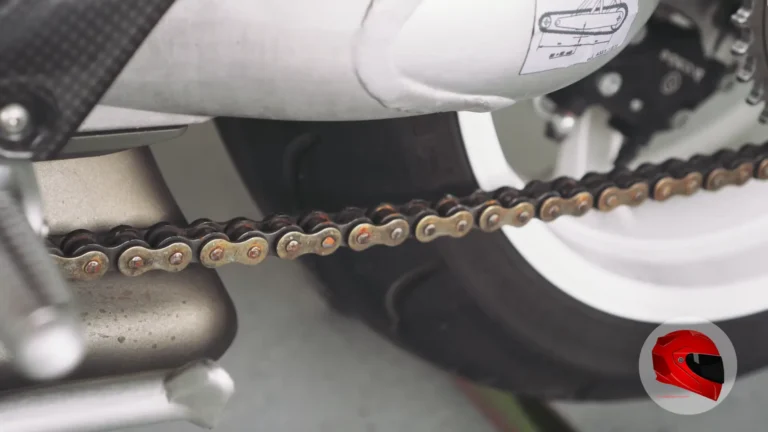
- Examine the chain and sprockets for rust, hooked teeth, tight spots, and excessive slack.
- Look for fork-oil leakage, bent controls, fluid leaks, and damaged wiring.
- Confirm that the engine starts cold, idles consistently, and does not produce persistent smoke.
- Test the lights, horn, switches, brakes, clutch, and charging system.
A healthy battery should rest near 12.6 volts. With the engine running, the charging system generally produces 13.5 to 14.5 volts. Chain-and-sprocket replacement can cost approximately $150 to $250, while fork-seal repair can cost approximately $200 to $400. Subtract those potential repairs from the amount you can afford before making an offer.
A low purchase price does not always mean a used motorcycle is a good deal. Before negotiating, check the tires, brakes, chain, fluid leaks, electrical equipment, service records and any signs of crash damage. A thorough used motorcycle buying checklist can reveal whether the bike offers genuine value or needs expensive repairs right away.

Budget beyond the purchase price
The motorcycle is only one part of the first-year cost. A safety course commonly costs $150 to $350, a learner permit costs approximately $10 to $25, and a motorcycle endorsement commonly costs $15 to $50. Registration can cost $20 to $100 per year, inspections can cost $7 to $40, and title transfer commonly costs $15 to $100.
Insurance varies by age, location, motorcycle, riding history, and coverage level. Liability-only coverage commonly falls around $200 to $500 per year, while full coverage commonly costs $900 to $1,500 or more. Financing a new motorcycle may also require full coverage, increasing the monthly ownership cost beyond the payment shown in an advertisement.
Before shopping, reserve money for gear, insurance, registration, training, fuel, scheduled service, and repairs. A cheaper used motorcycle is not a bargain if buying it leaves no money for tires, brakes, or protective equipment.
Ownership costs include oil changes, inspections, tires, brake work, chain care and other scheduled maintenance. A new motorcycle usually has more predictable early service costs, while a used bike may need catch-up work if the previous owner skipped maintenance. Knowing how often to service a motorcycle helps you compare the total cost of each option instead of looking only at the purchase price.
Complete the purchase safely
Arrange insurance before riding the motorcycle away, and use a payment method that creates a clear record. In a private sale, complete the title assignment, bill of sale, odometer disclosure when required, and lien release before treating the transaction as finished.
- Confirm the motorcycle’s VIN, title status, service records, and inspection results.
- Agree on the total price and list every included item in writing.
- Verify insurance coverage before taking possession.
- Exchange payment only after the title and keys are ready for transfer.
- Complete the title and registration process within the state’s required window, commonly 10 to 30 days.
- Use a trailer or transport service if the motorcycle is not registered, insured, or safe to ride.
State requirements differ, especially for temporary permits, inspections, notarization, and lien paperwork. Never ride an unregistered or uninsured motorcycle simply because the sale is complete.
FAQs
What is the 12-second rule on a motorcycle?
The 12-second rule means looking at least 12 seconds ahead in your path of travel and continually updating that view. It gives you more time to spot traffic conflicts, surface changes, stopped vehicles, and escape routes before they become immediate hazards.
Which motorcycle has the least problems?
No model is trouble-free, and maintenance history matters as much as the badge on the tank. A lightly used, stock Yamaha MT-03, Kawasaki Ninja 400, or Honda Rebel 300 with documented servicing is generally a safer mechanical bet than a neglected motorcycle with fewer miles.
Is 900cc too much for a beginner?
A 900cc motorcycle is usually an unnecessarily difficult first bike when it is heavy or powerful. New riders generally learn faster on a lighter motorcycle with predictable throttle response, manageable braking, and enough performance for the roads they use.
Should a beginner buy a brand-new motorcycle?
Buying new is reasonable when you can comfortably afford the full out-the-door cost, gear, insurance, and maintenance reserve. Used is usually the better financial choice when depreciation or a possible low-speed drop would create significant financial pressure.
Conclusion
For most beginners, a carefully inspected used motorcycle one to five years old offers the strongest value. A new motorcycle is a better fit when warranty coverage and predictable condition matter more than the initial savings. Choose a manageable model, reserve money for training and gear, and do not complete a private sale until the motorcycle, title, and paperwork all check out.

One Comment
Comments are closed.