
How to Choose Your First Motorcycle: A Beginner Guide
Choosing a first motorcycle depends on how it fits your body and where you plan to ride, not on engine size or the lowest price. Your riding environment, inseam, braking confidence, licensing path, insurance cost and highway plans all matter. A manageable motorcycle that suits your body and daily routes will make it easier to practice regularly and build skill safely.
Beginner Motorcycle Comparison
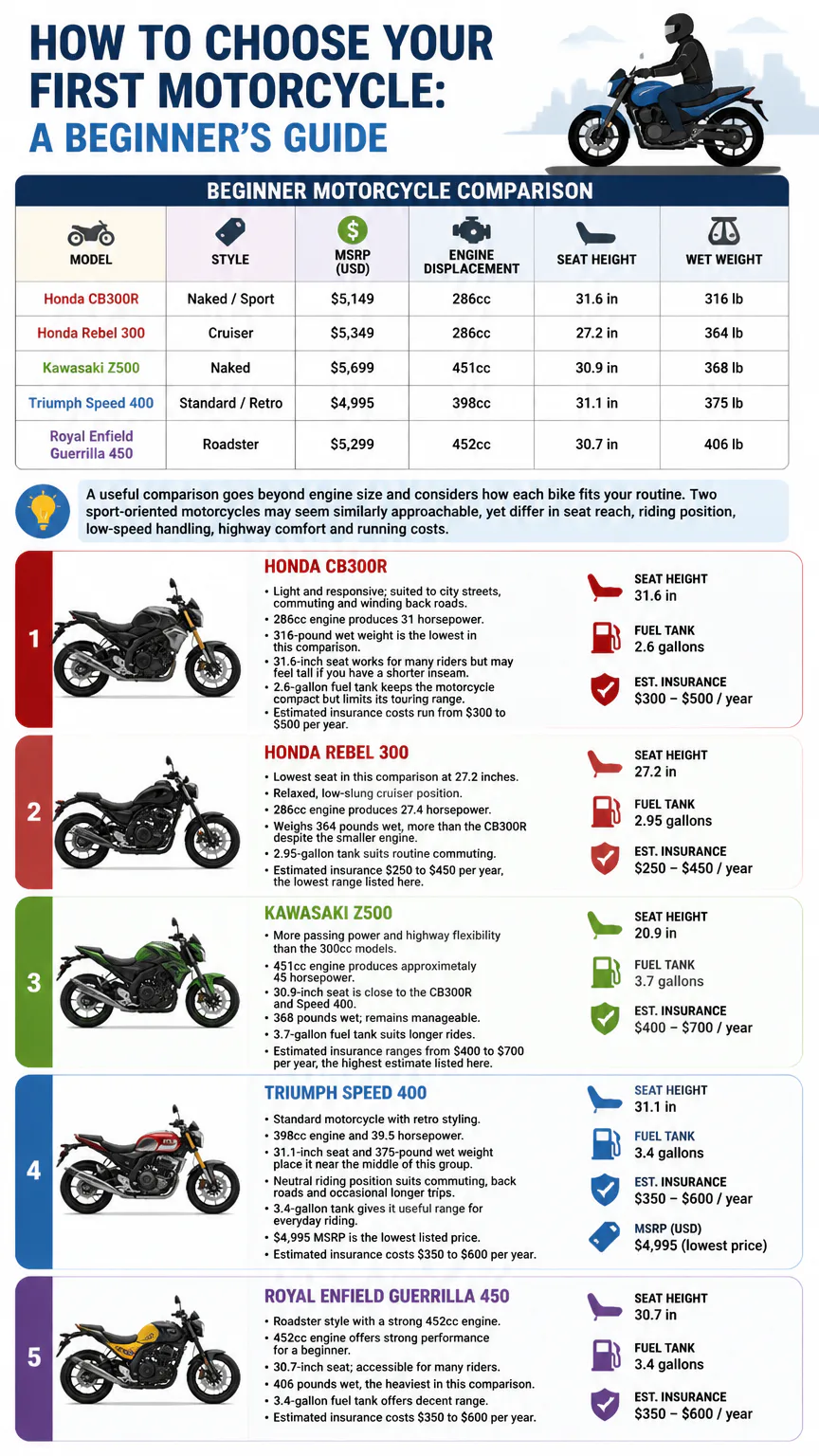
| Model | Style | MSRP (USD) | Engine Displacement | Seat Height | Wet Weight |
|---|---|---|---|---|---|
| Honda CB300R | Naked / Sport | $5,149 | 286cc | 31.6 in | 316 lb |
| Honda Rebel 300 | Cruiser | $5,349 | 286cc | 27.2 in | 364 lb |
| Kawasaki Z500 | Naked | $5,699 | 451cc | 30.9 in | 368 lb |
| Triumph Speed 400 | Standard / Retro | $4,995 | 398cc | 31.1 in | 375 lb |
| Royal Enfield Guerrilla 450 | Roadster | $5,299 | 452cc | 30.7 in | 406 lb |
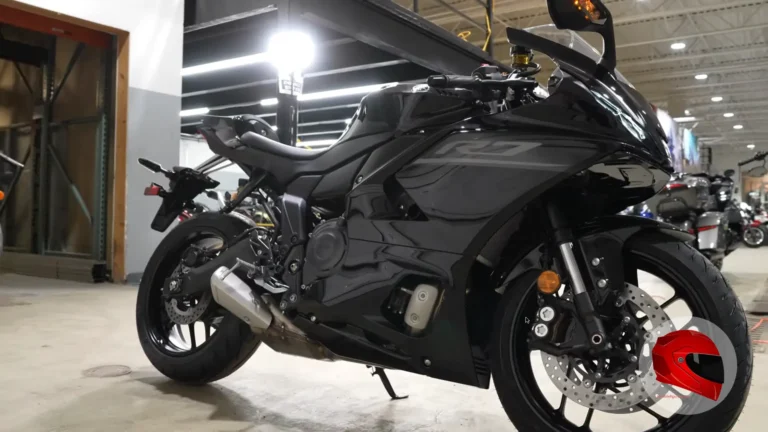
A useful comparison goes beyond engine size and considers how each bike fits your routine. Two sport-oriented motorcycles may seem similarly approachable, yet differ in seat reach, riding position, low-speed handling, highway comfort and running costs. The Ninja 400 versus Yamaha R3 comparison shows how two beginner-friendly options can suit different priorities.
Honda CB300R
The Honda CB300R is light and responsive, making it suited to city streets, commuting and winding back roads. Its 286cc engine produces 31 horsepower, and its 316-pound wet weight is the lowest in this comparison. The 31.6-inch seat works for many riders but may feel tall if you have a shorter inseam.
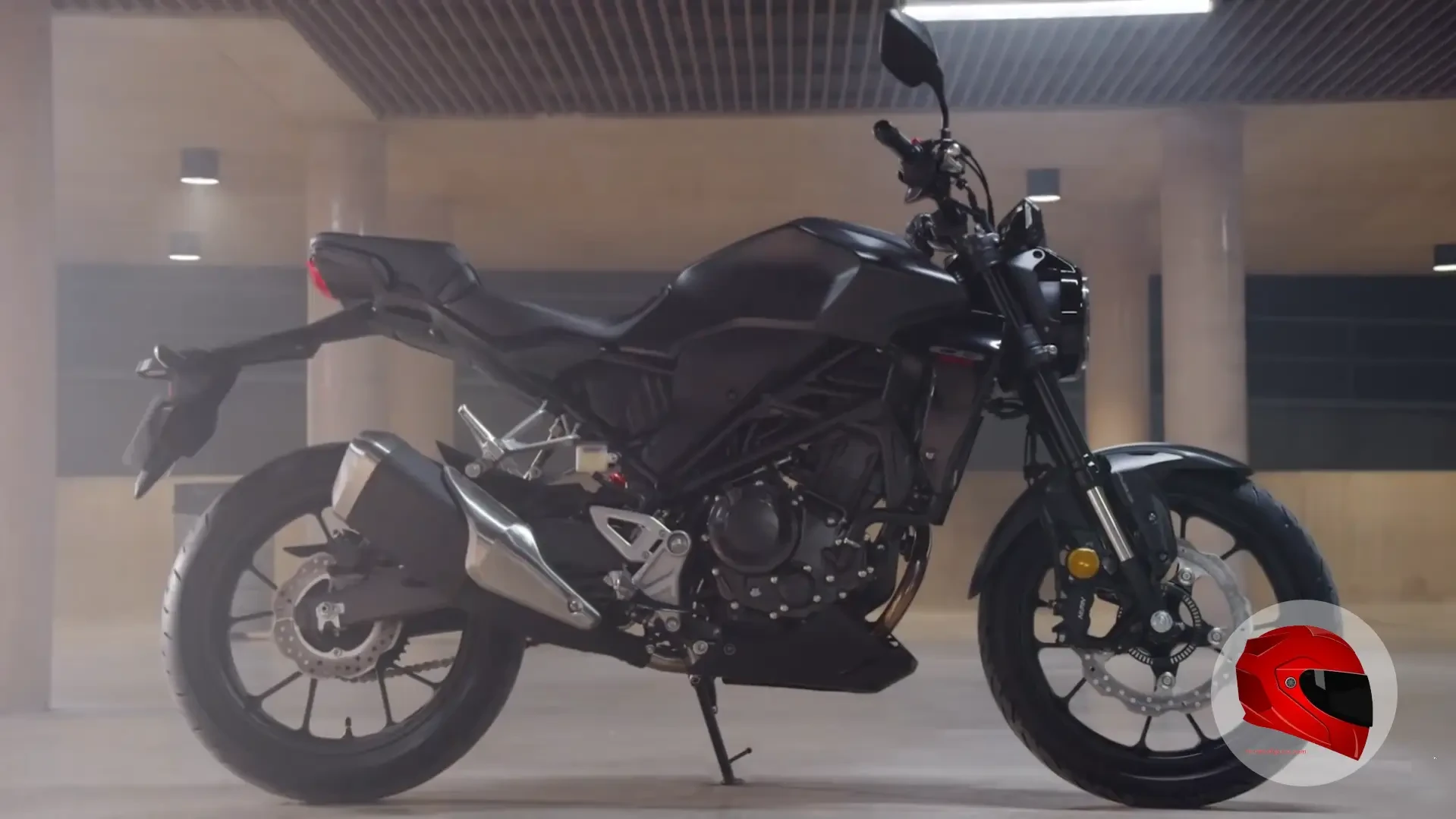
The 2.6-gallon fuel tank keeps the motorcycle compact but limits its touring range. Estimated insurance costs run from $300 to $500 per year. The upright naked-bike position gives you a clear view in traffic, although the limited wind protection can become tiring on longer highway rides.
Honda Rebel 300
The Honda Rebel 300 has the lowest seat in this comparison. At 27.2 inches, its seat makes stops and slow-speed maneuvers less intimidating, especially for riders with a shorter inseam. The cruiser layout also puts the rider in a relaxed, low-slung position.
Its 286cc engine produces 27.4 horsepower, and the motorcycle weighs 364 pounds wet. That is more than the CB300R despite the smaller engine. The 2.95-gallon tank suits routine commuting, while estimated insurance of $250 to $450 per year is the lowest range listed here. The relaxed chassis is less suited to aggressive cornering or frequent high-speed travel.
The Rebel 300 is approachable not just because of its engine size. Its low seat and relaxed riding position make stops and slow-speed maneuvers less stressful. New riders should also consider curb weight, clutch feel and how the bike handles everyday traffic rather than judging fit by seat height alone. Details like these, including the available E-Clutch option on the Rebel 300 performance specs, can shape the ownership experience.
Kawasaki Z500
The Kawasaki Z500 gives a beginner more passing power and highway flexibility than the 300cc models. Its 451cc engine produces approximately 45 horsepower, and its 30.9-inch seat is close to the CB300R and Speed 400. At 368 pounds wet, it remains manageable while offering more performance.
The 3.7-gallon fuel tank suits longer rides, but the extra power calls for disciplined throttle control during early practice. Estimated insurance ranges from $400 to $700 per year, the highest estimate listed here. It suits riders who expect regular suburban or highway riding and plan to keep the motorcycle for several seasons.
Triumph Speed 400
The Triumph Speed 400 is a standard motorcycle with retro styling, a 398cc engine and 39.5 horsepower. Its 31.1-inch seat and 375-pound wet weight place it near the middle of this group. The neutral riding position suits commuting, back roads and occasional longer trips.
A 3.4-gallon tank gives it useful range for everyday riding, and its $4,995 MSRP is the lowest listed price. Estimated insurance costs $350 to $600 per year. The Speed 400 has enough performance to remain useful as your skills improve, but practice smooth clutch and throttle control before using all of its capability.
Royal Enfield Guerrilla 450
The Royal Enfield Guerrilla 450 is a roadster for riders who want a compact, upright motorcycle with more engine capacity than the 300cc choices. Its 452cc engine and 30.7-inch seat make it approachable for many riders, while the engine gives it stronger acceleration on open roads.
Its $5,299 MSRP falls between the Triumph and Kawasaki. The seat is slightly lower than both, but seat height does not determine confidence by itself. Handlebar reach, fuel load, steering feel and parking-lot balance matter too. Choose it if you want a first motorcycle with room to grow and are ready to manage more performance than a small single-cylinder commuter.
Requirements and context
Before buying, complete a recognized beginner training course and learn your state’s licensing rules. The Motorcycle Safety Foundation Basic RiderCourse combines classroom or online instruction with hands-on exercises in a controlled riding area. It covers braking, shifting, cornering, low-speed control and hazard awareness before you ride alone in traffic.
- Obtain a motorcycle learner permit or motorcycle endorsement according to state rules.
- Complete the required written and riding examinations, unless an approved course provides a waiver.
- Check for passenger, nighttime, highway or engine-size restrictions attached to a learner permit.
- Arrange motorcycle insurance before riding on public roads.
- Register and title the motorcycle in the state where you will operate it.
A Class M motorcycle endorsement or equivalent motorcycle privilege is required for public-road riding in the United States, although the process differs by state. A course waiver may remove the practical test in some states, but you still need to apply for the endorsement, carry insurance and follow any permit restrictions.
Define where and how you will ride
Base your decision on the roads you expect to use during the first six months, rather than on an imagined future trip. Urban commuting favors light steering, modest engine heat and easy low-speed balance. Regular highway travel calls for enough acceleration to merge and pass without keeping the engine near its limit.
- City streets: prioritize low weight, predictable throttle response and an upright view.
- Back roads: choose neutral ergonomics, controllable cornering and moderate suspension travel.
- Highways: favor stronger midrange power, a stable chassis and a fuel tank suited to longer distances.
- Unpaved roads: look for suitable tires, ground clearance and suspension travel. A street-focused motorcycle is not automatically suitable for dirt.
- Touring: account for luggage, wind protection, fuel range and riding position as well as engine size.
Use your actual route to narrow the choices. A low seat helps in traffic, but highway commuting may justify a larger engine and a little more weight if you can control the motorcycle comfortably at a stop.
Check your fit and riding position
Seat height is only one measurement. A motorcycle with a narrow front section of the seat may let you place both feet more confidently than a taller motorcycle with a wide seat. Handlebar reach, knee bend, peg position and the effort needed to hold the bike upright at walking speed also affect control.
- Sit on the motorcycle while wearing the boots you plan to ride in.
- Keep your wrists neutral when reaching the controls.
- Turn the handlebars fully and check that your knees and hands remain clear.
- Walk the motorcycle backward and forward with both feet and the front brake.
- Practice lifting it from a slight lean before buying.
You do not need both feet completely flat to ride safely, but you should be able to stop without panic and move the motorcycle around a parking space. A lighter motorcycle is easier to recover from a slow-speed mistake, while a low motorcycle can still feel heavy if its weight sits high.
Choose manageable engine performance
Engine displacement is a useful starting point, but it does not tell the whole story. Cylinder configuration, throttle response, gearing, power delivery and overall weight determine how a motorcycle behaves when you open the throttle or release the clutch. A smooth 450cc engine can be easier to manage than an abrupt, highly tuned smaller engine.
For a first motorcycle, look for predictable acceleration and forgiving low-speed response. More power helps with merging, but it also leaves less room for mistakes. The CB300R and Rebel 300 emphasize approachable output, while the Z500, Speed 400 and Guerrilla 450 offer more reserve for faster roads and longer-term ownership.
Test the clutch friction zone, steering effort and braking feel before judging performance. A motorcycle that feels calm at walking speed and does not require a strained reach is often the better beginner choice, even if another model has more attractive specifications.
Engine size is only part of the picture. A lighter bike with modest power may accelerate as quickly as a heavier motorcycle with a larger engine, while remaining easier to control at low speeds. Comparing motorcycle power-to-weight ratios shows why a manageable engine paired with a light chassis is often a better choice for a first motorcycle than simply chasing horsepower.
Budget for safety and ownership
The purchase price is only the first motorcycle expense. Include sales tax, registration, dealer or delivery charges, insurance, fuel, maintenance, tires and protective equipment when setting your budget. A motorcycle that uses the entire budget can leave no money for training or essential gear.
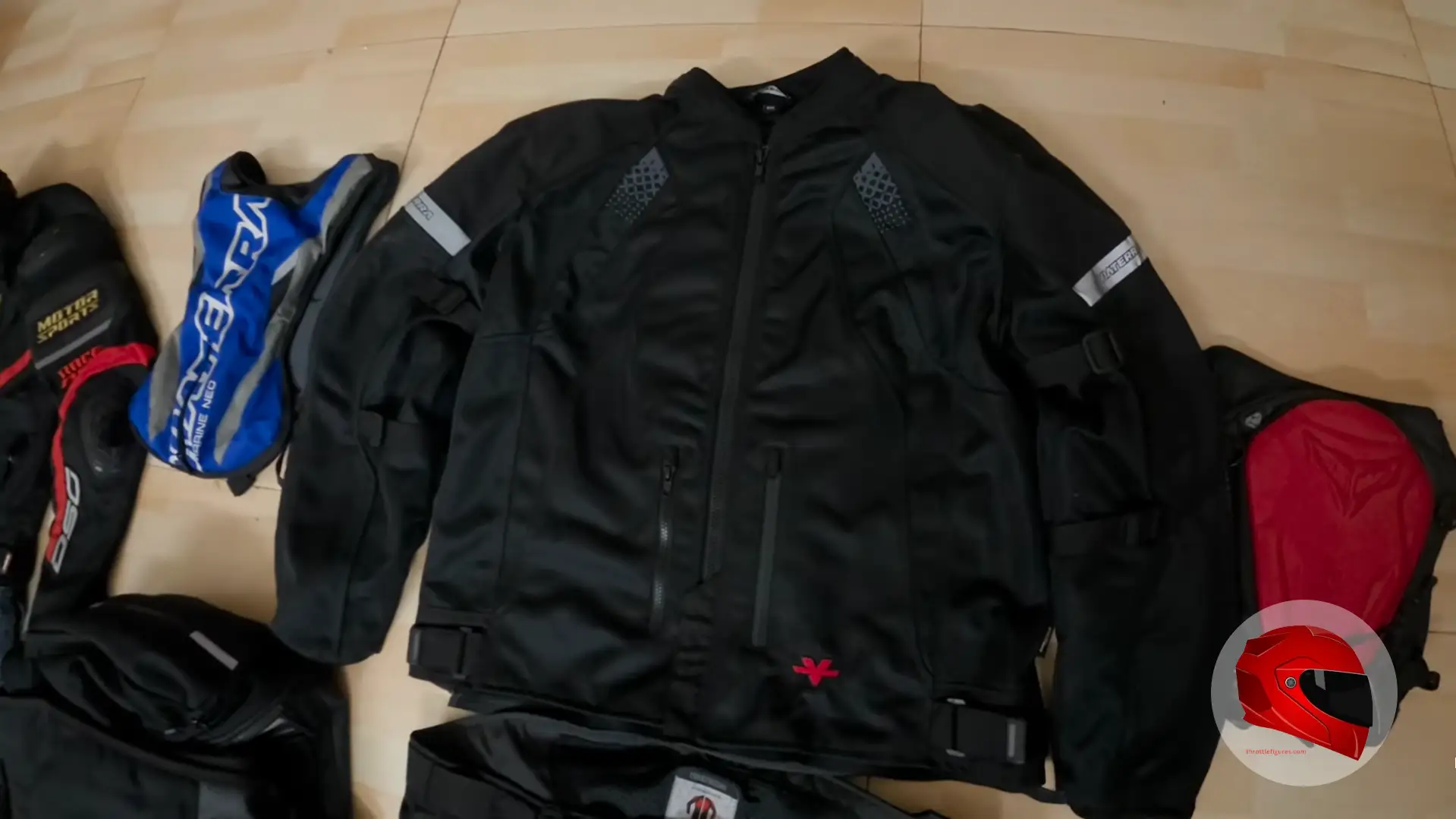
- Price a full-face helmet, jacket, gloves, riding pants and over-the-ankle boots.
- Get an insurance quote for the exact model before signing a purchase agreement.
- Set aside money for the first service, chain maintenance and eventual tires.
- Compare the total financed amount, including interest and fees, with the cash price.
- Inspect a used motorcycle for crash damage, tire age, chain condition, fluid leaks and clean title paperwork.
First-time buyers can compare dealer financing with offers from banks and credit unions. Review total interest and fees instead of focusing only on the monthly payment. Check whether the program requires a down payment or co-signer.
When comparing a first-time buyer program, check the APR, loan term, total repayment, required down payment, lender restrictions and dealer-program terms. Confirm eligibility before negotiating around the monthly payment, including credit requirements, income documentation, motorcycle age or model limits and whether the advertised offer applies to the exact motorcycle you want.
Choose a helmet certified to the U.S. DOT FMVSS 218 standard at minimum. ECE 22.05 and ECE 22.06 are European standards, with ECE 22.06 adding multi-impact and rotational-acceleration testing. Snell M2020D and M2020R are voluntary standards focused on high-energy impacts and repeated-hit structural integrity. Protective gear does not replace training, but it reduces exposure when a mistake becomes a fall.
Prioritize braking and practice
Anti-lock braking systems help prevent wheel lockup during emergency braking and reduce the chance of a low-side skid caused by over-braking. Systems may use two-channel wheel control or more advanced inertial measurement hardware. ABS does not shorten every stop or compensate for poor technique, but it gives new riders additional margin during many paved-road emergencies.
Traction control can help manage rear-wheel spin on wet or loose pavement, which is useful for beginners who ride in changing conditions. A slipper clutch reduces rear-wheel hop during aggressive downshifts, while simple controls and a predictable clutch reduce mental workload during early practice. Compare these features alongside ABS, not as substitutes for smooth throttle, clutch and braking technique.
Practice progressive braking in a straight line, smooth downshifts, shoulder checks and low-speed turns in an empty lot. Leave plenty of following distance while learning, and scan far enough ahead to spot changing traffic before it becomes an emergency. The motorcycle should make these exercises feel controlled rather than intimidating.
Buy and Inspect the Motorcycle
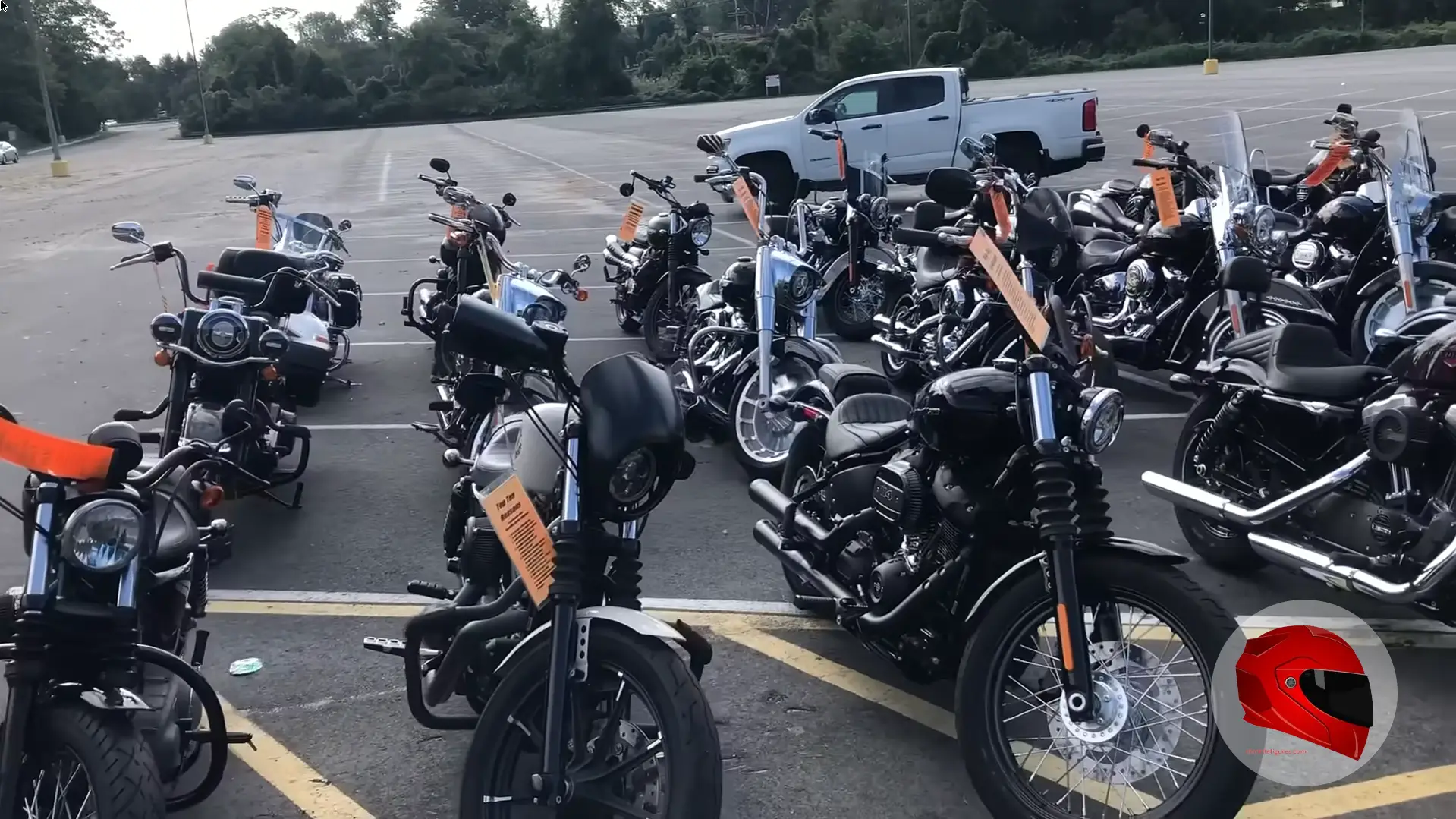
Use a different process with a dealer and a private seller, but apply the same document and condition checks to both. A dealer may handle financing, title paperwork, registration and warranty support. A private seller may offer a lower price, but you will need to verify the transaction and arrange payment and transport yourself.
- Compare the advertised price with the out-the-door total, including sales tax, registration, documentation, destination, delivery and dealer fees.
- Record the VIN from the frame and compare it with the title, registration and purchase paperwork. Check for an outstanding lien and confirm that the seller can transfer ownership.
- Review service records and ask about keys, recalls, modifications, previous crashes and replacement parts.
- Inspect the frame, forks, wheels, controls, brake lines, tires, chain, sprockets, fluid levels and engine cases for crash damage, leaks or neglected maintenance.
- Ask to start the motorcycle cold. Listen for abnormal noise, watch for smoke or warning lights and confirm that it reaches a stable idle.
- Test-sit the motorcycle and operate the controls. Take a test ride only when the seller permits it, your license and insurance meet local requirements and the route is safe.
- Pay using a traceable method after agreeing on the price. Complete a bill of sale with the VIN, date, price, mileage, buyer, seller and signatures.
- Arrange insurance before riding away, then complete title transfer and registration. If the motorcycle is not road-ready or insured, use a trailer or other secure transport instead of riding it home.
Plan for Beginner Drops and Repairs
- Compare exposed controls, mirrors, turn signals, engine covers and fairing panels before choosing a model. A low-speed drop can damage these parts even when the motorcycle remains rideable.
- Ask a dealer or parts supplier for replacement prices for levers, mirrors, indicators, foot controls and bodywork. Costs can differ substantially between a lightly faired motorcycle and a mostly exposed naked bike.
- Include frame sliders, engine guards or other model-specific protection in the ownership budget when compatible equipment is available.
- Check whether the insurance quote includes collision coverage for damage to your motorcycle. Liability coverage pays for injuries or property damage you cause to others; it does not by itself pay to repair your bike.
- Keep a repair reserve separate from the purchase budget so a parking-lot fall does not use money needed for training, tires or required maintenance.
First-Season Decision Checklist
- Can you place your feet securely enough at a stop and reach every control without strain?
- Can you control the motorcycle at walking speed, turn it around and park it comfortably?
- Does it match the roads you will actually ride, including any regular highway use?
- Do you feel confident with its acceleration and wind exposure at highway speed?
- Is ABS available on the exact motorcycle and trim you plan to buy?
- Does the full first-year budget cover the motorcycle, fees, gear, training, insurance, fuel, maintenance and repairs?
- Have you completed the required licensing steps and obtained the Class M motorcycle endorsement or applicable permit?
- Have you received an insurance quote for the exact model and your riding profile?
- Have you completed the Motorcycle Safety Foundation Basic RiderCourse or equivalent training?
- Can you move and park the motorcycle comfortably without help?
FAQs
What is a good first motorcycle for a beginner?
A good first motorcycle is light enough to control at walking speed, fits your inseam and reach, and has predictable power. The Honda CB300R and Honda Rebel 300 suit riders who want simple, manageable output, while the Triumph Speed 400 and Kawasaki Z500 suit riders who expect more highway use.
What is the 12-second rule on a motorcycle?
The 12-second rule means scanning the road at least 12 seconds ahead at your current speed. This gives you more time to spot stopped traffic, turning vehicles, debris, pedestrians and changing road conditions, then adjust your speed before an emergency develops.
How much should I spend on my first motorcycle?
Budget for the motorcycle, taxes and registration, insurance, training, protective gear and initial maintenance together. The listed new motorcycles range from $4,995 to $5,699 in MSRP, but the first-year cost is higher once those ownership expenses are included.
Is a low seat more important than low weight?
Neither measurement is always more important. A low seat improves reach at stops, while low weight makes parking, turning around and recovering from a lean easier. Sit on the motorcycle and test both foot placement and slow-speed handling before deciding.
Should a beginner buy new or used?
A new motorcycle offers predictable condition, current equipment and a manufacturer warranty. A used motorcycle can reduce the purchase cost, but inspect its title, maintenance history, tires, controls, frame and signs of a crash before buying.
Conclusion
Choose the motorcycle that fits your body, routes and complete ownership budget, then put training and controlled practice ahead of extra performance. For many new riders, the Honda Rebel 300, Honda CB300R or Triumph Speed 400 is a sensible starting point. The Kawasaki Z500 and Royal Enfield Guerrilla 450 make more sense when highway use and long-term power needs justify them.

5 Comments
Comments are closed.