Yamaha R6: Specs, Street Availability & Rider Suitability
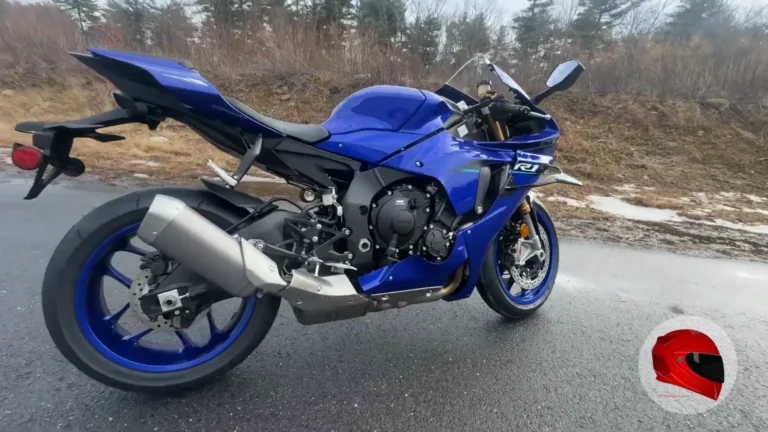
For riders considering a used supersport, the Yamaha YZF-R6 pairs a 599cc inline-four with a committed, track-focused riding position. Its high-revving power delivery rewards experience. Street-legal examples are now older models, so buyers need to check the year, title, condition and intended use, public roads or a closed course.
Yamaha R6 specifications and price
| Specification | Value |
|---|---|
| Model introduced | 1999 |
| Street-legal production | 1999–2020 |
| Engine | 599–599.8cc liquid-cooled 4-stroke inline-four |
| Valve train | DOHC, 16 valves |
| Peak horsepower | 117–118 hp at 14,500 rpm (crankshaft) |
| Peak torque | 45.7 lb-ft at 10,500 rpm |
| Transmission | 6-speed; multiplate slipper clutch |
| Wet weight | Approximately 419 lb (190 kg) |
| Street-model pricing | $7,499–$17,495 used listings; 2017–2020 models $8,500–$11,500+ |
| Track-only R6 RACE pricing | $13,499–$17,999+ |
| Intended rider | Experienced street riders; intermediate-to-advanced track riders |
| Bore × stroke | 67.0 × 42.5 mm (2006–2020); 65.5 × 44.5 mm (early models) |
| Compression ratio | 12.4:1–13.1:1, depending on generation |
| Fuel delivery | Carburetors (1999–2002); fuel injection from 2003; YCC-T from 2006; YCC-I from 2008 |
| Frame | Aluminum Deltabox |
| Front suspension | 43 mm fully adjustable inverted fork |
| Rear suspension | Fully adjustable link-type shock |
| Front brakes | Dual 310 mm discs; ABS standard on 2017–2020 street models |
| Rear brake | 220 mm disc |
| Fuel capacity | 4.7 US gal (17.8 L) |
| Track-only R6 RACE production | 2021–present |
The R6 is a 600-class motorcycle with approximately 599cc of displacement, not a 1000cc model.
How the R6 delivers performance
The R6’s inline-four makes its strongest power high in the rev range, with peak horsepower at 14,500 rpm. It can feel restrained at low engine speeds, then build power as the revs climb. Riders need to manage the throttle and choose gears deliberately to keep the engine in its useful range.
The six-speed gearbox and slipper clutch support rapid downshifts. The forward-leaning riding position puts more weight on the rider’s wrists than a relaxed street bike does. On a racetrack, the R6 can be ridden at sustained speed; in traffic or on a long commute, the same setup can become tiring.
Street legality and availability
Road-legal Yamaha YZF-R6 models for the U.S. market ended after the 2020 model year. Used street versions remain available, but the model name alone does not establish whether a motorcycle can be registered for road use. A track-only title or set of documents does not become street-legal just because the bike has lights or mirrors installed.
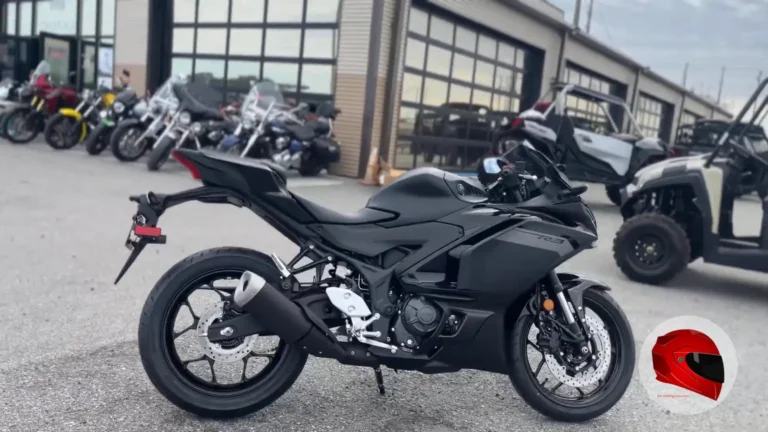
The Yamaha R6 RACE is a track-only version with a 599cc inline-four, 118.4 hp at 14,500 rpm, and a wet weight of 408 lb. Its track-only status does not change if lights or mirrors are fitted. Road registration depends on the motorcycle’s title and the applicable state rules.
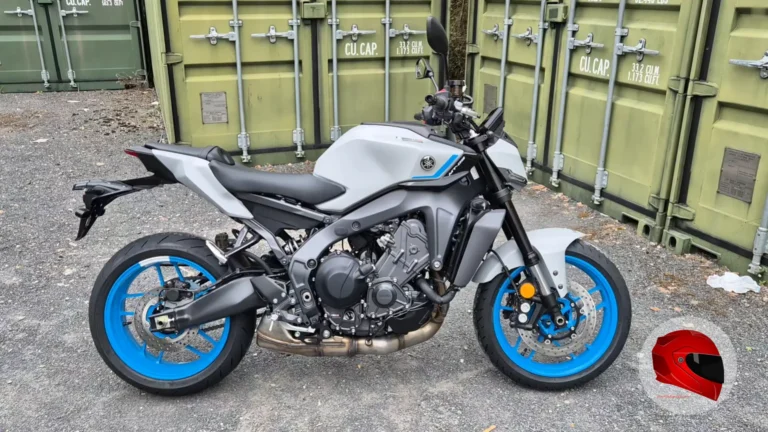
New road-legal R6s are no longer widely available in many markets, so buyers considering a current Yamaha sport bike may also look at the R9. Its equipment and specifications show how it differs from the R6 formula. Yamaha R9 specs
Price and used-market value
R6 prices vary with model year, mileage, service history, title status, modifications and crash damage. A clean, road-titled bike with maintenance records is a different purchase from a track-prepped machine with a salvage history, even if both are advertised under the same model name. Compare listings for similar years and condition; the asking price alone does not establish value.
Track-only R6 RACE models sell in a separate market from used street bikes. Race bodywork, suspension changes and other track equipment may add value for a racer, but make the bike less suited to road use. Before settling on a price, budget for a professional inspection and any immediate work on the tires, brakes, chain or fluids.
Is the R6 suitable for beginners?
The R6 is generally a poor first motorcycle. Its high-revving power delivery can make smooth acceleration harder for a new rider, and its aggressive ergonomics are less forgiving during slow-speed practice and everyday riding. The bike’s performance also leaves less room for mistakes than a lower-powered, more upright motorcycle.
If you’re drawn to the R6’s appearance, consider learning on a more manageable bike before moving to a 600cc supersport. Take a recognized rider-training course and build experience with braking, cornering and traffic judgment before riding a high-powered motorcycle. The R6 is better suited to riders who already have those skills.
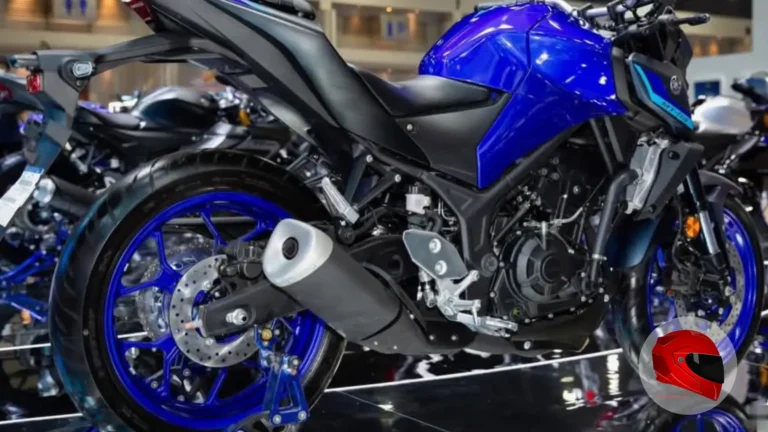
For a newer rider, the R6’s demanding power delivery and committed ergonomics can make routine practice tiring. A smaller sport bike gives you a more forgiving way to build braking, cornering and traffic skills. Yamaha R3 specs and performance covers what that step down involves.
R6 alternatives for street riding
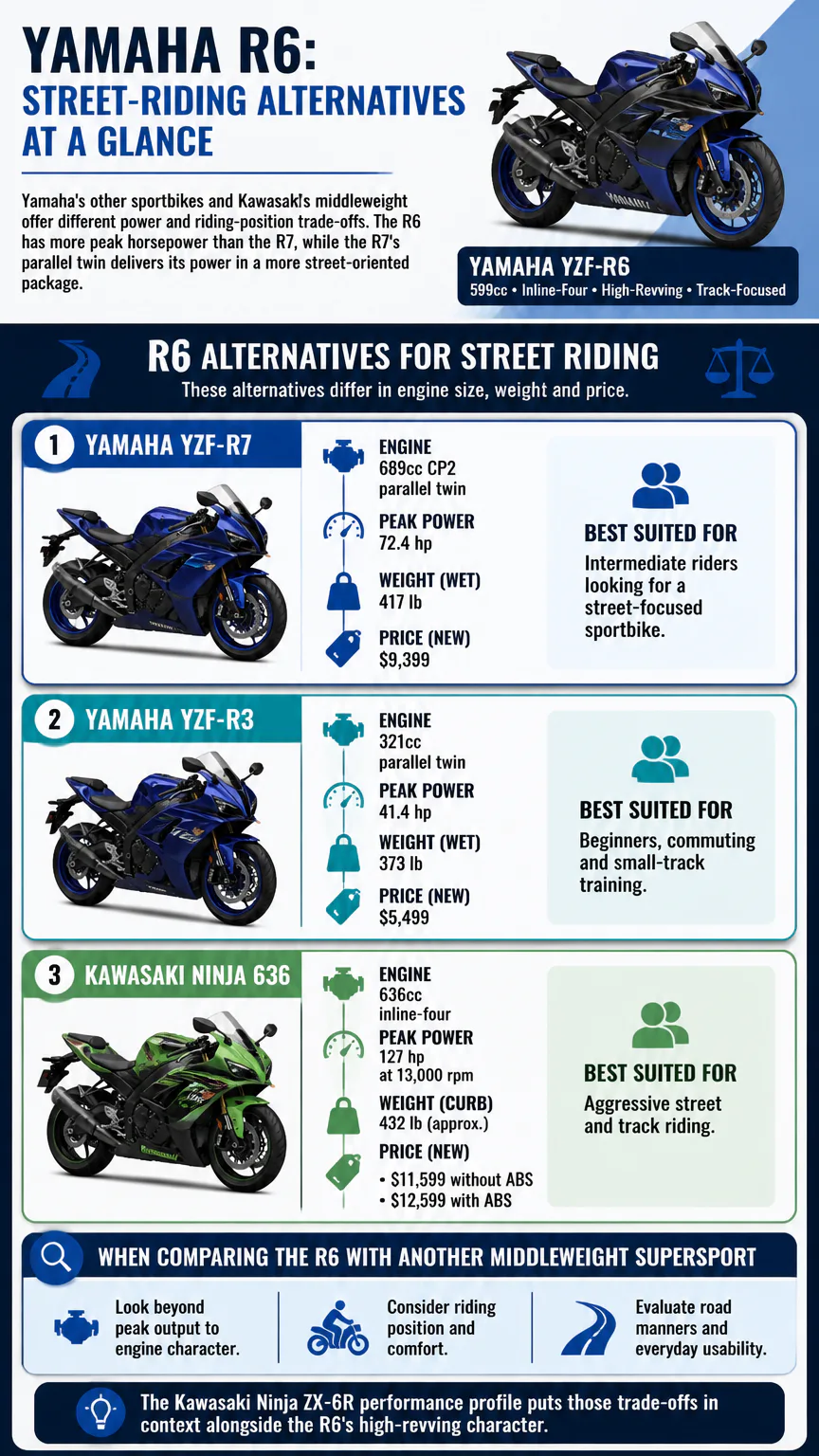
Yamaha’s other sportbikes and Kawasaki’s middleweight offer different power and riding-position trade-offs. The R6 has more peak horsepower than the R7, while the R7’s parallel twin delivers its power in a more street-oriented package. These alternatives differ in engine size, weight and price:
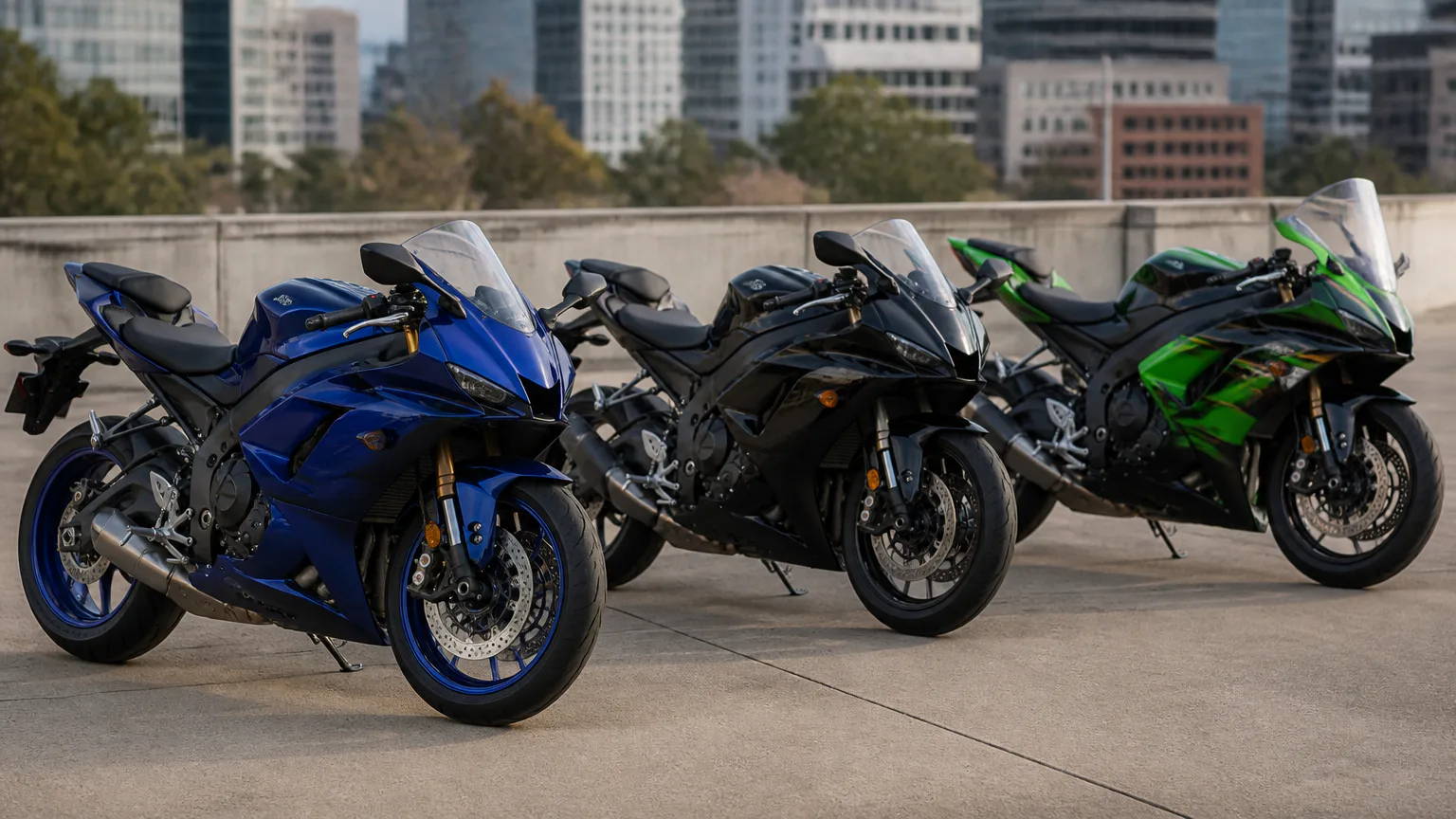
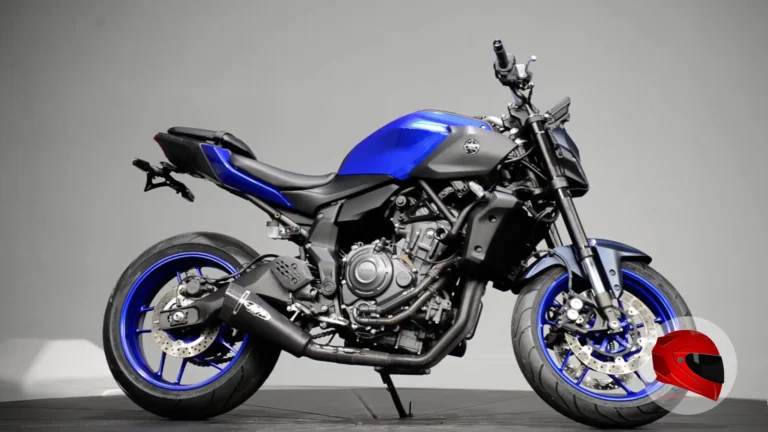
- Yamaha YZF-R7: Introduced for 2022, it uses a 689cc CP2 parallel twin, makes 72.4 hp, weighs 417 lb wet, and starts at $9,399 new. It suits intermediate riders looking for a street-focused sportbike.
- Yamaha YZF-R3: Its 321cc parallel twin produces 41.4 hp, and the bike weighs 373 lb wet. New models start at $5,499; it is a more approachable option for beginners, commuting and small-track training.
- Kawasaki Ninja 636: The 636cc inline-four makes 127 hp at 13,000 rpm, with an approximate curb weight of 432 lb. New pricing is $11,599 without ABS or $12,599 with ABS; it suits aggressive street and track riding.
When comparing the R6 with another middleweight supersport, look beyond peak output to engine character, riding position and road manners. The Kawasaki Ninja ZX-6R performance profile puts those trade-offs in context alongside the R6’s high-revving character.
What to check before buying a used R6
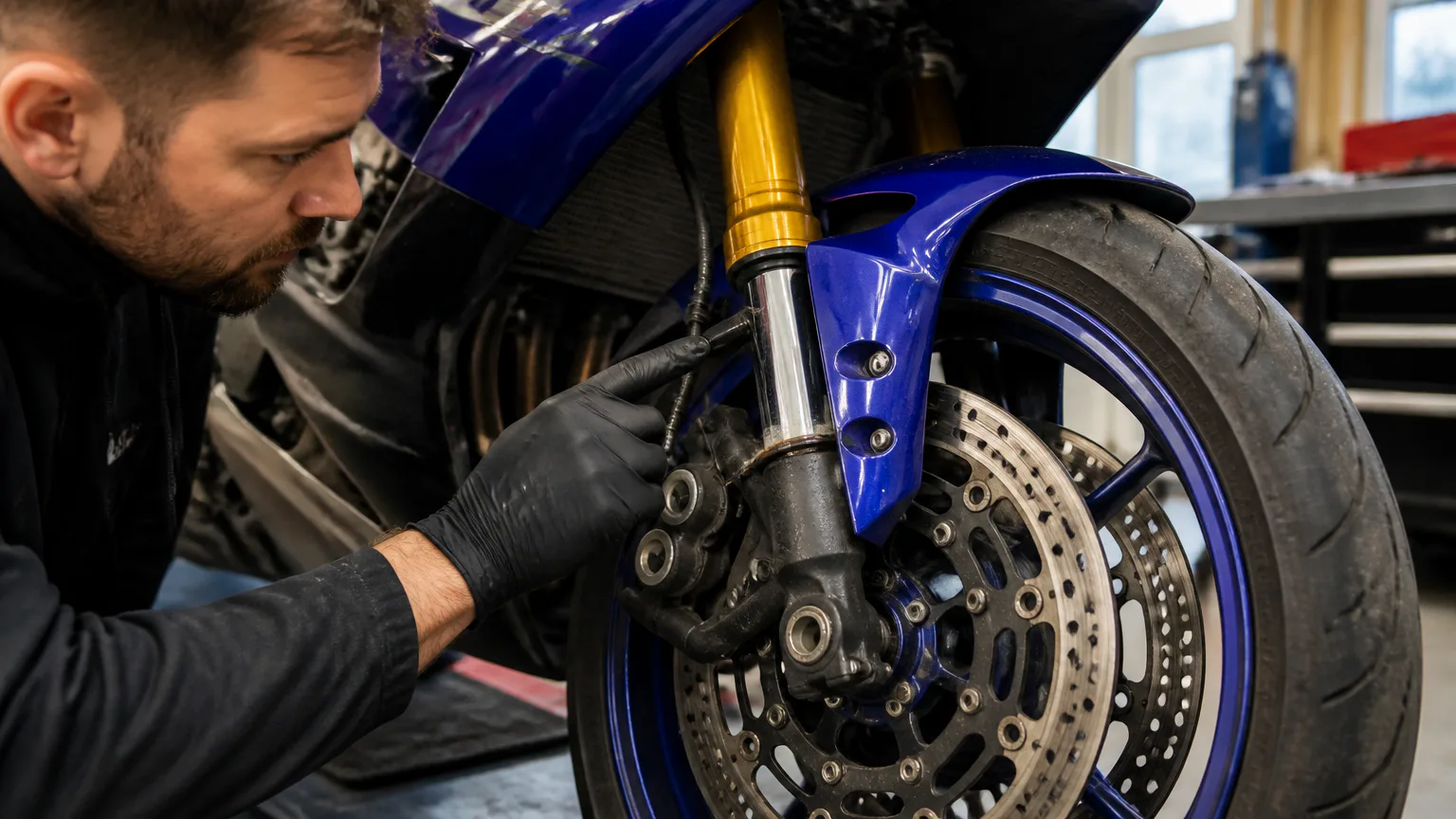
Inspect the motorcycle in person and compare its condition with the seller’s description. Supersport bikes are sometimes modified or used on track, so a clean appearance alone does not show whether the frame, engine or service history is sound. Check the paperwork and mechanical condition before agreeing to a price.
- Match the VIN on the motorcycle to the title and confirm the title status before paying.
- Look for crash damage, repairs, bent controls, mismatched body panels and signs of track use.
- Ask for maintenance records and check whether routine service is current.
- Inspect tire condition, brake pads and discs, chain, sprockets, fork seals and fluid leaks.
- Review modifications and confirm that critical parts, such as brakes and suspension, are in good working order.
- Arrange an inspection by a qualified motorcycle technician if you cannot assess the bike’s mechanical condition yourself.
For street use, the title must support road registration in the state where the motorcycle will be registered. For a track bike, check that its configuration and documents meet the requirements of the events where you plan to ride.
Where to find a used R6
Cycle Trader carries nationwide motorcycle classifieds and lets shoppers filter by ZIP code, distance, make, model, year, price and dealer or private-party seller. Its broad search can help you compare asking prices beyond your local area. Before traveling to see a bike, ask for its VIN, title status, service history and modification details.
Facebook Marketplace is a local peer-to-peer option with keyword and geographic-radius searches. Listings may include modified or salvage-title bikes, so check the paperwork and condition carefully. On either marketplace, treat photos and descriptions as preliminary information. Inspect the motorcycle in person, and do not send a deposit until you have authenticated the seller and the bike.
Should you buy a Yamaha R6?
The R6 suits experienced riders who want a high-revving supersport for track days or have the skill to manage its power and riding position on the street. If you want a road-legal example, look for a used model with a suitable title and complete maintenance history. Riders after a newer, street-oriented Yamaha sportbike can compare the R7; new riders should start with a less demanding motorcycle, such as the R3.
Yamaha R6 top speed
The Yamaha R6’s top speed is about 160 mph, though published and rider-reported figures are estimates, not a guarantee for every bike. Actual results depend on model year, mechanical condition, gearing, tires, rider size and tuck, wind, and the accuracy of the measuring equipment. A stock motorcycle in good condition may produce a different result from a modified or older example.
Treat that figure as a closed-course performance reference, not a target for public roads. At these speeds, small changes in road surface, wind or rider position can have serious consequences, and legal limits are far lower. To explore the R6’s high-speed capability, use a properly managed track event and appropriate safety gear rather than attempting a top-speed run on the street.
FAQs
Is the Yamaha R6 available in 2026?
There is no new U.S.-market street-legal R6 for 2026; street versions ended after the 2020 model year. The R6 RACE is a track-only model produced from 2021 onward, while used road-titled R6s remain available.
Is a Yamaha R6 or R7 faster?
The R6 is generally faster in outright, high-revving performance, particularly in track-focused riding. The R7 delivers power in a more street-oriented way; actual speed depends on the course, setup, rider and conditions.
Conclusion
Choose the R6 for its supersport performance, not as an easy first bike or a new street motorcycle. Before buying, confirm whether the specific bike is road-titled or track-only, then weigh its condition against how you plan to ride it.