Kawasaki Ninja 400 Specs & Performance Guide
Disclaimer: Performance figures may vary depending on factors such as rider, road and weather conditions, vehicle condition, and testing methods. Figures are provided for informational purposes only.
The Kawasaki Ninja 400 remains a strong lightweight sportbike choice in the United States, especially on the used market. Its 399cc parallel-twin delivers enough performance for highway riding while staying manageable in city traffic. Before buying, compare the price and condition, check insurance costs, consider beginner suitability, and decide whether the newer Ninja 500 is worth the extra displacement.

Kawasaki Ninja 400 Specifications
|
Attribute |
Specification |
|---|---|
|
Engine |
399cc liquid-cooled DOHC parallel-twin |
|
Power |
44.8–49 hp at 10,000 rpm |
|
Torque |
28 lb-ft at 8,000 rpm |
|
Transmission |
Six-speed |
|
Seat height |
30.9 inches |
|
Wet weight |
Approximately 370 lb |
|
Fuel capacity |
3.7 US gal |
|
Top speed |
Approximately 117 mph |
|
Used-market price |
Approximately $4,000–$5,500, depending on year and condition |
Kawasaki Ninja 400
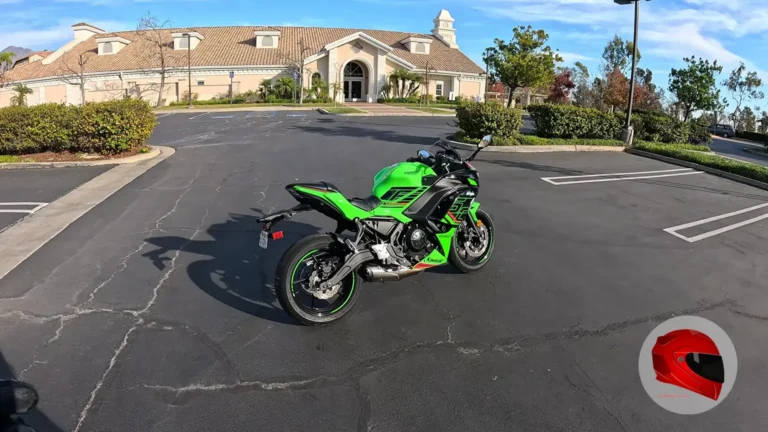
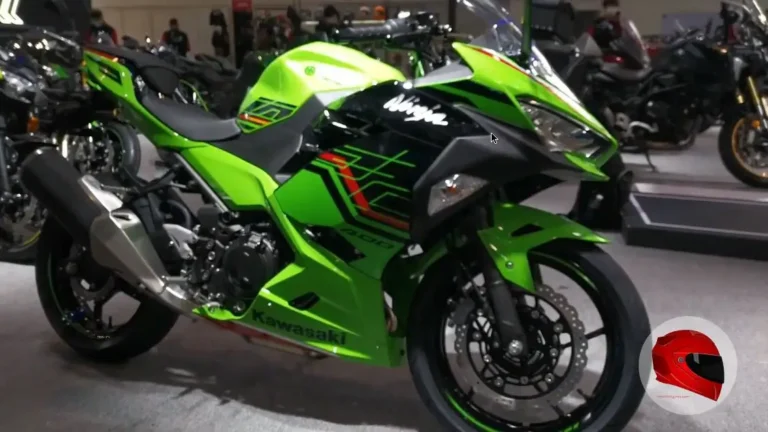
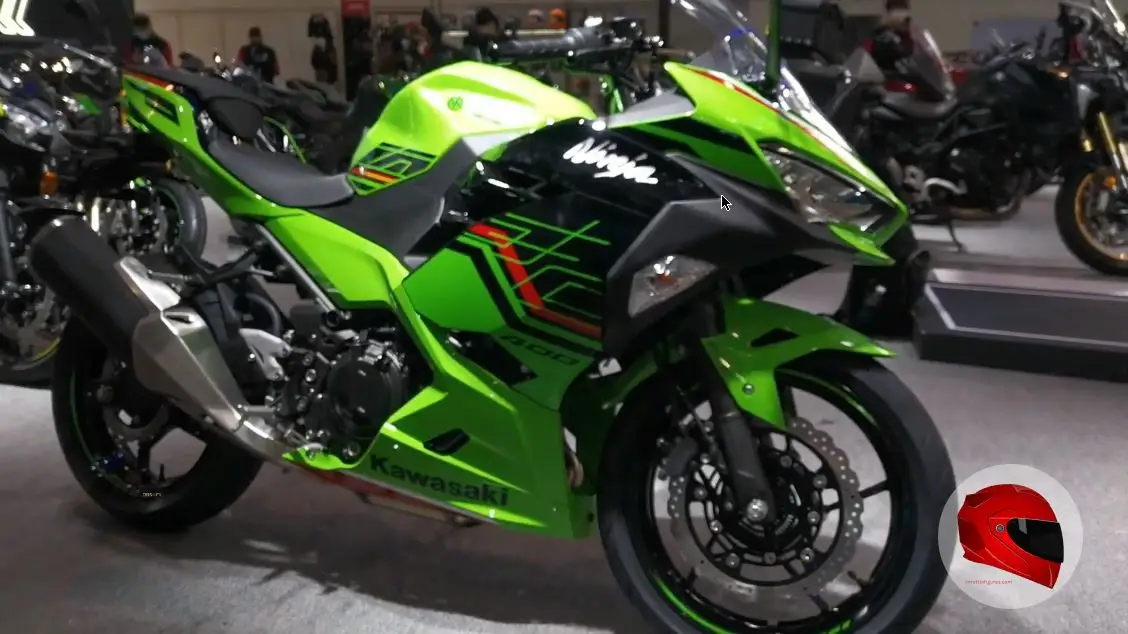
The Ninja 400 has a 399cc liquid-cooled, four-stroke, DOHC, eight-valve parallel-twin, a six-speed transmission, and chain final drive. Kawasaki states an output of 45 horsepower and 28 lb-ft of torque at 8,000 rpm. Its 11.5:1 compression ratio and 70.0 mm by 51.8 mm bore and stroke give the engine a responsive feel without the abruptness of a larger supersport.
- Seat height: 30.9 inches
- Wet weight: approximately 370 pounds
- Fuel capacity: 3.7 US gallons
- Front suspension: 41 mm non-adjustable telescopic fork
- Rear suspension: gas-charged monoshock with five-way preload adjustment
- Front brake: 310 mm disc with dual-piston caliper
- Rear brake: 220 mm disc with single-piston caliper
- Front tire: 110/70-17 tubeless
- Rear tire: 150/60-17 tubeless
The compact steel diamond frame, low seat, and light steering suit commuting, training, and weekend riding. Final-generation US versions were available in non-ABS, ABS, and KRT Edition trims. ABS is preferable for street use because it can reduce the chance of wheel lock during hard braking, although it does not replace proper braking technique.
The Ninja 400’s performance isn’t just about peak horsepower. Its manageable curb weight helps the parallel-twin feel responsive in everyday riding, and its power-to-weight ratio explains why a lighter motorcycle can accelerate more quickly than a heavier bike with a larger engine. That’s the key idea behind motorcycle power-to-weight ratios.
Requirements and context
There is no current 2026 Kawasaki Ninja 400 in the primary US lineup. Kawasaki shifted its lightweight twin-cylinder sportbike to the Ninja 500, so buyers looking for a Ninja 400 will usually be choosing from used inventory, remaining new-old-stock, or private-party listings.
The Kawasaki Ninja 500 uses a 451cc parallel-twin and produces approximately 51 horsepower. Its 30.9-inch seat height matches the Ninja 400, making it a close replacement for riders who want a current model with a modest performance increase. Remaining new Ninja 400 inventory can cost about $6,000 to $6,500 out the door, so a clean used motorcycle may be the better value when priced materially lower.
Motorcycles on Autotrader lets buyers compare dealer and private listings across regions. A used Ninja 400 typically falls within the $3,500, $4,800 range, although the actual value depends heavily on model year, mileage, ABS, service records, tires, crash history, and dealer fees.
Kawasaki dealerships may offer financing, trade-ins, inspections, delivery, and clearer paperwork. Their prices also include setup, documentation, shipping, and registration charges. Facebook Marketplace can add more private-party listings, but the buyer must verify the title, seller’s identity, mechanical condition, and payment arrangements.
- Bring a valid motorcycle endorsement or learner permit as required by state law.
- Confirm the title is available, transferable, and free of undisclosed liens.
- Arrange motorcycle insurance before operating the bike on public roads.
- Budget for sales tax, registration, title, documentation, transport, gear, and initial service.
- Check state requirements for inspection, emissions equipment, and odometer disclosure.
What the Ninja 400 Is Like to Ride
The Ninja 400 reaches 60 mph in approximately 4.6 seconds and completes the quarter-mile in about 13.2 seconds at roughly 102.5 mph. Its estimated top speed is approximately 117 mph, although rider weight, wind, gearing, altitude, tires, and motorcycle condition affect real-world results. The engine pulls cleanly through the middle of the rev range and does not require constant high-rpm riding during ordinary street use.
At approximately 370 pounds wet, the bike changes direction easily and feels less intimidating during parking-lot maneuvers than a heavier middleweight sportbike. The riding position leans forward but is not as extreme as a supersport’s, while the fairing provides useful wind protection on faster roads. Riders with longer legs may find the compact cockpit tight on extended rides.
City riding is one of the Ninja 400’s strengths. The narrow chassis, light clutch, manageable seat height, and smooth power delivery suit traffic. On highways, the bike can maintain normal speeds, but passing at high speed requires more planning than it does on a 650cc or 1,000cc motorcycle. Passenger space and comfort are limited, so frequent two-up travel is not its strongest use.
Fuel economy is approximately 44 to 60 mpg, with a claimed range near 210 miles under favorable conditions. That range suits commuting and day rides, although spirited riding and sustained highway speeds reduce fuel economy.
The Ninja 400 delivers power smoothly, and its relaxed sport-bike ergonomics make it approachable without feeling dull. Riders who want a sharper, more aggressive experience can compare it with the KTM RC 390, which has a different engine response, chassis feel, riding position and more track-focused styling.
Is the Ninja 400 Good for Beginners?
The Ninja 400 is one of the more approachable fully faired sportbikes for a properly trained beginner, but “beginner-friendly” does not mean risk-free. Its 30.9-inch seat height helps many riders reach the ground, and its moderate weight makes slow-speed balance and recovery easier. The engine is forgiving at low speeds while still powerful enough to create serious consequences for poor throttle control.
- Power delivery: smooth and predictable for a twin-cylinder sportbike.
- Clutch control: light enough for repeated starts in traffic.
- Handling: neutral steering and a compact chassis support skill development.
- Braking: strong street performance, with ABS available on applicable trims.
- Learning curve: manageable at low speed but capable of highway-level acceleration.
- Safety equipment: ABS is preferable, while protective clothing remains essential.
New riders should complete a recognized basic course, practice emergency braking and swerving in a controlled area, and build speed gradually. Anyone who feels uncomfortable with the riding position, cannot support the bike securely, or lacks access to training should prioritize control and fit over appearance.
How to Buy a Used Ninja 400
A disciplined purchase process matters more than finding the lowest advertised price. Use the following steps for either a private-party or dealer sale.
- Set a total budget that includes tax, registration, insurance, gear, transport, and initial maintenance.
- Compare the model year, mileage, ABS equipment, service history, ownership records, and asking price.
- Run the vehicle identification number through a recognized history service and compare it with the frame and title.
- Inspect the frame, fork tubes, swingarm, wheels, engine cases, levers, exhaust, fairings, and bar ends for crash damage.
- Check for fluid leaks, worn chains, old tires, thin brake pads, a weak battery, and leaking fork seals.
- Request a cold start and listen for abnormal engine noise, an uneven idle, clutch slip, or transmission problems.
- Confirm that the title is properly assigned and identify any lien before transferring money.
- Use a written bill of sale that records the VIN, price, date, mileage, seller, buyer, and included equipment.
- Arrange insurance, payment, transport, title transfer, registration, and any required inspection.
A motorcycle that has been dropped at low speed can still be mechanically sound, but repaired fairings and cosmetic damage should lower the price. A professional inspection costs far less than an engine, frame, or electrical repair.
Where to Find a Ninja 400
Kawasaki dealerships suit buyers who want financing, trade-in support, delivery, and a more formal sales process. Remaining Ninja 400 inventory is limited, while the newer Ninja 500 is the model most likely to be available as current showroom stock.
Online marketplaces provide a broad basis for price comparisons. Motorcycles on Autotrader includes dealer and private listings across multiple states, while Craigslist and Facebook Marketplace are more useful for local private-party searches. Local distance matters because inspecting a motorcycle in person is safer and cheaper than arranging long-distance transport for an unverified bike.
- Use dealerships for paperwork support, financing, and trade-ins.
- Use Motorcycles on Autotrader for regional price comparison.
- Use Craigslist for local private-party inventory and direct negotiation.
- Use Facebook Marketplace for additional local listings, with careful identity and title checks.
- Use a motorcycle transport company when distance makes collection impractical.
Compare the out-the-door total rather than the advertised price. A low listing can become expensive after dealer documentation, setup, shipping, taxes, registration, tires, or overdue service.
Pricing and ownership costs
The US Ninja 400 new MSRP is $5,299. Used examples generally fall between $3,500 and $4,800, with condition, mileage, ABS equipment, service history, and dealer fees affecting the final price.
Condition should determine whether a higher-priced motorcycle is worth buying. ABS, clean bodywork, original parts, recent tires, documented valve service, and a clean title support a premium. Heavy modifications, missing maintenance records, worn consumables, salvage history, or visible crash repairs justify a lower offer.
Routine ownership costs include fuel, oil and filter service, chain cleaning and adjustment, tires, brake pads, insurance, registration, and unexpected repairs. Sportbike fairings can make cosmetic repairs more expensive after a tip-over, even when the engine and chassis remain undamaged.
FAQs
Is the Ninja 400 worth buying?
The Ninja 400 is worth buying when its price reflects its age and condition, especially for commuting, training, or weekend riding. A clean ABS-equipped used example is often better value than new-old-stock priced close to the newer Ninja 500.
What maintenance does a used Ninja 400 need first?
Start with an oil and filter change, chain inspection, tire-date check, brake inspection, battery test, and confirmation of scheduled service. Replace aged tires or damaged brake components before riding at highway speeds.
Does the Ninja 400 have enough power for highway riding?
Yes. It can maintain normal US highway speeds and has useful passing performance, although high-speed acceleration is less immediate with a passenger, heavy luggage, strong headwind, or steep grades.
For highway riding, the Ninja 400’s ability to maintain speed matters more than its top-speed figure, especially when passing into a headwind or climbing a hill. Aerodynamics, riding position, gearing, tire condition and available revs all affect how it performs, making motorcycle top-speed factors useful for looking beyond the specification sheet.
Should you choose ABS?
Choose ABS when available and when the price difference is reasonable. ABS can help prevent wheel lock during hard braking on changing pavement, but it does not shorten every stop or compensate for excessive speed.
Conclusion
The Kawasaki Ninja 400 remains a practical lightweight sportbike in 2026, with approachable handling, useful highway performance, and a large used-market supply. Prioritize a clean title, documented maintenance, ABS, sound tires, and a price that leaves room for registration, insurance, and first service.
Sources
Cross-check claimed figures with Kawasaki USA motorcycles and our Editorial Policy. Used-buying checklist: Used Ninja 400 Buying Guide.