BMW S 1000 RR: US Specs, 205 Hp, Price and Ownership
Disclaimer: Performance figures may vary depending on factors such as rider, road and weather conditions, vehicle condition, and testing methods. Figures are provided for informational purposes only.
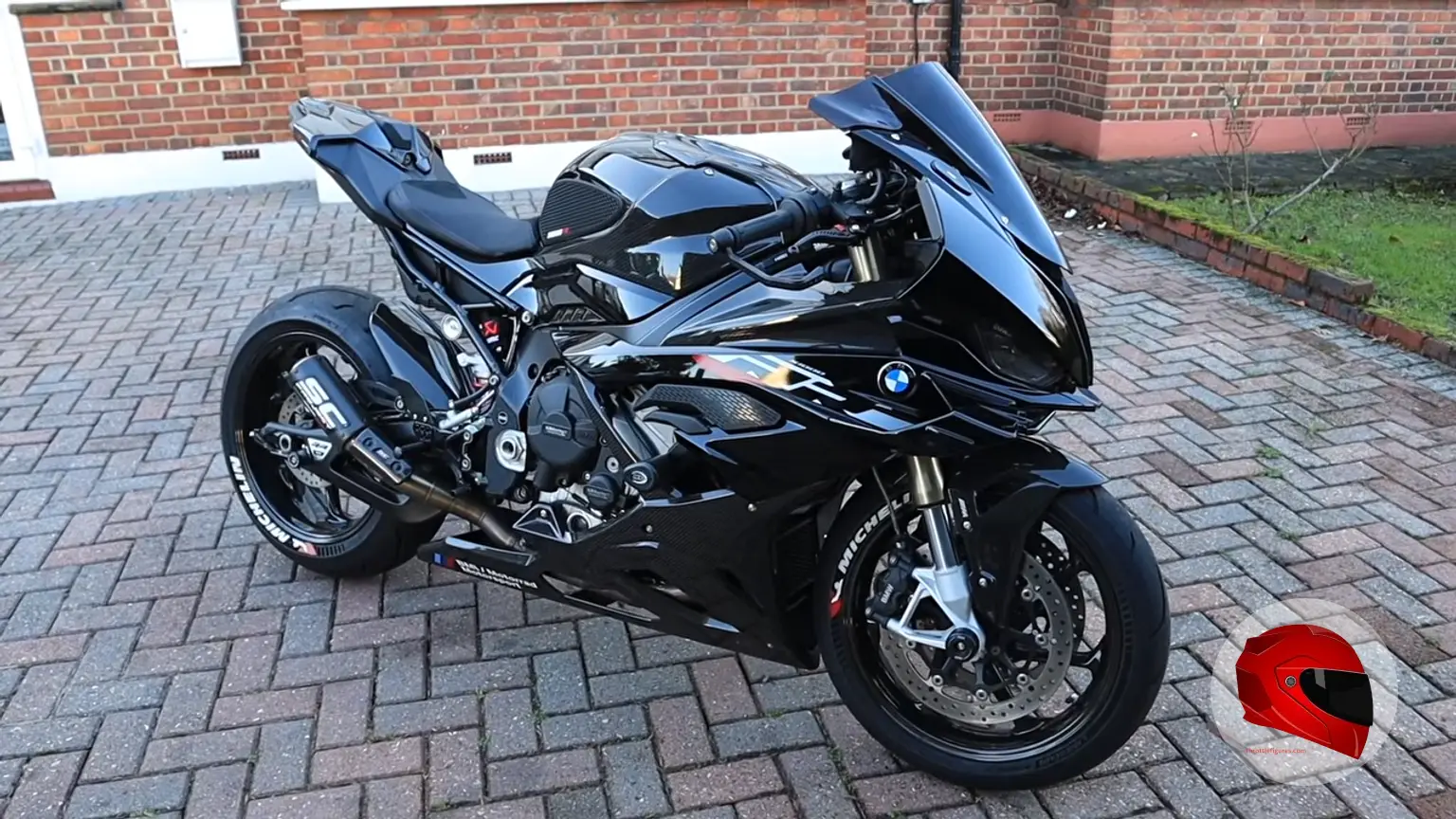
The BMW S 1000 RR remains one of BMW Motorrad’s most capable street-legal superbikes for 2026. It combines a 999 cc inline-four engine with 205 hp, advanced rider aids and racetrack-focused chassis hardware. The buying decision also depends on US pricing, optional packages, insurance, servicing, riding experience and whether you choose a new or used motorcycle.
BMW S 1000 RR Specs and US Price
| Attribute | Specification |
|---|---|
| Manufacturer | BMW Motorrad |
| Production | 2008–present |
| Class | Sport motorcycle |
| Base US MSRP | $19,755–$19,895 |
| Premium package | $2,490 |
| Fully optioned price | $24,000–$30,000 |
| Engine | 999 cc liquid-cooled inline-four |
| Bore and stroke | 80 × 49.7 mm |
| Maximum power | 205 hp |
| Peak torque | 83 lb-ft at 11,000 rpm |
| Top speed | Approximately 186 mph |
| Transmission | Constant-mesh 6-speed gearbox |
| Fuel delivery | Electronic fuel injection |
| Front brakes | Dual 320 mm discs |
| Rear brake | Single 220 mm disc |
| Seat height | Approximately 32.4 in |
| Fuel capacity | Approximately 4.4 gal |
| Riding modes | Rain, Road, Dynamic, Race |
| Display | 6.5-inch TFT |
| Warranty | 3 years or 36,000 miles |
What Makes the S 1000 RR Fast
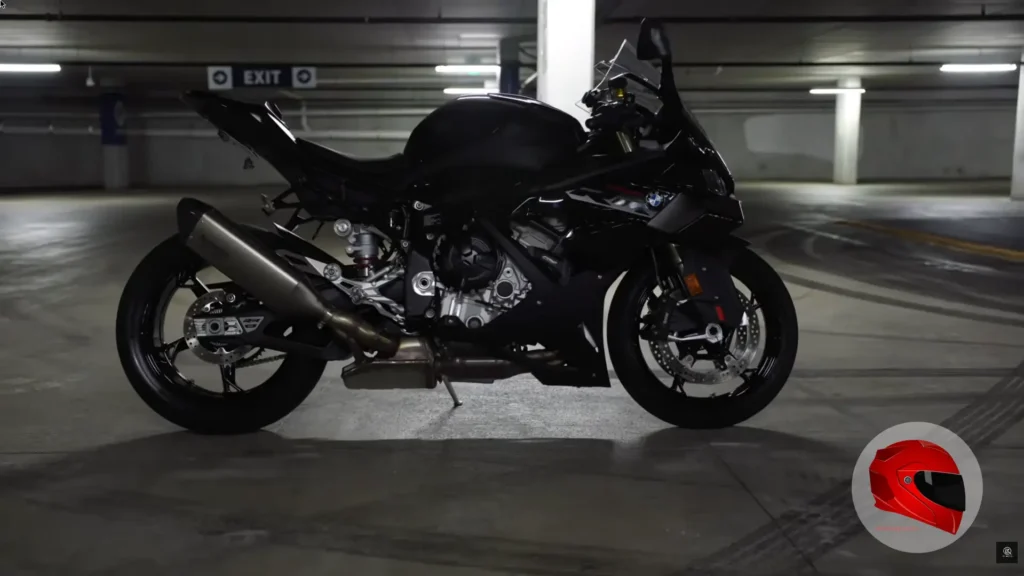
The 999 cc liquid-cooled inline-four uses BMW ShiftCam variable valve timing to balance low- and midrange response with high-rpm power. Its 205 hp and 83 lb-ft of torque place it firmly in the liter-class superbike category. The constant-mesh 6-speed gearbox keeps the engine in its useful power band on a circuit.
The quick-action throttle requires approximately 58 to 60 degrees of rotation, depending on the market specification. That shorter movement helps during rapid acceleration, although it also makes low-speed throttle control more sensitive. Standard electronics include Dynamic Traction Control, ABS Pro, engine drag-torque control through MSR and Hill Start Control Pro.
Rain, Road, Dynamic and Race modes cover the main riding conditions. Race Pro 1, Race Pro 2 and Race Pro 3 give experienced riders more detailed adjustment. Equipment packages add launch control, wheelie control, a pit-lane limiter and DDC electronic suspension.
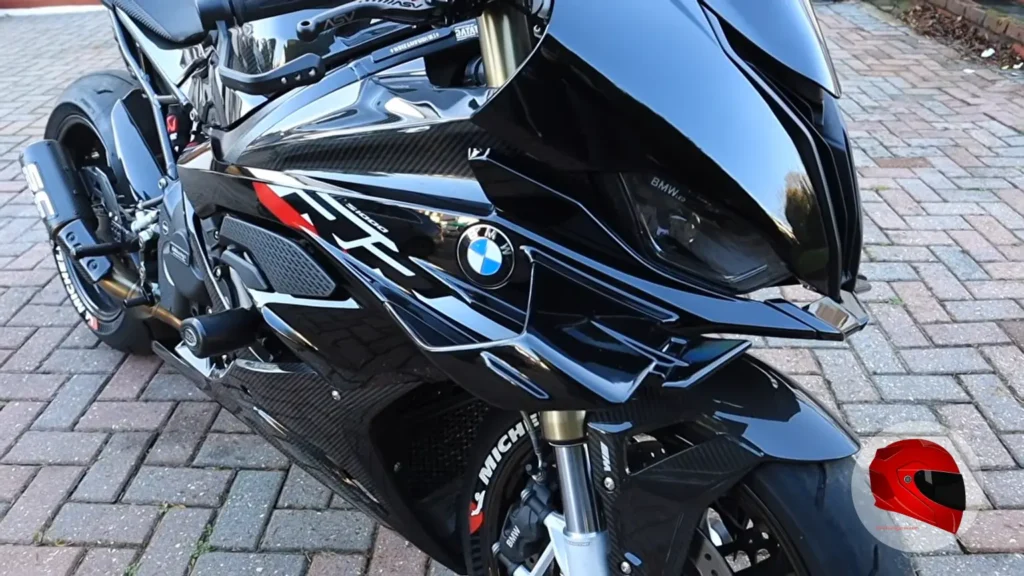
Braking hardware consists of dual 320 mm front discs with four-piston fixed calipers and a 220 mm rear disc with a two-piston caliper. Aerodynamic bodywork and winglets improve stability at speed. The compact riding position and approximately 32.4-inch seat favor control during aggressive riding rather than relaxed commuting.
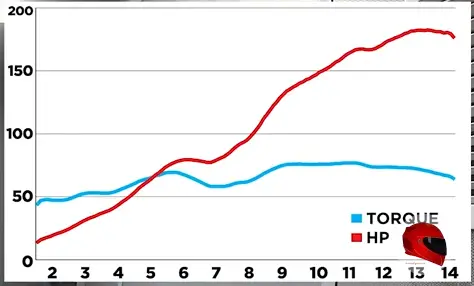
The BMW S 1000 RR delivers a strong high-RPM performance curve, with the dyno test recording 182.65 hp at 13,580 rpm and 77.06 lb-ft of torque at 11,040 rpm. Power builds progressively through the midrange before rising sharply from around 8,000 rpm, passing 150 hp at approximately 10,000 rpm and reaching its peak near 13,600 rpm. Torque remains strong across the upper rev range, staying around 70–75 lb-ft before reaching its maximum. The graph also shows a noticeable dip in the power and torque curves around 6,000–8,000 rpm before the engine resumes its strong climb toward peak output.
S 1000 RR Packages and Equipment
The base motorcycle already includes a substantial electronic package, but selected options can add several thousand dollars to the starting MSRP. Used motorcycles may have different combinations of equipment, so check the installed packages, wheel type, suspension system and accessories listed with each motorcycle.
- Premium package: Adds approximately $2,490 and bundles higher-specification electronic and chassis equipment.
- M package: Includes an M Sport seat, M Carbon or M forged wheels, an M footrest system and special M Motorsport paintwork.
- Dynamics package: Adds DDC electronic suspension, Race Pro modes, launch control, a pit-lane limiter, wheelie control and comfort equipment.
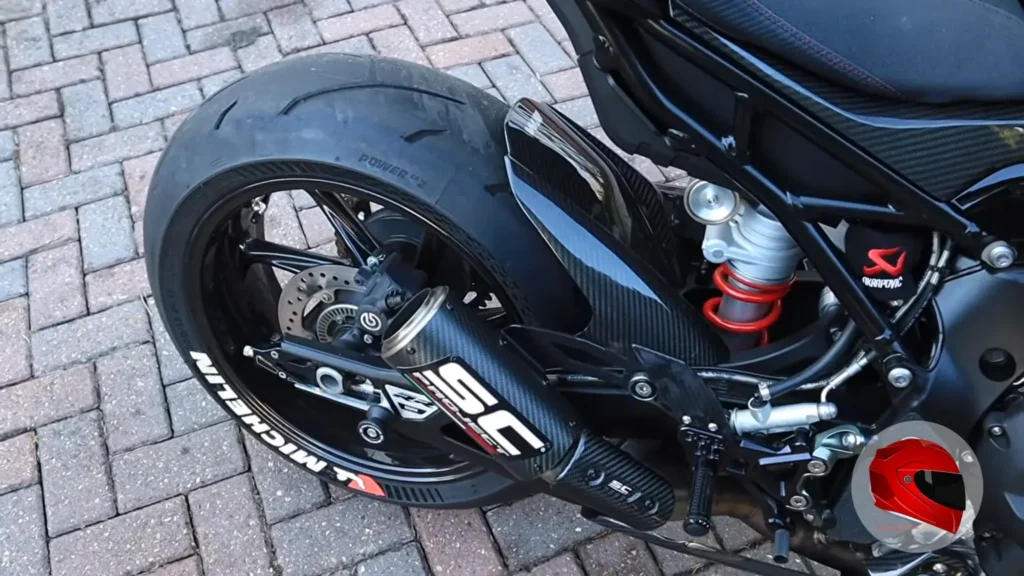
- Race package: Includes an M Endurance chain and an Akrapovic titanium exhaust option.
- Carbon package: Adds carbon-fiber wheel covers, chain guard, pinion cover and fairing panels.
- Optional comfort equipment: Includes cruise control and heated grips.
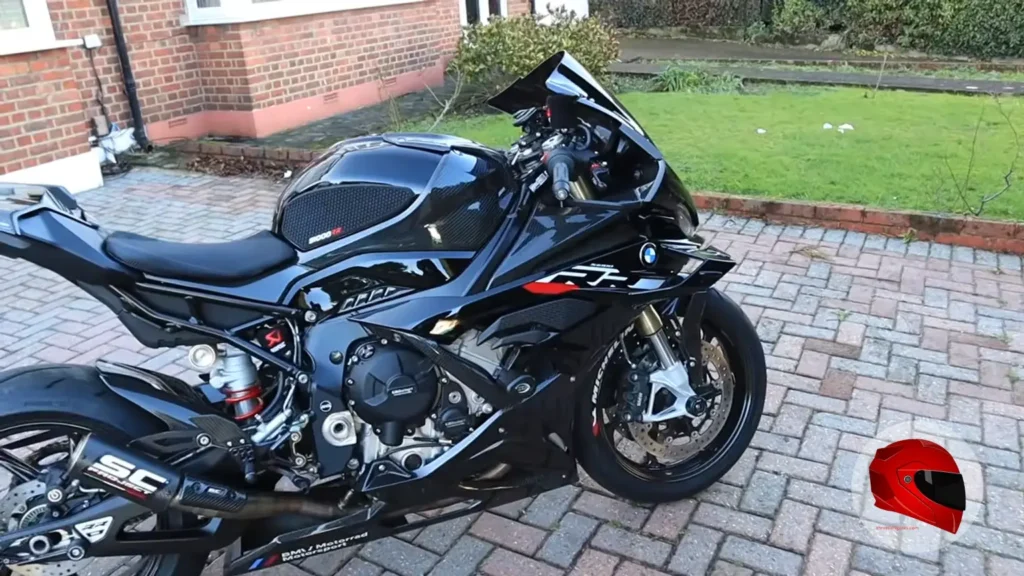
For street use, DDC and cruise control may be more useful than carbon trim. Track-focused buyers are more likely to prioritize Race Pro settings, launch control, lighter wheels, aerodynamic equipment and the Akrapovic exhaust.
BMW S 1000 RR Pros and Cons
- Pros: 205 hp, approximately 186 mph top speed, strong electronic rider aids, a quick-action throttle, effective braking hardware, broad riding-mode adjustment and a three-year or 36,000-mile warranty.
- Cons: High insurance costs, expensive tires and servicing, limited storage, a demanding riding position, a small 4.4-gallon fuel tank and a final price that rises quickly with options.
The S 1000 RR is highly capable on track days and during fast road riding, but its performance exceeds what public roads can safely or legally use. Tires, brake components and maintenance also cost more than they do on middleweight motorcycles. Budget for protective gear, transport to a track and insurance before treating the MSRP as the complete price.
S 1000 RR Versus Its Rivals
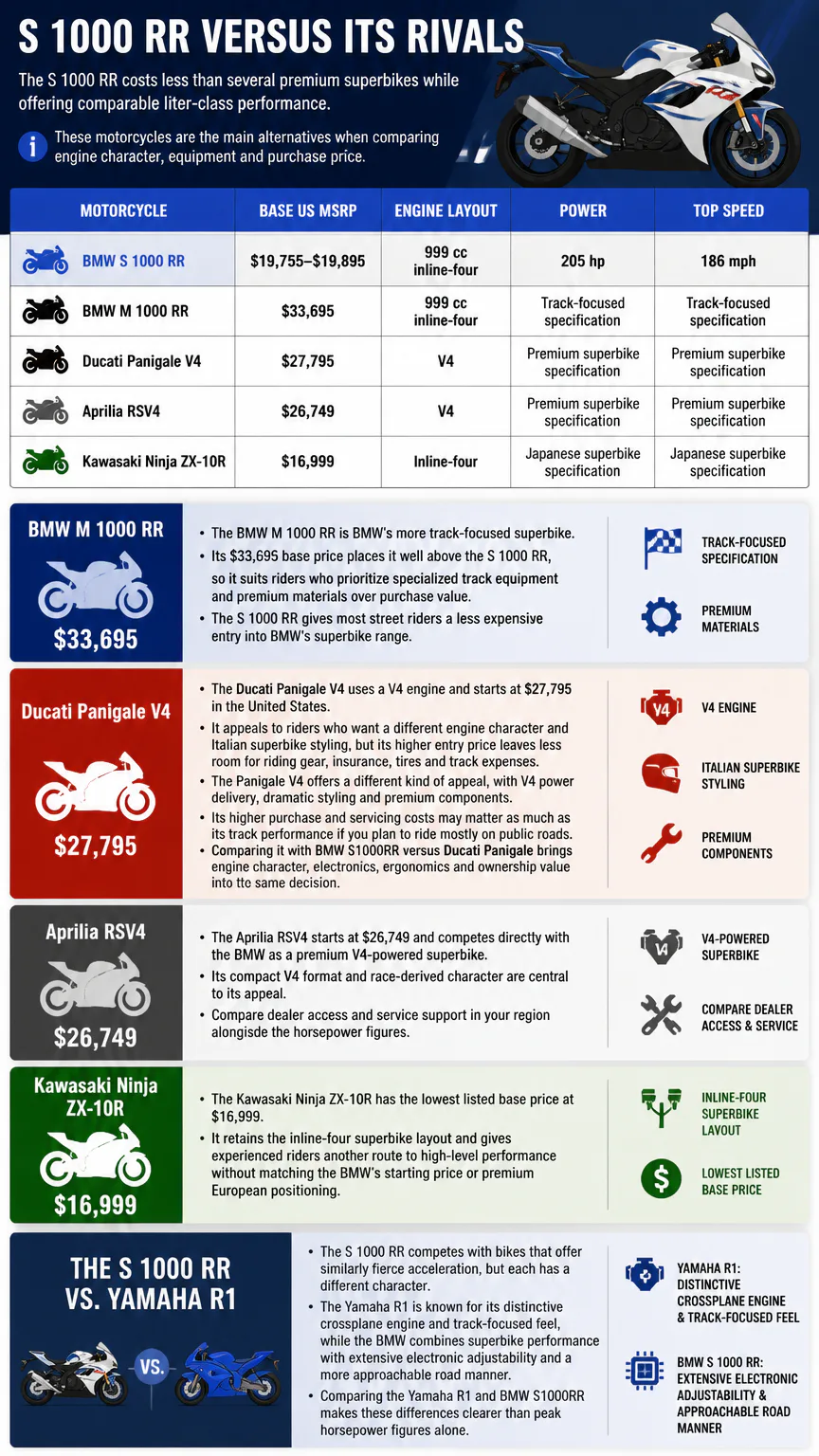
The S 1000 RR costs less than several premium superbikes while offering comparable liter-class performance. These motorcycles are the main alternatives when comparing engine character, equipment and purchase price.
| Motorcycle | Base US MSRP | Engine layout | Power | Top speed |
|---|---|---|---|---|
| BMW S 1000 RR | $19,755-$19,895 | 999 cc inline-four | 205 hp | 186 mph |
| BMW M 1000 RR | $33,695 | 999 cc inline-four | Track-focused specification | Track-focused specification |
| Ducati Panigale V4 | $27,795 | V4 | Premium superbike specification | Premium superbike specification |
| Aprilia RSV4 | $26,749 | V4 | Premium superbike specification | Premium superbike specification |
| Kawasaki Ninja ZX-10R | $16,999 | Inline-four | Japanese superbike specification | Japanese superbike specification |
BMW M 1000 RR
The BMW M 1000 RR is BMW’s more track-focused superbike. Its $33,695 base price places it well above the S 1000 RR, so it suits riders who prioritize specialized track equipment and premium materials over purchase value. The S 1000 RR gives most street riders a less expensive entry into BMW’s superbike range.
Ducati Panigale V4
The Ducati Panigale V4 uses a V4 engine and starts at $27,795 in the United States. It appeals to riders who want a different engine character and Italian superbike styling, but its higher entry price leaves less room for riding gear, insurance, tires and track expenses.
The Panigale V4 offers a different kind of appeal, with V4 power delivery, dramatic styling and premium components. Its higher purchase and servicing costs may matter as much as its track performance if you plan to ride mostly on public roads. Comparing it with BMW S1000RR versus Ducati Panigale brings engine character, electronics, ergonomics and ownership value into the same decision.
Aprilia RSV4
The Aprilia RSV4 starts at $26,749 and competes directly with the BMW as a premium V4-powered superbike. Its compact V4 format and race-derived character are central to its appeal. Compare dealer access and service support in your region alongside the horsepower figures.
Kawasaki Ninja ZX-10R
The Kawasaki Ninja ZX-10R has the lowest listed base price at $16,999. It retains the inline-four superbike layout and gives experienced riders another route to high-level performance without matching the BMW’s starting price or premium European positioning.
The S 1000 RR competes with bikes that offer similarly fierce acceleration, but each has a different character. The Yamaha R1 is known for its distinctive crossplane engine and track-focused feel, while the BMW combines superbike performance with extensive electronic adjustability and a more approachable road manner. Comparing the Yamaha R1 and BMW S1000RR makes these differences clearer than peak horsepower figures alone.
How to Buy a BMW S 1000 RR
New, used and financed purchases require different checks. A dealer purchase simplifies documentation and warranty support, while a private or marketplace sale may reduce the entry price but requires more inspection work.
- Choose the purchase route: Use a BMW Motorrad dealership for a new motorcycle, factory warranty, test ride, servicing and dealer financing. Use Autotrader Motorcycles to compare pre-owned and dealer-listed inventory across regions.
- Set the total budget: Add destination and handling, dealer setup, sales tax, registration, insurance, gear and selected packages to the motorcycle price.
- Review financing: BMW Financial Services handles eligible retail loan applications and monthly payment estimates. Compare the annual percentage rate, term, down payment, total interest and payoff amount instead of judging the purchase by its monthly payment alone.
- Check the motorcycle identity: Match the VIN on the frame, title, registration and sales paperwork. Confirm the mileage, lien status, model year, ownership history and any open recall or campaign information.
- Inspect a used motorcycle: Check cold-start behavior, service records, fork seals, brake discs, chain and sprockets, tire date codes, fairing fasteners, crash damage, warning lights and signs of track use.
- Confirm the equipment: The sale may include DDC, M wheels, Race Pro modes, carbon parts, cruise control, heated grips and exhaust upgrades. The individual listing determines what is included.
- Complete delivery and registration: Obtain the signed title, bill of sale, financing documents, warranty paperwork and temporary permit before arranging transport or riding away. Register and title the motorcycle through the local DMV or BMV.
For a high-mileage or modified example, have an independent motorcycle technician inspect the engine, frame, suspension, brakes, electronics and crash damage before payment. A BMW Motorrad dealership provides dealer documentation and service support. A private seller should provide a clear title, lien release, bill of sale and matching VIN records.
S 1000 RR Ownership Costs
The purchase price is only the first major expense. Insurance deserves particular attention because a 205-hp superbike falls into a high-performance category. Premiums depend on the rider, location, coverage, age, riding history, storage and deductible.
- Motorcycle price: $19,755-$19,895 before destination and handling for the base US model.
- Packages: Approximately $2,490 for the Premium package, with fully optioned motorcycles reaching $24,000-$30,000.
- Used purchase: Autotrader Motorcycles listings range from $11,495 to $27,995, with an average listed price of approximately $20,675.
- Insurance: Full-coverage premiums vary by rider, location, age, riding history, storage, coverage limits and deductible. They can materially change the monthly ownership cost.
- Service: Budget for scheduled maintenance, diagnostic work, fluids, filters, brake service and inspection labor from a qualified motorcycle technician.
- Tires and brakes: Performance tires, brake pads and discs wear faster with aggressive street or track use and cost more than commuter-bike components.
- Fuel: The approximately 4.4-gallon tank limits range during fast riding and frequent track sessions.
- Registration: State and local title, tax, registration and plate charges apply at purchase and renewal.
- Warranty: Coverage lasts 3 years or 36,000 miles, subject to the warranty terms and exclusions.
Used pricing requires careful interpretation. A low asking price may reflect mileage, crash repairs, missing service records, worn tires or removed original equipment. A higher-priced motorcycle may include valuable factory packages and recent maintenance.
Used S 1000 RR Generations
The 2019 generation, 2023 model year and current 2026 model all use the 999 cc inline-four platform. Compare their output, electronics, aerodynamics and warranty position rather than treating the model years as interchangeable. Newer examples provide the strongest chance of getting current equipment and remaining factory coverage, while older motorcycles require closer inspection of maintenance and modifications.
Check a 2019 motorcycle’s service records, software and electronics operation, crash damage, track use, chain and sprocket wear, fork seals, brake discs and tire age. A 2023 example is newer but still needs the same VIN, mileage, equipment and service checks, including confirmation of whether DDC, M wheels, Race Pro modes and other packages are fitted. The 2026 model carries the current specification and a new-bike warranty of 3 years or 36,000 miles.
Compare the engine output, riding modes, rider aids, bodywork, winglets and other aerodynamic equipment on the specific motorcycle. Used listings can combine model-year equipment with later accessories, so the VIN and installed parts matter more than the seller’s package description alone.
2019, 2023, and 2026 Differences
| Model year | Engine and output | Electronics and aerodynamics | Warranty and inspection focus |
|---|---|---|---|
| 2019 | 999 cc inline-four platform | Compare the installed rider aids, riding modes, bodywork and winglets on the specific motorcycle | Check service records, software operation, crash damage, track use, chain and sprockets, fork seals, brake discs and tire age |
| 2023 | 999 cc inline-four platform | Verify whether DDC, M wheels, Race Pro modes and aerodynamic equipment are fitted | Check VIN, mileage, service history, package contents, crash history and remaining warranty coverage |
| 2026 | 999 cc liquid-cooled inline-four, 205 hp, 83 lb-ft | Current riding modes include Rain, Road, Dynamic and Race; the motorcycle has a 6.5-inch TFT display and aerodynamic bodywork with winglets | New-bike warranty of 3 years or 36,000 miles; confirm the selected packages and final equipment list |
The model year alone does not establish the equipment on a used S 1000 RR. Match the VIN and installed parts to the motorcycle’s advertised output, electronics, winglets, packages and warranty status before comparing prices.
Generation Buying Priorities
The 2019 S 1000 RR is the oldest of the three model years and is most likely to need a closer review of age-related wear, service history and prior track use. A 2023 motorcycle offers a newer platform position, but its value depends on whether it has DDC, M wheels, Race Pro modes and the advertised aerodynamic equipment.
The 2026 model is the only one in this comparison with the stated current output of 205 hp and 83 lb-ft, Rain, Road, Dynamic and Race modes, a 6.5-inch TFT display and a new-bike warranty of 3 years or 36,000 miles. Those differences affect the purchase decision more directly than the model-year label alone.
Is the BMW S 1000 RR Worth It?
The S 1000 RR suits an experienced rider who wants one motorcycle for fast street riding and regular track days. Its electronics provide adjustable support, but they do not replace smooth inputs, proper training or disciplined speed management.
First-time superbike buyers should consider both the performance and the ownership costs. A middleweight sport motorcycle can be easier to learn on and less expensive to insure, maintain and repair. The BMW makes more sense when the budget includes protective equipment, insurance, tires, service and track use rather than only the motorcycle payment.
Choose the S 1000 RR when its inline-four power, electronics, braking, BMW dealer support and available packages fit the intended use. The M 1000 RR provides a more track-oriented BMW specification, while the Ducati Panigale V4 and Aprilia RSV4 provide V4 character. The Ninja ZX-10R offers a lower starting price within the same broad superbike class.
Street or Track Package?
- Choose street-focused equipment: Prioritize the standard road equipment, DDC, cruise control and heated grips when the motorcycle will spend most of its time on public roads. Carbon wheels may be a poor fit for roads with potholes because damage concerns are greater than during controlled track use.
- Choose track-focused equipment: Prioritize Race Pro settings, launch control, lighter wheels, aerodynamic equipment and the Akrapovic exhaust when regular circuit riding is the main purpose.
- Budget beyond MSRP: Include insurance, service, tire wear, brake wear and track-related costs before selecting expensive packages. These expenses continue after the motorcycle is purchased.
Recurring Ownership Budget
Build the annual budget around fixed charges and use-related costs. Insurance and registration recur whether the motorcycle is ridden regularly, while tires, brake parts, fuel and track expenses rise with mileage, riding pace and circuit time.
- Fixed annual costs: Full-coverage insurance, registration and any financing interest.
- Scheduled maintenance: Service labor, fluids, filters, diagnostics and inspections at the intervals specified for the motorcycle.
- Wear items: Tires, brake pads, brake discs, chain and sprockets and other replacement parts. Track riding shortens replacement cycles.
- Fuel and use: Fuel for street riding and transport, plus entry fees, transport and consumables for occasional track days.
- Warranty position: A 2026 motorcycle has 3 years or 36,000 miles of stated coverage. Older motorcycles need a separate allowance for repairs outside factory warranty.
Price insurance before purchasing, then combine the quote with registration, expected service, one set of performance tires, fuel and planned track use. That produces a more useful annual estimate than applying a generic percentage to the motorcycle’s MSRP.
The purchase price is only the start of a BMW S 1000 RR budget. High-performance tires, regular fluid changes, insurance, registration and depreciation can push up annual costs, especially if you ride on track. A broader motorcycle ownership cost guide puts these expenses alongside financing and fuel.
FAQs
Is the BMW S 1000 RR the fastest bike?
The S 1000 RR has an approximately 186 mph top speed and 205 hp, but it is not universally the fastest motorcycle. Top speed depends on gearing, aerodynamics, rider position, conditions and electronic configuration. Lap time also depends on chassis setup and rider skill.
Is a 2023 BMW S 1000 RR still a good buy?
A 2023 S 1000 RR can be a strong used purchase when its VIN, service history, mileage, equipment and crash record are clear. Compare the asking price with newer motorcycles and account for remaining warranty coverage, tire condition and factory packages.
Can a new rider handle a BMW S 1000 RR?
A new rider can legally purchase one where licensing rules allow it, but the motorcycle’s 205 hp and sensitive quick-action throttle demand advanced control skills. Formal training, conservative riding modes, full protective gear and gradual practice are appropriate before high-speed riding.
Conclusion
The BMW S 1000 RR delivers superbike-level performance with broad electronic adjustment and a useful warranty, but the ownership budget must include insurance, tires, service, registration and equipment. New motorcycles start at $19,755, $19,895, while fully optioned examples can reach $24,000, $30,000. Used prices vary with mileage, condition, equipment and maintenance history.