
How Often Should You Service a Motorcycle? Complete Guide
Motorcycle maintenance runs on two clocks: mileage and elapsed time. Routine service is commonly due every 3,000 to 5,000 miles or every 6 to 12 months, while the first break-in service usually comes at 600 to 1,000 miles or within 1 to 2 months. The exact schedule depends on the model, engine speed, riding conditions, and whether the motorcycle is new, stored, modified, or still under warranty.
Motorcycle service intervals by mileage and time
| Service stage | Typical mileage | Time limit | Main tasks |
|---|---|---|---|
| Pre-ride inspection | Before every ride | Before every ride | Tires, controls, lights, fluids, chain, stands |
| Break-in service | 600–1,000 miles | 1–2 months | Oil and filter, fasteners, chain, controls, coolant, brake fluid |
| Routine service | 3,000–5,000 miles | 6–12 months | Oil and filter, air filter, chain, brakes, tires, battery |
| Intermediate service | 10,000–15,000 miles | 12–24 months | Valve clearances, air filter, spark plugs, brake fluid, fuel system |
| Major service | 15,000–30,000 miles | 24 months | Valve adjustment, coolant, bearings, suspension, clutch, hoses |
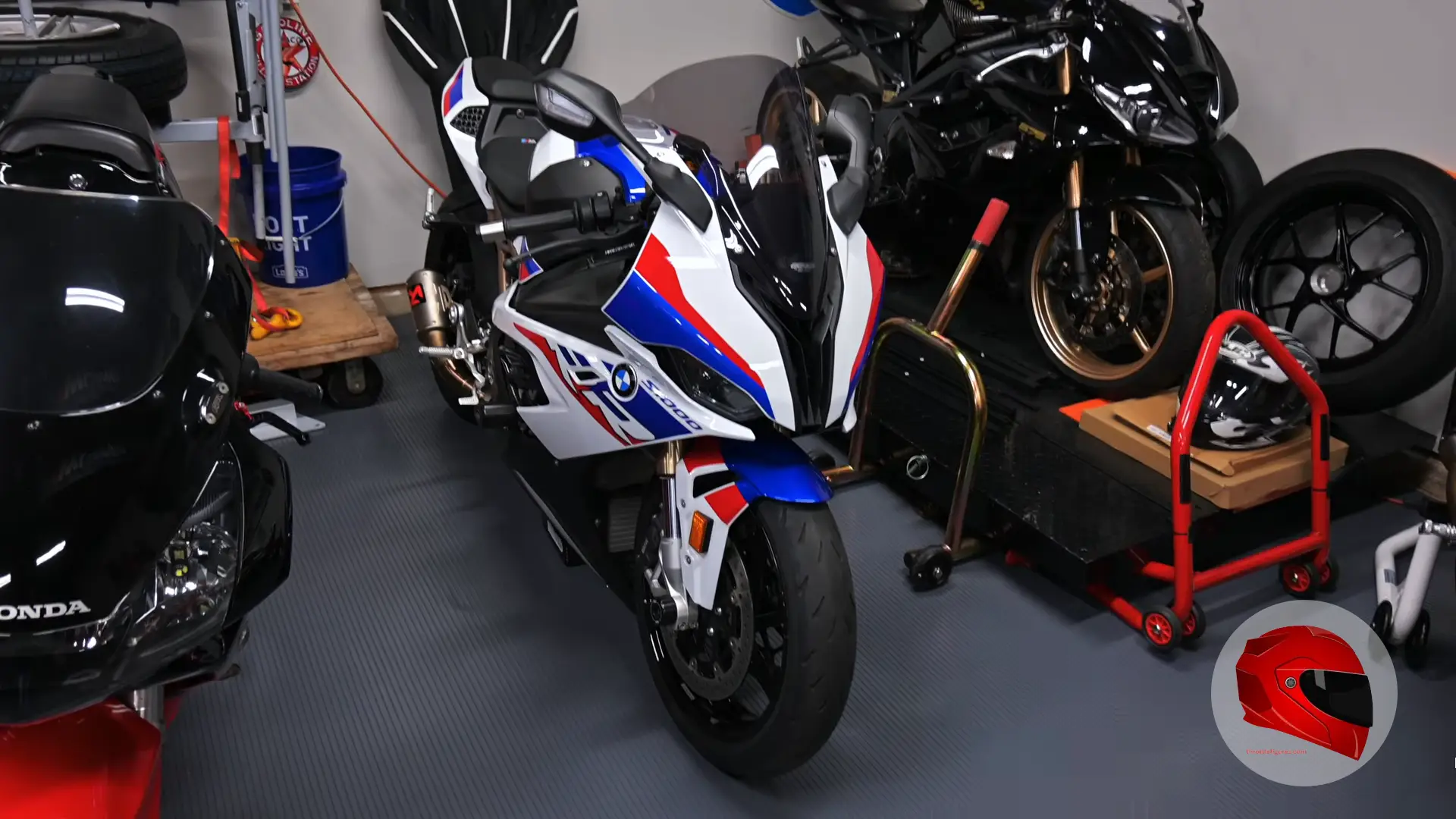
How often should you service a motorcycle?
For many motorcycles, routine service is due every 3,000 to 5,000 miles or every 6 to 12 months, whichever comes first. Some manufacturers use metric milestones such as 5,000 km, 10,000 km, and 15,000 km. Small-displacement and high-revving motorcycles may follow a different schedule, so use the earlier interval when the owner’s manual specifies one.
The motorcycle owner’s manual takes priority over any general schedule. It lists the model-specific mileage and time limits, fluid specifications, torque settings, valve-clearance intervals, and inspection requirements. A motorcycle that travels only a few hundred miles each year still needs annual oil service and periodic checks of the brake fluid, coolant, tires, and battery.
Record the date, mileage, completed work, parts used, and technician or shop. A maintenance history helps with warranty claims, resale, and diagnosing recurring problems.
What happens at the first service?
The first service is the break-in inspection for a new motorcycle. It is commonly due at 600 to 1,000 miles, or approximately 1,000 km. Some motorcycles require it after one or two months even when the mileage threshold has not been reached.
- Replace the engine oil and oil filter.
- Inspect and adjust drive-chain slack.
- Check sprocket teeth for hooking or abnormal wear.
- Inspect fasteners, frame hardware, and engine mounts.
- Check brake operation, pad thickness, and fluid level.
- Inspect tire pressure, tread, wheels, and steering movement.
- Check the clutch, throttle, cables, lights, switches, and stands.
- Inspect coolant, battery condition, and fluid leaks.
- Perform the valve-clearance check if the manual schedules it at the first service.
Use an authorized dealership for a new motorcycle when warranty documentation, factory diagnostics, recalls, or brand-specific procedures are involved. Keep the dated invoice and service record.
What to check before every ride
T-CLOCS is a pre-ride inspection framework covering the systems that affect control, visibility, lubrication, and stability.
- Tires and wheels: Check pressure when cold, tread, cuts, bulges, valve stems, spokes, and wheel damage.
- Controls: Test the front and rear brakes, clutch, throttle return, cables, and steering movement.
- Lights and electrics: Check the headlight, brake light, turn signals, horn, and warning indicators.
- Oil and fluids: Check engine-oil level, coolant level, brake-fluid level, and visible leaks.
- Chassis and chain: Look for loose hardware, damaged suspension parts, correct chain slack, and adequate lubrication.
- Stands: Confirm that the side stand and center stand retract and hold the motorcycle securely.
Do not ride with a soft tire, weak brake lever, leaking fluid, badly loose chain, nonfunctioning brake light, or throttle that does not return smoothly.
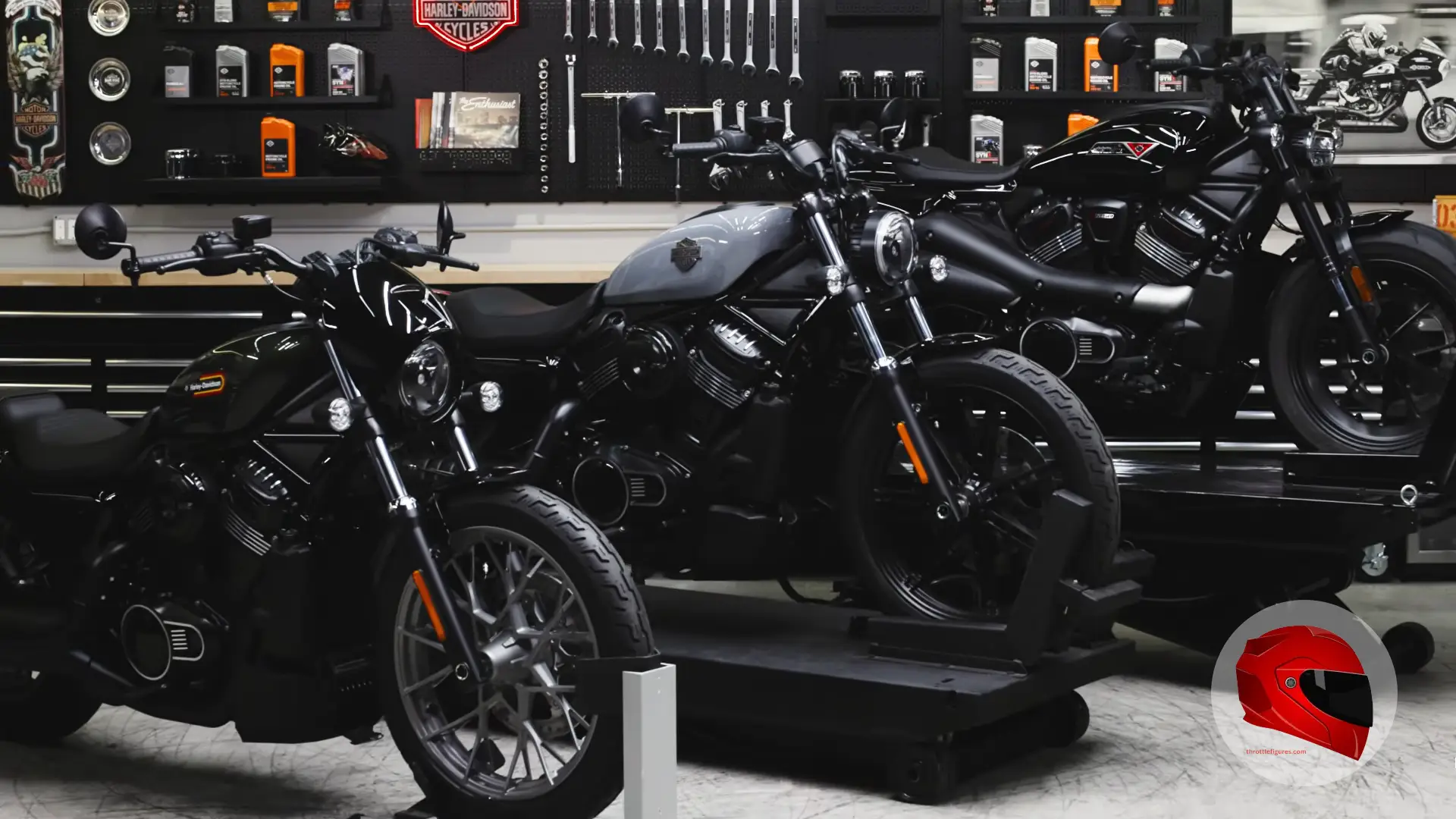
Which motorcycle parts need regular service?
Motorcycle components follow different maintenance schedules. Mileage matters most for wear items, while time matters more for fluids, rubber, batteries, and motorcycles that spend long periods parked.
- Engine oil and filter: Replace the oil at the manufacturer’s mileage interval and within the applicable 6- to 12-month routine-service period. Replace the oil filter during the 600- to 1,000-mile break-in service and during routine services every 3,000 to 5,000 miles or 6 to 12 months.
- Drive chain: Lubricate it about every 500 miles and after riding in rain. Check and adjust tension about every 1,000 miles. Many motorcycles specify 25 to 35 mm of slack at the loosest point.
- Sprockets: Inspect the teeth whenever chain slack is checked. Hooked teeth or severe wear require replacement, often around 15,000 to 20,000 miles.
- Brake pads: Inspect them visually about every 3,000 miles. Replace them when the friction material falls below 2 to 3 mm. Sport-bike pads can last about 10,000 miles, while touring and cruiser pads often last 12,000 to 20,000 miles.
- Brake fluid and lines: Check fluid level and moisture at 7,500 to 10,000 miles or annually. Flush the brake fluid every two years, and consider replacing rubber brake lines around four years.
- Coolant: Check the level during the 3,000- to 5,000-mile or six-month service. Replace coolant every two years.
- Tires: Many motorcycle tires last about 5,000 to 10,000 miles. Inspect tires annually after five years of age, and treat ten years as the maximum service age regardless of remaining tread.
- Air and fuel filters: Road riders often replace the air filter around 10,000 miles. Dirt and track use require more frequent service. A fuel filter commonly reaches replacement at two years or 20,000 miles.
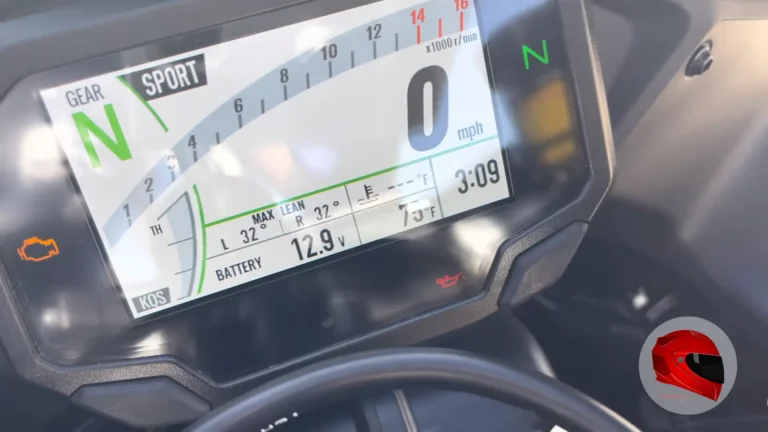
- Battery: Check conventional batteries monthly and AGM batteries about every three months during seasonal use. A charged conventional battery commonly measures 12.4 to 12.6 volts; an AGM battery commonly measures 12.5 to 12.8 volts.
- Valve clearance: The interval varies widely. Examples include approximately 12,000 miles for a BMW R 1250 GS, 16,000 miles for a Honda CB650R, and 26,000 miles for a Yamaha MT-07. Some supersport motorcycles require checks every 6,000 to 8,000 miles.
Breaking the service schedule into specific jobs, checking fluid levels, inspecting the chain, testing the battery and examining the brakes, makes it easier to stay on top of maintenance. Some of these motorcycle maintenance tasks take only a few minutes and can catch problems before they turn into expensive repairs. A written record also helps you tell routine upkeep from work that needs a mechanic.
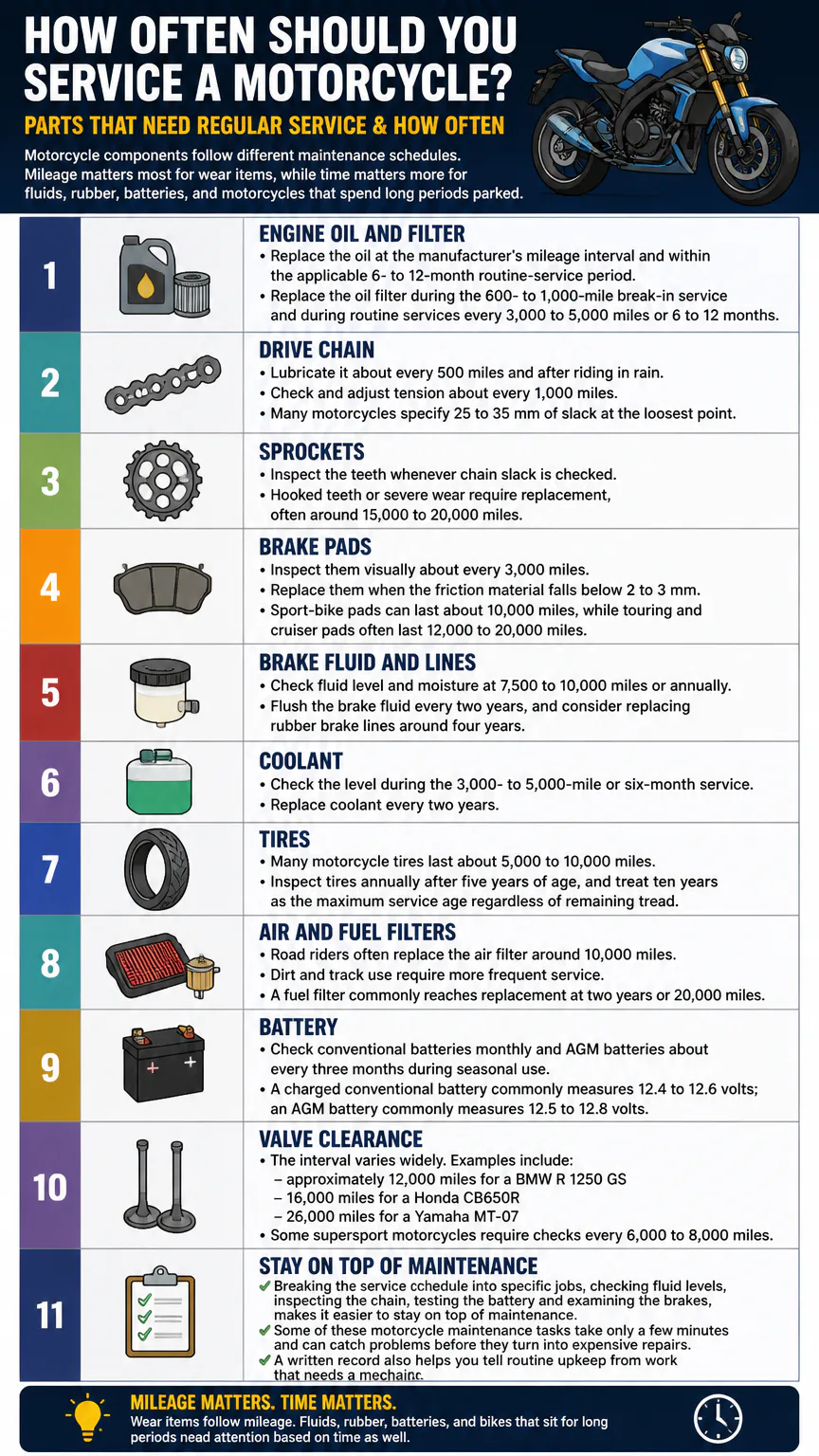
How riding conditions change service frequency
Use the severe-service schedule when the motorcycle faces conditions that increase heat, contamination, or component wear. Frequent short trips can leave moisture in the oil and keep the engine from reaching full operating temperature. High engine speeds also place greater demands on the oil, valve gear, clutch parts, and cooling system.
- Shorten chain-cleaning and lubrication intervals after riding in rain, gravel, mud, or dust.
- Inspect the air filter more often after dirt-road use, racing, or riding in dusty traffic.
- Check brake pads, tires, chain tension, and fasteners more frequently after track days or aggressive riding.
- Use the time limit for oil, coolant, and brake fluid when mileage is low.
- Check the battery charge during storage and keep the tires properly inflated while the motorcycle is parked.
- Inspect motorcycles with custom intake, exhaust, suspension, or engine modifications according to the parts and tuning requirements.
Do not extend a manufacturer’s interval just because the motorcycle has low mileage. Condensation, heat cycles, and age still affect fluids, seals, tires, and batteries.
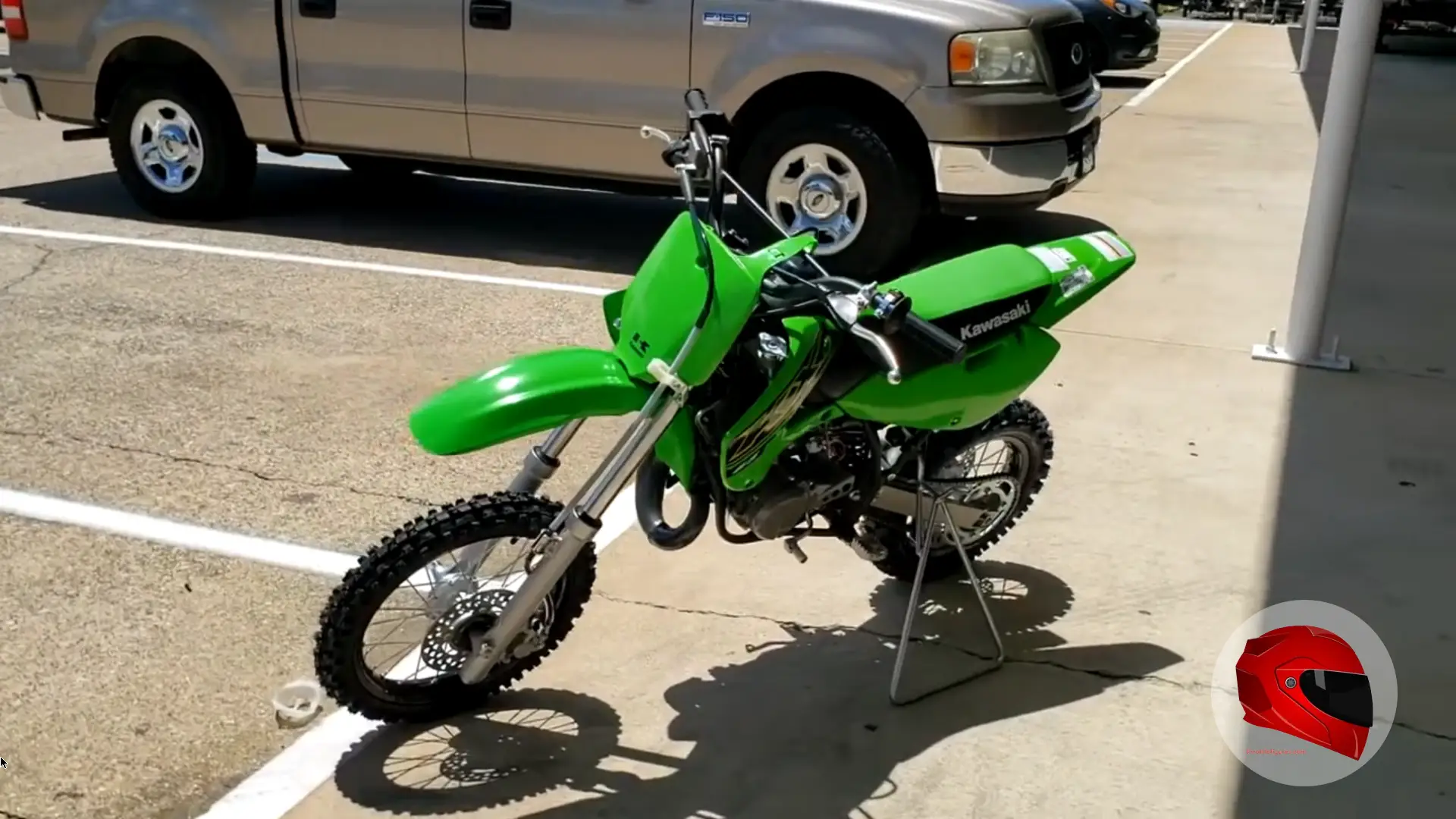
How much does motorcycle service cost?
U.S. motorcycle service prices depend on labor time, parts, engine layout, access to components, and whether the work is done by a dealership or an independent shop. A DIY oil change commonly costs $40 to $60 in fluids and parts. A shop oil-change service commonly costs $100 to $250.
| Service type | Typical U.S. cost | Usual setting |
|---|---|---|
| DIY oil change | $40–$60 | Home garage |
| Minor service | $100–$250 | Independent shop or dealership |
| Independent labor | $80–$130 per hour | Independent motorcycle mechanic |
| Dealership labor | $120–$200+ per hour | Authorized dealership |
| Valve adjustment | $300–$1,000+ | Independent shop or dealership |
Intermediate and major services cost more than routine oil service because technicians may need to remove bodywork, fuel tanks, air boxes, or other components to reach valves, filters, plugs, and inspection points. Ask for a written estimate that separates labor, parts, shop fees, diagnostic charges, recommended work, and safety-critical repairs.
When should you use a motorcycle mechanic?
Choose a service provider based on the motorcycle’s condition, the work required, and the need for factory documentation. Routine oil, battery, chain, and brake-pad work may suit an experienced owner or a mobile motorcycle service. Warranty, recall, electronic, and internal engine work usually belongs in a professional shop.
- Read the motorcycle owner’s manual and identify the next mileage or time milestone.
- Write down symptoms, warning lights, leaks, noises, handling changes, and recent repairs.
- Choose an authorized dealership for warranty work, recalls, brand-specific diagnostics, and engine rebuilds.
- Choose an independent motorcycle mechanic for older, custom, carbureted, or out-of-warranty motorcycles and routine servicing.
- Choose a mobile motorcycle service for on-site oil changes, battery replacement, chain work, sprocket kits, and other light-to-moderate maintenance.
- Request a written estimate and confirm which tasks are required now and which are preventive recommendations.
- Review the completed invoice for mileage, date, oil grade, parts, measurements, and technician notes.
- Store the invoice with the owner’s manual and update the maintenance log.
Do not assign valve adjustments, brake-system repairs, tire mounting, steering-bearing work, or electronic diagnosis to a provider that lacks the correct tools and model-specific information.
Motorcycle service questions answered
FAQs
What is the 12-second rule on a motorcycle?
The 12-second rule is a riding-safety practice: scan at least 12 seconds ahead for traffic, road hazards, changing signals, and escape paths. It is not a maintenance interval, but it helps riders identify hazards early and maintain a safe response margin.
What kills most motorcyclists?
Fatal motorcycle crashes are strongly associated with collisions, excessive speed, impairment, poor visibility, and failure to use protective equipment. Mechanical preparation cannot prevent every crash, but properly maintained tires, brakes, lights, controls, and chain reduce avoidable equipment-related risks.
How often should a low-mileage motorcycle be serviced?
Service a low-mileage motorcycle according to the applicable time limit. Routine service is generally due every 6 to 12 months, followed by the mileage schedule for wear items. Oil, brake fluid, coolant, tires, battery condition, seals, and fuel-system components can deteriorate with age even when the odometer barely moves.
A low-mileage motorcycle may still need servicing because tires, brake fluid, coolant, seals and the battery deteriorate with age, even when the bike is rarely ridden. This is especially important when the service history is incomplete: a low odometer reading does not show whether time-based maintenance was done. A used motorcycle buying checklist can help distinguish a well-preserved motorcycle from one that has simply spent most of its life unused.
Does a 125cc motorcycle need more frequent service?
A 125cc motorcycle may have model-specific intervals, so follow its manual closely. As a general guide, break-in service is typically due at 600 to 1,000 miles or within 1 to 2 months, routine service at 3,000 to 5,000 miles or every 6 to 12 months, and intermediate service at 10,000 to 15,000 miles or every 12 to 24 months.
A smaller engine does not automatically make a 125cc motorcycle easier to maintain. Short trips, heavy traffic and neglected chain care can still accelerate wear. New riders should also consider whether they can handle routine checks and follow the bike’s service schedule. These factors matter alongside power and price when you choose a first motorcycle.
Conclusion
Use the motorcycle owner’s manual as the final schedule and service the bike by mileage or time, whichever comes first. Complete the break-in service on time, inspect it with T-CLOCS before every ride, and keep up with fluids, tires, brakes, chain, and valve clearance before small problems become expensive safety issues.

5 Comments
Comments are closed.