Kawasaki Ninja 500: Guide & Key Facts
Disclaimer: Performance figures may vary depending on factors such as rider, road and weather conditions, vehicle condition, and testing methods. Figures are provided for informational purposes only.
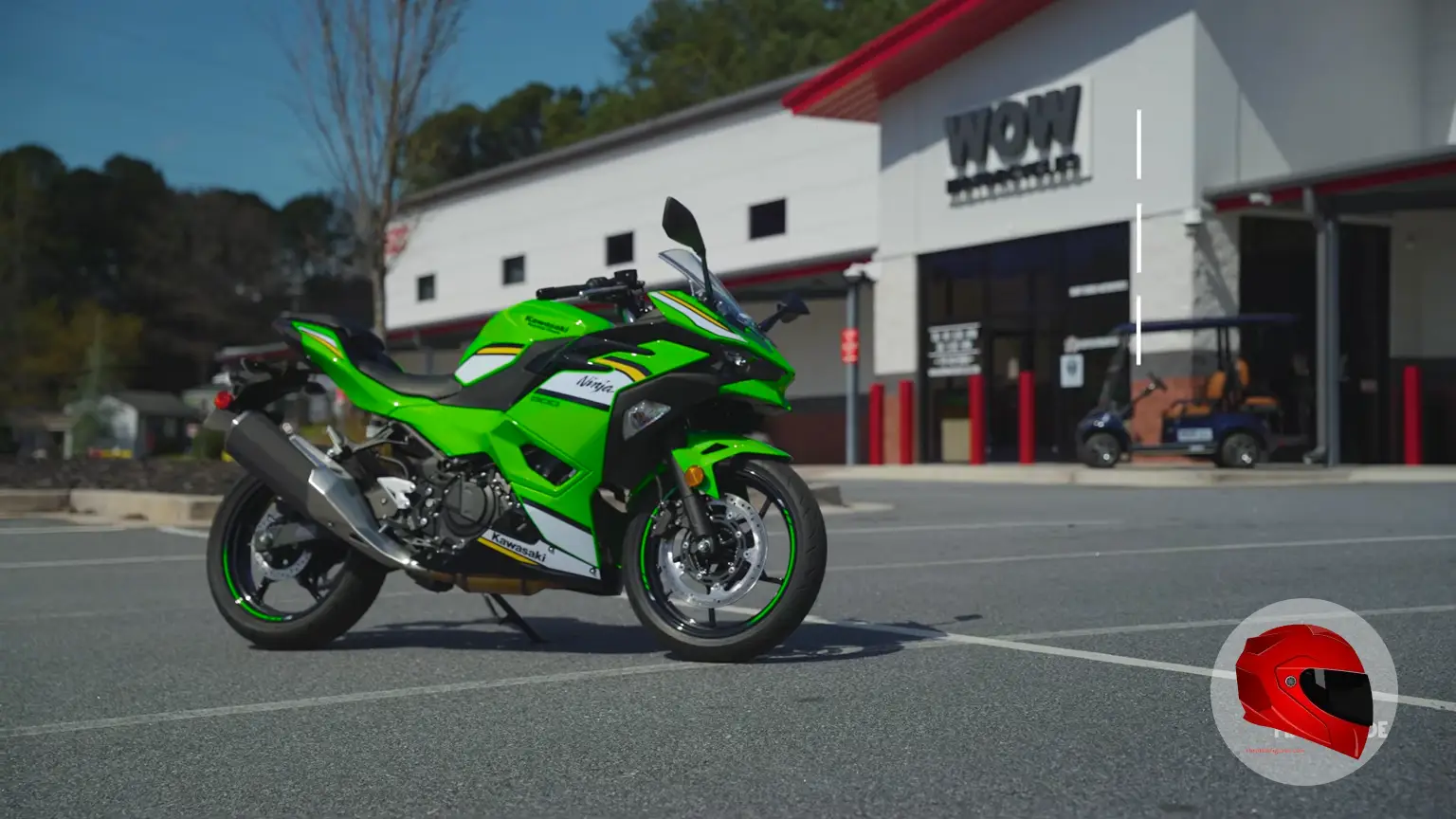
The 2026 Kawasaki Ninja 500 gives riders sportbike styling, manageable dimensions and enough twin-cylinder performance for daily roads and highway travel. Its 451cc engine sits between entry-level and middleweight motorcycles. Trim levels mainly change braking equipment, graphics and price rather than engine output. The main buying decisions are performance expectations, ABS availability, total out-the-door cost and licensing preparation.
2026 Kawasaki Ninja 500 Specs and Prices
| Attribute | Details |
|---|---|
| Model year | 2026 |
| Engine | Liquid-cooled 4-stroke parallel twin |
| Displacement | 451 cc |
| Bore x stroke | 70.0 x 58.6 mm |
| Compression ratio | 11.3:1 |
| Fuel system | DFI, 32 mm throttle bodies |
| Horsepower | Approximately 45 hp (47 PS) |
| Torque | Approximately 31.7 lb-ft |
| Transmission | 6-speed return-shift |
| Clutch | Assist and slipper |
| Top speed | Approximately 118 mph |
| 0–60 mph | Approximately 4.7 seconds |
| Seat height | 30.9 in |
| Fuel capacity | 3.7 gal |
| Dry weight | 346.2 lb standard; 350.6 lb SE |
| Curb weight | Approximately 371 lb non-ABS; 375 lb ABS |
| Base MSRP | $5,399 non-ABS |
| Lime Green MSRP | $5,599 |
| ABS MSRP | $5,799 |
| SE ABS MSRP | $5,999–$6,499 |
| Warranty | 12-month limited factory warranty |

How the Ninja 500 Performs on the Street
The parallel twin produces approximately 45 horsepower and 31.7 lb-ft of torque. That gives the Ninja 500 responsive acceleration without the abrupt surge associated with larger sport motorcycles. A 0-60 mph run takes about 4.7 seconds, while top speed is approximately 118 mph under favorable conditions. Rider weight, wind, elevation, tire condition and launch technique affect both figures.
At urban speeds, the engine pulls cleanly from corners and traffic lights without requiring constant shifts. The six-speed transmission keeps the engine settled on open roads, although sustained high-speed travel leaves less passing reserve than a Ninja 650. The Ninja 500 handles normal freeway use well, but it does not match 650cc twins or four-cylinder motorcycles in roll-on acceleration.
The compact chassis and moderate weight make direction changes easy. The assist-and-slipper clutch reduces lever effort and helps control rear-wheel chatter during aggressive downshifts. The bike feels most at home on winding back roads and commuting routes, where light steering and predictable power matter more than outright speed.

Comfort, Handling, and Technology
The 30.9-inch seat gives many riders a manageable reach to the ground. The riding position balances forward control with enough upper-body relief for commuting. The fairing provides some wind protection, and the narrow chassis is easier to move around a garage or parking lot than a heavier middleweight motorcycle.
- LED headlight and taillight
- High-contrast full-LCD meter
- Smartphone connectivity through the RIDEOLOGY app
- Assist-and-slipper clutch
- Sportbike fairing and compact riding position
- 3.7-gallon fuel tank
The LCD display focuses on clear basic information rather than the larger color screens found on more expensive motorcycles. Smartphone connectivity adds trip and vehicle information through a compatible phone, but the Ninja 500 does not have the full electronics package of a premium middleweight. Riders who want traction control, riding modes or a color TFT display will need to move up the Kawasaki range or consider competitors.

Ninja 500 Trims Compared
| Trim | Braking | Distinctive equipment | MSRP |
|---|---|---|---|
| Ninja 500 | Non-ABS | Standard graphics and equipment | $5,399 non-ABS |
| Ninja 500 Lime Green | Non-ABS | Lime Green finish | $5,599 |
| Ninja 500 ABS | Dual-channel ABS | Standard graphics and equipment | $5,799 |
| Ninja 500 SE ABS | Dual-channel ABS | Exclusive graphics and additional technology | $5,999–$6,499 |
The standard Ninja 500 is the least expensive way into the model, but it does not have anti-lock braking. The Lime Green version keeps the non-ABS setup and adds a specific color treatment. The Ninja 500 ABS adds braking assistance at both wheels, which suits riders who regularly encounter rain, emergency stops or changing road surfaces.
The Ninja 500 SE ABS combines ABS with exclusive graphics and additional technology. Its higher price makes the most sense when those features matter or when the local price difference is modest. For most street riders, the regular ABS model offers the clearest balance of safety equipment and purchase cost.
Is the Ninja 500 Good for Beginners?
Yes. The Ninja 500 suits a beginner who completes training, respects the throttle and feels comfortable with a sportbike riding position. Its 30.9-inch seat, manageable curb weight, smooth parallel-twin delivery and light clutch action remove several common early-riding obstacles. It still has enough performance to punish poor judgment, so its approachable size does not make it risk-free.
The Motorcycle Safety Foundation Basic RiderCourse covers foundational control skills and basic street-riding strategies. In many states, completing an approved course can also let a rider bypass the practical DMV test, although licensing rules differ by state. A Class M license or motorcycle endorsement is required for legal road riding in the United States.
The older Kawasaki Ninja 400 remains a strong used-market alternative. It makes approximately 44 horsepower, weighs 366 lb in non-ABS form and has a 30.9-inch seat. The Ninja 500 adds displacement and torque while keeping similar dimensions. Riders who want more acceleration and highway reserve can consider the Kawasaki Ninja 650, which produces 67 horsepower but brings higher performance and insurance costs.
With manageable power, a comfortable seat height and predictable handling, the Ninja 500 gives new riders room to build confidence without feeling limiting too soon. Before deciding to choose a first motorcycle, consider your inseam, commuting needs, comfort with maintenance and how often you plan to ride on the highway.
What a Ninja 500 Really Costs
| Cost item | Amount |
|---|---|
| Base non-ABS MSRP | $5,399 non-ABS |
| Destination charge | Approximately $650 |
| New dealer internet price | Approximately $5,200–$6,100 |
| Dealer out-the-door price | Approximately $6,300–$7,400 |
| Lightly used private-party asking price | Approximately $4,600–$5,500 |
| Annual insurance | Approximately $300–$1,200 or more |
| Promotional financing | As low as 5.95% APR for 36 months |
| Typical motorcycle loan rate | Approximately 7%–12% APR |
MSRP is only the starting point. Freight, setup, documentation fees, sales tax, registration and destination charges can raise the final dealer bill substantially. A new Ninja 500 listed near $5,400 can reach approximately $6,300 to $7,400 out the door, depending on location and dealer-added costs.
Kawasaki Finance Services offers promotional low-APR financing, deferred-payment options and revolving credit lines for qualified buyers. Compare the total amount financed, not just the monthly payment. A lower monthly figure can still result in a higher ownership cost when the loan term is extended or dealer fees are added to the balance.
Private-party pricing can reduce the purchase price, especially for lightly used motorcycles. The buyer must handle title review, inspection, payment security, insurance and registration. Add riding gear, maintenance, fuel, storage and insurance to the ownership budget. Annual insurance can range from approximately $300 to $1,200 or more, depending on age, location, coverage, motorcycle use and riding history.
The showroom price is only part of the budget for a Kawasaki Ninja 500. Insurance, fuel, scheduled servicing, tires, registration, riding gear and financing charges can all raise the monthly cost, so estimating the full motorcycle ownership cost gives you a clearer picture of what the bike will actually cost.
How to Buy a Kawasaki Ninja 500
A dealer purchase is simpler because the business can arrange financing and submit registration paperwork. A private-party purchase may cost less, but it requires closer document and mechanical checks.
- Set a complete budget that includes the MSRP or asking price, destination, taxes, registration, insurance, gear and delivery.
- Search dealer inventory and used listings through Cycle Trader, which supports nationwide comparisons of dealer and private-party motorcycles.
- Confirm the exact trim, ABS status, model year, mileage, title status and advertised fees.
- Inspect the motorcycle for crash damage, bent controls, fork leaks, uneven tire wear, chain condition, fluid leaks and warning lights.
- Request a vehicle history, maintenance records, matching vehicle identification numbers and a title without undisclosed liens.
- Arrange a pre-purchase inspection for a used motorcycle if you cannot evaluate it yourself.
- Compare the cash price with financing offers and ask for the complete out-the-door figure in writing.
- Complete the bill of sale, title transfer, lien paperwork, payment, insurance and registration before taking possession.
- Use a suitable trailer or professional delivery service if you are not licensed and insured to ride the motorcycle home.
Do not send a private seller payment before confirming the seller’s identity, ownership, physical motorcycle and title. A low asking price does not offset a missing title, unresolved lien, stolen-vehicle risk or motorcycle that needs immediate tire and brake work.
A new Kawasaki Ninja 500 comes with the latest equipment, a full warranty and no previous maintenance history to worry about. A used Ninja 500 costs less upfront and usually takes less of a depreciation hit in the first year, but mileage, crash history, worn parts and previous care matter more. Beginners should weigh those factors carefully when comparing a new or used motorcycle.

Ninja 500 Safety and Licensing
- Obtain a Class M license or motorcycle endorsement before riding on public roads.
- Complete the Motorcycle Safety Foundation Basic RiderCourse for hands-on instruction and licensing support where state rules permit.
- Choose the ABS trim if emergency braking on wet or unpredictable surfaces is a priority.
- Wear a DOT/ECE-certified helmet that meets DOT FMVSS 218 and carries ECE certification where required or preferred.
- Use motorcycle-specific gloves, a jacket, pants and over-the-ankle boots.
- Practice low-speed turns, controlled braking, shifting and swerving before riding in heavy traffic.
ABS does not remove the need for proper braking technique or increase available tire grip. It helps prevent wheel lock during hard braking, but speed, following distance, visibility and rider training remain central to accident avoidance.
Dyno testing of a Kawasaki Ninja 500
Dyno testing of a Kawasaki Ninja 500 showing peak outputs of 57.50 hp and 33.53 lb-ft of torque in one run, with a second run recording 55.16 hp and 33.65 lb-ft. Results are specific to this test setup and should not be treated as Kawasaki’s official factory output figures.

Kawasaki Ninja 500 Verdict
The Ninja 500 suits a first-time rider, daily commuter or experienced motorcyclist who wants a light sportbike with usable midrange power. It has enough speed for ordinary highway travel, an accessible seat height and technology that covers everyday needs without the cost or complexity of a premium electronics package.
The Ninja 500 ABS is the best all-around choice for most buyers because it adds dual-channel ABS for a moderate increase over the base model. Choose the SE ABS when its graphics and added technology justify the price. Riders who regularly carry a passenger, travel at high speeds or want substantially stronger acceleration should consider the Ninja 650 or larger alternatives.
The Triumph Trident 660 and Honda CBR650R deliver roughly 94 to 95 horsepower, while the Kawasaki ZX-4RR produces approximately 56 or more horsepower from a high-revving inline-four. Those motorcycles offer more performance or equipment, but their higher prices, weight and operating demands make the Ninja 500 easier to manage and less expensive to enter.
FAQs
Does the Ninja 500 have a factory warranty?
The 2026 Kawasaki Ninja 500 has a 12-month limited factory warranty. The warranty does not cover routine maintenance, and modifications or damage from misuse can affect claim eligibility.
Is the Ninja 500 available without ABS?
Yes. The standard Ninja 500 and Lime Green version are non-ABS configurations. The Ninja 500 ABS and Ninja 500 SE ABS include dual-channel ABS.
Is the Kawasaki Ninja 400 still worth considering?
Yes, especially as a used motorcycle. The Ninja 400 is lighter and often less expensive, while the Ninja 500 provides more displacement and torque with a similar seat height and riding position.
Conclusion
The 2026 Kawasaki Ninja 500 sits between lightweight beginner motorcycles and larger performance machines. For most street riders, the Ninja 500 ABS offers the strongest balance of price, control and safety equipment. The standard model remains suitable for buyers focused on the lowest purchase price.