
KTM RC 390: Specs, Top Speed & Generation
Disclaimer: Performance figures may vary depending on factors such as rider, road and weather conditions, vehicle condition, and testing methods. Figures are provided for informational purposes only.
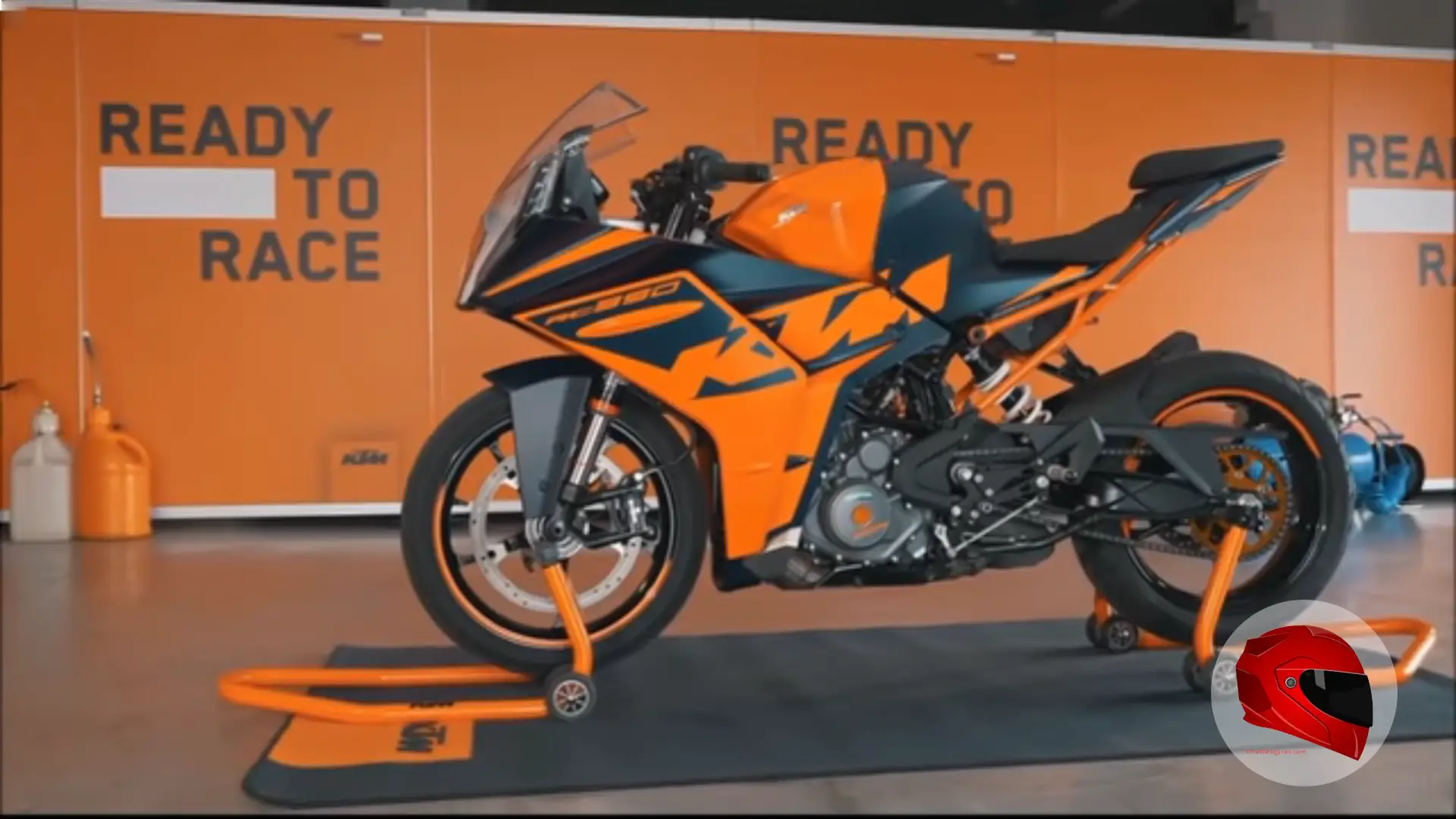
The 2024 KTM RC 390 combines a 373 cm³ single-cylinder engine with a lightweight steel trellis chassis and race-oriented bodywork. Its appeal comes from the balance between approximately 44 hp, low mass, strong brakes, and manageable running costs. Buyers in the United States also need to account for the model’s late-2025 discontinuation, remaining inventory, used-bike condition, dealer fees, and the Class M endorsement required by state law.
KTM RC 390 Specifications
|
Attribute |
2024 KTM RC 390 |
|---|---|
|
Manufacturer |
KTM |
|
Manufacturing partner |
Bajaj Auto |
|
Engine |
373 cm³ liquid-cooled single-cylinder |
|
Engine type |
4-stroke, 1-cylinder |
|
Horsepower |
Approximately 44 hp at 9,500 rpm |
|
Torque |
37 Nm |
|
Transmission |
6-speed |
|
Engine management |
Bosch EMS with ride-by-wire |
|
Top speed |
Approximately 110–115 mph |
|
0–60 mph |
Approximately 4.4–5.0 seconds |
|
Weight without fuel |
158 kg |
|
Fuel capacity |
Approximately 13.7 L |
|
Frame |
Powder-coated steel trellis |
|
Wheelbase |
1,343 mm |
|
Seat height |
824 mm |
|
Ground clearance |
158 mm |
|
Front suspension |
WP APEX 43 mm upside-down fork |
|
Rear suspension |
WP APEX monoshock |
|
Front brake |
Four-piston radial caliper, 320 mm disc |
|
Rear brake |
Single-piston floating caliper, 230 mm disc |
|
ABS |
Bosch 9.1MP two-channel ABS |
|
ABS mode |
Supermoto ABS |
|
Steering head angle |
66.5 degrees |
|
Trail |
84 mm |
|
Suspension travel |
120 mm front, 150 mm rear |
|
Front wheel |
Cast aluminum, 3.0 x 17 inches |
|
Rear wheel |
Cast aluminum, 4.0 x 17 inches |
|
Drive chain |
520 X-ring |
|
CO2 emissions |
81 g/km |
|
Base MSRP |
$5,899 |
|
Freight charge |
$575 |
The RC 390’s performance depends on more than horsepower. Its relatively low curb weight helps it accelerate quickly, although gearing, traction and rider weight also matter. Comparing it with a motorcycle power-to-weight ratio helps put the
RC 390’s specifications in context.
How Fast Is the KTM RC 390?
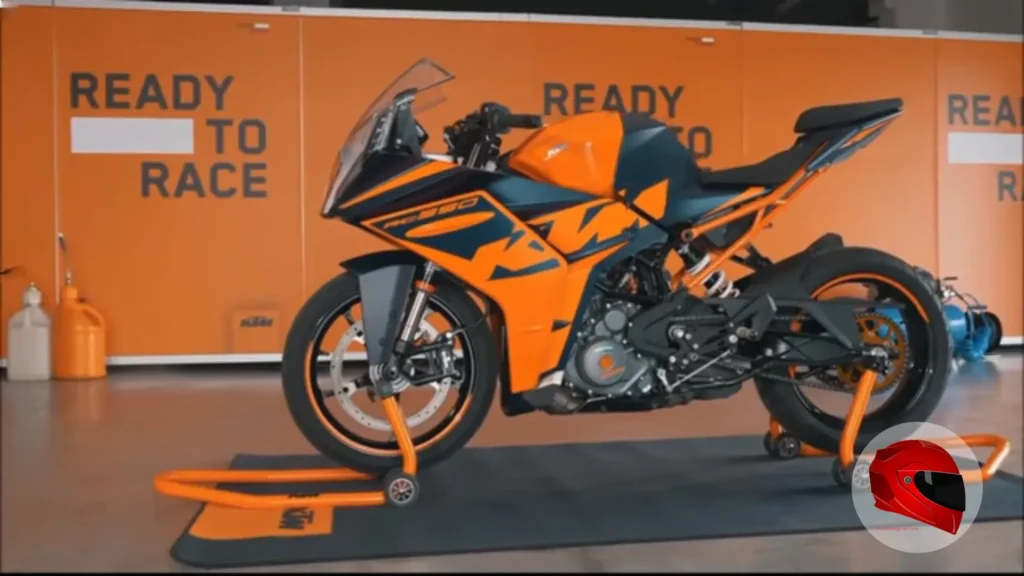
The RC 390 produces approximately 44 hp at 9,500 rpm and 37 Nm of torque. With a claimed dry-style weight of 158 kg without fuel, its power-to-weight ratio gives it strong acceleration for a small-displacement sport motorcycle. A properly running 2024 model reaches 60 mph in approximately 4.4 to 5.0 seconds, depending on rider technique, launch conditions, gearing, surface, and wind.
Top speed is approximately 110-115 mph. That figure is an estimate rather than a fixed factory performance rating because rider position, tire condition, gearing, elevation, and aerodynamic conditions affect the result. The RC 390 feels most energetic in the middle and upper reaches of its rev range, where the single-cylinder engine works with the six-speed transmission to maintain acceleration.
Its performance is more useful on winding roads and smaller tracks than on long highway runs. The upright section of the fairing and compact engine keep the bike manageable in traffic, while the committed riding position asks more of the wrists and hips during extended commuting.
Published top-speed figures for the RC 390 can vary with rider position, wind direction, road gradient, tire condition and the motorcycle’s state of tune. The fairing reduces aerodynamic drag, but even a small change in the rider’s tuck can affect the speed reached on a long straight. That is why motorcycle top speed factors may produce slightly different figures for the same model.
What Changed Across RC 390 Generations?
|
Generation |
Engine and output |
Chassis and equipment |
Fuel capacity |
US market position |
|---|---|---|---|---|
|
2015–2016 |
373 cm³ single-cylinder |
Early trellis chassis, first-generation electronics |
10.0 L |
Launch MSRP approximately $4,999 |
|
2017–2021 |
373 cm³ single-cylinder |
Facelifted bodywork, updated brakes and electronics |
10.0 L |
Used-market generation |
|
2022–2024 |
373 cm³ single-cylinder |
Revised chassis, larger tank, modern electronics |
Approximately 13.7 L |
Latest US generation |
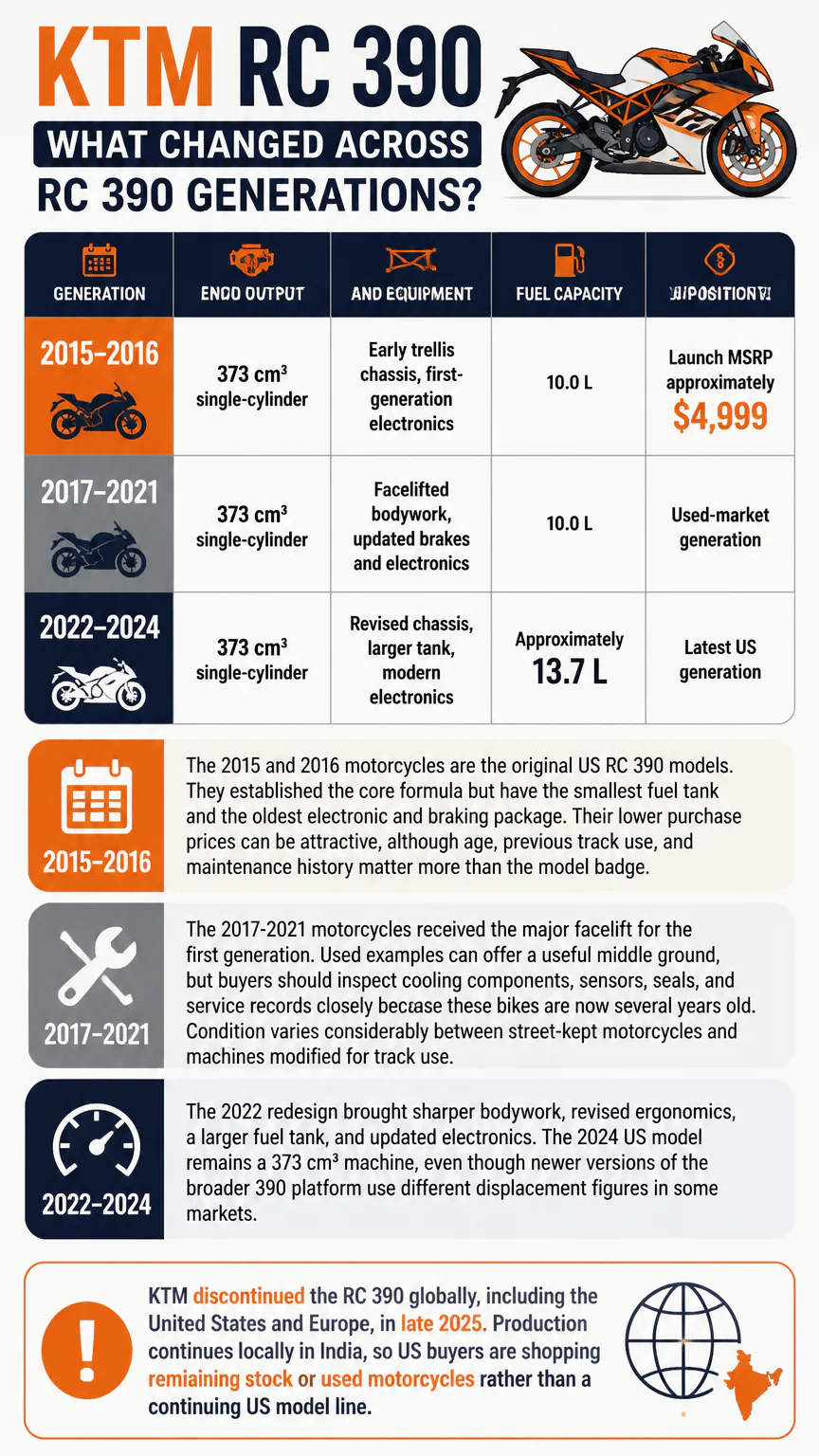
The 2015 and 2016 motorcycles are the original US RC 390 models. They established the core formula but have the smallest fuel tank and the oldest electronic and braking package. Their lower purchase prices can be attractive, although age, previous track use, and maintenance history matter more than the model badge.
The 2017-2021 motorcycles received the major facelift for the first generation. Used examples can offer a useful middle ground, but buyers should inspect cooling components, sensors, seals, and service records closely because these bikes are now several years old. Condition varies considerably between street-kept motorcycles and machines modified for track use.
The 2022 redesign brought sharper bodywork, revised ergonomics, a larger fuel tank, and updated electronics. The 2024 US model remains a 373 cm³ machine, even though newer versions of the broader 390 platform use different displacement figures in some markets. KTM discontinued the RC 390 globally, including the United States and Europe, in late 2025. Production continues locally in India, so US buyers are shopping remaining stock or used motorcycles rather than a continuing US model line.
How the RC 390 Handles and Stops
The powder-coated steel trellis frame and 1,343 mm wheelbase give the RC 390 a compact sport-bike profile. A 66.5-degree steering-head angle and 84 mm of trail support quick direction changes, while the 17-inch cast-aluminum wheels accept common sport-bike tire sizes. The 824 mm seat is approachable for many riders but is not low by beginner-bike standards.
WP APEX suspension hardware consists of a 43 mm upside-down front fork and a rear monoshock. The fork provides 120 mm of travel, and the rear suspension provides 150 mm. This setup gives the motorcycle useful control over imperfect pavement while retaining the firm, precise response expected from a race-inspired machine.
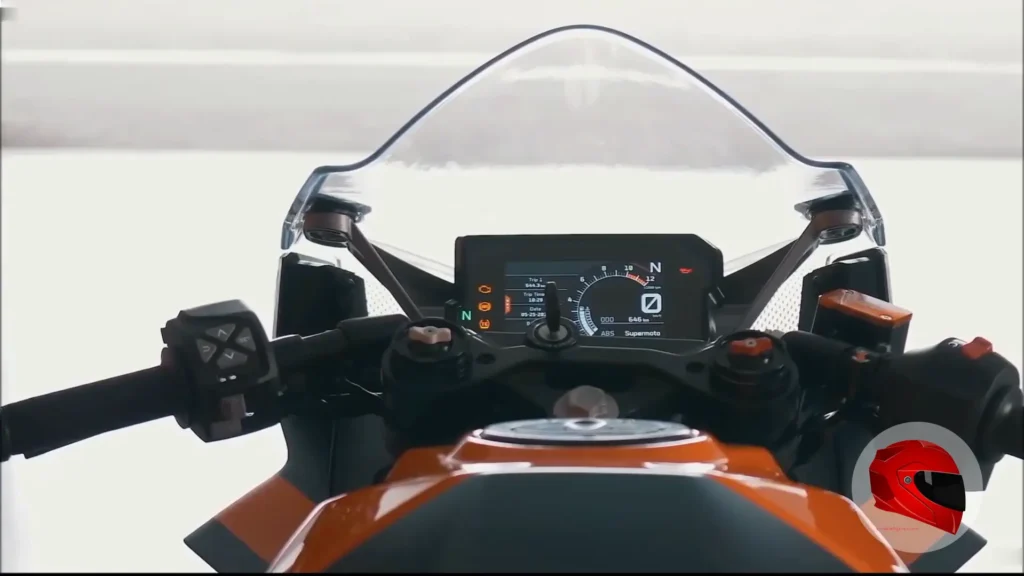
Braking hardware includes a four-piston radial fixed front caliper working on a 320 mm disc and a single-piston floating rear caliper on a 230 mm disc. Bosch two-channel ABS manages both wheels, and Supermoto ABS allows a different rear-wheel intervention strategy for riders using the motorcycle in that mode. The system improves control during hard braking, but it does not replace correct speed selection or rider training.
What Does an RC 390 Cost?
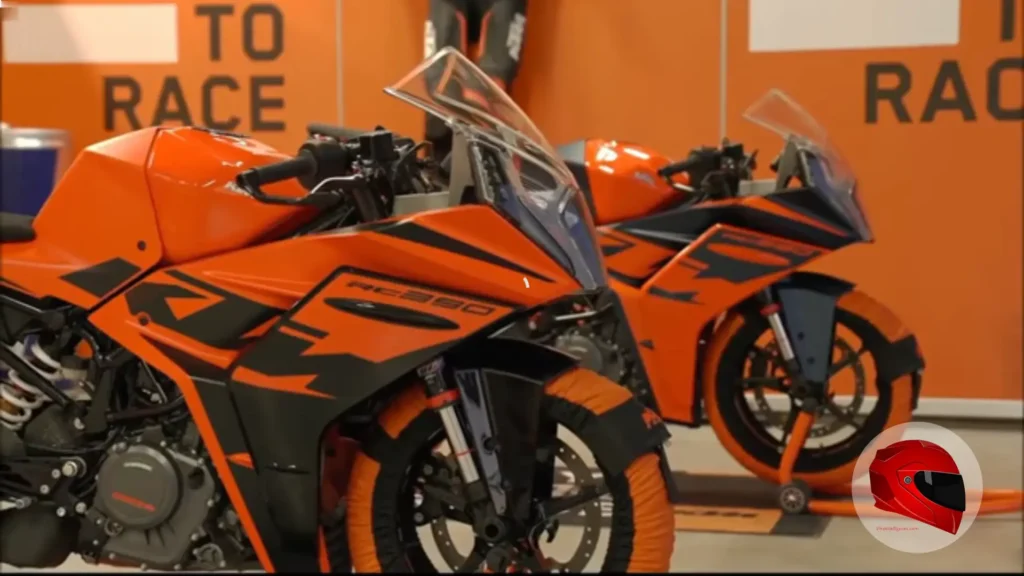
The 2024 motorcycle carried a $5,899 base MSRP plus a $575 freight charge, before destination-related dealer fees, setup, documentation, taxes, title, registration, and any accessories. A remaining new motorcycle can therefore cost more than its advertised base figure even when the dealer is not adding a market adjustment.
In the 2026 US market, recent used RC 390 motorcycles, especially 2022-2024 models, generally fall between $3,500 and $6,000. Mileage, title status, modifications, service records, tires, crash damage, and regional supply determine where a particular motorcycle sits in that range. A lower private-party price is not automatically better if it requires tires, chain work, brake service, or electrical repairs immediately after purchase.
Financing and trade-in support are usually easier through a dealership. Private purchases can reduce the sale price but often require cash or independent financing, a bill of sale, title verification, and separate registration work. Add insurance, transport, sales tax, and state fees to the motorcycle price before comparing offers.
Where to Buy a KTM RC 390
KTM Dealer Locator is the official route for finding KTM dealers and checking remaining inventory. A dealer is the most convenient choice when you want help with financing, trade-in paperwork, title processing, warranty questions, or a pre-sale inspection. Ask for the full out-the-door price because freight, setup, documentation, and registration charges can materially change the total.
Cycle Trader is useful for comparing dealer and private-party listings across multiple states. Online listings make it easier to compare mileage, model year, modifications, and asking prices, but a listing is not a mechanical inspection. Confirm the VIN, title status, lien status, service history, shipping cost, and return terms before sending money.
Private sellers can offer the lowest purchase prices and provide useful access to owner-maintained motorcycles. Meet in person when possible, compare the VIN on the frame and title, inspect the bike cold, and use a written bill of sale. A motorcycle that has been used for track days deserves additional scrutiny because fairings can conceal a crash and maintenance intervals may have been accelerated.
What to Check Before Buying Used
A used RC 390 should start easily from cold, reach normal operating temperature, and run without warning lights or obvious fluid loss. Inspect the motorcycle before the seller warms it up, because a cold start reveals battery, fueling, starting, and mechanical problems more clearly.
-
Match the VIN on the frame, title, and registration documents.
-
Confirm the title is clear and verify any lien release.
-
Inspect the steering stops, fork tubes, frame welds, subframe, wheels, and rearsets for crash damage.
-
Check the radiator, hoses, coolant level, fan operation, and signs of overheating.
-
Look for fork-seal leaks, shock leakage, damaged adjusters, and uneven tire wear.
-
Test the front and rear brakes and check the discs for deep grooves, warping, or excessive discoloration.
-
Confirm the dashboard has no persistent warning lights and that switches, lights, indicators, and the fuel sensor work.
-
Inspect the 520 X-ring chain and sprockets for tight spots, hooked teeth, rust, or poor lubrication.
-
Request maintenance records and ask directly about track use, crashes, engine modifications, and stored fault codes.
Do not rely on a clean appearance to establish mechanical condition. A pre-purchase inspection by a motorcycle technician is especially valuable when the seller cannot document valve service, cooling-system work, or crash repairs.
KTM RC 390 Maintenance Schedule
Maintenance needs depend on mileage, storage, riding conditions, and whether the motorcycle sees track use. The owner’s manual and the service schedule for the exact model year control the required intervals, while severe use can justify more frequent inspections.
-
Complete the break-in service at the specified early mileage.
-
Change engine oil and the oil filter at the scheduled intervals.
-
Inspect and adjust the drive chain regularly, including after wet or dirty rides.
-
Check brake pads, discs, tires, wheel bearings, steering-head bearings, and suspension seals.
-
Inspect valve clearances at the specified major-service interval.
-
Replace brake fluid, coolant, and other fluids according to the model-year schedule.
-
Keep the air filter clean and inspect intake, fuel, and cooling-system connections.
-
Store the motorcycle with a charged battery and correct fuel-storage preparation.
Valve checks and cooling-system maintenance deserve particular attention on a high-revving single-cylinder motorcycle. A neglected chain, low coolant level, or overdue fluid service can create costs that erase the apparent savings of a cheap used example.
Common RC 390 Problems
Common ownership complaints center on cooling-system behavior, electrical sensors, dashboard warnings, and the fuel-level reading. The motorcycle should not run hot in ordinary traffic with a functioning fan and correctly filled cooling system, so repeated overheating, coolant loss, or unexplained temperature spikes require diagnosis rather than dismissal as normal single-cylinder behavior.
Inspect the fuel sensor and dashboard for inaccurate readings or intermittent warnings. Also check the battery, charging system, connectors, and wiring on older or modified motorcycles. Track conversions can introduce nonfactory wiring, deleted lighting equipment, altered ABS settings, and bodywork damage that is not obvious in photographs.
These concerns do not make every RC 390 unreliable. A documented motorcycle with regular fluid changes, correct chain maintenance, intact cooling hardware, and an unmodified electrical system is a substantially safer purchase than an inexpensive bike with no records.
Is the KTM RC 390 Right for You?
The RC 390 suits riders who want a focused sport-bike position, responsive handling, and enough engine performance for highway use and track days. Its low mass makes it less intimidating to maneuver at low speed than many larger supersport motorcycles, but the seat height and forward-weighted ergonomics can challenge shorter riders or commuters who spend long hours in traffic.
New riders should complete appropriate training and obtain the required Class M motorcycle endorsement. State requirements differ, and an endorsement is generally required to ride legally on public roads. The bike’s power is manageable for a disciplined beginner, but its committed controls and quick steering still reward formal instruction.
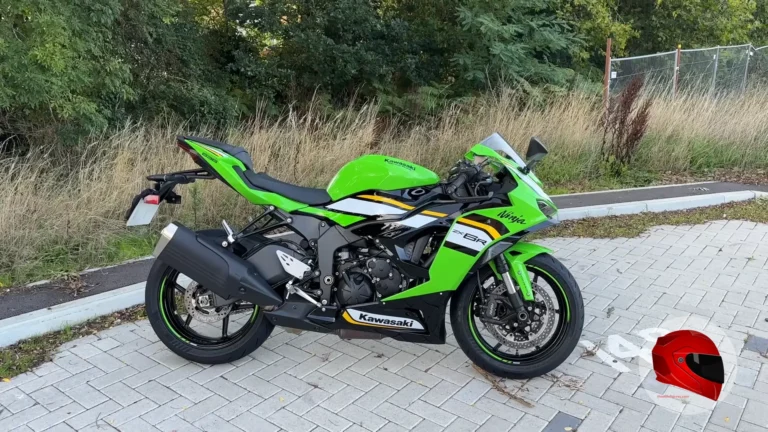
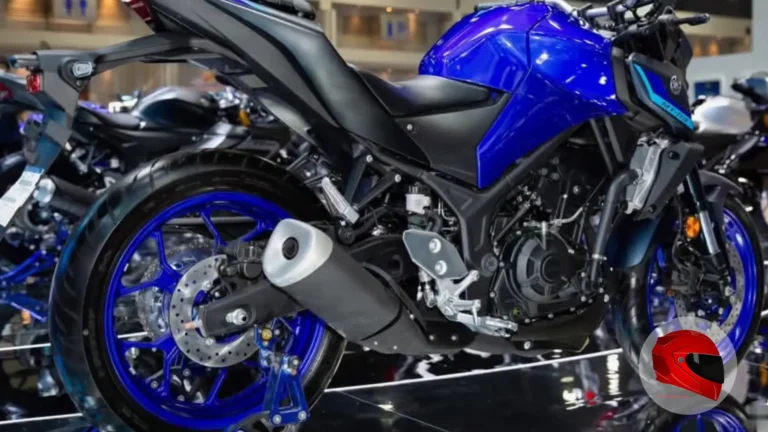
The Kawasaki Ninja 400 generally offers a smoother parallel-twin character and broad everyday usability. The Yamaha YZF-R3 provides another approachable lightweight supersport option with a different twin-cylinder power delivery. The RC 390 is the sharper choice for riders who prioritize single-cylinder punch, low weight, firm chassis response, and track-oriented equipment over the smoothest commuter manners.
The RC 390’s committed riding position and aerodynamic fairing suit riders who want sharp cornering feedback and track-inspired styling, but the setup is less comfortable in stop-and-go traffic. An upright alternative makes low-speed riding easier and feels more relaxed at the bars, although it gives up some of the RC’s sporty character. Comparing the KTM Duke 390 comparison with the RC 390 can help you decide which 390 better suits your daily riding.
FAQs
Why was the RC 390 discontinued?
KTM discontinued the RC 390 globally, including in the United States and Europe, in late 2025. The cost of updating the 373 cm³ and related 390-platform engines for stricter emissions requirements made continued production less practical in those markets.
Does the KTM RC 390 get good gas mileage?
Fuel economy depends on speed, traffic, rider weight, gearing, and maintenance. The 2022-2024 motorcycle has approximately 13.7 L of fuel capacity, while first-generation 2015-2021 models use a 10.0 L tank.
Is the KTM RC 390 comfortable for daily commuting?
It can handle daily commuting, especially on curving roads and moderate-distance trips. The 824 mm seat and forward sport-bike ergonomics are less forgiving during long, stop-and-go rides than the riding position of a standard motorcycle.
Can the RC 390 be used on a racetrack?
Yes. Its low weight, responsive chassis, strong front brake, and Supermoto ABS setting make it suitable for track days. Track use increases the importance of tire condition, brake inspection, fluid changes, and crash-damage checks.
Conclusion
The 2024 KTM RC 390 remains a compelling lightweight sport motorcycle when its performance-focused ergonomics and single-cylinder character fit the rider. In 2026, focus on remaining inventory and carefully inspected used examples, then compare the complete out-the-door cost rather than the advertised motorcycle price alone.

One Comment
Comments are closed.