
Yamaha R3: Specs, Performance, Comfort, Pricing & First-bike Advice
112 – mph
TOP SPEED
5.0 – sec
0 – 60 MPH
42 – hp
HORSEPOWER
21.8 – lb-ft
TORQUE
373 – lb
WEIGHT
321 – cc
DISPLACEMENT
Disclaimer: Performance figures may vary depending on factors such as rider, road and weather conditions, vehicle condition, and testing methods. Figures are provided for informational purposes only.
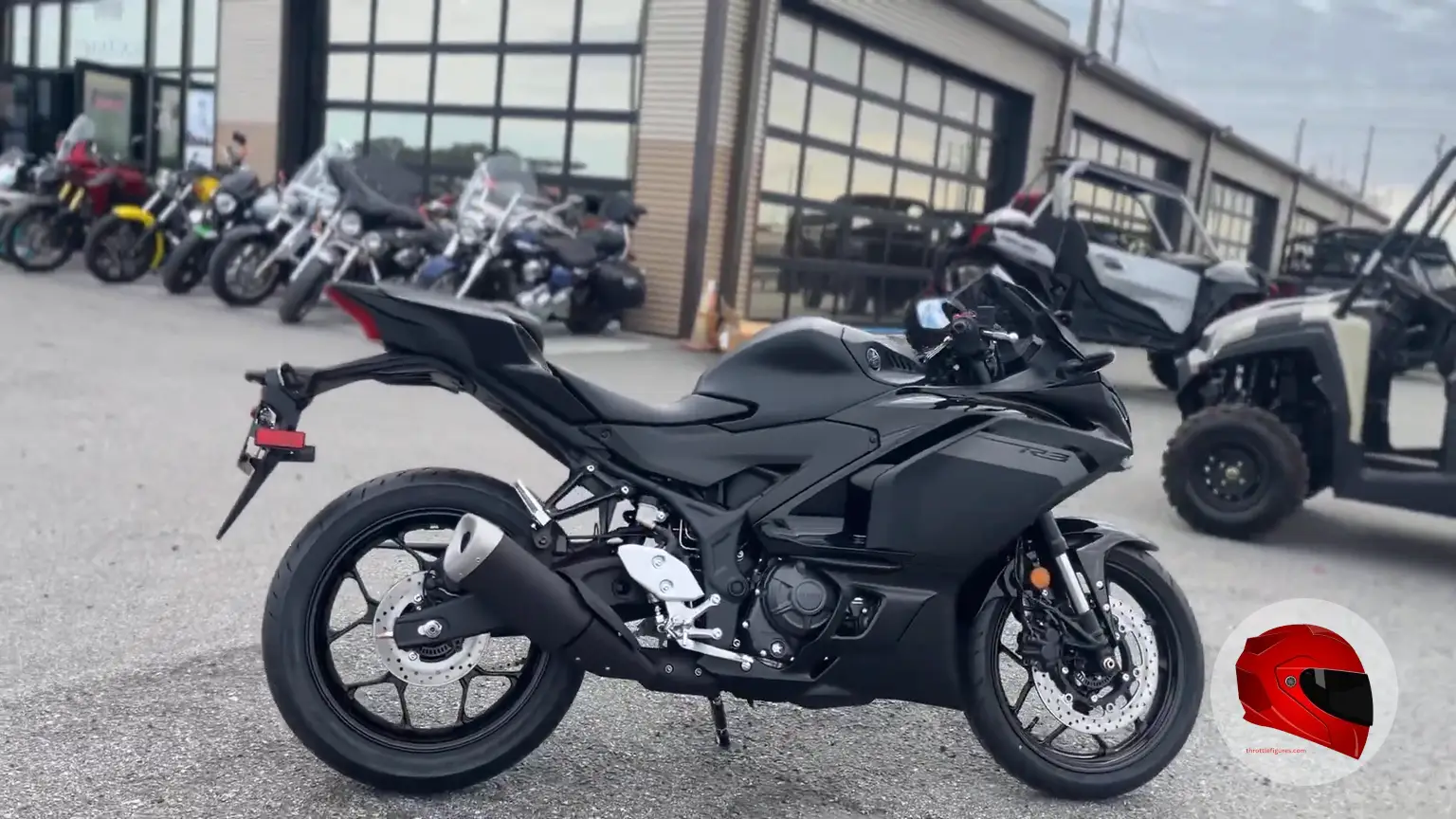
The Yamaha R3, officially the Yamaha YZF-R3, remains one of the most approachable lightweight sport motorcycles in the United States. Its 320.3cc liquid-cooled 4-stroke 8-valve DOHC 180° inline-twin engine has enough performance for highway travel and track days without becoming difficult for newer riders to manage. The right purchase depends on the model year, rider size, equipment, intended mileage and total out-the-door cost, not horsepower alone.
Yamaha R3 Specifications and Features
| Specification | Yamaha R3 detail |
|---|---|
| Manufacturer | Yamaha Motor Company |
| Model name | Yamaha YZF-R3 |
| Production | 2015–present |
| Class | Sport bike |
| Engine displacement | 320.3cc |
| Engine type | Liquid-cooled 4-stroke 8-valve DOHC 180° inline-twin |
| Bore × stroke | 68.0mm × 44.1mm |
| Compression ratio | 11.2:1 |
| Claimed horsepower | 42 hp at 10,750 rpm |
| Claimed torque | 21.8 lb-ft at 9,000 rpm |
| Transmission | 6-speed constant-mesh |
| Estimated top speed | 112 mph |
| Estimated 0–60 mph | 5.1 seconds |
| Frame | Steel diamond |
| Front suspension | 41mm telescopic fork; KYB inverted fork on later models |
| Rear suspension | Single rear shock |
| Front brake | 298mm hydraulic disc |
| Rear brake | 220mm hydraulic disc |
| ABS | Optional from 2017; dual-channel on later versions |
| Front tire | 110/70-17 |
| Rear tire | 140/70-17 |
| Wheelbase | 1,380mm |
| Seat height | 780mm (30.7in) |
| Wet weight | 367–373 lb |
| Fuel capacity | 14.0L (3.7gal) |
| Fuel economy | 48–56 mpg |
| Overall dimensions | 2,090 × 735 × 1,140mm |
| 2026 starting MSRP | $5,499 |
| 2026 anniversary edition MSRP | $5,699 |
| 2026 instrument display | LCD instrument cluster |
| 2026 connectivity | Yamaha Motorcycle Connect |
| 2026 charging | USB-A socket |
How Fast Is the Yamaha R3?
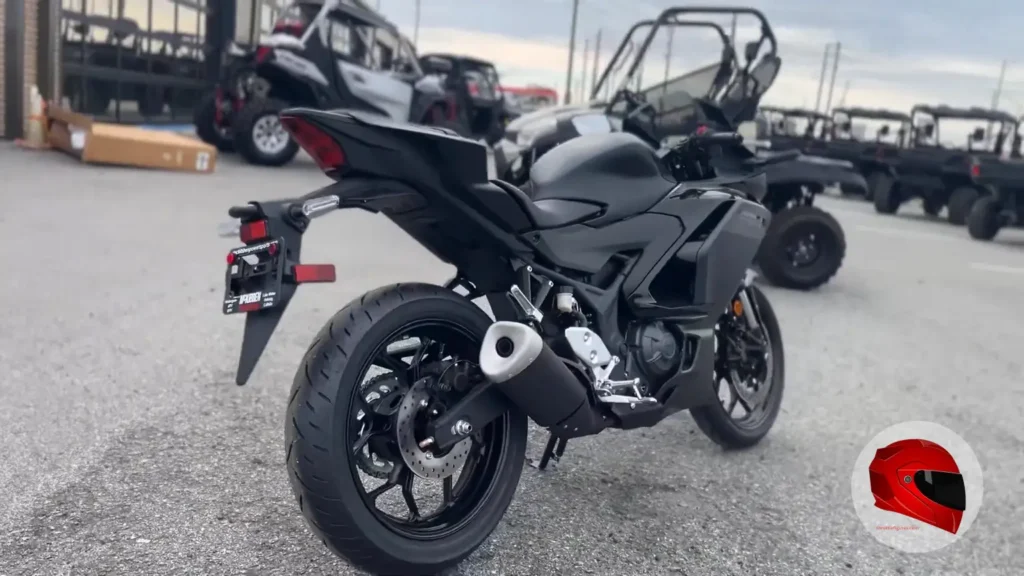
The R3 produces a claimed 42 hp and 21.8 lb-ft of torque. Power builds as the inline-twin climbs toward its high redline. Acceleration to 60 mph takes approximately 5.1 seconds, and estimated top speed is about 112 mph. Actual results vary with rider weight, wind, altitude, gearing, tire condition and launch technique.
For everyday riding, the engine responds well in city traffic and provides enough power for highway merging without overwhelming a developing rider. It cruises comfortably at typical highway speeds, although passing in strong wind or with extra luggage requires a downshift and some planning. The six-speed transmission keeps the engine in a useful part of its rev range.
The R3 is not as powerful as a middleweight sport motorcycle, but its lower weight makes the available performance easier to use on tight roads and beginner-friendly track layouts. Riders moving up from a smaller single-cylinder motorcycle will notice its stronger highway ability. Experienced riders may eventually want more midrange power.
Handling, Braking, and Comfort
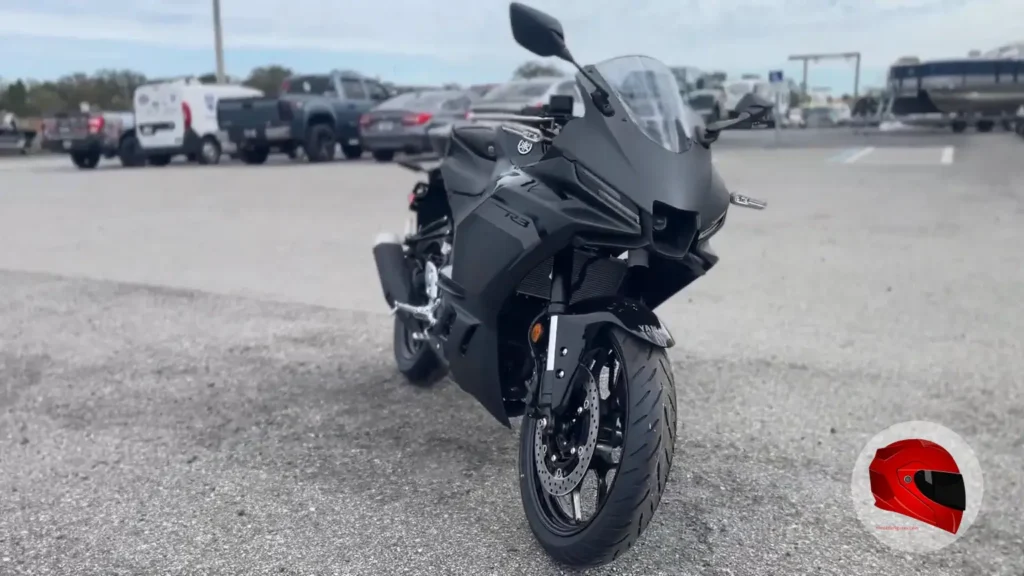
The steel diamond frame, 1,380mm wheelbase, narrow tires and low wet weight give the R3 quick steering and predictable balance. Its 30.7-inch seat height suits many riders, while the narrow seat can make it easier to reach the ground than the measurement alone suggests. Inseam length and boot choice still matter, especially during low-speed stops.
Suspension equipment varies by model year. Earlier motorcycles use a 41mm telescopic fork, while later versions received KYB inverted forks and revised front-end styling. A single rear shock keeps the chassis layout straightforward. Clip-on handlebars and rear-set foot controls create a sporty riding position, but the R3 remains usable for commuting.
Braking comes from a 298mm front hydraulic disc and a 220mm rear disc. ABS became an option in 2017 and appears in dual-channel form on later versions. For street riding, ABS can help prevent wheel lock during hard braking on wet or contaminated pavement.
Comfort depends on distance and body size. The fairing provides useful wind protection, but the firm seat and forward lean can become tiring on long highway trips. The R3 is easy to maneuver in parking lots and traffic, and its 48-56 mpg fuel economy helps offset its modest fuel capacity.
Technology and Model-Year Changes
The R3 has evolved gradually rather than receiving a complete redesign every year. Model year matters because suspension, lighting, braking equipment, bodywork and electronics vary across the production run.
- 2015: Production begins with the 320.3cc parallel-twin platform.
- 2017: ABS becomes available as an option.
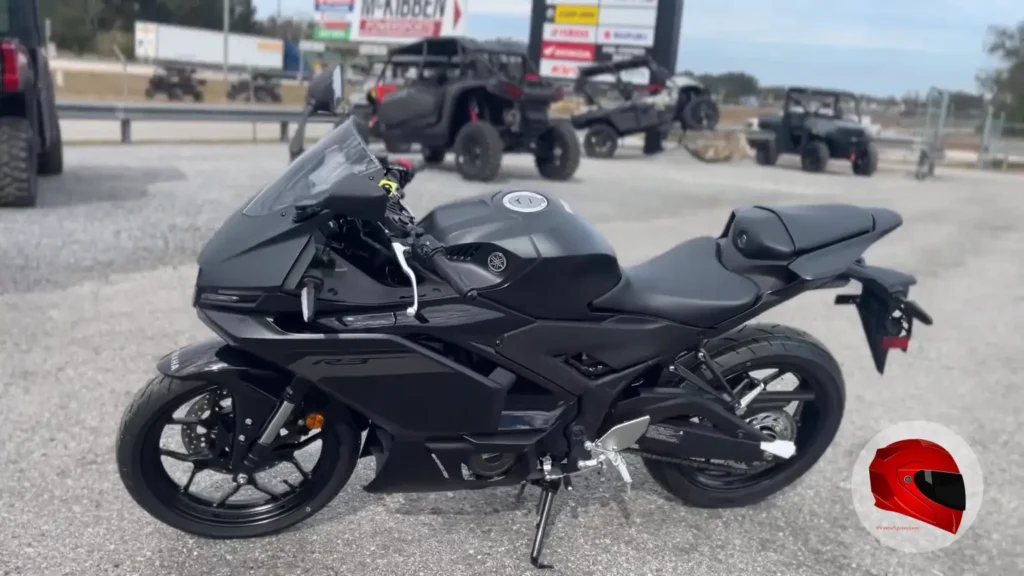
- 2019: Updated fairing, KYB inverted forks, lower clip-on handlebars, a revised fuel-tank cover and full LCD instrumentation arrive.
- 2025: An assist-and-slipper clutch, integrated winglet styling, updated headlight, electronic updates and Euro 5+ compliance are added.
- 2026: The M1 MotoGP-inspired front fairing, aerodynamic winglets, LED lighting, R-Series bodywork and updated ergonomics arrive.
The 2026 Yamaha Motorcycle Connect system adds incoming notifications, ride-data tracking, technical alerts, location information, distance, fuel consumption and acceleration data. A USB-A socket charges compatible devices, while the LCD instrument cluster keeps the display layout relatively simple.
Is the R3 a Good First Motorcycle?
Yes. The R3 is a strong first motorcycle for anyone who wants a sportbike riding position without the abrupt power delivery and greater weight of a larger supersport. Its throttle response is manageable, the clutch is familiar, and the chassis gives new riders clear feedback as they build skill.
New riders still need proper instruction, protective gear and restraint during the first months of ownership. The R3 can exceed legal highway speeds quickly, and its sporty bodywork does not reduce the consequences of a crash. A Motorcycle Safety Foundation course provides structured training and may satisfy or waive a motorcycle skills-test requirement in some states.
Before riding on public roads, obtain the motorcycle endorsement or license required by the state where the motorcycle will be registered. Insurance, registration, taxes and equipment rules vary by state. The R3 is a full street-legal motorcycle, not a low-speed scooter or motorized bicycle.
The main beginner limitations are the forward-leaning ergonomics, limited storage and relatively modest low-rpm torque. A very tall rider may find the cockpit compact, while a very small rider should check reach to the controls and their ability to support the motorcycle confidently.
The R3’s manageable power, light weight and predictable handling give new riders room to practice braking, cornering and low-speed control without feeling overwhelmed. Before you choose a first motorcycle, also consider the seat height, riding position, insurance and maintenance costs, along with how soon you might outgrow it. Those details will help you decide whether the R3 is the right first bike for you.
Yamaha R3 Pricing and Ownership Costs
The 2026 R3 starts at $5,499 before destination, freight, setup, documentation, taxes, registration and other dealer charges. The 2026 anniversary edition has a $5,699 MSRP. Financing programs may be available to eligible buyers.
Used Yamaha YZF-R3 prices vary with mileage, title status, model year, ABS, modifications, service history and crash damage. A used motorcycle priced close to a new one deserves careful comparison. Dealer fees, warranty coverage, financing terms and updated equipment can change the calculation.
- Dealerships: New motorcycles, financing, trade-ins, warranty support and registration assistance are available, but the final price includes charges beyond MSRP.
- Motorcycles on Autotrader: Listings make it easier to compare new and used R3 motorcycles across locations and price points.
- Private sellers: The purchase price may be lower, but the buyer must handle title review, inspection, payment security, taxes and registration.
- Fuel: Consumption of approximately 48-56 mpg keeps routine fuel use moderate.
- Insurance: Premiums depend on age, location, riding history, coverage limits, deductible and motorcycle experience.
- Maintenance: Budget for oil and filter service, chain cleaning and adjustment, tire replacement, brake wear, fluids and scheduled inspections.
Financing raises the total cost through interest and finance charges, even when the monthly payment looks manageable. Compare the amount financed, loan term, annual percentage rate, required down payment and total repayment rather than focusing only on the monthly figure.
The R3’s purchase price is only part of the budget. Factor in insurance, fuel, tires, scheduled maintenance, registration, protective gear and occasional repairs, as these costs can outweigh a small difference in the bike’s sticker price. Looking at the full motorcycle ownership costs gives you a more realistic figure than the advertised MSRP alone.
How to Buy a Used Yamaha R3
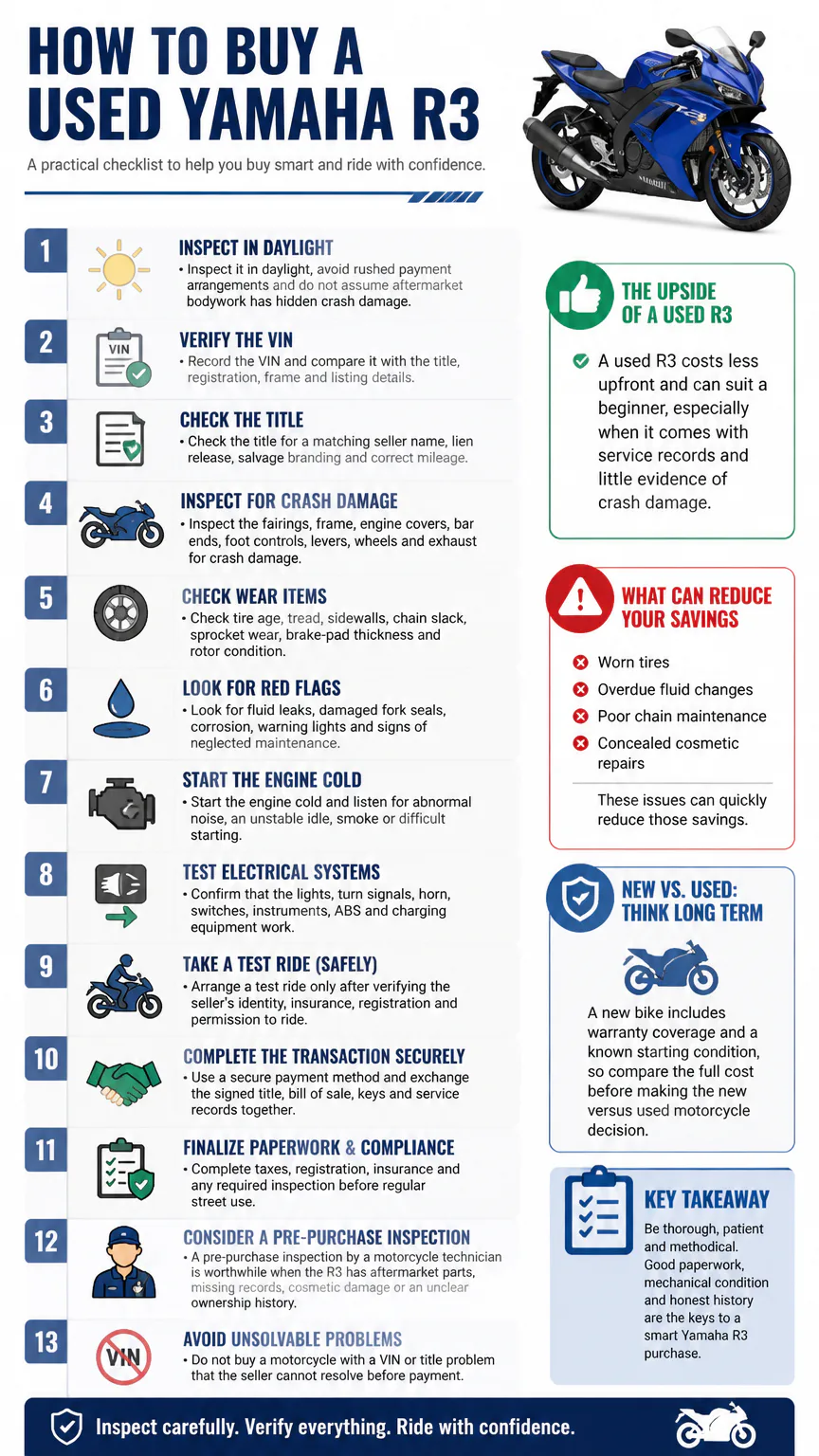
A used R3 can be a sensible purchase when its paperwork and mechanical condition support the asking price. Inspect it in daylight, avoid rushed payment arrangements and do not assume aftermarket bodywork has hidden crash damage.
- Record the VIN and compare it with the title, registration, frame and listing details.
- Check the title for a matching seller name, lien release, salvage branding and correct mileage.
- Inspect the fairings, frame, engine covers, bar ends, foot controls, levers, wheels and exhaust for crash damage.
- Check tire age, tread, sidewalls, chain slack, sprocket wear, brake-pad thickness and rotor condition.
- Look for fluid leaks, damaged fork seals, corrosion, warning lights and signs of neglected maintenance.
- Start the engine cold and listen for abnormal noise, an unstable idle, smoke or difficult starting.
- Confirm that the lights, turn signals, horn, switches, instruments, ABS and charging equipment work.
- Arrange a test ride only after verifying the seller’s identity, insurance, registration and permission to ride.
- Use a secure payment method and exchange the signed title, bill of sale, keys and service records together.
- Complete taxes, registration, insurance and any required inspection before regular street use.
A pre-purchase inspection by a motorcycle technician is worthwhile when the R3 has aftermarket parts, missing records, cosmetic damage or an unclear ownership history. Do not buy a motorcycle with a VIN or title problem that the seller cannot resolve before payment.
A used R3 costs less upfront and can suit a beginner, especially when it comes with service records and little evidence of crash damage. Worn tires, overdue fluid changes, poor chain maintenance or concealed cosmetic repairs can quickly reduce those savings. A new bike includes warranty coverage and a known starting condition, so compare the full cost before making the new versus used motorcycle decision.
Yamaha R3 Pros and Cons
- Pros: Lightweight handling, manageable power, useful highway performance, strong fuel economy, accessible seat height, large aftermarket support and a six-speed transmission.
- Pros: Later versions add improved suspension, modern bodywork, ABS availability, LED lighting, connectivity and an assist-and-slipper clutch.
- Cons: Limited storage, a firm seat, forward-leaning ergonomics and less passing power than larger sport motorcycles.
- Cons: New-bike freight, setup, documentation, tax and registration charges can push the out-the-door price well above MSRP.
- Cons: Used examples with crash damage, track modifications, worn tires or poor chain maintenance can require expensive repairs.
The R3 is a good value for riders who prioritize low weight, predictable handling and affordable running costs. A larger motorcycle is a better fit for frequent two-up riding, heavy touring loads or strong high-speed passing performance.
FAQs
Is the R3 a girls bike?
No. The Yamaha R3 is a sport motorcycle for any rider who fits its ergonomics and meets licensing requirements. Its lightweight chassis and moderate power make it suitable for beginners regardless of gender.
What cc is the Yamaha R3 V1?
The first-generation Yamaha R3 uses a 320.3cc liquid-cooled 4-stroke 8-valve DOHC 180° inline-twin engine. It has a 68.0mm bore and 44.1mm stroke.
Is the R3 faster than the Ninja 400?
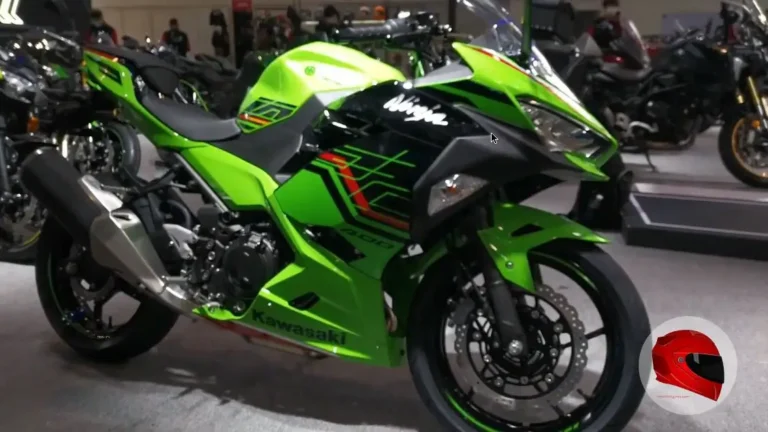
The Kawasaki Ninja 400 generally has an advantage in horsepower, torque and acceleration because of its larger 399cc engine. The R3 remains competitive in lightweight handling, fuel economy and approachable power delivery.
Conclusion
The Yamaha R3 is one of the strongest choices for a first sport motorcycle, particularly for riders who value light handling, manageable performance and reasonable ownership costs. Compare the full out-the-door price of a new bike with the condition and history of used listings before deciding where to buy.

One Comment