
Honda CBR600RR: 2026 Specs, Performance, History & Buying Advice
160 – mph
TOP SPEED
3.3 – sec
0 – 60 MPH
113 – hp
HORSEPOWER
48 – lb-ft
TORQUE
419 – lb
WEIGHT
599 – cc
DISPLACEMENT
Disclaimer: Performance figures may vary depending on factors such as rider, road and weather conditions, vehicle condition, and testing methods. Figures are provided for informational purposes only.
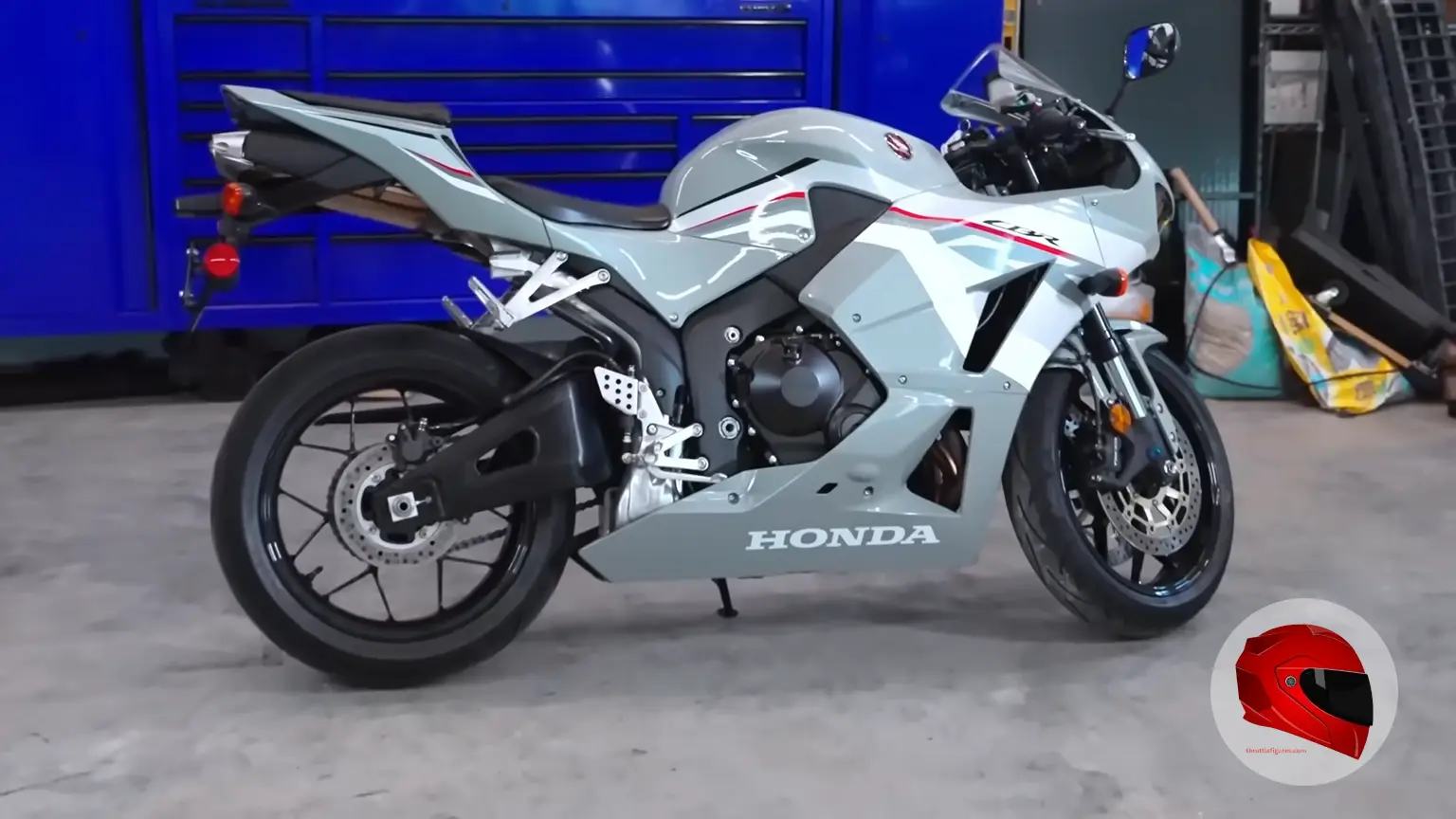
The Honda CBR600RR remains a serious middleweight supersport for riders who want high-rpm power, precise handling and track-ready equipment. The 2026 model starts at $11,499 before destination, while the ABS version costs $12,499. The bigger question is whether you want aggressive ergonomics, regular maintenance and a motorcycle that rewards committed riding.
2026 Honda CBR600RR Specifications and Price
| 2026 Honda CBR600RR specification | 2026 Honda CBR600RR details |
|---|---|
| Manufacturer | Honda Powersports |
| Class | Sport bike / supersport |
| Standard MSRP | $11,499 |
| ABS MSRP | $12,499 |
| Destination charge | $600 |
| Engine displacement | 599 cc |
| Engine type | Liquid-cooled inline-four, DOHC 16-valve |
| Horsepower | 119–120 hp at 14,250 rpm |
| Torque | 46.5 lb-ft at 11,500–12,000 rpm |
| Transmission | Close-ratio 6-speed manual |
| Fuel system | PGM-DSFI, 40 mm throttle bodies |
| Final drive | #525 O-ring chain |
| Track top speed | Approximately 155 mph |
| Curb weight | 419 lb |
| Wheelbase | 53.9 in |
| Seat height | 32.4 in |
| Fuel capacity | 4.8 gal |
| Fuel economy | 44 mpg combined |
| Front suspension | 41 mm Showa SFF-BP fork |
| Rear suspension | Unit Pro-Link HMAS shock |
| Front brakes | Dual 4-piston calipers, 310 mm discs |
| Rear brake | Single-piston caliper, 220 mm disc |
| Front tire | 120/70ZR-17 |
| Rear tire | 180/55ZR-17 |
| Electronics | IMU modes, Honda Selectable Torque Control |
| Quickshifter | Up-and-down available |
| Display | Full-color TFT |
| Aerodynamics | MotoGP-derived winglets |
How the CBR600RR Performs
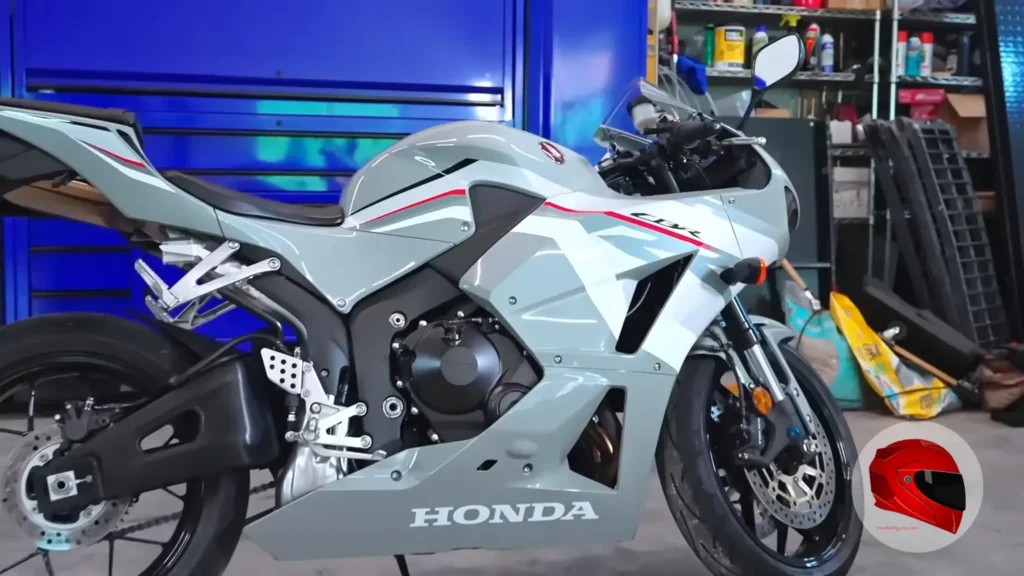
The 599 cc inline-four comes alive as the revs climb. With approximately 119-120 horsepower at 14,250 rpm, it delivers the sharp, escalating power associated with a supersport engine. Peak torque also arrives high in the rev range, so smooth corner exits often demand more gear selection and engine speed than they would on a larger-displacement street motorcycle.
The chassis uses a fully adjustable 41 mm Showa SFF-BP inverted fork and a fully adjustable Unit Pro-Link HMAS rear shock. Dual radial-mounted four-piston front calipers and 310 mm discs provide the braking hardware expected for fast track riding. The 53.9-inch wheelbase and 419-pound curb weight support quick direction changes without making the motorcycle feel insubstantial.
IMU-driven riding modes and Honda Selectable Torque Control help manage throttle response and rear-wheel traction. A full-color TFT, available up-and-down quickshifter and MotoGP-derived winglets add modern equipment, but the motorcycle still depends heavily on rider input rather than touring convenience. The approximately 155-mph track top speed is not a street-use target.
Street Comfort and Everyday Usability
- Riding position: Low clip-ons, rear-set foot controls and a 32.4-inch seat create a committed posture that puts weight on the wrists and bends the knees during long rides.
- Commuting: The close-ratio gearbox, firm suspension and heat from the high-revving engine feel less relaxed in traffic than a standard or sport-touring motorcycle.
- Highway riding: The full fairing provides wind protection, but the riding position remains aggressive at sustained highway speeds.
- Fuel range: The 4.8-gallon tank and 44-mpg combined rating provide usable street range, although riding style has a significant effect on fuel consumption.
- Low-speed behavior: The bike is manageable at walking pace, but its limited steering leverage and responsive throttle call for deliberate clutch and throttle control.
The CBR600RR is at its best on winding roads and track days, where its suspension, brakes and high-rpm engine can be used properly. Riders who spend most of their time in urban traffic will usually be more comfortable on a less aggressive sport model.
CBR600RR Model-Year History
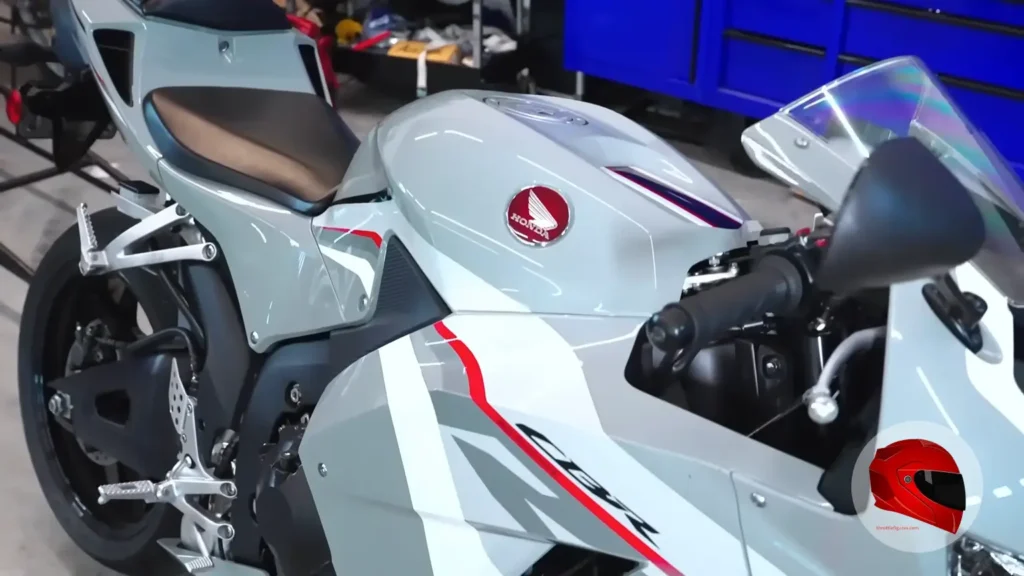
- 2003: Honda introduced the CBR600RR as the successor to the CBR600F4i, giving the middleweight a more race-focused chassis and bodywork.
- 2005: Updates refined the engine, chassis balance and overall supersport package.
- 2007: A major redesign reduced dry weight by 9.1 kg compared with the 2006 model. Independently measured output for the 2007 model was approximately 105 horsepower.
- 2009: Engine changes increased torque by 3.5 percent at 10,000 rpm, improving response in a part of the rev range commonly used on the road and track.
- 2010 and 2014: The CBR600RR continued its competition legacy with Supersport World Championship wins in both years, following a winning streak from 2003 through 2008.
- Current generation: The latest package combines the 599 cc inline-four with a TFT display, IMU-based electronics, selectable torque control, optional quickshifting and winglet-equipped bodywork.
For a used CBR600RR, the model year is only one part of the decision. Service records, crash damage, track use, suspension condition and regular valve and chain maintenance can matter more than small differences in factory equipment.
CBR600RR Compared With 600-Class Rivals
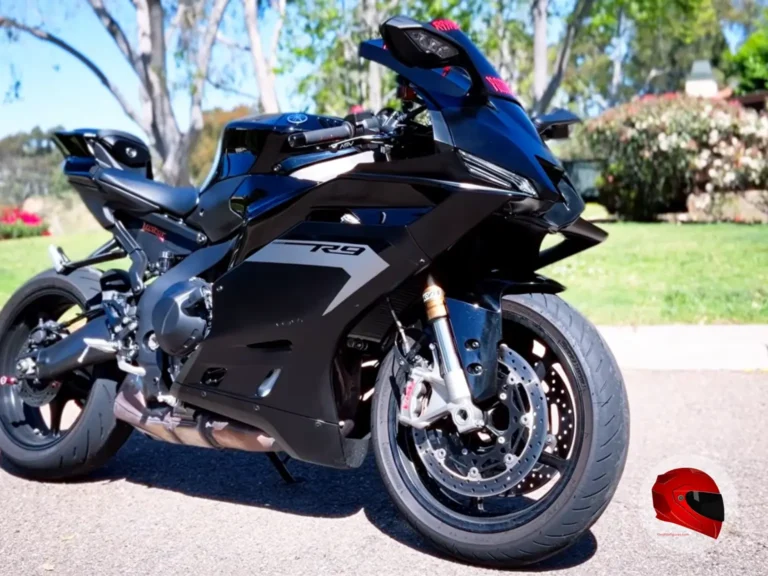
The Yamaha YZF-R6 is the closest philosophical match because it also emphasizes high-rpm power, sharp chassis behavior and track use. The Honda has a familiar inline-four character and strong electronics in its current form, while R6 availability in the United States is more closely associated with used motorcycles and track-focused examples.
The Kawasaki Ninja ZX-6R uses a 636 cc engine, giving it a displacement advantage over the Honda and stronger midrange torque. That extra capacity makes the Kawasaki easier to use on ordinary roads, particularly when passing or accelerating from lower engine speeds. Riders focused on street use may find its broader power easier to access.
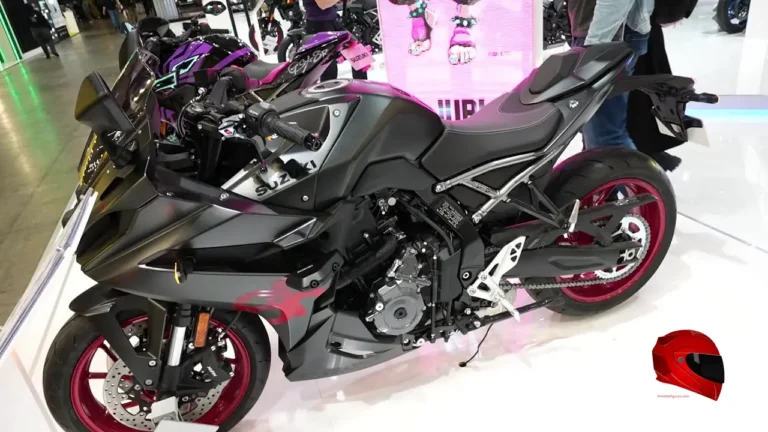
The Suzuki GSX-R600 remains a traditional 599 cc supersport with manageable proportions and a direct mechanical feel. It suits riders who prefer conventional controls and a large used-market selection. The CBR600RR is the more current choice for buyers who prioritize Honda electronics, TFT instrumentation and an available quickshifter.
For track days, compare suspension setup, tire condition, gearing, brake upgrades and crash history instead of relying on claimed horsepower. For street riding, insurance, parts availability, riding posture and low-rpm flexibility matter alongside acceleration figures.
The CBR600RR is best compared with other 600cc supersports, where gearing, aerodynamics, riding position and track conditions can affect results as much as peak horsepower. A motorcycle that feels fastest on a circuit may not top every speed test, so a fair comparison looks at both acceleration and top speed. The fastest 600cc motorcycles place the Honda within this closely matched class.
Is It a Good Beginner Motorcycle?
The CBR600RR is generally a poor first motorcycle. Nearly 120 horsepower, a high-revving powerband, sharp throttle response, committed ergonomics and strong brakes leave little room for mistakes during early skill development. The motorcycle can feel calm at low speed, but its performance envelope is not beginner-friendly.
New riders should first complete the Motorcycle Safety Foundation Basic RiderCourse or an equivalent state-approved program, obtain the motorcycle endorsement required by their state and build experience on a lighter, less powerful motorcycle. Progressive training, full protective gear and supervised practice provide a safer route toward supersport riding.
Experienced riders moving to the CBR600RR should still spend time learning its throttle response, braking behavior, riding modes and cornering clearance before riding quickly. ABS is a useful choice for street riding, particularly when weather, traffic or unfamiliar pavement is part of the route.
Ownership Costs and Maintenance
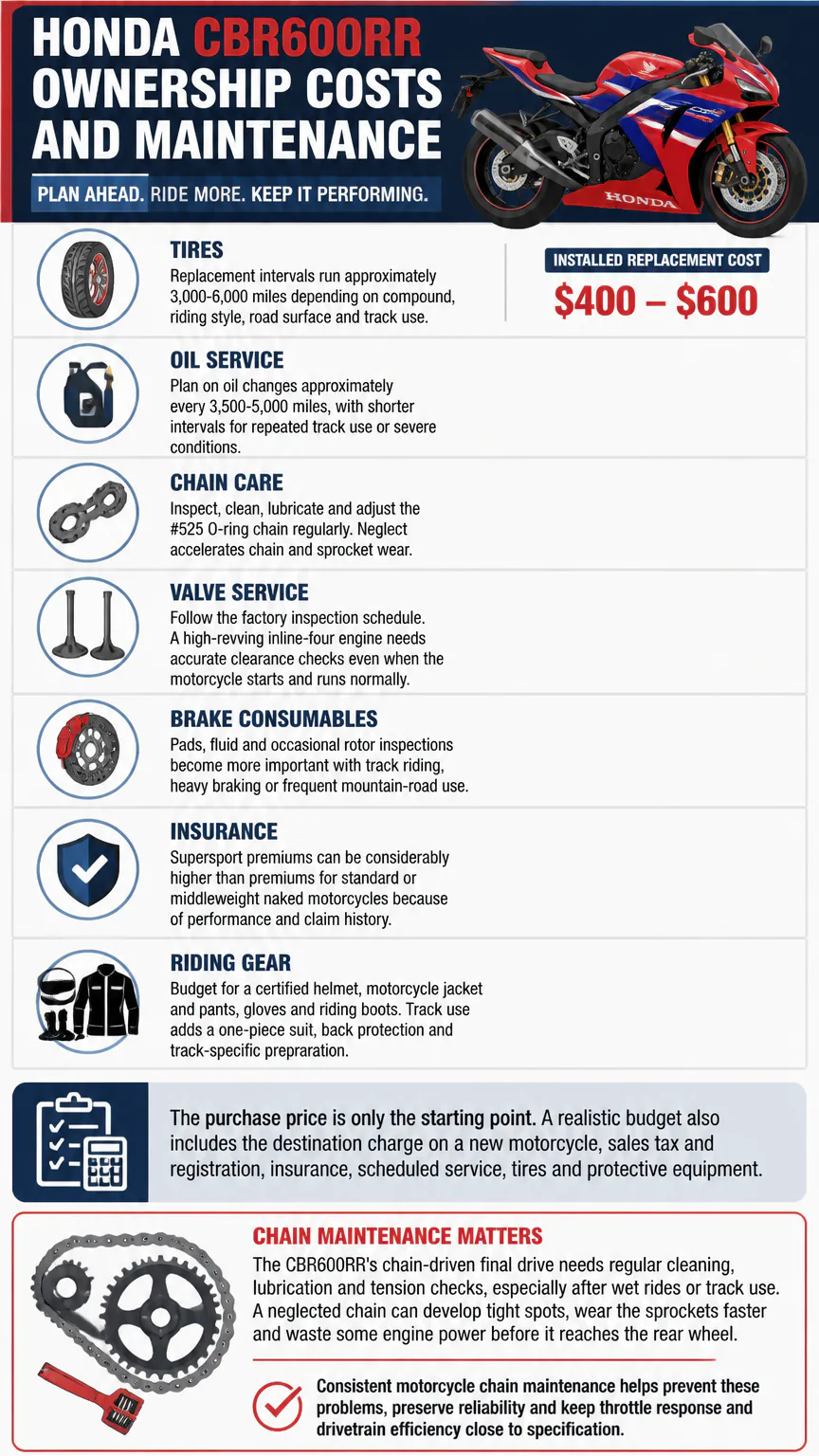
- Tires: Replacement intervals run approximately 3,000-6,000 miles depending on compound, riding style, road surface and track use. Installed replacement cost is approximately $400, $600.
- Oil service: Plan on oil changes approximately every 3,500-5,000 miles, with shorter intervals for repeated track use or severe conditions.
- Chain care: Inspect, clean, lubricate and adjust the #525 O-ring chain regularly. Neglect accelerates chain and sprocket wear.
- Valve service: Follow the factory inspection schedule. A high-revving inline-four engine needs accurate clearance checks even when the motorcycle starts and runs normally.
- Brake consumables: Pads, fluid and occasional rotor inspections become more important with track riding, heavy braking or frequent mountain-road use.
- Insurance: Supersport premiums can be considerably higher than premiums for standard or middleweight naked motorcycles because of performance and claim history.
- Riding gear: Budget for a certified helmet, motorcycle jacket and pants, gloves and riding boots. Track use adds a one-piece suit, back protection and track-specific preparation.
The purchase price is only the starting point. A realistic budget also includes the destination charge on a new motorcycle, sales tax and registration, insurance, scheduled service, tires and protective equipment.
The CBR600RR’s chain-driven final drive needs regular cleaning, lubrication and tension checks, especially after wet rides or track use. A neglected chain can develop tight spots, wear the sprockets faster and waste some engine power before it reaches the rear wheel. Consistent motorcycle chain maintenance helps prevent these problems, preserve reliability and keep throttle response and drivetrain efficiency close to specification.
How to Buy a Used CBR600RR
Buying from a dealer usually simplifies title and registration paperwork and may provide financing through participating dealerships. Private sales can offer more choice and lower transaction costs, but the buyer must handle verification, payment security, title transfer and inspection.
- Set a total budget that includes tax, registration, insurance, immediate service and replacement tires.
- Check the VIN against the title and look for liens, salvage branding or ownership inconsistencies.
- Review service records for oil changes, valve inspections, chain work, brake service and previous crash repairs.
- Inspect the frame, steering stops, fork tubes, engine cases, wheels, swingarm, rearsets and fairing mounts for impact damage.
- Check cold-start behavior, idle quality, warning lights, charging voltage, clutch engagement, gearbox operation and cooling-fan function.
- Inspect tire dates, tread, brake-pad thickness, fork seals, chain slack, sprocket teeth and fluid condition.
- Confirm that aftermarket exhausts, rearsets, levers, tuning devices and bodywork are legal and properly installed.
- Arrange an independent pre-purchase inspection before sending payment or signing the final agreement.
- Complete the written bill of sale, title transfer, lien release, insurance policy and registration documents required in your state.
For a new motorcycle, Honda Powersports provides current configurations, pricing, specifications and dealer locations. Honda Financial Services provides manufacturer-linked financing through participating dealerships, although final loan terms depend on approval, down payment and dealer arrangements.
New or Used CBR600RR?
- Choose new if you want the current electronics package, full-color TFT, available up-and-down quickshifter and MotoGP-derived winglets without inheriting unknown crash or track history.
- Choose used if purchase price matters more than having the current package and you can verify the model year, mileage, title status, service records, modifications and mechanical condition.
- Inspect before buying used: Pay particular attention to the frame, steering stops, fork tubes, engine cases, wheels, fairing mounts, suspension, chain, brakes and cold-start behavior.
- Compare the total cost: Include destination charges, tax, registration, insurance, immediate service, tires and protective equipment for either choice.
- Warranty: A new CBR600RR includes new-bike warranty protection for eligible manufacturing defects, giving the buyer a defined remedy for covered problems that a used private-party purchase may not provide.
- Depreciation: A used CBR600RR can avoid the steepest early depreciation, but an older motorcycle may need immediate tires, fluids, suspension work or other repairs that reduce the initial savings.
Model year matters because the chassis, suspension, brakes and electronics changed over time. A well-documented used CBR600RR in sound mechanical condition can be a better purchase than a newer motorcycle with crash damage or neglected maintenance.
Final CBR600RR Buying Verdict
The CBR600RR suits experienced riders who want a 599 cc inline-four supersport with modern electronics, adjustable suspension, serious braking hardware and genuine track capability. The $11,499 standard MSRP and $12,499 ABS MSRP put it within the current middleweight performance market, but the $600 destination charge and ongoing ownership costs raise the real purchase total.
Choose the ABS version for regular street use unless your riding is dedicated to closed-course competition and you have a specific reason to avoid it. Consider the Ninja ZX-6R if stronger midrange torque matters most, the YZF-R6 if you want a used track-oriented Yamaha, or the GSX-R600 if traditional controls and used-market value take priority.
FAQs
Does the CBR600RR have a quickshifter?
An up-and-down quickshifter is available for the CBR600RR. It complements the close-ratio six-speed transmission and is most useful during aggressive acceleration and track riding.
A quickshifter lets the CBR600RR make clutchless upshifts with the throttle open, which can make hard acceleration feel faster and smoother. The benefit is most noticeable on a track or during spirited riding; at low speeds, smooth shifts still depend on careful throttle and gear selection. Knowing how motorcycle quickshifters explained works helps clarify what the system changes, and what it does not.
What is the CBR600RR fuel capacity?
The 2026 CBR600RR has a 4.8-gallon fuel tank and a combined fuel-economy rating of 44 mpg. High-rpm riding reduces the distance between fuel stops.
Is ABS available on the 2026 CBR600RR?
Yes. The 2026 lineup includes a CBR600RR ABS version with a $12,499 MSRP, compared with $11,499 for the standard model.
What is a CBR600RR worth?
A new 2026 Honda CBR600RR has an $11,499 standard MSRP or a $12,499 ABS MSRP, plus a $600 destination charge. In the US used market, representative asking ranges are about $4,000, $7,000 for older 2003-2006 examples, $5,500, $9,000 for 2007-2012 motorcycles and $8,000, $12,000 for late-model 2013-2024 bikes. Mileage, condition, title status, modifications and crash or track history can move a motorcycle outside those ranges.
Is the CBR600RR faster than the Yamaha YZF-R6?
Neither motorcycle is universally faster across every model year and test. Published top-speed and acceleration results vary with generation, gearing, test conditions, tires and rider, while track performance also depends heavily on setup and skill. The CBR600RR and YZF-R6 are closely matched high-rpm supersports rather than bikes with one permanent winner.
Where can I find a Honda CBR600RR for sale?
Check Honda Powersports for authorized dealer inventory and search reputable private-party and used-motorcycle listings for additional options. Compare each listing’s asking price, location, mileage, title status, service records, modifications and crash or track history before arranging an inspection.
Is the CBR600 or 650 faster?
The Honda CBR600RR is faster than the CBR650R, despite having the smaller engine.
For the current models:
| CBR600RR | CBR650R | |
|---|---|---|
| Engine | 599 cc inline-4 | 649 cc inline-4 |
| Power | ~113 hp* | ~94 hp* |
| Weight | 419 lb | ~445 lb |
| Top speed | ~158 mph | ~149 mph |
| 0–60 mph | ~3.3 sec | ~3.6 sec |
Honda confirms the 2026 CBR600RR’s 599cc engine and 419-lb curb weight, while the CBR650R uses a 649cc inline-four.
ThrottleFigures specs:
CBR600RR → ~158 mph | ~3.3 sec | ~113 hp | ~48 lb-ft | 419 lb | 599 cc
CBR650R → ~149 mph | ~3.6 sec | ~94 hp | ~47 lb-ft | ~445 lb | 649 cc
Disclaimer: independent/market-specific figures. Performance figures may vary depending on factors such as rider, road and weather conditions, vehicle condition, and testing methods. Figures are provided for informational purposes only.
Is a CBR600RR faster than a ZX6R?
No. The 2026 Kawasaki Ninja ZX-6R is generally the quicker/faster bike than the 2026 Honda CBR600RR.
| Specification | CBR600RR | Ninja ZX-6R |
|---|---|---|
| Displacement | 599 cc | 636 cc |
| Power | ~113 hp* | 127 hp |
| Torque | ~48.7 lb-ft* | 52.1 lb-ft |
| Curb weight | 419 lb | ~432 lb non-ABS |
| Top speed | ~155–158 mph | ~155+ mph |
Kawasaki officially rates the 2026 ZX-6R at 127 hp and 52.1 lb-ft, while Honda confirms the CBR600RR’s 599cc engine and 419-lb curb weight but does not publish a U.S. peak-horsepower figure.
The interesting part is top speed: they’re much closer than the power figures suggest. The ZX-6R’s advantage is more obvious in acceleration and roll-on performance, thanks largely to its larger 636cc engine and higher output. Independent comparisons put the ZX-6R at about 124–127 hp versus roughly 113–121 hp for the CBR600RR, depending on measurement standard/market.
ThrottleFigures specs:
Honda CBR600RR | ~158 mph | ~3.3 sec | ~113 hp | ~48 lb-ft | 419 lb | 599 cc
Kawasaki Ninja ZX-6R | ~155 mph | ~3.1 sec | 127 hp | 52.1 lb-ft | 432 lb | 636 cc
So ZX-6R for acceleration; top-speed figures are close enough that test conditions can change the result.
Is a CBR600RR faster than an R6?
Yes but the answer depends on which R6 you’re comparing.
For a fair comparison, the 2026 CBR600RR vs the final-generation street R6 (2020/2021) is very close. Honda’s current CBR600RR is a 599cc inline-four with a 419-lb curb weight, while the R6 was also a 599cc inline-four and around 419 lb wet.
| Specs | CBR600RR | Yamaha R6 |
|---|---|---|
| Displacement | 599 cc | 599 cc |
| Power | ~119 hp | ~117–118 hp |
| Weight | 419 lb | ~419 lb |
| Top speed | ~155–158 mph | ~155–160 mph |
| 0–60 mph | ~3.3 sec | ~3.1–3.3 sec |
In real-world straight-line performance, they’re extremely close. The R6 has historically had a slight top-speed reputation, while the current CBR600RR has comparable or slightly higher published power depending on market/specification.
Throttle figures specs:
Honda CBR600RR | ~158 mph | ~3.3 sec | ~119 hp | ~46.5 lb-ft | 419 lb | 599 cc
Yamaha R6 | ~157 mph | ~3.2 sec | ~118 hp | ~45.3 lb-ft | ~419 lb | 599 cc
Disclaimer: Top-speed and acceleration figures vary by model year, market, rider, gearing, and test conditions.
Is the CBR600RR the slowest 600?
The CBR600RR is slightly down on peak power compared with the ZX-6R, but its lighter weight keeps the performance gap relatively small.
Honda cbr600rr top speed without limiter?
A real-world test of a CBR600RR recorded 160.1 mph, while the tester noted that ECU restrictions/tuning can affect the result.
Disclaimer: Top-speed and acceleration figures vary by model year, market, rider, gearing, and test conditions.
Honda cbr600rr top speed year wise?
2016–2020: 155 mph
2021–2023: 155 mph
2024–2026: ~155–160 mph
Disclaimer: Honda does not publish an official top-speed figure for the CBR600RR. Listed speeds are independent estimates and can vary by market, model year, gearing, rider, conditions, and testing method.
Honda CBR600RR price?
2026 Honda CBR600RR Price: Starting at $11,499 MSRP for the standard model and $12,499 MSRP for the ABS version. Destination adds $600 to each, bringing the listed totals to $12,099 and $13,099, respectively.
| Version | Base MSRP | With $600 destination |
|---|---|---|
| CBR600RR | $11,499 | $12,099 |
| CBR600RR ABS | $12,499 | $13,099 |
Conclusion
Buy the Honda CBR600RR when precise handling, high-rpm performance and track-ready equipment matter more than relaxed ergonomics. For a first motorcycle or a comfort-focused daily ride, complete formal training and consider a less aggressive model before moving into this level of supersport performance.

3 Comments