Yamaha R7 2026 Specs, Price & Performance Figures
Disclaimer: Performance figures may vary depending on factors such as rider, road and weather conditions, vehicle condition, and testing methods. Figures are provided for informational purposes only.
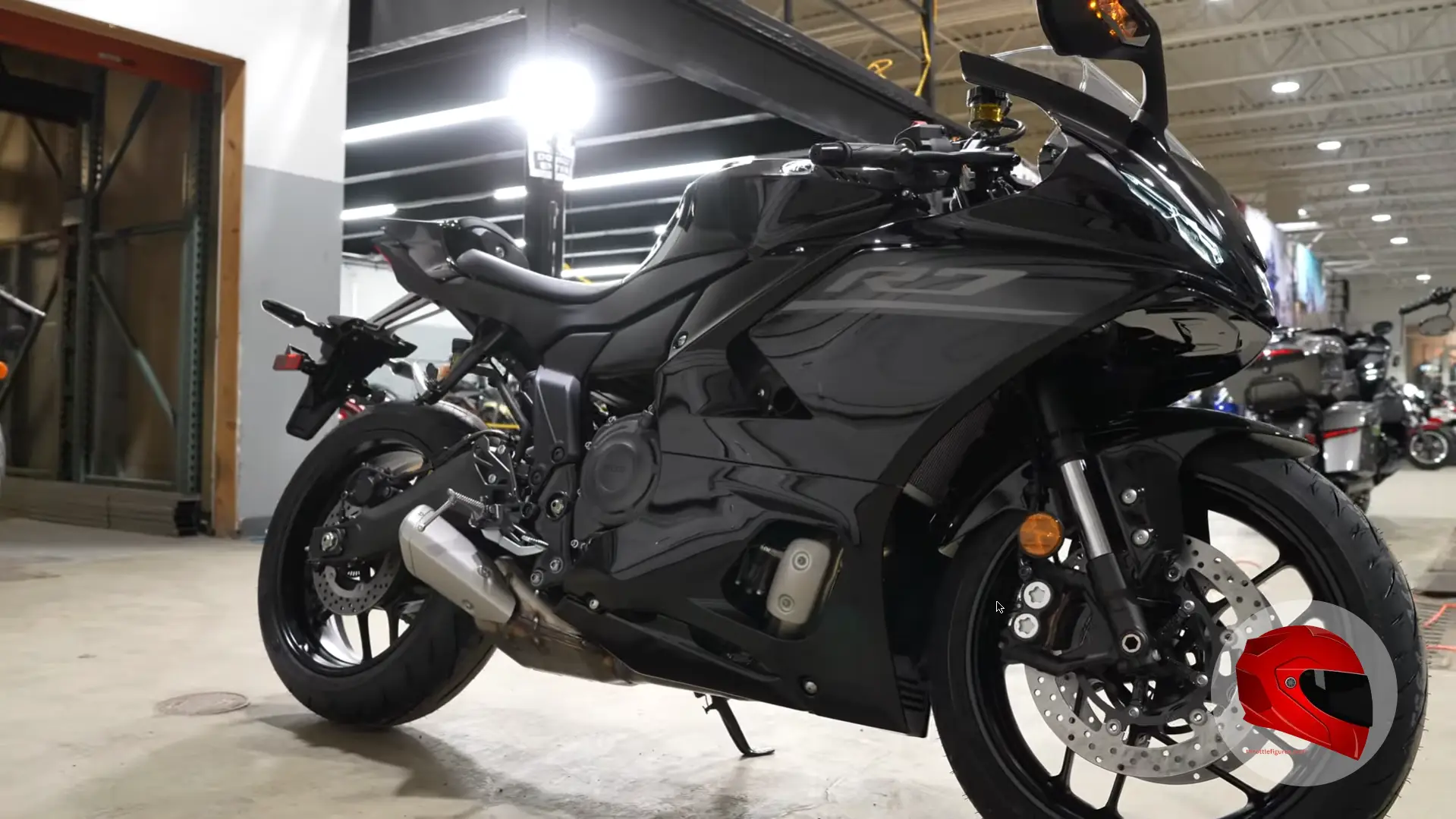
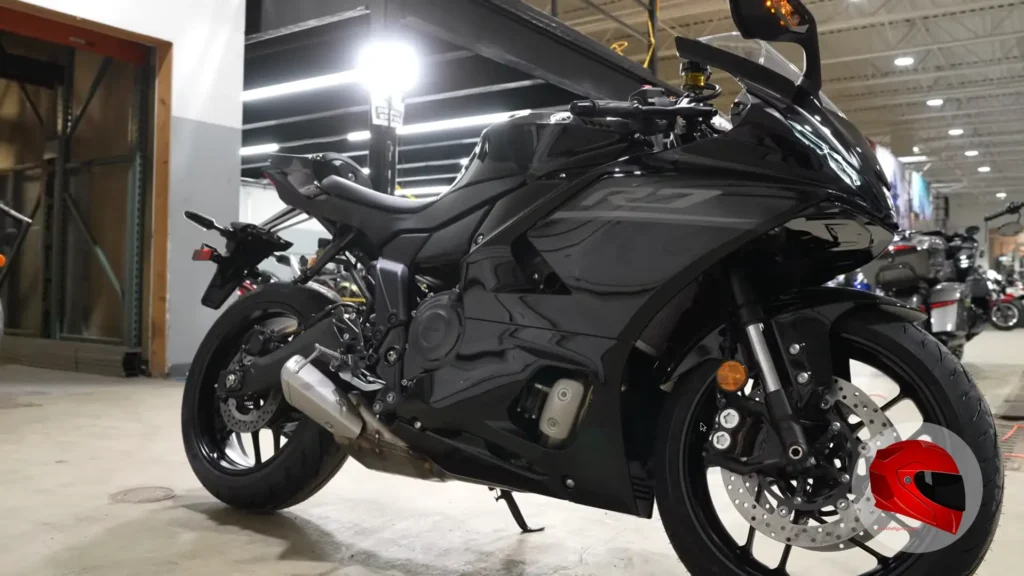
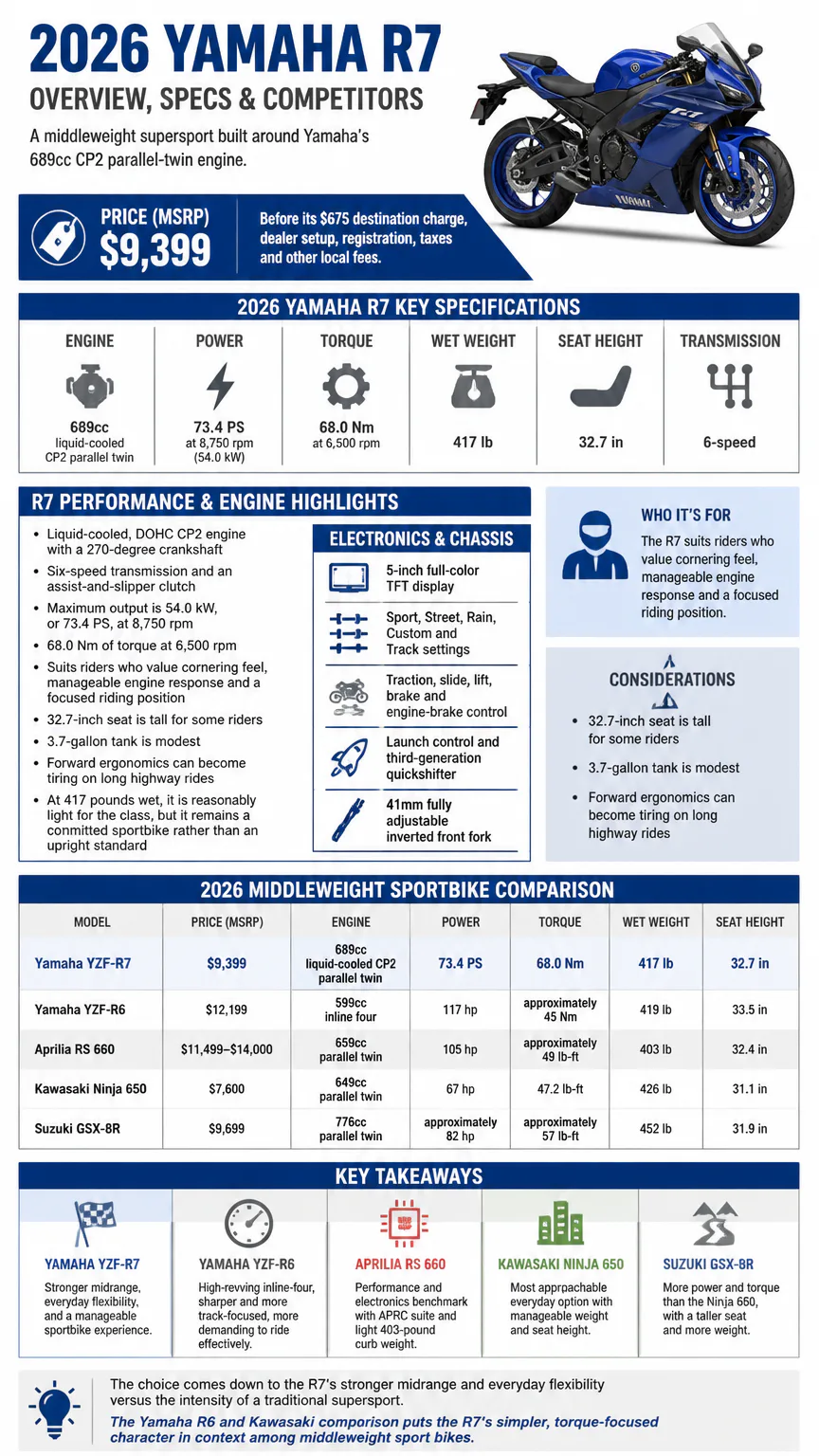
The 2026 Yamaha R7 is a sharper, more electronically equipped middleweight sportbike for riders who want track-ready hardware without the high-revving intensity or cost of a 600cc supersport. Its 689cc CP2 twin delivers usable torque, while the revised chassis and riding position favor precise cornering. Price, seat height, insurance, maintenance and intended use matter as much as horsepower in this class.
2026 Yamaha R7 Specifications and Price
|
Motorcycle |
Price |
Engine |
Power |
Torque |
Wet weight |
Seat height |
|---|---|---|---|---|---|---|
|
Yamaha YZF-R7 |
$9,399 |
689cc liquid-cooled CP2 parallel twin |
73.4 PS |
68.0 Nm |
417 lb |
32.7 in |
|
Yamaha YZF-R6 |
$12,199 |
599cc inline four |
117 hp |
approximately 45 Nm |
419 lb |
33.5 in |
|
Aprilia RS 660 |
$11,499–$14,000 |
659cc parallel twin |
105 hp |
approximately 49 lb-ft |
403 lb |
32.4 in |
|
Kawasaki Ninja 650 |
$7,600 |
649cc parallel twin |
67 hp |
47.2 lb-ft |
426 lb |
31.1 in |
|
Suzuki GSX-8R |
$9,699 |
776cc parallel twin |
approximately 82 hp |
approximately 57 lb-ft |
452 lb |
31.9 in |
Yamaha YZF-R7
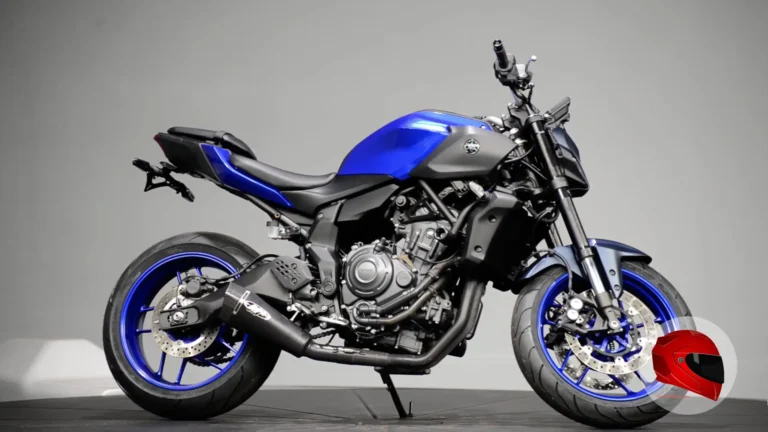
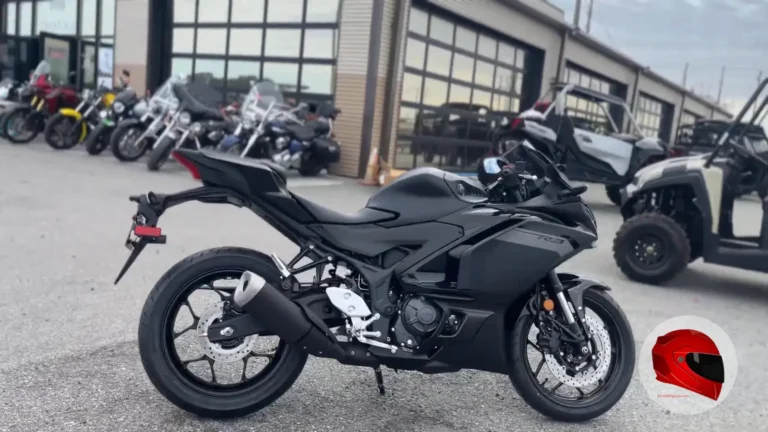
The Yamaha YZF-R7 starts at $9,399 before its $675 destination charge, dealer setup, registration, taxes and other local fees. Its liquid-cooled, DOHC CP2 engine uses a 270-degree crankshaft, a six-speed transmission and an assist-and-slipper clutch. Maximum output is 54.0 kW, or 73.4 PS, at 8,750 rpm, with 68.0 Nm of torque at 6,500 rpm.
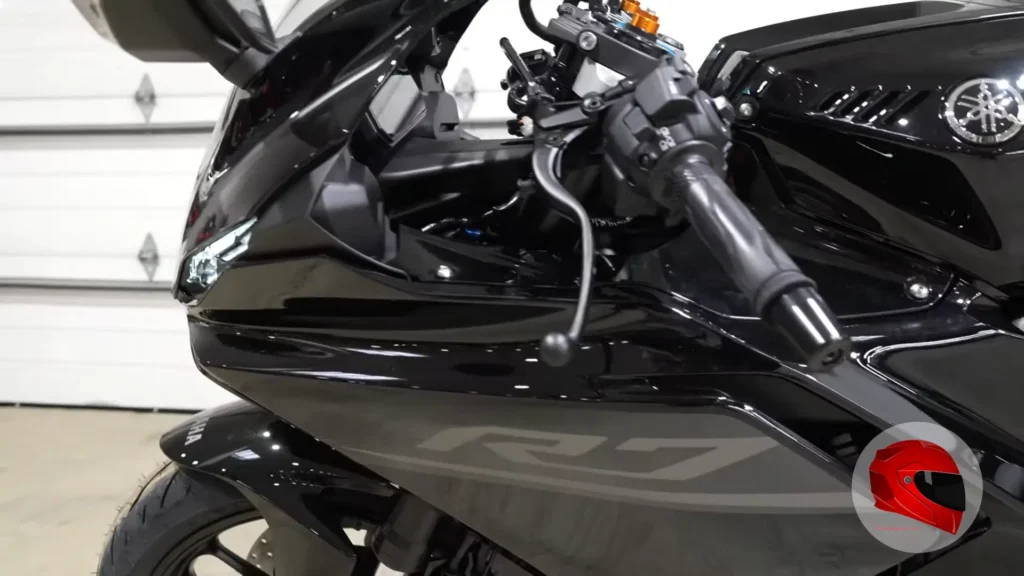
The R7 suits riders who value cornering feel, manageable engine response and a focused riding position. The 32.7-inch seat is tall for some riders, the 3.7-gallon tank is modest, and the forward ergonomics can become tiring on long highway rides. At 417 pounds wet, it is reasonably light for the class, but it remains a committed sportbike rather than an upright standard.
5-inch full-color TFT display
Sport, Street, Rain, Custom and Track settings
Traction, slide, lift, brake and engine-brake control
Launch control and third-generation quickshifter
41mm fully adjustable inverted front fork
Yamaha YZF-R6
The Yamaha YZF-R6 remains the choice for riders who want the character of a high-revving inline-four and a more specialized track platform. Its 599cc engine produces approximately 117 horsepower, and its 33.5-inch seat is taller than the R7’s. The last-generation street model dates to 2020, while newer R6 versions focus on track use.
The R6 is faster at the top end and more demanding to ride effectively. Its power arrives higher in the rev range, so it rewards riders who maintain momentum and work the gearbox aggressively. Purchase availability, parts configuration, insurance and street legality deserve close attention because a track-focused R6 is not interchangeable with a fully street-equipped R7.
The Yamaha YZF-R6 is sharper and more track-focused than the R7, with a high-revving engine and a more committed riding position. The choice comes down to the R7’s stronger midrange and everyday flexibility versus the intensity of a traditional supersport. The Yamaha R6 and Kawasaki comparison puts the R7’s simpler, torque-focused character in context among middleweight sport bikes.
Aprilia RS 660
The Aprilia RS 660 sets the performance and electronics benchmark among these middleweight twins. Its 659cc parallel twin produces approximately 105 horsepower, while its 403-pound curb weight helps it change direction quickly. Pricing ranges from about $11,499 to $14,000, depending on the version and equipment.
Its APRC electronics suite controls traction, wheel lift, cornering behavior and rider modes. That equipment gives experienced riders more scope to push, but it also raises the purchase price and can make long-term ownership more expensive than the Yamaha. The RS 660 suits aggressive canyon riding and track use when the budget extends beyond the R7.
Kawasaki Ninja 650
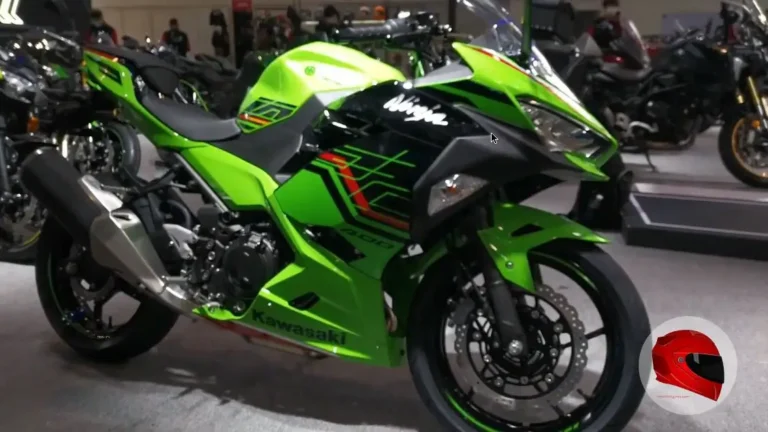
The Kawasaki Ninja 650 is the most approachable everyday option here. Its 649cc parallel twin produces 67 horsepower, the seat is 31.1 inches high, and the 426-pound curb weight is manageable for commuting and general street riding. The $7,600 price leaves more room in the budget for gear, insurance and training.
The Ninja 650 gives up engine output and chassis specialization compared with the R7. Its relaxed ergonomics suit daily use, while Kawasaki Traction Control adds electronic assistance. Choose it for commuting, weekend rides and a lower-cost entry into sportbike styling. The R7 is the better fit when sharper suspension, stronger cornering focus and more advanced rider controls matter more.
Suzuki GSX-8R
The Suzuki GSX-8R uses a larger 776cc parallel twin that produces approximately 82 horsepower. Its $9,699 price is close to the R7’s starting point, but the Suzuki is heavier at 452 pounds. The 31.9-inch seat is lower, and the more upright ergonomics make it easier to use for commuting and longer road trips.
Ride modes, traction control and a quickshifter give the GSX-8R useful electronic equipment for street riding. It suits riders who want sportbike styling with more room for daily comfort. The added weight and less focused riding position reduce its appeal as a dedicated track tool, where the R7’s chassis and ergonomics are more appropriate.
Requirements and context
A new R7 purchase usually starts with checking local inventory, getting a final price worksheet and deciding between financing and cash. The Yamaha Motorsports Dealer Locator identifies authorized dealers and nearby availability. The final price can exceed MSRP after the $675 destination charge, setup, documentation, registration, taxes and optional accessories.
Cycle Trader helps compare dealer and private-party listings, including used R7 motorcycles. A private sale can reduce dealer charges, but the buyer handles title transfer, bill-of-sale requirements, registration, payment security and inspection. Before payment changes hands, check the vehicle identification number, lien status, title, recorded mileage and service records.
Yamaha Financial Services provides financing for qualifying purchases through participating dealers. The monthly payment depends on the amount financed, loan term, interest rate, down payment, taxes and fees. Get the out-the-door figure before comparing loan offers; a lower advertised payment may simply reflect a longer term rather than a lower total cost.
Motorcycle endorsement or permit requirements set by your state
Proof of insurance before registration or delivery
Valid government identification and acceptable payment
Title and lien paperwork for a private-party purchase
Safety inspection or emissions compliance where required
What is new for 2026
The 2026 R7 receives redesigned styling, a revised frame, updated ergonomics and a broader electronics package. Yamaha Chip Controlled Throttle, or ride-by-wire, supports different throttle maps and rider settings. The new 5-inch TFT display presents riding information more clearly and adds smartphone connectivity for compatible functions.
The electronic package includes Sport, Street, Rain, Custom and Track settings. Riders can adjust traction control, slide control, lift control, engine braking and related parameters, with the option to disable selected aids. Launch control and the third-generation quickshifter are more relevant to spirited riding and track use than ordinary commuting.
Revised frame and riding position
Redesigned R-series bodywork
Full-color TFT instrumentation
Ride-by-wire throttle control
Expanded adjustable rider aids
Clutchless upshifts and downshifts
Smartphone connectivity
How the CP2 engine performs
The R7’s CP2 twin makes its strongest impression through accessible midrange torque rather than a dramatic top-end rush. The 270-degree crankshaft gives the engine uneven firing intervals and a distinctive pulse under acceleration. The result is strong drive out of slower corners without requiring constant high-rpm operation.
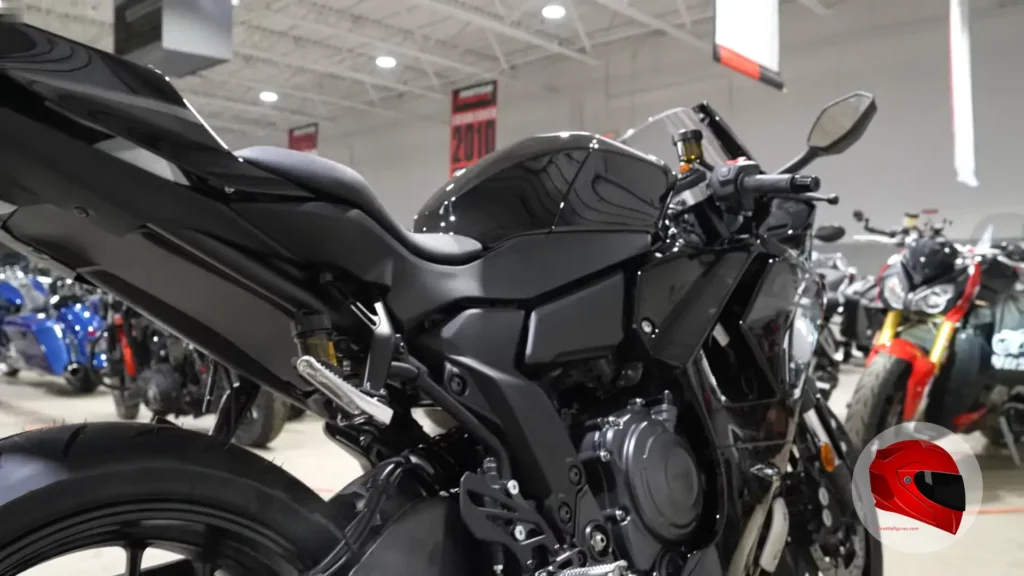
Acceleration is strong enough for highway merging, canyon riding and occasional track work. A stock R7 reaches 60 mph in approximately 3.3 seconds under favorable conditions, while top speed is approximately 139 mph. Rider weight, launch technique, surface, wind, temperature and tire condition affect both figures.
The R6 is faster as speeds and engine revs climb because its inline-four makes substantially more peak power. The R7 is easier to exploit on ordinary roads, where its torque arrives sooner and its six-speed gearbox does not need to be worked as aggressively. Fuel economy is estimated at 59 mpg, although riding style and throttle use change the result.
The R7’s appeal lies in how its torque and modest weight work together, not just in its peak horsepower. Its lighter chassis makes it quick and responsive through corners, while a more powerful bike may feel less confidence-inspiring on everyday roads. That is why motorcycle power-to-weight ratios provide a more useful performance comparison than horsepower figures alone.
Handling, suspension, and comfort
The R7’s chassis is built around cornering precision. Its 41mm fully adjustable inverted fork lets riders tune compression, rebound and preload-related settings for body weight, road conditions or track tires. SpinForged wheels reduce unsprung mass, and Bridgestone Battlax Hypersport S23 tires provide a sporting baseline for dry-road riding.
The 32.7-inch seat height is manageable for many intermediate riders but can be intimidating at a standstill for shorter riders. The riding position places more weight over the front end and bends the hips and wrists more than an MT-07 or GSX-8R. That posture supports cornering control, but frequent commuters should assess seat comfort, reach to the bars and low-speed confidence before buying.
Ground clearance is 5.3 inches and wheelbase is 54.9 inches. Those dimensions support stable, predictable behavior without making the motorcycle unwieldy in tighter turns. The R7 is comfortable enough for weekend road rides, but its suspension, seat and fairing position suit purposeful riding better than extended two-up touring.
Ownership costs and maintenance
|
Ownership cost |
Typical amount |
|---|---|
|
Estimated out-the-door price |
Approximately $11,000–$12,000 after taxes, registration, freight, setup and dealer charges |
|
Annual insurance for experienced older riders |
Approximately $300–$800 |
|
Annual insurance for younger or higher-risk riders |
Approximately $1,500–$3,000 or more |
Insurance premiums depend on age, location, driving record, coverage limits, deductible and the selected motorcycle.
Oil service is due approximately every 4,000 miles or annually. The valve-clearance inspection comes around 24,000 miles, and that service can cost more because access and adjustment take longer than a routine oil change. Chain and sprocket replacement commonly falls around 15,000 to 20,000 miles, while sport-oriented tires can last approximately 3,000 to 6,000 miles.
Warranty: One-year limited factory warranty
Fuel capacity: 3.7 gallons
Oil service: Approximately every 4,000 miles or annually
Valve inspection: Around 24,000 miles
Chain and sprockets: Approximately 15,000 to 20,000 miles
Sport-tire life: Approximately 3,000 to 6,000 miles
FAQs
Is the Yamaha R7 worth buying?
The R7 is worth buying for riders who want a focused sportbike with manageable twin-cylinder power, adjustable suspension, modern electronics and a reasonable starting price. It is less suitable for riders who prioritize upright comfort, passenger use or maximum straight-line speed.
Is a Yamaha R7 suitable for a beginner?
The CP2 engine is tractable and easier to manage than a high-revving 600cc inline-four, but the R7 is not a lightweight beginner motorcycle. Its committed ergonomics, tall seat, responsive chassis and sportbike insurance costs make rider training and gradual throttle control important.
How does the R7 compare with the Yamaha R9?
The R9 occupies a more powerful class with a larger three-cylinder engine and a higher performance ceiling. The R7 costs less and delivers a more approachable level of acceleration, while the R9 targets riders seeking stronger track and highway performance.
The R7 bridges the gap between lightweight entry-level sport bikes and larger middleweight machines. Its approachable CP2 engine may be enough for some riders, while the R9 offers stronger acceleration from its larger engine, along with different running costs, insurance considerations and road-going expectations. Comparing the Yamaha R9 specs with the R7 helps clarify those trade-offs.
What was the original Yamaha OW-02 R7?
The original Yamaha OW-02 was a limited homologation special produced in 500 units worldwide. It used a 749cc liquid-cooled inline-four and produced 106 horsepower at 11,000 rpm, making it mechanically distinct from the current 689cc parallel-twin R7.
Conclusion
The 2026 Yamaha R7 is a strong choice when cornering ability, electronic adjustability and usable twin-cylinder performance matter more than outright speed or touring comfort. Price insurance before shopping, compare the complete out-the-door figure and consider the Ninja 650 or GSX-8R if daily comfort is the higher priority.
Sources
Primary references for claimed specifications (verify the latest model-year page before relying on any figure):
- Yamaha Motorsports motorcycle models — manufacturer claimed specs and MSRP context
- ThrottleFigures Editorial Policy — how we label claimed vs tested figures