Motorcycle Top Speed Rankings: Fastest Production Bikes
Motorcycle top speed rankings are meaningful only when the motorcycles are compared under the same conditions. A street-legal production model, a track-only machine, a race bike and a salt-flats record holder belong in separate categories. For U.S. buyers, the useful points of comparison are verified speed, engine output, road legality, testing conditions and whether the motorcycle remains stock.
Fastest Production Motorcycles Ranked
| Rank | Motorcycle | Engine | Displacement | Power | Torque | Curb Weight | Top speed |
|---|---|---|---|---|---|---|---|
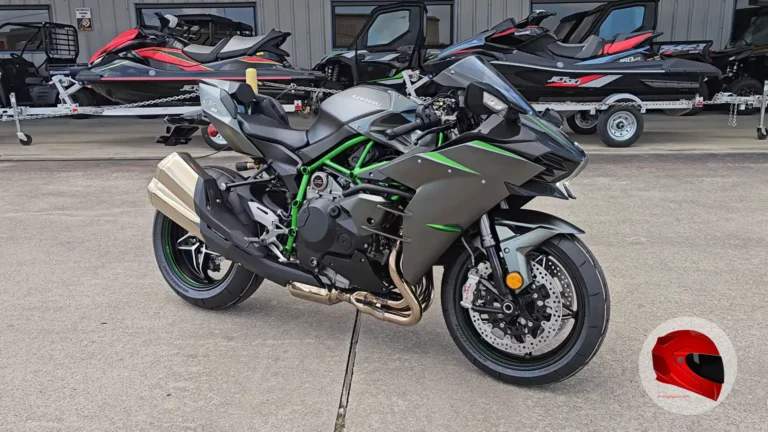
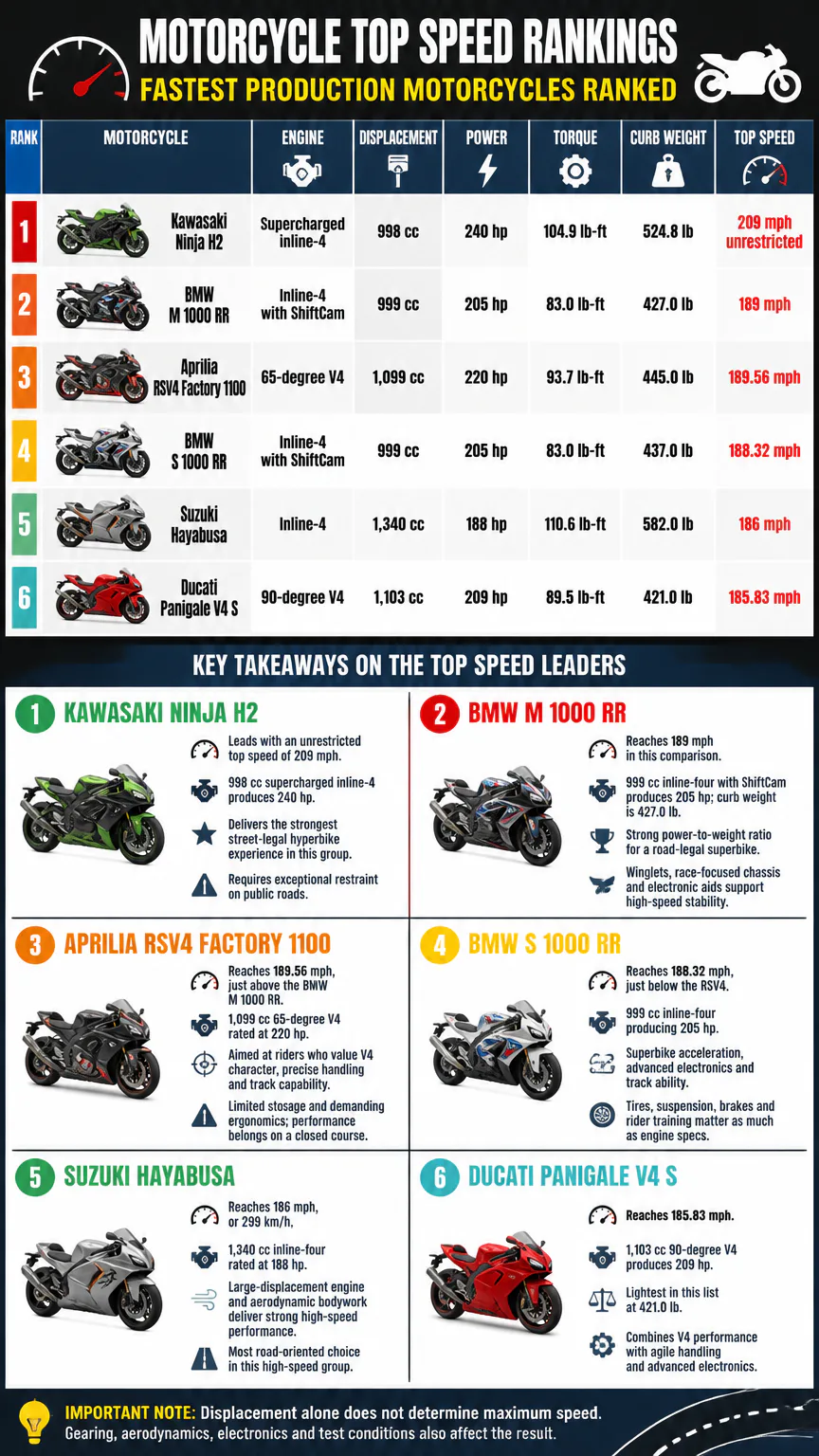
| 1 | Kawasaki Ninja H2 | Supercharged inline-4 | 998 cc | 240 hp | 104.9 lb-ft | 524.8 lb | 209 mph unrestricted |
| 2 | BMW M 1000 RR | Inline-4 with ShiftCam | 999 cc | 205 hp | 83.0 lb-ft | 427.0 lb | 189 mph |
| 3 | Aprilia RSV4 Factory 1100 | 65-degree V4 | 1,099 cc | 220 hp | 93.7 lb-ft | 445.0 lb | 189.56 mph |
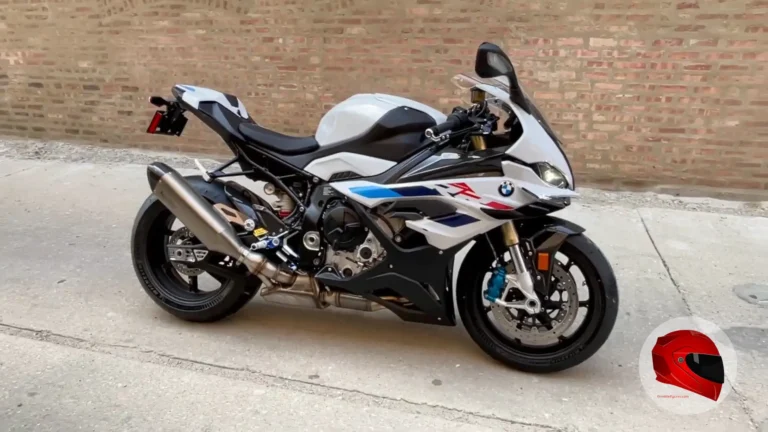
| 4 | BMW S 1000 RR | Inline-4 with ShiftCam | 999 cc | 205 hp | 83.0 lb-ft | 437.0 lb | 188.32 mph |
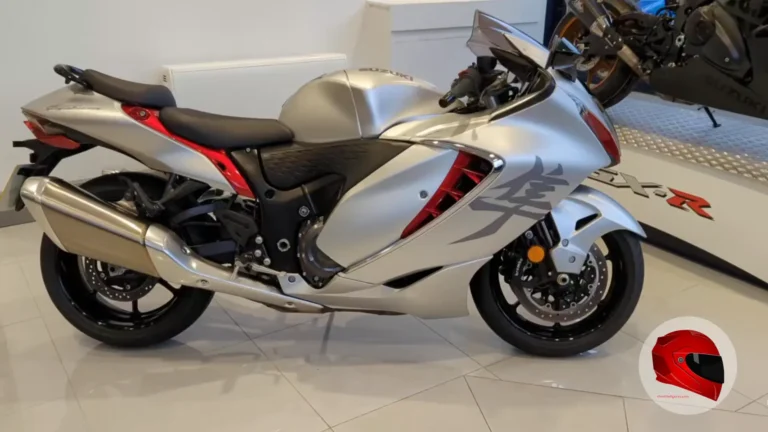
| 5 | Suzuki Hayabusa | Inline-4 | 1,340 cc | 188 hp | 110.6 lb-ft | 582.0 lb | 186 mph |
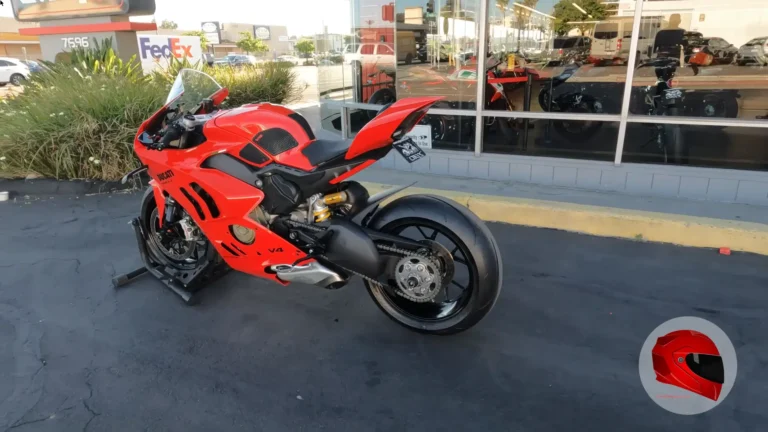
| 6 | Ducati Panigale V4 S | 90-degree V4 | 1,103 cc | 209 hp | 89.5 lb-ft | 421.0 lb | 185.83 mph |
BMW M 1000 RR
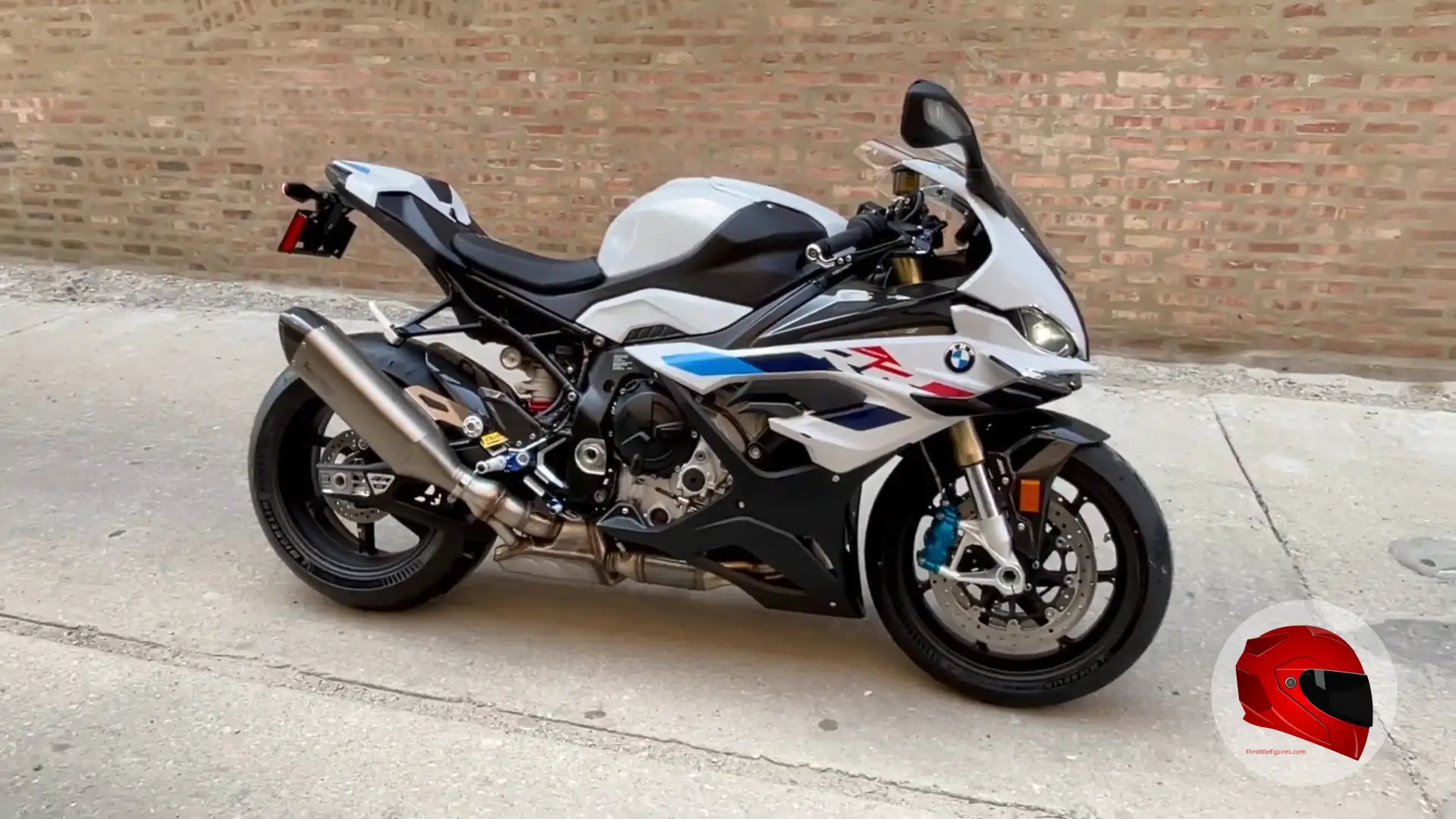
The BMW M 1000 RR reaches 189 mph in this comparison. Its 999 cc inline-four with ShiftCam produces 205 hp, and its listed curb weight is 427.0 lb. The resulting power-to-weight ratio is strong for a road-legal superbike.
Aerodynamic winglets, a race-focused chassis and electronic rider aids support high-speed stability and track use. The M 1000 RR suits experienced riders who want a production motorcycle closely related to a competition machine. Its aggressive riding position, running costs, tire requirements and limited practicality make it a poor fit for routine commuting or relaxed touring.
Aprilia RSV4 Factory 1100
The Aprilia RSV4 Factory 1100 reaches 189.56 mph with a 1,099 cc 65-degree V4 rated at 220 hp. Its engine produces more power than the BMW M 1000 RR’s 205 hp, and its listed top speed puts it just above the BMW in this comparison.
The RSV4 1100 Factory is aimed at riders who value V4 character, precise handling and track capability alongside outright speed. It has limited storage and demanding ergonomics, and its performance belongs on a closed course. Displacement alone does not determine maximum speed; gearing, aerodynamics, electronics and test conditions also affect the result.
Kawasaki Ninja H2
The Kawasaki Ninja H2 leads this production ranking with an unrestricted top speed of 209 mph. Its 998 cc supercharged inline-4 produces 240 hp, giving it a clear output advantage over the naturally aspirated motorcycles in the table.
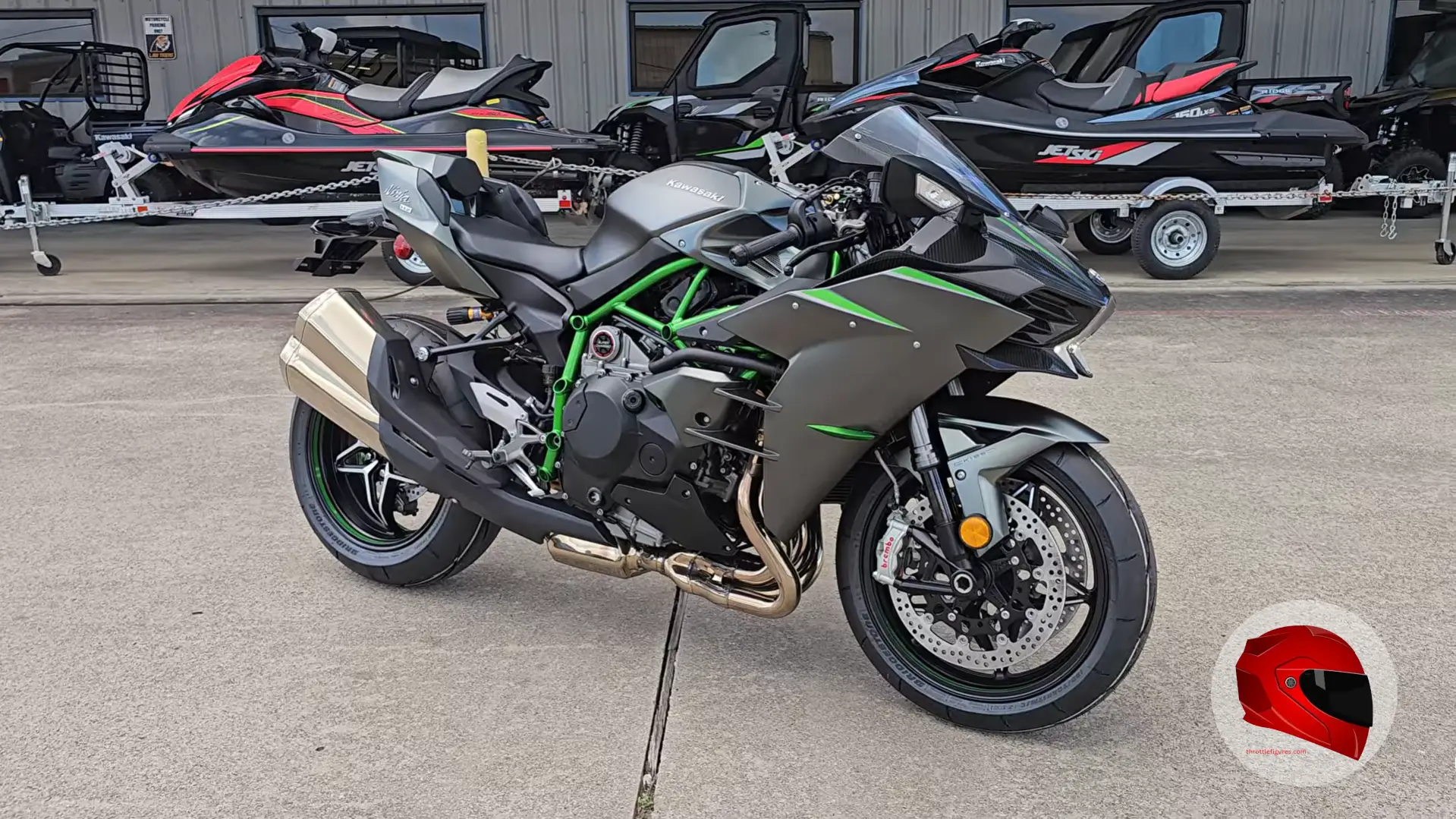
The supercharger, distinctive intake system and high-speed chassis set the Ninja H2 apart from ordinary liter-class sportbikes. The listed figure is 209 mph unrestricted, although independently measured results can vary with test conditions, gearing, rider position and electronic settings. It delivers the strongest street-legal hyperbike experience in this group, but its performance requires exceptional restraint on public roads.
BMW S 1000 RR
The BMW S 1000 RR reaches 188.32 mph with a 999 cc inline-four producing 205 hp. It sits just below the RSV4 Factory 1100 in maximum speed and shares the M 1000 RR’s listed power output while using a conventional liter-bike layout.
The S 1000 RR suits riders who want superbike acceleration, advanced electronics and track ability without moving to the more specialized M model. Its electronically managed power delivery works across road and circuit settings, although the riding position remains aggressive. At these speeds, tires, suspension setup, brake condition and rider training matter as much as the engine specification.
Suzuki Hayabusa
The Suzuki Hayabusa uses a 1,340 cc inline-four rated at 188 hp and reaches 186 mph, or 299 km/h. Its large-displacement engine and aerodynamic bodywork deliver strong high-speed performance, although its output is lower than that of the European superbikes in this ranking.
The Hayabusa is the most road-oriented motorcycle in this group. Its fairing, stable chassis and less extreme riding position suit fast highway travel and longer rides better than a dedicated track superbike. Its traditional 186 mph ceiling also reflects the voluntary manufacturers’ agreement that has influenced many production motorcycles for decades, even though the engine can deliver substantial acceleration below that limit.
Ducati Panigale V4 S
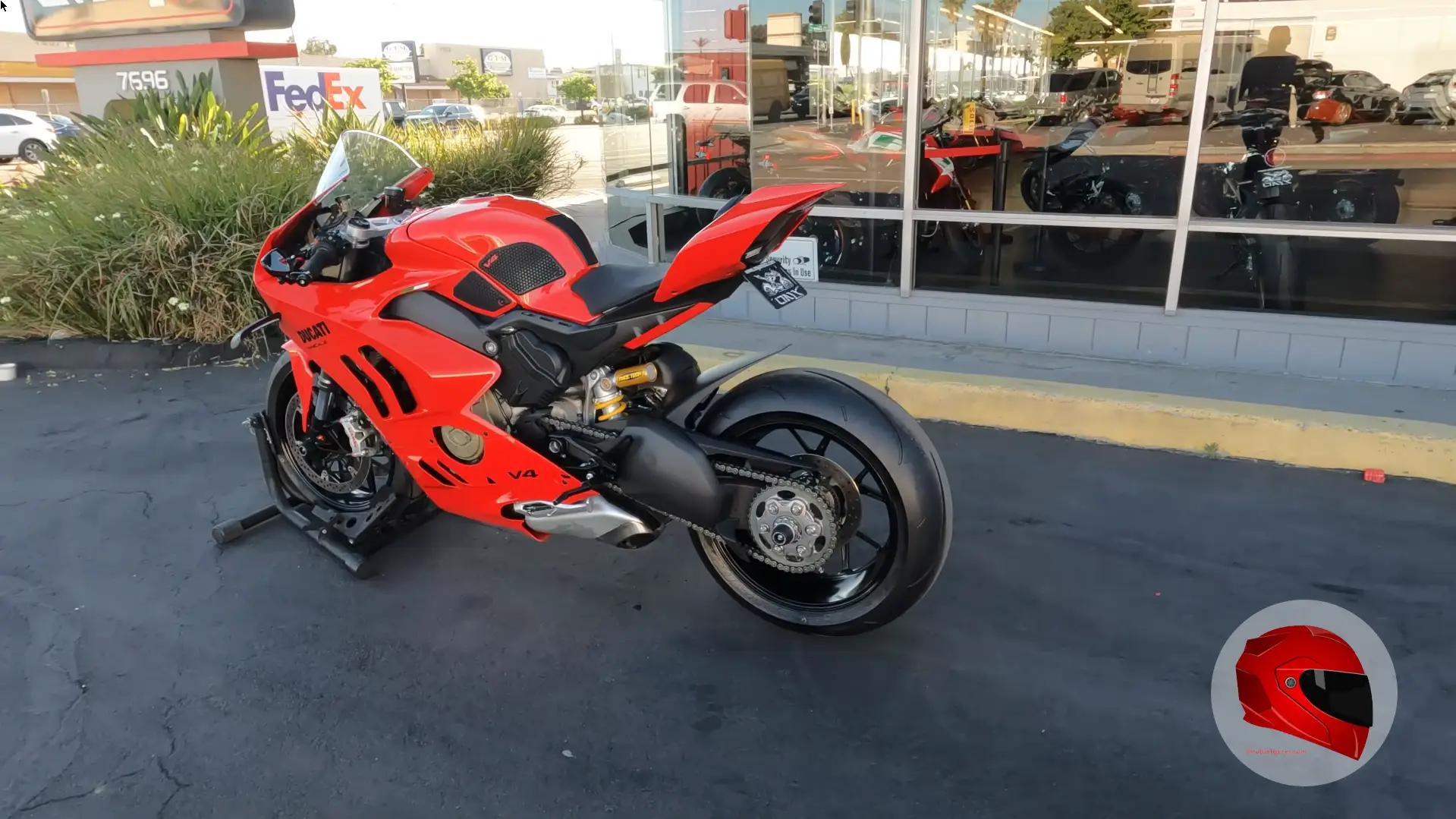
The Ducati Panigale V4 S reaches 185.83 mph from a 1,103 cc 90-degree V4 producing 209 hp. Its compact, race-oriented design places it just below the Suzuki Hayabusa in this ranking, while its chassis equipment and electronic controls focus on track performance and cornering speed.
The V4 S suits experienced riders who want Ducati’s V4 layout and premium superbike equipment. Maximum speed is only one part of its performance; braking, corner exit, chassis feedback and electronic calibration also affect its pace on a circuit. A race kit for the Panigale V4 R can reach 205.4 mph, but that figure does not apply to the road-going V4 S listed here.
Top 10 Fastest Motorcycles
This top-10 list combines several motorcycle categories, so the figures are not directly equivalent. Production numbers describe showroom motorcycles, while track, race, modified and land-speed figures come from machines with different legal status and testing conditions.
- Kawasaki Ninja H2: street-legal production motorcycle, 209 mph unrestricted.
- BMW M 1000 RR: street-legal production motorcycle, 189 mph.
- Aprilia RSV4 Factory 1100: street-legal production motorcycle, 189.56 mph.
- BMW S 1000 RR: street-legal production motorcycle, 188.32 mph.
- Suzuki Hayabusa: street-legal production motorcycle, 186 mph.
- Ducati Panigale V4 S: street-legal production motorcycle, 185.83 mph.
- Kawasaki Ninja H2R: track-only motorcycle, approximately 240 mph or more.
- KTM RC16: race motorcycle, 227.5 mph in racing conditions.
- Ducati Panigale V4 R with race kit: modified track configuration, 205.4 mph.
- Bonneville land-speed motorcycles: specialized land-speed machines, with records measured separately from production-bike testing.
Top 20 Ranking Categories
A single top-20 list is difficult to compare fairly because stock road motorcycles, modified machines and purpose-built land-speed motorcycles have different specifications. The index below identifies the relevant entries and their category status. The first six have directly comparable production figures.
- Kawasaki Ninja H2, street-legal production, 209 mph unrestricted.
- Aprilia RSV4 Factory 1100, street-legal production, 189.56 mph.
- BMW M 1000 RR, street-legal production, 189 mph.
- BMW S 1000 RR, street-legal production, 188.32 mph.
- Suzuki Hayabusa, street-legal production, 186 mph.
- Ducati Panigale V4 S, street-legal production, 185.83 mph.
- Kawasaki Ninja H2R, track-only, approximately 240 mph or more.
- KTM RC16, race, 227.5 mph.
- Ducati Panigale V4 R with race kit, modified track configuration, 205.4 mph.
- Bonneville specialized motorcycle, land-speed record category.
- Modified Kawasaki Ninja H2, modified category.
- Modified Suzuki Hayabusa, modified category.
- Modified BMW S 1000 RR, modified category.
- Modified BMW M 1000 RR, modified category.
- Modified Aprilia RSV4, modified category.
- Modified Ducati Panigale V4, modified category.
- MotoGP prototype, race category.
- Purpose-built Bonneville streamliner, land-speed category.
- Purpose-built salt-flats motorcycle, land-speed category.
- Other unrestricted race-derived motorcycle, non-production category.
Manufacturer Speed Comparison
| Manufacturer | Fastest representative model | Top speed | Class | Qualification |
|---|---|---|---|---|
| Yamaha | YZF-R1 | 186 mph | Street-legal superbike | Electronically limited in some markets |
| Honda | CBR1000RR-R Fireblade SP | 186 mph | Street-legal superbike | Production road model |
| Harley-Davidson | FXDR 114 | 160 mph | Street-legal performance cruiser | Different class from a fully faired superbike |
Motorcycle acceleration times
Top speed and acceleration produce different rankings. The Kawasaki Ninja H2, BMW M 1000 RR, Aprilia RSV4 Factory 1100, BMW S 1000 RR, Suzuki Hayabusa and Ducati Panigale V4 S can all record sub-three-second 0-to-60-mph runs in suitable tests. Results vary with launch control, rider technique, tires, surface, gearing and timing equipment.
- Tested time: measured by an independent test using stated timing equipment and conditions.
- Claimed time: supplied by a manufacturer or published without a fully repeatable test method.
- Launch factors: traction control, wheel lift, tire temperature, rider position and surface grip can change the result.
A motorcycle that accelerates quickly is not necessarily the one with the highest top speed. Launch traction, wheelie control, shift timing and gearing all affect quarter-mile times, while aerodynamic drag matters more as speed rises. That is why the fastest quarter mile motorcycles may differ from the bikes at the top of a maximum-speed ranking.
Speed-claim scorecard
| Claim type | Verification strength | Typical conditions | Main limitation | Suitable for stock-road ranking? |
|---|---|---|---|---|
| Homologated figure | High | Type-approval testing | May not reflect every market or variant | Yes |
| Independent GPS or radar test | High | Closed course, stated equipment and conditions | Weather, setup, rider and surface affect the result | Yes, when specifications match |
| Manufacturer claim | Medium | Manufacturer-defined test conditions | Method and configuration may not be fully comparable | Only with clear labeling |
| Estimated or reported figure | Low to medium | Derived from power, gearing or limited testing | Not independently repeatable | Use as context, not firm ranking evidence |
| Modified or record speed | Separate category | Specialized tuning or measured record course | Does not describe a stock road motorcycle | No |
How model year changes rankings
Motorcycle top-speed rankings are specific to the model year and configuration. Engine mapping, aerodynamic parts, gearing, electronic limits, tires and homologation equipment can change between updates. A current road model should not be compared with an older race-derived variant without identifying the year and specification.
Check the exact trim, market and software configuration before treating a published figure as directly comparable. An M package, track package or unrestricted setting may produce a different result from the standard road version. Independent test results also depend on the motorcycle, tires, fuel and electronic settings used during the test.
Dodge Tomahawk ranking status
The Dodge Tomahawk is a four-wheel motorcycle-like concept commonly associated with a claimed top speed of 350 mph. Its four-wheel layout, concept status and lack of direct comparability with conventional two-wheel production motorcycles exclude it from standard motorcycle top speed rankings.
The 350 mph figure is a claim rather than a conventional independently verified production-motorcycle test result. The Tomahawk was presented as a design and engineering statement using a Dodge Viper-derived V10, not as a normal road-going motorcycle available for like-for-like testing. It belongs in a concept-vehicle discussion, while the Kawasaki Ninja H2 remains the relevant leader for the street-legal two-wheel category used here.
Fastest motorcycle by category
| Category | Leader or representative machine | Speed figure |
|---|---|---|
| Street-legal production | Kawasaki Ninja H2 | 209 mph unrestricted |
| Track-only | Kawasaki Ninja H2R | Approximately 240 mph or more |
| Race | KTM RC16 | 227.5 mph |
| Modified | Ducati Panigale V4 R with race kit | 205.4 mph |
| Land-speed | Bonneville specialized motorcycle | Measured separately on a record course |
Requirements and context
Top speed figures become misleading when a motorcycle’s legal status is left out. A street-legal production motorcycle must carry the equipment needed for registration and public-road use. A track-only machine can use different aerodynamics, engine tuning, gearing and operating limits.
- Kawasaki Ninja H2: Street-legal hyperbike with an unrestricted top speed of 209 mph.
- Kawasaki Ninja H2R: Track-only machine with approximately 240 mph or more in unrestricted form and about 322 hp.
- Modified motorcycles: Tuned engines, altered gearing, race fuel, aerodynamic changes and removed restrictions create a separate performance category.
- Bonneville Salt Flats: A land-speed testing venue where specialized motorcycles attempt record runs on a measured course.
- Race motorcycles: MotoGP machinery is not a production-bike benchmark. The KTM RC16 has recorded 227.5 mph, or 366.1 km/h, in racing conditions.
The H2R and Bonneville runs belong in the wider speed discussion, but neither belongs in a street-legal production ranking. The same applies to purpose-built record motorcycles and machines that no longer match showroom specification.
Use the ranking as a performance reference, not a guarantee that every rider will reach the same speed. Rider position, elevation, temperature, wind direction, tire condition, gearing and electronic limits can all affect a motorcycle’s top speed. Taking these motorcycle top speed factors into account makes comparisons between independently tested models more meaningful.
How top speed is verified
A credible maximum-speed test uses GPS or radar equipment on a closed course. The test should identify the motorcycle’s exact specification, tire type, gearing, electronic setting, fuel load, rider position and environmental conditions because each factor can change the result.
- Confirm that the motorcycle is stock and identify its model year and variant.
- Check the engine specification, power rating, gearing and electronic restrictions.
- Measure speed with GPS or radar instead of relying only on the motorcycle’s speedometer.
- Run in opposite directions to reduce the effects of wind and gradient.
- Record temperature, wind, surface, rider position and tire specification.
- Separate a manufacturer claim from an independently measured result.
Two-way testing matters because a tailwind or slight downhill grade can inflate a one-direction result. The tires also need an appropriate speed rating, such as Y-rated capability, for the intended operating conditions.
A published top-speed figure is useful only when the testing method is clear. Speedometers can overread, while wind and gearing can affect the result. GPS data, timing equipment, the test direction and repeated runs provide a more reliable basis for comparing production bikes and compiling motorcycle top speed measured. Results from controlled testing may differ from a manufacturer’s headline claim.
How to compare speed claims
Homologated and independently verified numbers provide the strongest basis for a ranking. An estimated figure can still identify a likely leader, as with the Kawasaki Ninja H2, but it should remain labeled as an estimate when the test conditions and motorcycle variant do not match those used for another model.
Power helps explain acceleration potential, but it does not translate directly into top speed. Aerodynamic drag rises sharply with speed, so fairing design, rider tuck, gearing, wheel speed, electronic limits and run-up distance all affect the final number. A larger engine can therefore rank below a smaller, more aerodynamic motorcycle.
Model-year changes also matter. A ranking can change when a manufacturer revises engine mapping, aerodynamic parts, electronic limits or homologation equipment. Comparisons should identify the model year and avoid combining a current road model with an older race-derived variant.
What 186 mph means in practice
Approximately 186 mph, or 300 km/h, has long served as a practical ceiling for many high-performance street motorcycles because of the voluntary manufacturers’ agreement. The limit is not a universal physical restriction and does not apply equally to every motorcycle, market, variant or electronic mode.
The BMW M 1000 RR sits just above that familiar threshold at 189 mph. The BMW S 1000 RR, Hayabusa and Panigale V4 S cluster around the 186 mph mark, while the Kawasaki Ninja H2 stands apart with a listed unrestricted top speed of 209 mph.
Public roads are not a safe or lawful setting for testing these speeds. Closed-course use, an inspected motorcycle, speed-rated tires, protective equipment and formal rider training are necessary for exploring the upper performance range.
FAQs
Can a motorcycle go 300 mph?
Specialized land-speed motorcycles can exceed 300 mph, but they are not ordinary street-legal production motorcycles. No motorcycle in this production comparison has a documented stock capability of 300 mph; the Kawasaki Ninja H2R is a track-only machine often cited at about 249 mph or more.
What is the fastest motorcycle in miles per hour?
Within this street-legal production comparison, the Kawasaki Ninja H2 ranks first with an unrestricted top speed of 209 mph. Track-only machines, modified motorcycles, race bikes and land-speed-record motorcycles can post higher figures but belong to separate categories.
Is the Kawasaki Ninja H2R street legal?
No. The Kawasaki Ninja H2R is a track-only motorcycle and is not a road-registered alternative to the street-legal Ninja H2. Its approximately 240-plus-mph capability comes from a configuration intended for closed-course use.
Why do some motorcycles stop at 186 mph?
Many manufacturers adopted an approximately 186 mph, or 300 km/h, voluntary limit for high-performance street motorcycles. That agreement helps explain why several powerful production bikes have similar maximum-speed figures despite differences in displacement and horsepower.
Does more horsepower always mean a higher top speed?
No. Top speed also depends on aerodynamics, gearing, electronic limits, rider position, tire diameter and available distance. The Aprilia RSV4 Factory 1100 produces 220 hp and reaches 189.56 mph, while the BMW M 1000 RR produces 205 hp and reaches 189 mph.
Conclusion
These motorcycle top speed rankings are based on verified figures, not brochure claims.
The Kawasaki Ninja H2 leads this group for outright street-legal speed at 209 mph unrestricted. The BMW M 1000 RR reaches 189 mph. Compare motorcycles by verified testing, legal status, intended road or track use and complete setup rather than horsepower alone.