Honda Rebel 500: Specs, Performance, Costs, and Alternatives
Disclaimer: Performance figures may vary depending on factors such as rider, road and weather conditions, vehicle condition, and testing methods. Figures are provided for informational purposes only.
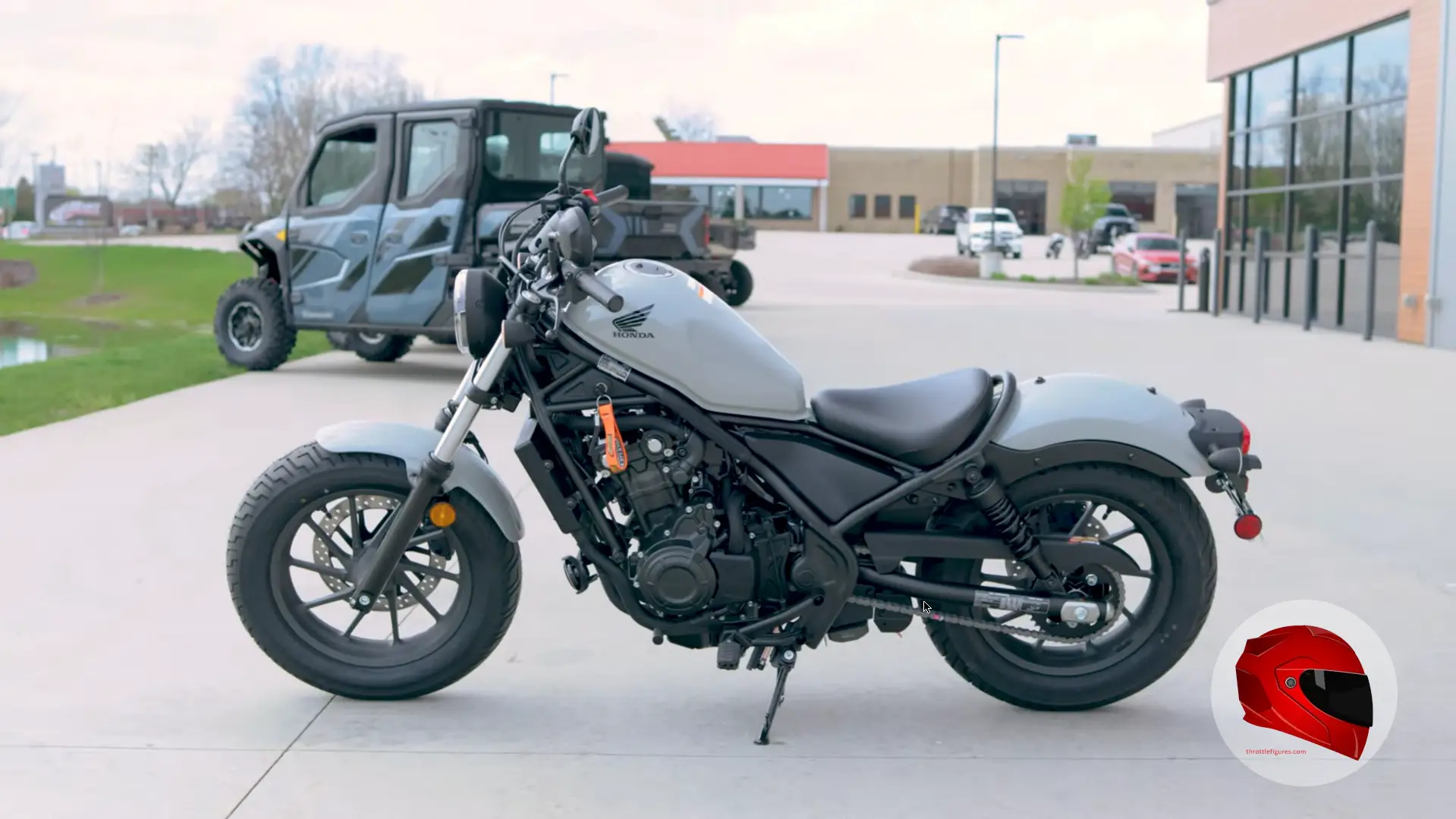
For a first motorcycle, daily commuter, or relaxed highway cruiser, the Honda Rebel 500 combines a low seat, manageable weight, smooth twin-cylinder power, and simple controls. The right choice depends on rider size, highway use, passenger plans, purchase price, insurance, licensing, and whether you can live with limited suspension travel.
Honda Rebel 500 Specifications and Features
| Attribute | Honda Rebel 500 detail |
|---|---|
| Manufacturer | Honda |
| Model aliases | Honda CMX500 Rebel; Honda Rebel 500 |
| Production | 2017–present |
| Class | Cruiser |
| Engine | 471cc liquid-cooled parallel-twin four-stroke |
| Induction | Programmed Fuel Injection (PGM-FI) |
| Throttle body | 34mm |
| Valve train | DOHC, 8 valves |
| Bore × stroke | 67.0 × 66.8 mm |
| Compression ratio | 10.7:1 |
| Claimed power | 46 hp at 8,500 rpm |
| Claimed torque | 43.2 Nm at 6,000 rpm |
| Transmission | 6-speed manual |
| Clutch | Wet multiplate assist/slipper |
| Seat height | 27.2 in |
| Curb weight | 414 lb |
| Wheelbase | 58.7 in |
| Ground clearance | 5.4 in |
| Fuel capacity | 3.0 gal |
| Fuel economy | 67 mpg |
| Estimated range | Approximately 200 mi |
| Front suspension | 41mm telescopic fork |
| Rear suspension | Dual shocks |
| Front tire | 130/90-16 |
| Rear tire | 150/80-16 |
| Front brake | 296mm hydraulic disc |
| Rear brake | 240mm hydraulic disc |
| ABS | Standard |
| Lighting | LED |
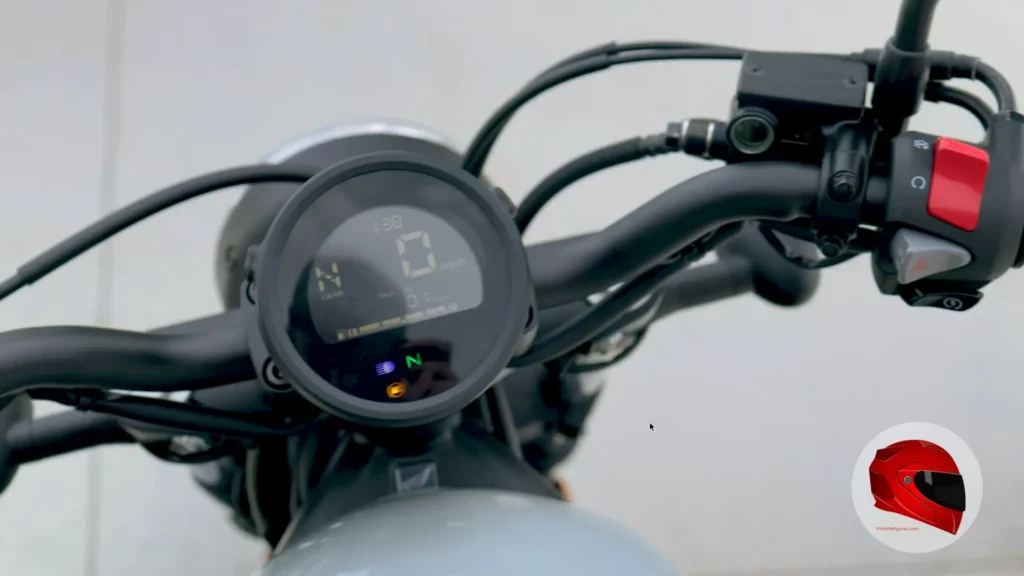
| Instrumentation | Digital LCD |
| Display functions | Speed, gear, fuel, clock, tripmeters |
| Top speed | Approximately 95–100 mph |
| Highway cruising | Approximately 70–80 mph |
| 2026 standard MSRP | $6,499 |
| 2026 ABS MSRP | $6,799 |
| 2026 ABS SE MSRP | $6,999 |
| Destination charge | $600 |
| Passenger equipment | Honda Genuine Accessories |
| Riding requirement | Motorcycle endorsement or license |
The Rebel 500’s 471cc engine delivers useful power, but real-world acceleration also depends on the bike’s curb weight and the rider’s load. Horsepower figures alone can be misleading when comparing motorcycles with different designs and intended uses. Looking at the motorcycle power-to-weight ratio gives a clearer sense of how the Rebel’s performance compares with other bikes.
How the Rebel 500 Rides
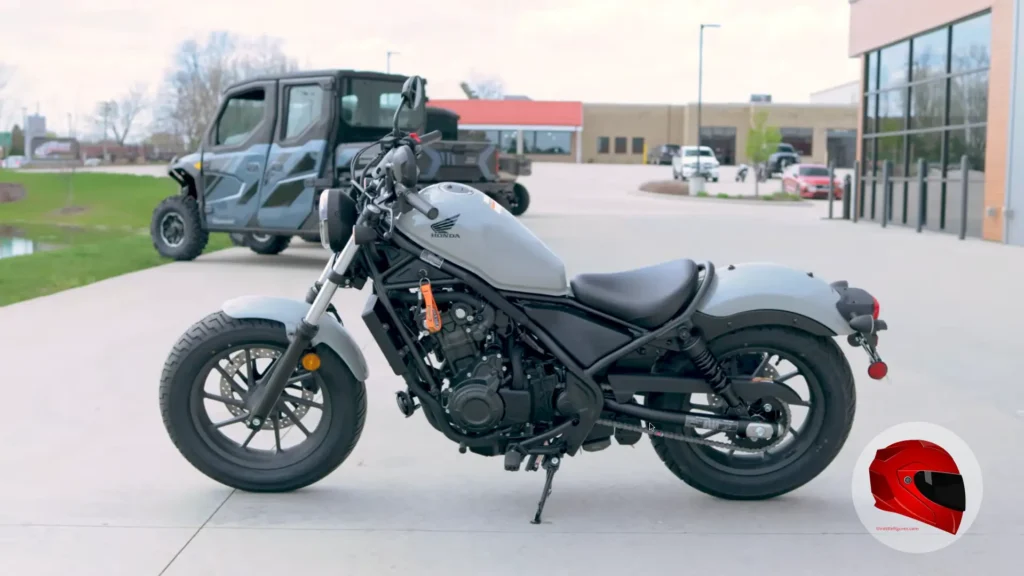
The 471cc parallel twin produces predictable acceleration and enough midrange torque for city traffic, back roads, and freeway entrances. Its 46 hp is useful without feeling intimidating, while the six-speed transmission keeps the engine settled at highway speeds. The assist/slipper clutch reduces lever effort and helps control rear-wheel behavior during aggressive downshifts.
With an estimated top speed of approximately 95-100 mph, the Rebel 500 has enough performance for normal U.S. roads. It can cruise at approximately 70-80 mph, although the bike has no wind protection and its small fuel tank makes long highway trips more dependent on fuel stops. Riders who regularly travel at high speed with luggage or a passenger will notice the limits of its displacement and touring equipment.
The 58.7-inch wheelbase and low center of gravity make slow-speed turns approachable. The 41mm fork and dual rear shocks use a straightforward design, while the 5.4-inch ground clearance limits aggressive cornering and rough-road clearance. Standard ABS adds extra protection during hard braking on wet or dirty pavement.
Is the Rebel 500 Beginner-Friendly?
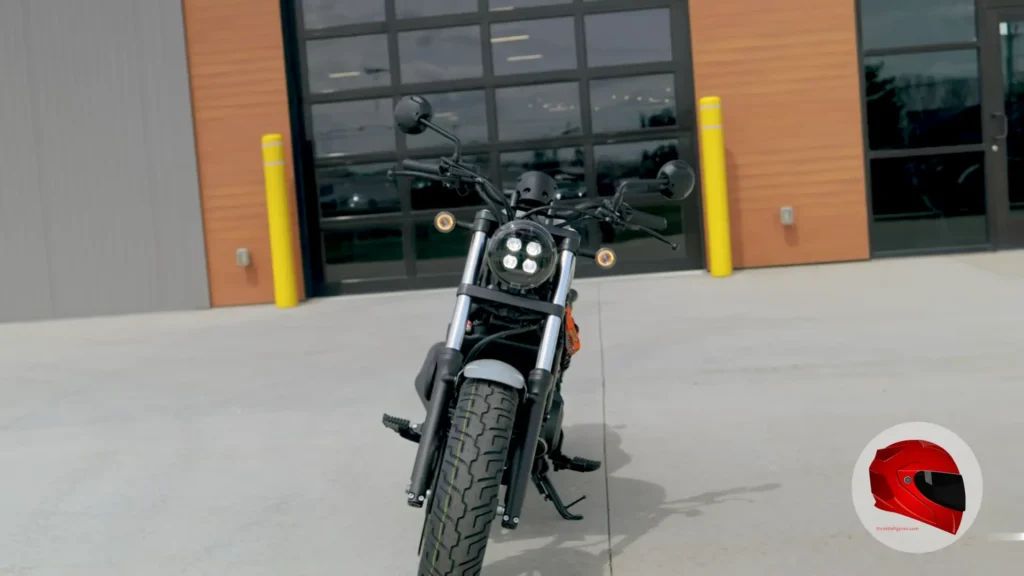
The Rebel 500 is a strong beginner choice because its controls are conventional, its power delivery is smooth, and its 27.2-inch seat makes stopping less stressful for many new riders. The 414-pound curb weight is manageable once the bike is moving, but parking, backing up, and correcting a slow-speed mistake still require practice.
- Seat height: The low saddle helps shorter riders reach the ground with confidence.
- Engine response: The twin-cylinder engine builds power progressively and produces usable torque.
- Clutch control: The assist/slipper clutch keeps lever effort reasonable during commuting.
- Braking: Front and rear discs with standard ABS provide consistent stopping control.
- Low-speed handling: The cruiser layout is approachable, but deliberate throttle, clutch, and rear-brake control still matter.
New riders should complete a recognized motorcycle safety course before riding in traffic. The Motorcycle Safety Foundation offers beginner training that can build basic skills and, depending on state rules, may help satisfy part of the endorsement process. Public-road riding in the United States requires a motorcycle endorsement or motorcycle license.
Comfort, Ergonomics, and Rider Fit
The Rebel 500 has a relaxed cruiser riding position, a low seat, forward-set foot controls, and a compact reach to the handlebar. Many shorter riders can flat-foot the motorcycle, which can make stops feel more secure. Taller riders may find the compact cockpit cramped, particularly because of the bent knee angle created by the low-seat layout.
The solo-style saddle supports the bike’s bobber appearance, but carrying a passenger requires additional equipment. Honda Genuine Accessories include a passenger seat, footpeg kit, and backrest. Anyone who regularly carries another adult should include those parts, installation costs, and the resulting comfort compromises in the budget.
Seat comfort depends on ride length and body shape. The Rebel 500 suits commuting and short cruises, while extended touring highlights the limits of its seat, wind protection, storage, and suspension. Sit on the motorcycle before buying and pay attention to the handlebar reach, foot-control position, and knee angle.
Honda Rebel 500 Ownership Costs
For 2026, U.S. pricing starts at $6,499 for the standard model, $6,799 for the ABS model, and $6,999 for the ABS SE. The $600 destination charge is separate. Sales tax, title, registration, dealer documentation, assembly, accessories, and other dealer charges can raise the final transaction price.
- Purchase price: Start with the applicable MSRP and add the $600 destination charge.
- Insurance: A financed motorcycle generally requires comprehensive and collision coverage. A cash purchase still requires coverage that meets state law.
- Registration: Budget for title, registration, plate, and state fees.
- Safety gear: Include a certified helmet, riding jacket, gloves, pants, and over-the-ankle boots.
- Maintenance: Plan for oil service, chain cleaning and adjustment, tire replacement, brake inspection, and scheduled inspections.
- Financing: Interest increases the total cost beyond the advertised motorcycle price.
- Accessories: Passenger equipment, luggage, wind protection, and cosmetic parts can add substantially to the out-the-door total.
Honda Financial Services can support financing arranged through participating Honda dealers. Compare the annual percentage rate, loan term, required down payment, total interest, and insurance requirement instead of judging the deal by its monthly payment alone.
How to Buy a Rebel 500
A participating Honda dealer can provide access to new Rebel 500 trims and dealer purchasing options. A private sale may offer more used inventory, but the buyer takes responsibility for inspecting the motorcycle and completing the title transfer. Set an all-in budget before comparing listings so dealer fees, gear, insurance, and registration do not get overlooked.
- Choose the standard, ABS, or ABS SE configuration and set an all-in budget.
- Request a written out-the-door quote that separates MSRP, destination, dealer fees, taxes, title, and registration.
- Arrange financing with Honda Financial Services or another lender before accepting loan terms.
- Inspect a used motorcycle for cold-start behavior, warning lights, tire age, chain condition, brake wear, leaks, crash damage, and service records.
- Match the vehicle identification number to the title and confirm that the seller has the legal right to sell it.
- Complete a bill of sale and lien release when applicable, then transfer the title according to state procedure.
- Obtain insurance before riding away and complete state registration and endorsement requirements.
- Use dealer delivery or a properly secured trailer if you are not licensed, insured, or experienced enough to ride the motorcycle home.
Facebook Marketplace can help locate used Rebel 500 listings, but private-party buyers must handle the inspection, title verification, payment security, and transport themselves. A low price does not make up for a questionable title or neglected mechanical condition.
Rebel 500 Compared With Alternatives
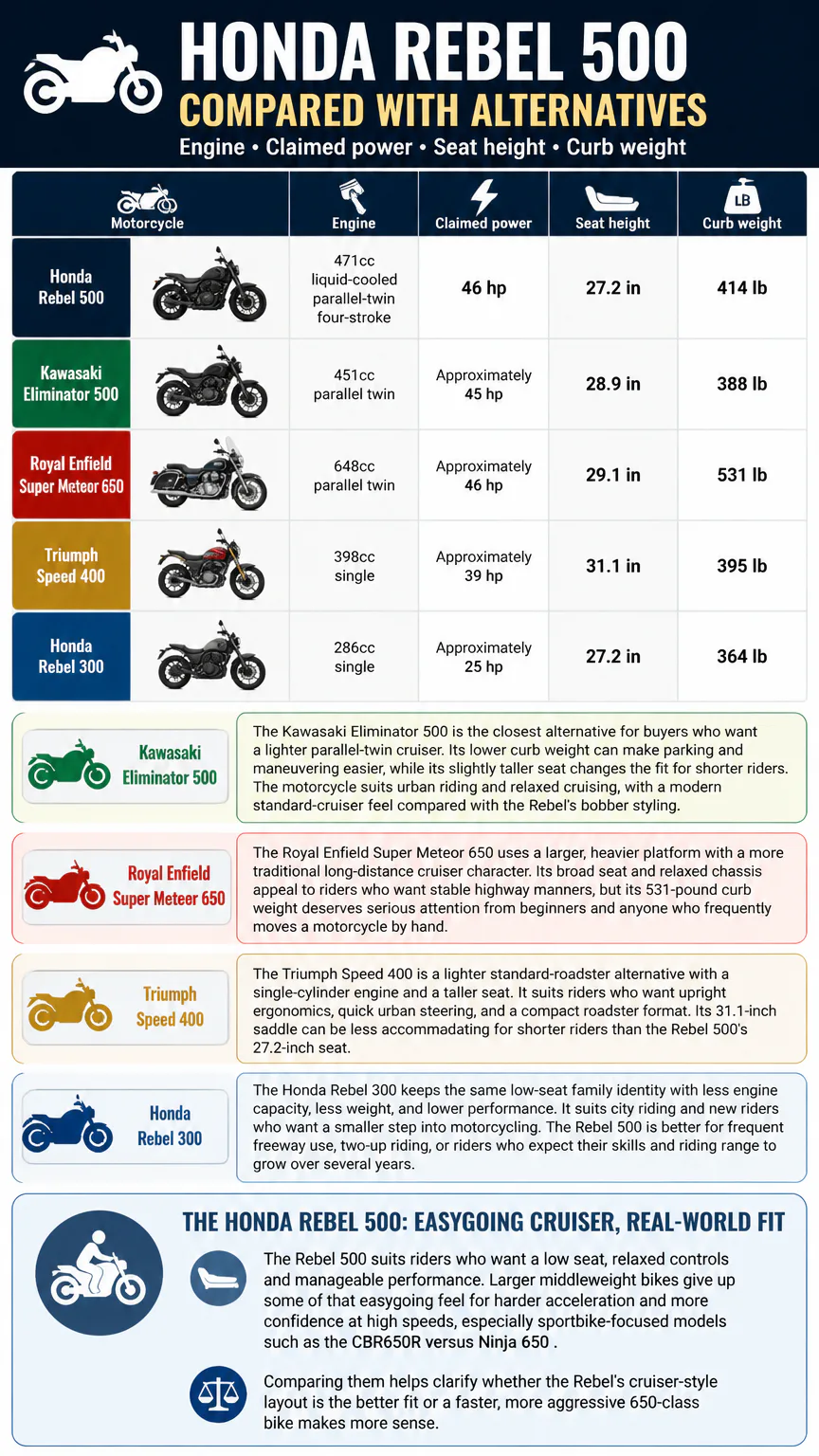
| Motorcycle | Engine | Claimed power | Seat height | Curb weight |
|---|---|---|---|---|
| Honda Rebel 500 | 471cc liquid-cooled parallel-twin four-stroke | 46 hp | 27.2 in | 414 lb |
| Kawasaki Eliminator 500 | 451cc parallel twin | Approximately 45 hp | 28.9 in | 388 lb |
| Royal Enfield Super Meteor 650 | 648cc parallel twin | Approximately 46 hp | 29.1 in | 531 lb |
| Triumph Speed 400 | 398cc single | Approximately 39 hp | 31.1 in | 395 lb |
| Honda Rebel 300 | 286cc single | Approximately 25 hp | 27.2 in | 364 lb |
Kawasaki Eliminator 500
The Kawasaki Eliminator 500 is the closest alternative for buyers who want a lighter parallel-twin cruiser. Its lower curb weight can make parking and maneuvering easier, while its slightly taller seat changes the fit for shorter riders. The motorcycle suits urban riding and relaxed cruising, with a modern standard-cruiser feel compared with the Rebel’s bobber styling.
Royal Enfield Super Meteor 650
The Royal Enfield Super Meteor 650 uses a larger, heavier platform with a more traditional long-distance cruiser character. Its broad seat and relaxed chassis appeal to riders who want stable highway manners, but its 531-pound curb weight deserves serious attention from beginners and anyone who frequently moves a motorcycle by hand.
Triumph Speed 400
The Triumph Speed 400 is a lighter standard-roadster alternative with a single-cylinder engine and a taller seat. It suits riders who want upright ergonomics, quick urban steering, and a compact roadster format. Its 31.1-inch saddle can be less accommodating for shorter riders than the Rebel 500’s 27.2-inch seat.
Honda Rebel 300
The Honda Rebel 300 keeps the same low-seat family identity with less engine capacity, less weight, and lower performance. It suits city riding and new riders who want a smaller step into motorcycling. The Rebel 500 is better for frequent freeway use, two-up riding, or riders who expect their skills and riding range to grow over several years.
The Rebel 500 suits riders who want a low seat, relaxed controls and manageable performance. Larger middleweight bikes give up some of that easygoing feel for harder acceleration and more confidence at high speeds, especially sportbike-focused models such as the CBR650R versus Ninja 650. Comparing them helps clarify whether the Rebel’s cruiser-style layout is the better fit or a faster, more aggressive 650-class bike makes more sense.
Rebel 500 Questions Answered
FAQs
Is the Honda Rebel 500 a women’s bike?
No. The Honda Rebel 500 suits any rider whose size, training, and riding needs match its ergonomics and performance. Its low seat and manageable controls can suit many riders, but gender does not determine motorcycle fit.
Does the Rebel 500 have enough power for highway riding?
Yes. It can cruise at approximately 70-80 mph and reaches an estimated top speed of 95-100 mph. Strong wind, steep grades, luggage, and a passenger reduce its performance reserves.
The Rebel 500 has enough power for normal highway riding, although its upright riding position and modest output mean slower acceleration at higher speeds than a fully faired sportbike. Wind resistance, gearing, rider weight and body position also affect how quickly it reaches and holds higher speeds. Those motorcycle top speed factors put the Rebel’s highway capability in context without reducing the comparison to engine output alone.
Does the Rebel 500 come with ABS?
Current Rebel 500 models have standard ABS. ABS can reduce wheel lock during hard braking, but it does not replace proper braking technique, tire maintenance, or rider training.
How far can a Rebel 500 travel on one tank?
The 3.0-gallon tank and 67 mpg fuel economy produce an estimated range of about 200 miles. Actual range varies with speed, wind, load, temperature, and riding style.
Honda Rebel 500 Final Verdict
The Rebel 500 suits riders who want a low, stylish cruiser for commuting, back-road riding, and highway travel without the bulk of a larger touring motorcycle. Its smooth 471cc engine, standard ABS, accessible seat, and available Honda Genuine Accessories cover the needs of many everyday riders.
Choose another model if you need substantial passenger comfort, extensive luggage capacity, long-distance wind protection, or more highway reserve. The motorcycle is approachable, but new riders still need proper training and practice.
Conclusion
The Honda Rebel 500 is a strong match for buyers who value low-seat confidence, manageable performance, and everyday versatility. Include destination, dealer fees, gear, insurance, and registration in the budget, then choose the trim and purchase channel that fit your riding plans.