How Motorcycle 0–60 Times Are Measured: Gps, Rollout, and Testing
Motorcycle 0-60 mph testing covers only a few seconds, but several details can change the result. The timing depends on the starting convention, the equipment’s sampling rate, the rider’s launch, available traction and whether the front wheel lifts. A credible test uses a repeatable start, records true vehicle speed and removes runs affected by wheel slip, satellite errors, slope or inconsistent rider input.
The Motorcycle 0-60 Measurement Sequence
- Prepare a flat, straight, closed-course test area. Inspect the motorcycle, tires, chain, controls, fuel load and timing equipment.
- Secure the timing device and wait for a stable satellite lock.
- Define the start as either a complete stop or a stated rollout condition, then use the same rule for every attempt.
- Launch with controlled clutch release and throttle application while limiting wheel spin and front-wheel lift.
- Record the time until the measured vehicle speed reaches 60 mph, or 96.6 km/h.
- Check GPS speed traces, slope data, acceleration markers, satellite quality and signs of wheel slip before accepting the run.
- Repeat the test in both directions and keep several clean runs instead of publishing only the quickest attempt.
The sequence works with GPS meters, professional data loggers, drag-strip systems and dynamometers, although each system detects speed differently. Record the device, sampling rate, rollout rule, rider, motorcycle configuration, surface, temperature, wind and altitude with the final time.
In the first few metres, low-speed torque delivery matters more than peak horsepower. Strong torque can reduce the need for aggressive clutch slipping and build speed quickly, but too much can overwhelm the rear tyre. That balance is why the highest-torque motorcycles do not always record the quickest 0-60 time.
What Counts as a True 0-60 Start?
A strict standing-start measurement begins with the motorcycle fully stopped, with the timer starting at zero vehicle speed. GPS equipment identifies that point from its velocity data. At a drag strip, the timing comes from the motorcycle’s position at the staging beams, elapsed time and speed measured farther down the track.
Many drag-strip results use approximately 1 foot of rollout. The timer starts after the motorcycle covers that initial distance, removing some hesitation and suspension take-up from the recorded time. Rollout commonly improves the displayed result by about 0.2 to 0.3 seconds, so it should not be compared directly with a timer that starts at absolute zero.
A motorcycle speedometer is not suitable as the primary timing instrument. Motorcycle speedometers are commonly 3% to 10% optimistic, so an indicated 60 mph can occur before the motorcycle reaches a true 60 mph. A GPS velocity trace measures ground speed directly, although signal quality, sample rate and receiver performance still affect the result.
GPS Equipment and Smartphone Apps
Sampling rate affects how precisely a device identifies the 60-mph point during a short run. These are the relevant benchmarks:
| Equipment type | Typical sampling rate | Use |
|---|---|---|
| Standard smartphone location data | Approximately 1 Hz | Basic measurement with lower timing resolution |
| Enthusiast GPS or GNSS device | 10 Hz or higher | Road-based performance testing |
| Professional performance system | Approximately 20 Hz | Precise vehicle acceleration measurement |
| High-end equipment | 10 Hz to 100 Hz | High-resolution performance testing |
- Use a secure mount that cannot move during acceleration.
- Keep the device’s view of the sky clear and wait for a stable GPS, GLONASS or Galileo lock.
- Record slope, speed, acceleration and satellite-quality data when the device supports them.
- Reject traces with satellite jitter, abrupt speed steps, false starts or unexplained wheel-slip spikes.
Dragy GPS Performance Meter is a compact performance box for 0-60 mph and quarter-mile measurements. Its 25 Hz GNSS chip records rapid speed changes, and its results can be checked against slope data. The device states accuracy of ±1%. Place it on a level surface with clear satellite visibility, then use a dead-stop launch with controlled clutch slip or a quick-shifter roll-on.
RaceBox Mini is a portable GPS performance logger with internal memory. Establish a stable GPS, GLONASS and Galileo lock, then make a clean launch while limiting rear-wheel spin. Compare its GPS velocity markers with the internal accelerometer triggers to remove false starts and spikes caused by wheel slip.
Racelogic VBOX is professional GPS/GLONASS equipment for precise vehicle performance measurement. Use it on a designated test strip or flat tarmac, coordinate throttle and clutch release, and record Doppler-shift velocity at 10 to 20 Hz. Repeated runs help confirm whether the result is consistent.
GPS Race Timer uses a smartphone to detect acceleration metrics such as 0-60 mph. Secure the phone to the handlebars with vibration damping and enable high-accuracy location. The app can record a dead-stop or rolling start at 1 Hz, or up to 10 Hz when paired with an external OBD or Bluetooth Low Energy sensor.
A Dynojet 250i measures drum speed, horsepower and torque on a dynamometer rather than acceleration on pavement. The motorcycle can run in second or third gear from low steady-state rpm, or make a stopped-clutch pull against the eddy-current brake. Power Core software logs drum rpm and converts angular acceleration into a 0-60 mph result.
Dyno results need careful interpretation because the motorcycle is restrained and the drum does not reproduce aerodynamic drag, normal weight transfer or the exact interaction between tire and pavement during a road launch. SAE J1349 ambient corrections adjust the result for atmospheric conditions, but a dyno-derived time remains a controlled measurement of the powertrain and roller system.
Why Motorcycle Times Vary
Acceleration is limited by how much force the rear tire can transmit without spinning and how well the front tire remains controlled. A 300-kg motorcycle-and-rider combination requires approximately 2,700 newtons to reach 60 mph in three seconds. First-gear thrust on a Suzuki SV650 can exceed 3,000 newtons, but gearing, traction, rider technique and wheel lift determine how much of that force becomes forward acceleration.
- Rider input: Clutch timing, throttle control, body position and shift timing change the launch.
- Traction: Tire temperature, compound, pressure, pavement texture and moisture affect rear-wheel grip.
- Wheelies: Front-wheel lift can make the rider or electronic control system reduce throttle.
- Wheel slip: Spinning raises engine speed without producing the same increase in ground speed.
- Conditions: Temperature, air density, wind, altitude and slope alter the result.
- Motorcycle setup: Fuel level, rider mass, suspension settings, traction control, launch control and tire condition all matter.
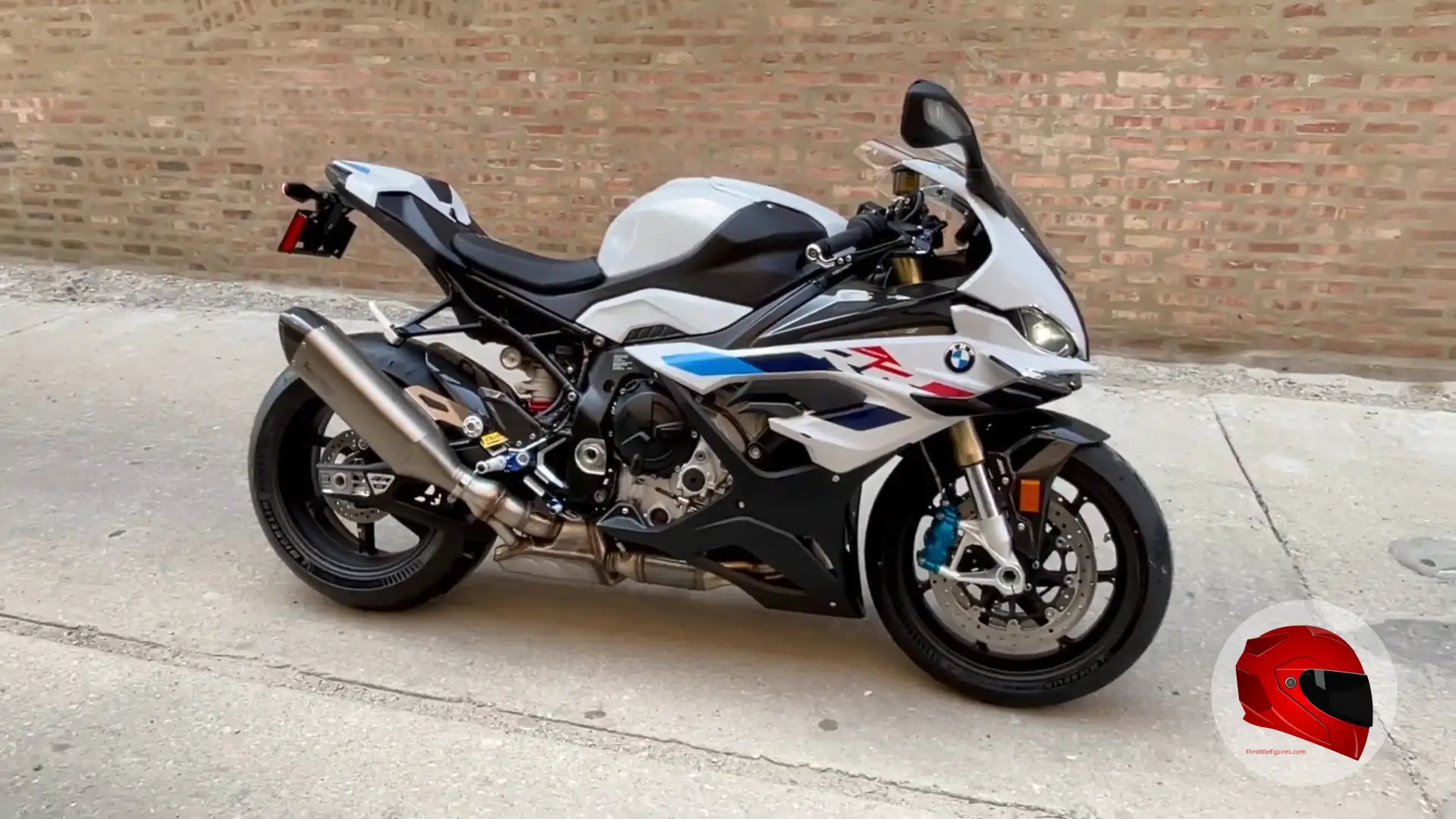
Power-to-weight ratio helps explain performance, but it does not determine a 0-60 result by itself. The BMW M1000RR produces 209 bhp, weighs 192 kg and has a power-to-weight ratio of about 1,089 bhp per tonne, yet its published 0-100 km/h figure is 3.1 seconds. The 322-kg Triumph Rocket 3 R makes 165 bhp and has about 512 bhp per tonne, while its long wheelbase and wheelie resistance support a 2.73-second 0-60 mph result.
Engine output tells only part of the acceleration story. The motorcycle must also move its own weight, the rider, fuel and test equipment, so two bikes with similar horsepower can record different 0-60 times. When their weights differ, comparing motorcycle power-to-weight ratios gives a clearer picture of each bike’s acceleration.
How to Run a Safe Test
Conduct acceleration testing only on a legal closed course or at an organized facility. Public roads bring traffic, driveways, debris, changing speed limits and serious consequences, making a full-throttle test inappropriate.
- Choose a closed, straight, level surface with sufficient runoff and no nearby pedestrians or traffic.
- Wear a certified helmet, motorcycle jacket, gloves, pants and over-the-ankle riding boots.
- Check tire pressure, tire condition, brake operation, throttle return, chain tension, fluid levels and control settings.
- Make sure the timing device and mount cannot detach or interfere with steering, braking or the rider’s controls.
- Complete a low-speed shakedown pass before attempting a launch.
- Apply throttle and release the clutch progressively enough to control wheel spin and wheel lift.
- Close the throttle and brake in a planned area after passing 60 mph, leaving room for an error or aborted run.
- Let the motorcycle and tires recover between runs. Stop if traction or mechanical behavior changes.
NHRA-sanctioned drag strips use prepared surfaces and infrared timing equipment. Riders pre-stage and stage at the starting beams, launch when the green tree illuminates, and receive official 60-foot times and trap speeds on the time slip. A 0-60 figure can be derived from high-speed 60-foot calculations or an onboard GPS overlay, but the calculation method must be stated clearly.
How to Compare Published Times
Published motorcycle figures are comparable only when their timing rules and test conditions are similar. A low number may include rollout, a prepared drag surface, a professional rider or a manufacturer’s electronic launch mode. A higher number may come from a strict dead-stop GPS test on ordinary pavement.
- Check whether the target is 60 mph or 100 km/h. The metric equivalent of 60 mph is 96.6 km/h, while 100 km/h is 62.1 mph.
- Check whether the timer uses absolute zero or approximately 1 foot of rollout.
- Check the equipment and sampling rate. A 1-Hz smartphone trace has less resolution than a 20-Hz professional logger.
- Check the rider, fuel load, luggage, passenger weight, tire condition, traction-control setting and launch mode.
- Check whether the run took place on a prepared drag strip, a level road, a dyno or an unreported surface.
- Check temperature, wind, altitude and slope, along with any environmental corrections.
- Check whether the number is a best run, an average or a repeatable range.
High-performance motorcycles commonly record true 0-60 mph times of about 2.5 to 3.5 seconds, and anything under four seconds is fast. A typical car, by comparison, reaches 60 mph in approximately six to seven seconds. Quarter-mile times measure something different and cannot replace a properly defined 0-60 result.
A quarter-mile run is more than an extended 0-60 test. It also reflects high-speed power, gearing and aerodynamic stability. A motorcycle that launches quickly may lose ground later, while one with stronger top-end performance can keep accelerating beyond 60 mph. Results from the fastest quarter-mile motorcycles add useful context, but they do not replace a standardized 0-60 figure.
What the Fastest Results Show
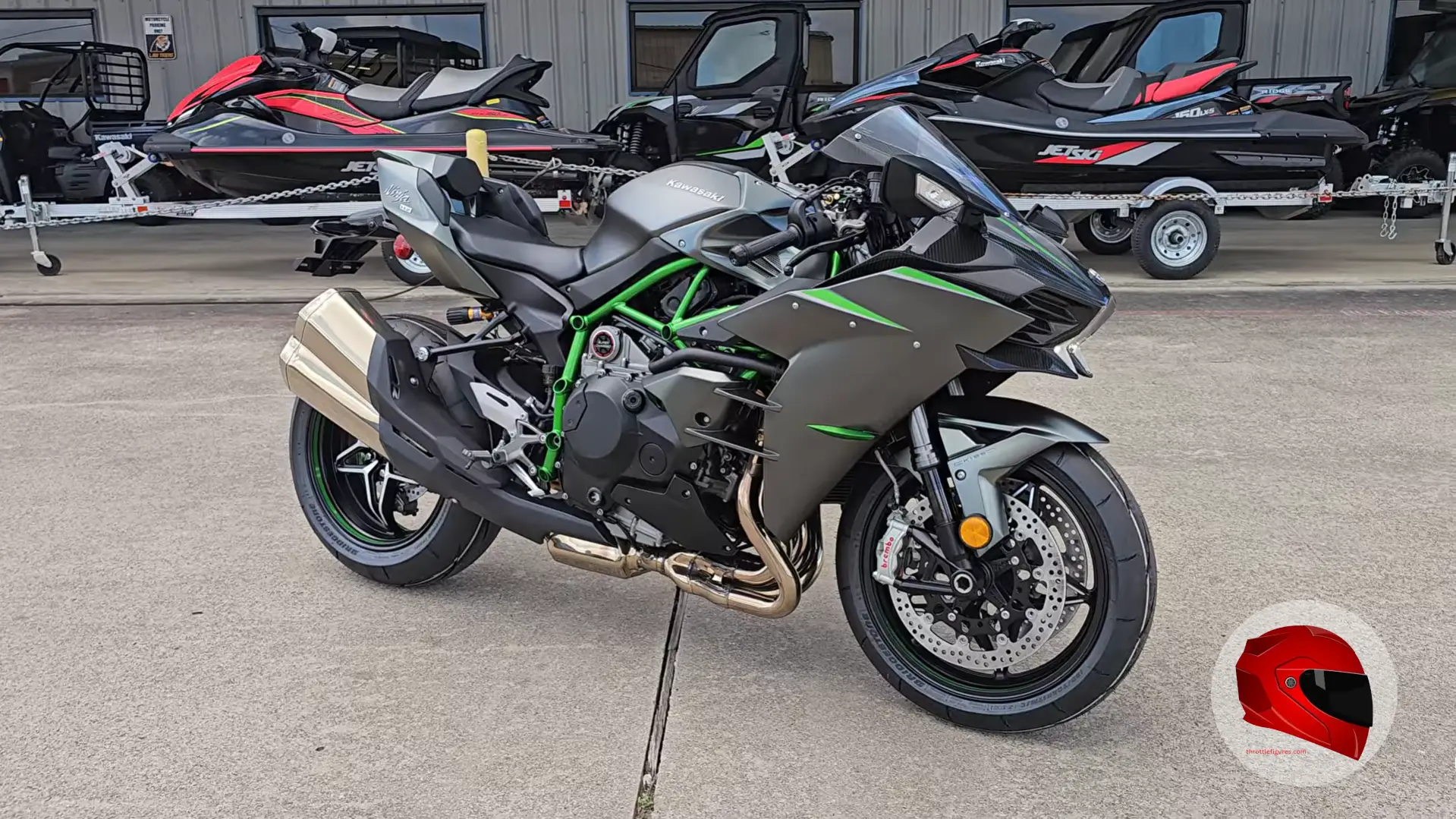
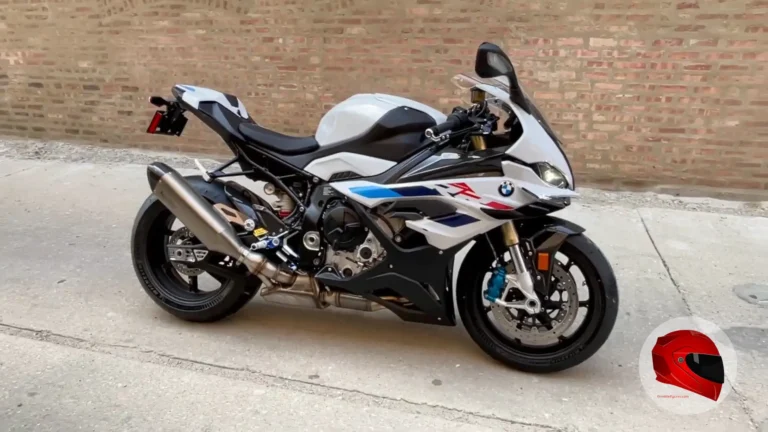
Acceleration records are highly sensitive to launch conditions. The Kawasaki Ninja H2R reaches approximately 60 mph in 2.5 seconds, the Suzuki Hayabusa in about 2.8 seconds, and the Yamaha YZF-R1 and BMW S1000RR in about three seconds. These figures are useful reference points only when the timing convention and test surface are known.
The Triumph Rocket 3 R shows how chassis geometry affects the first 60 feet. Its long wheelbase, substantial mass and 165-bhp engine do not give it the strongest power-to-weight ratio in this group, but they help keep the front end controlled during a hard launch. The BMW M1000RR presents the opposite challenge: its high output and low mass still require careful control of wheel lift, tire grip and rider input.
FAQs
What is the 12-second rule on a motorcycle?
The 12-second rule is a visual scanning habit for street riding. Look at least 12 seconds ahead to spot hazards early and preserve time and space for braking or evasive action. It is a safety practice, not a 0-60 timing rule.
Which motorcycle has the fastest acceleration from 0 to 60 mph?
The Kawasaki Ninja H2R records approximately 2.5 seconds to 60 mph under the stated test conditions. Rollout, surface, rider, launch electronics and timing equipment can all change the result.
How fast is a 600cc motorcycle in horsepower?
Engine displacement does not determine a fixed horsepower figure. A 600cc motorcycle’s output depends on engine design, tuning, intake and exhaust systems, emissions equipment and whether it is a supersport, standard or another type of model.
Conclusion
A defensible motorcycle 0-60 mph time requires a high-rate GPS logger or controlled drag-strip timing, a defined start and rollout rule, and several clean runs. Report the equipment, surface, rider, conditions and launch convention with the result so the figure can be understood and compared properly.

2 Comments
Comments are closed.