Honda CBR650R vs Kawasaki Ninja 650: Which Sport Bike Fits You?
The Honda CBR650R and Kawasaki Ninja 650 both use 649cc engines, but they deliver very different riding experiences. Honda’s inline-four builds power higher in the rev range, while Kawasaki’s parallel twin produces useful torque earlier. For a US buyer in 2026, the main choices are power delivery, riding position, price, weight, and how the bike will be used on the highway or in daily traffic.
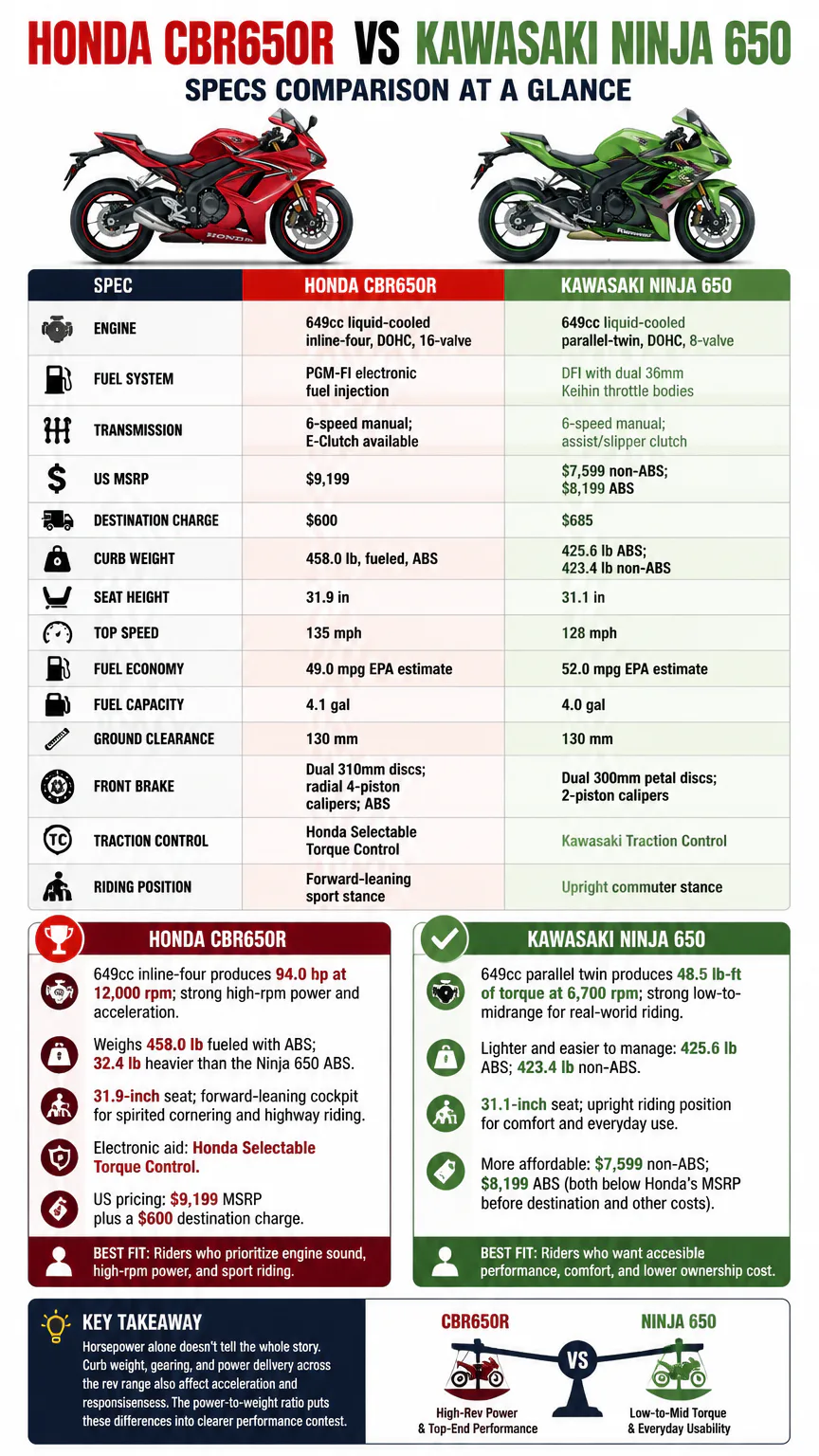
Honda CBR650R vs Kawasaki Ninja 650 Specs
| Attribute | Honda CBR650R | Kawasaki Ninja 650 |
|---|---|---|
| Engine | 649cc liquid-cooled inline-four, DOHC, 16-valve | 649cc liquid-cooled parallel-twin, DOHC, 8-valve |
| Fuel System | PGM-FI electronic fuel injection | DFI with dual 36mm Keihin throttle bodies |
| Transmission | 6-speed manual; E-Clutch available | 6-speed manual; assist/slipper clutch |
| US MSRP | $9,199 | $7,599 non-ABS; $8,199 ABS |
| Destination charge | $600 | $685 |
| Curb weight | 458.0 lb, fueled, ABS | 425.6 lb ABS; 423.4 lb non-ABS |
| Seat height | 31.9 in | 31.1 in |
| Top speed | 135 mph | 128 mph |
| Fuel economy | 49.0 mpg EPA estimate | 52.0 mpg EPA estimate |
| Fuel capacity | 4.1 gal | 4.0 gal |
| Ground clearance | 130 mm | 130 mm |
| Front brake | Dual 310mm discs; radial 4-piston calipers; ABS | Dual 300mm petal discs; 2-piston calipers |
| Traction control | Honda Selectable Torque Control | Kawasaki Traction Control |
| Riding position | Forward-leaning sport stance | Upright commuter stance |
Honda CBR650R
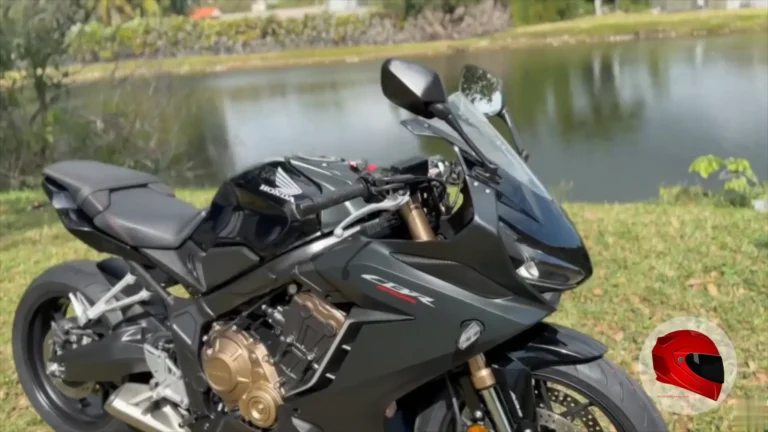
The CBR650R is the performance-focused motorcycle of the two. Its 649cc liquid-cooled inline-four produces 94.0 hp at 12,000 rpm, with acceleration building as the engine climbs through the rev range. It stays smooth at moderate speeds, then becomes much more urgent when the rider uses the upper half of the tachometer.
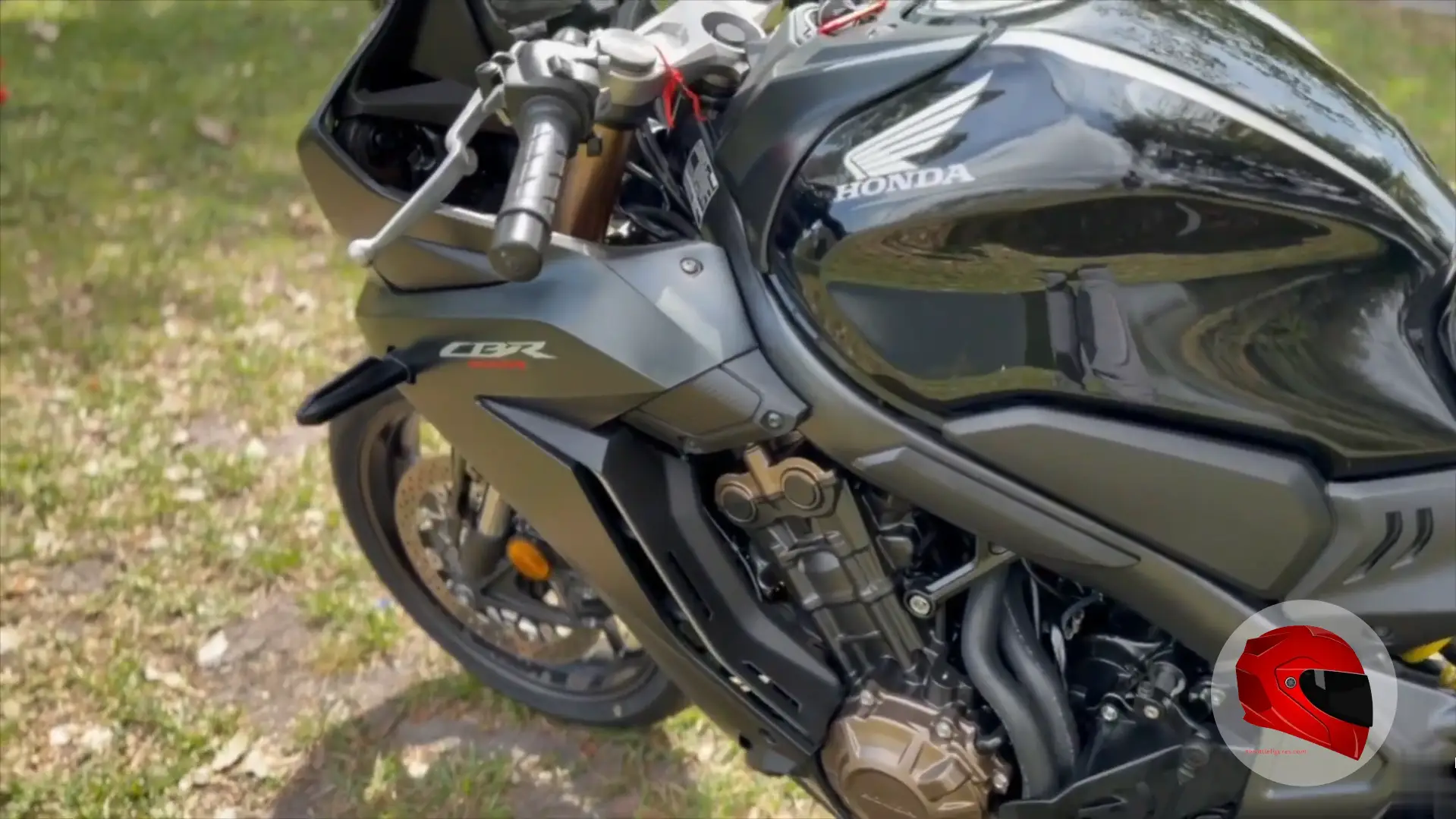
That engine adds weight and cost. The Honda weighs 458.0 pounds fueled with ABS, making it 32.4 pounds heavier than the ABS-equipped Ninja 650. Its 31.9-inch seat is also 0.8 inch taller. The forward-leaning cockpit suits spirited cornering and highway riding, but puts more weight on the wrists during slow urban trips.
- Best fit: riders who prioritize engine sound, high-rpm power, and sport riding.
- Electronic aid: Honda Selectable Torque Control.
- Transmission: six-speed manual.
- US pricing: $9,199 MSRP plus a $600 destination charge.
Kawasaki Ninja 650
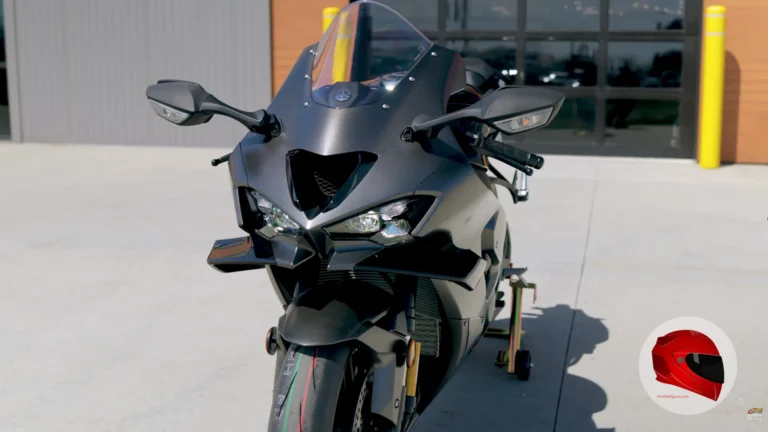
The Ninja 650 focuses on accessible street performance. Its 649cc parallel twin produces 48.5 lb-ft of torque at 6,700 rpm, slightly more than the Honda’s peak torque and at a much lower engine speed. It feels responsive in traffic, on back roads, and during highway merges without requiring frequent high-rpm riding.
The Kawasaki is lighter, has a lower seat, and uses a more upright riding position. Those differences are noticeable during parking-lot maneuvers, U-turns, and commuting. The trade-off is lower peak output: its 67 horsepower at 8,000 rpm gives the Ninja less top-end acceleration and a lower claimed top speed than the CBR650R.
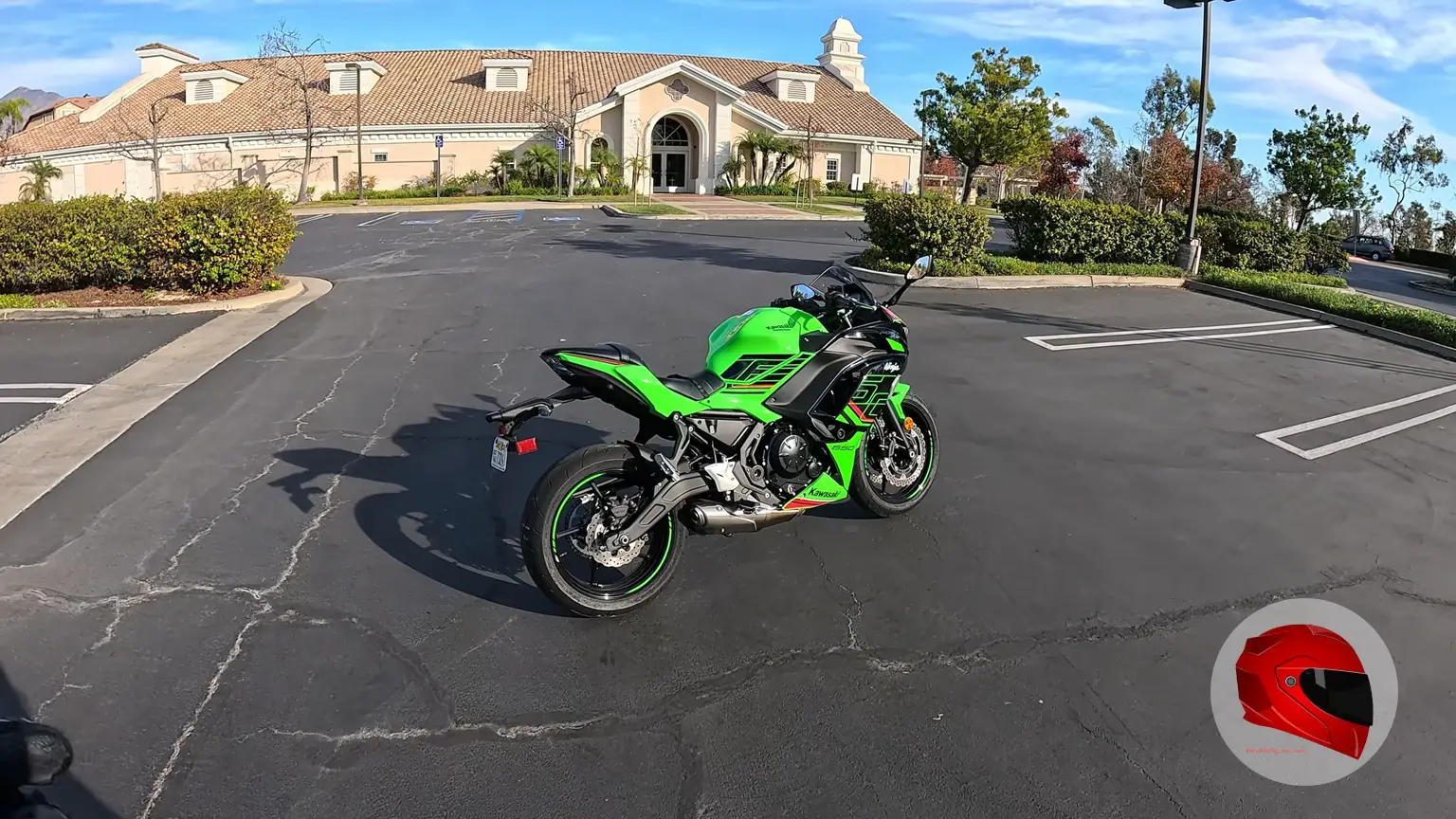
The non-ABS Ninja 650 starts at $7,599, while the ABS version starts at $8,199. Both prices are below the Honda’s MSRP before destination, taxes, registration, dealer fees, insurance, and equipment.
Horsepower alone does not explain why the CBR650R feels stronger at higher speeds while the lighter-feeling Ninja 650 is easier to manage around town. Curb weight, gearing and power delivery across the rev range also affect acceleration and responsiveness. The motorcycle power-to-weight ratio puts these engine and weight differences into clearer performance context.
Requirements and context
A motorcycle endorsement or motorcycle license is required to ride either model legally on public roads in the United States. State procedures differ, but they commonly include a motorcycle knowledge test and a skills test or an approved rider-training course. An ordinary automobile license does not by itself authorize motorcycle operation in every state.
- Obtain the motorcycle endorsement or license required in your state before riding either motorcycle on public roads.
- Complete an approved rider course when it can replace or simplify the road test.
- Arrange motorcycle insurance before registering or riding the bike.
- Budget for sales tax, title, registration, dealer fees, gear, and first service.
- Check financing approval requirements before negotiating the out-the-door price.
Both motorcycles can be restricted to 47 bhp in eligible A2 markets, but that classification does not determine US licensing. The Ninja 650 is sold in non-ABS and ABS forms. Record the Honda CBR650R’s exact specification and equipment by trim on the purchase contract.
Honda CBR650R: Sportier inline-four performance
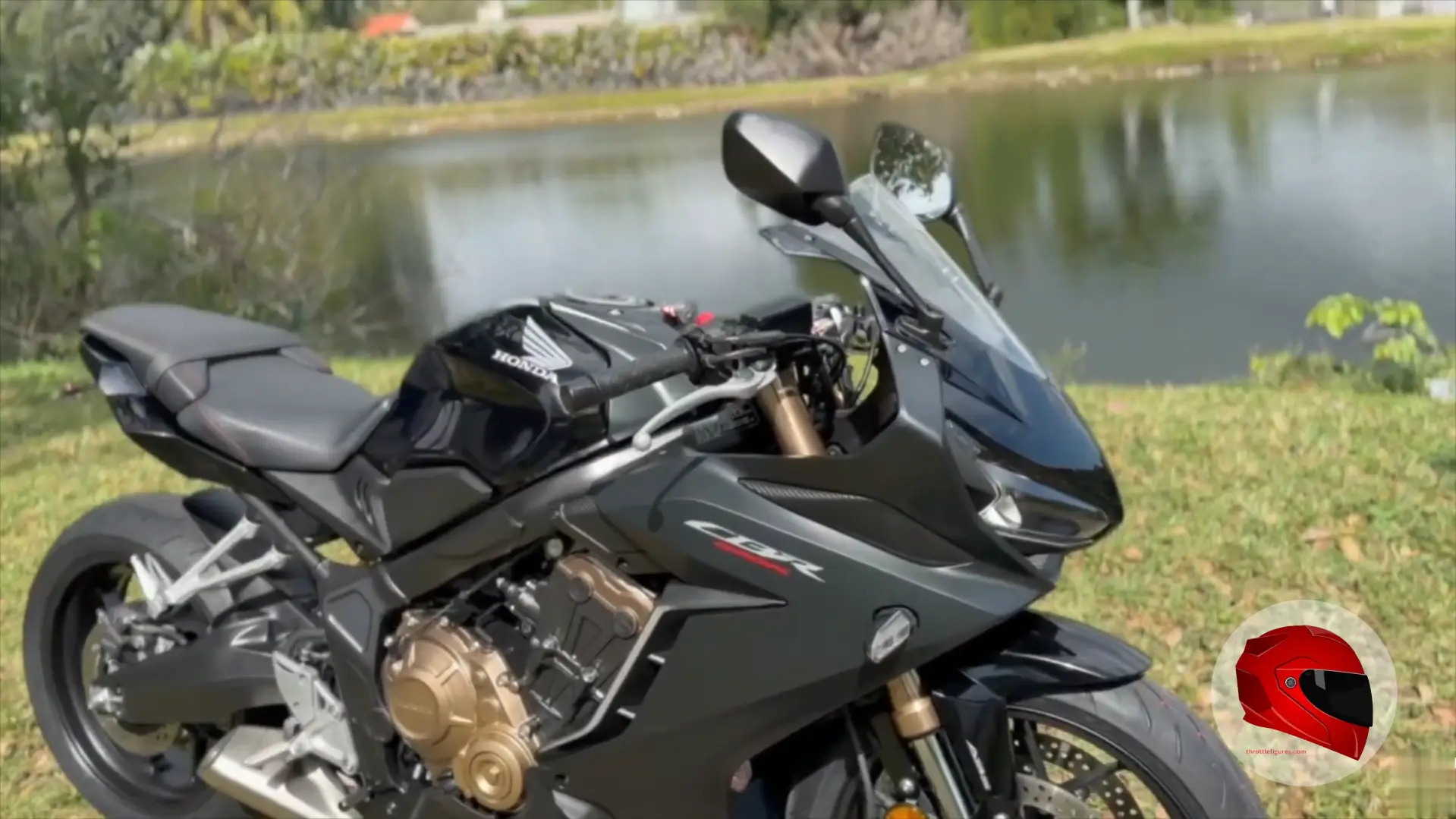
The Honda’s defining feature is its four-cylinder engine. Compared with the Ninja’s twin, it builds power progressively and stays composed as revs rise. Riders who enjoy carrying engine speed through corners and working through the six-speed gearbox will get more from the Honda. Its 135-mph top speed also gives it a higher performance ceiling for closed-course use and unrestricted highway riding.
The CBR650R has a sportier chassis setup and a more committed riding position than the Kawasaki. Dual front discs provide strong stopping hardware, while Honda Selectable Torque Control manages rear-wheel slip electronically. The system adds assistance in changing conditions, but it does not replace smooth throttle control, proper tires, or rider training.
Honda offers the CBR650R with optional Honda E-Clutch technology in the relevant model configuration. It automates clutch operation for starts and shifts while retaining a conventional foot-shift interface. That suits riders who want less clutch work without giving up manual gear selection. The system adds technology and cost, so riders who prefer a simple manual motorcycle should compare it with the standard configuration.
The Honda’s drawbacks are mainly practical. Its extra weight is noticeable at low speeds, the taller seat can challenge shorter riders, and the higher purchase price leaves less room for gear or accessories. Frequent high-rpm riding also makes it important to follow the maintenance schedule.
Kawasaki Ninja 650: Comfortable parallel-twin value
The Ninja 650’s parallel twin is tuned for usable street torque. Peak torque arrives at 6,700 rpm, well below the Honda’s 9,500-rpm peak, so the Kawasaki feels lively during normal road riding without needing to be revved hard. Its 67 horsepower is enough for commuting, touring, and recreational back-road use. Riders seeking strong top-end acceleration will find the Honda more forceful.
Ergonomics are a major reason to choose the Ninja. Its 31.1-inch seat is lower than the CBR650R’s, and the upright cockpit reduces the forward reach of a sportier motorcycle. The 425.6-pound ABS curb weight also helps during U-turns, parking, and stop-and-go traffic.
Fuel capacity is nearly identical: 4.0 gallons for the Kawasaki and 4.1 gallons for the Honda. The Ninja 650 has a 52.0-mpg EPA estimate, compared with 49.0 mpg for the Honda. Actual range depends on speed, traffic, rider weight, tire pressure, and throttle use. Kawasaki Traction Control is listed for the Ninja 650, so check the equipment against the exact model year and trim.
The Ninja’s main limitation is its lower performance ceiling. Riders who want an inline-four’s sound and top-end surge, frequent high-speed track use, or the strongest highway acceleration may prefer the Honda. For routine street riding, the Ninja’s lower MSRP, lighter weight, and more comfortable ergonomics make it easier to justify.
Pricing, dealers, and financing
New CBR650R purchases go through authorized Honda motorcycle dealers. Kawasaki motorcycles are sold through the Kawasaki dealer network. Inventory, dealer-installed accessories, freight charges, setup fees, and local taxes affect the final price, so MSRP is only the starting point for an out-the-door comparison.
- Choose the exact model, trim, and ABS configuration.
- Request a written out-the-door quote that separates MSRP, destination, setup, documentation, tax, title, and registration.
- Compare the cash price with the total financed amount, including interest and any required fees.
- Inspect the motorcycle before signing and confirm the vehicle identification number on the contract.
- Obtain insurance and complete title and registration requirements before riding on public roads.
Honda Financial handles qualifying Honda motorcycle financing, while Kawasaki Financing handles qualifying Kawasaki purchases. Promotional interest rates, loan terms, down-payment requirements, and approval standards change over time and by applicant. Compare the annual percentage rate and total repayment, not only the monthly payment.
Which motorcycle fits your riding?
The CBR650R suits riders who see engine performance as the main reason to own a middleweight sport motorcycle. It is the stronger choice for high-speed touring, aggressive canyon riding, and anyone who wants the smooth sound and rising intensity of an inline-four. Its extra power becomes most apparent when the engine is allowed to rev.
The Ninja 650 covers more everyday riding situations. Its lower seat, lighter weight, upright ergonomics, earlier torque, and lower entry price make it a manageable first street motorcycle for a disciplined learner and an efficient commuter for an experienced rider. The lower price also leaves more room for protective gear, insurance, and training.
- Choose the Honda for high-rpm performance and a sharper sport focus.
- Choose the Kawasaki for comfort, lower cost, and easy street manners.
- Choose the Ninja ABS model when anti-lock braking is a purchase priority.
- Choose the Honda E-Clutch configuration when automated clutch operation is worth the added equipment.
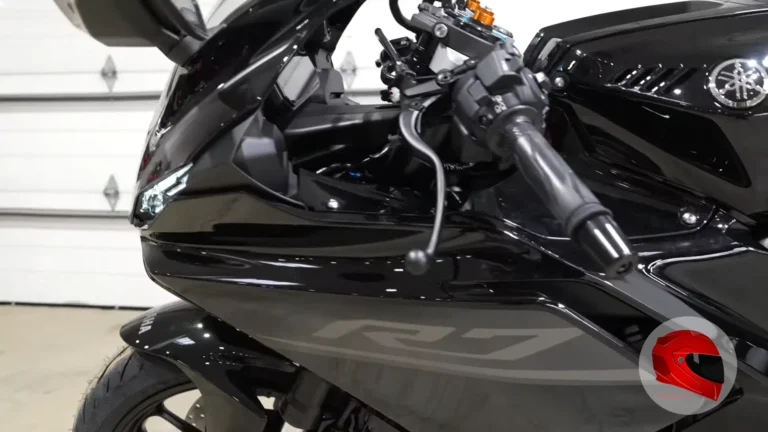
The CBR650R and Ninja 650 sit at different points in the middleweight class, but riders choosing between comfort and a sharper sport-bike feel have other options too. The Yamaha R7 is more aggressive, with sportier styling, quicker handling and a more committed riding position, making it a useful reference for where the Ninja 650 fits. Comparing the Yamaha R7 versus Ninja 650 can help you decide whether you want an approachable all-rounder or a more focused machine.
Honda CBR650R vs Ninja 650 FAQs
What is more reliable, Kawasaki or Honda?
Both manufacturers have long-established motorcycle platforms and widespread dealer support. Reliability depends on maintenance, storage, riding conditions, accident history, and modifications, so a documented service history is more useful than choosing by badge alone.
What is the top speed of the CBR650R compared with the Ninja 650?
The Honda CBR650R reaches 135 mph, while the Kawasaki Ninja 650 reaches 128 mph. Actual results vary with rider position, wind, road conditions, gearing, and electronic or legal restrictions.
Published top-speed figures are estimates, not guarantees. Aerodynamics, gearing, rider position, wind, road conditions and how well the bike reaches peak power can all affect the final number, so the CBR650R’s extra upper-range performance may not produce the same advantage in every test. These motorcycle top-speed factors also help explain why real-world results can differ from specification-sheet claims.
How fast can a Honda CBR650R go?
The Honda CBR650R has a top speed of 135 mph. That speed is appropriate only where it is legal and safe; public-road speed limits still control.
Is the CBR650R better than the Kawasaki Ninja ZX-6R?
The CBR650R is easier to use on everyday roads and costs less to operate as a general-purpose motorcycle. The Ninja ZX-6R is a more focused supersport with substantially sharper track-oriented performance, so it suits riders who prioritize circuit riding over comfort and commuting.
Conclusion
Choose the Honda CBR650R if its inline-four engine and stronger high-rpm performance justify the extra cost and weight. Choose the Kawasaki Ninja 650 if comfort, manageable torque, lower pricing, and lighter handling matter more for daily riding. In either case, calculate the complete out-the-door price and obtain the required motorcycle endorsement before riding.