CBR600RR vs CBR650R: Which Honda Sportbike Fits You?
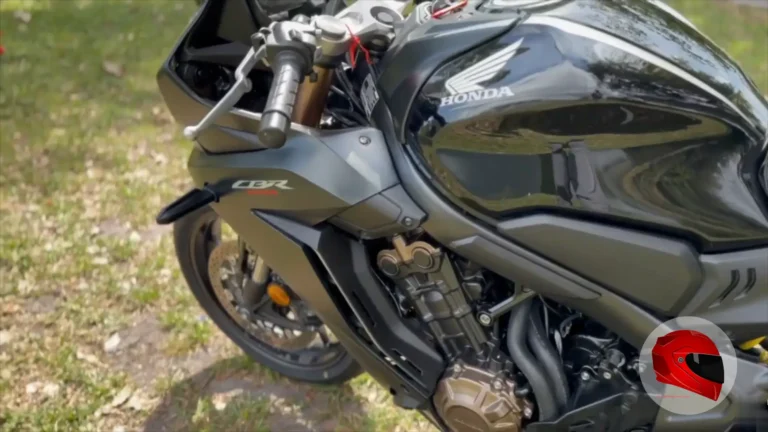
The Honda CBR600RR and Honda CBR650R share liquid-cooled inline-four engines, but they serve different purposes. The CBR600RR makes more peak power because it revs higher, while the CBR650R delivers its performance earlier and uses more relaxed ergonomics. Weight, riding position, electronics, passenger capacity and price all matter in the CBR600RR vs CBR650R comparison.
Which Honda Is Faster?
| Model | Engine | Power | Torque | Curb weight | Seat height | Top speed | 2026 MSRP | 0-60 mph (est.) | Riding focus |
|---|---|---|---|---|---|---|---|---|---|
| Honda CBR600RR | 599cc liquid-cooled inline-four | 119 hp at 14,250 rpm | 46.5 lb-ft at 11,500 rpm | 419 lb, non-ABS | 32.4 in | 155 mph, electronically limited | $11,499 base | 3.3 seconds | Track-focused supersport |
| Honda CBR650R | 649cc liquid-cooled inline-four | 94 hp at 12,000 rpm | 46.4 lb-ft at 9,500 rpm | 466 lb | 31.9 in | 155 mph, approximate peak | $9,199 base | 3.8 seconds | Street-oriented sportbike |
The CBR600RR is quicker in acceleration and better suited to track riding. It has about 25 more horsepower and weighs approximately 47 pounds less than the CBR650R. Its 599cc engine uses a high-revving supersport tune, with peak power arriving near the top of the tachometer. The 649cc CBR650R makes nearly the same peak torque at lower rpm, so it feels more responsive and manageable on normal roads.
The CBR600RR also has the stronger power-to-weight ratio. Both motorcycles are listed at approximately 155 mph, but the CBR600RR accelerates harder because it combines 119 hp with substantially less weight. The CBR650R delivers its torque lower in the rev range, making its power easier to use in everyday riding.
The CBR600RR has the edge because it is built as a sharper supersport, but power, electronics and availability vary by model year and market. If you’re comparing current models, check those details rather than relying on older 600RR impressions, especially when considering the 2026 Honda CBR600RR.
Street comfort and ergonomics
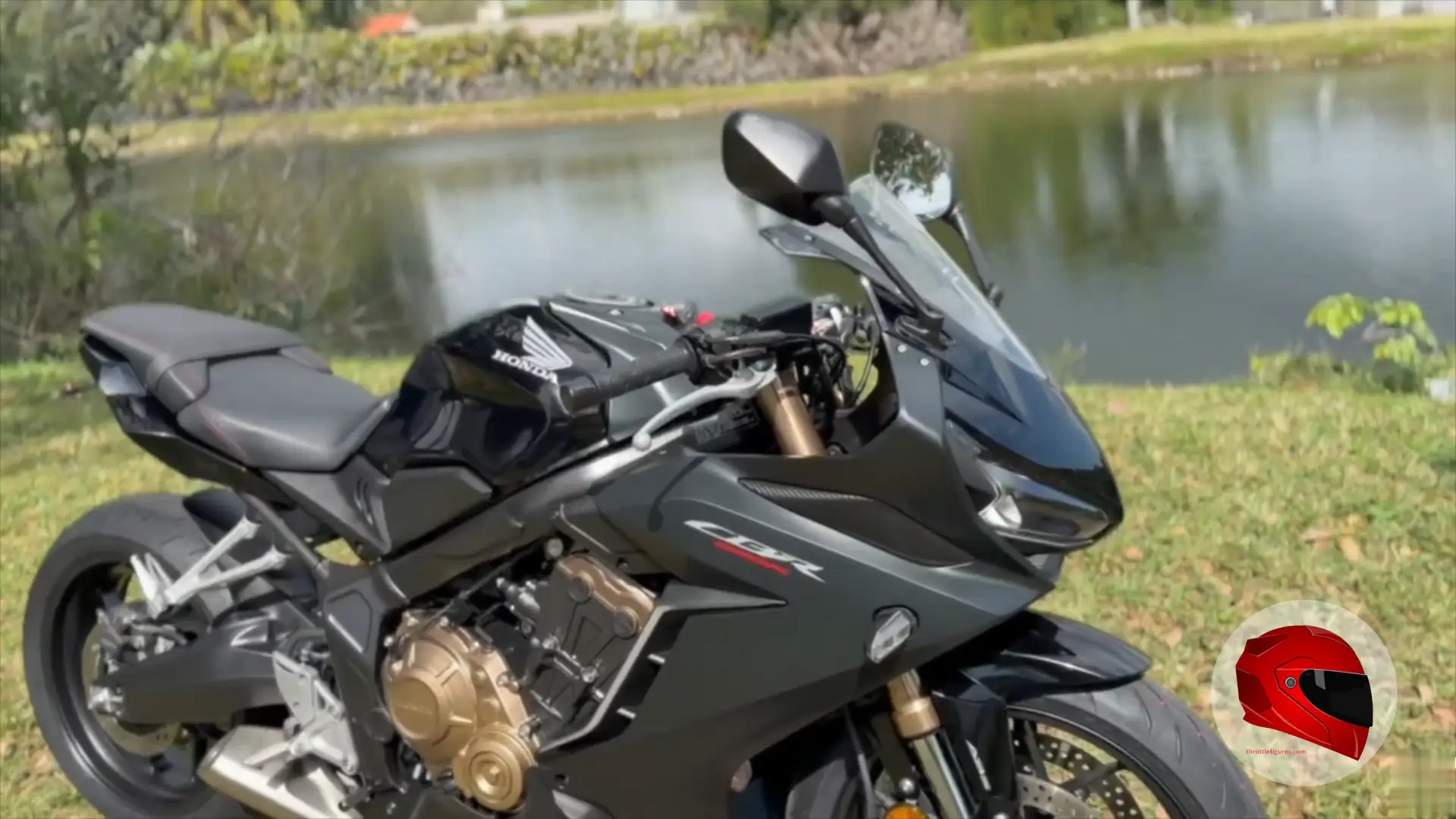
The CBR650R is more comfortable for commuting, sport touring and repeated low-speed riding. Its higher handlebars and lower rearsets create a more upright posture, which reduces wrist pressure in traffic, parking lots and longer road sections. The 31.9-inch seat also helps shorter riders reach the ground.
The CBR600RR puts the rider farther forward, with low clip-ons and high rearsets. That position supports aggressive cornering and keeps the rider connected to the front tire, but it places more weight on the wrists and bends the knees more sharply. Its 32.4-inch seat is only slightly taller than the CBR650R’s, although the riding position makes the motorcycle feel much more specialized.
Passenger use also favors the CBR650R. It is better suited to two-up riding and everyday carrying, while the CBR600RR prioritizes the rider’s position and track clearance. The CBR650R’s heavier 466-pound curb weight is noticeable during slow maneuvers, but its predictable engine response makes street riding less demanding.
Track performance and handling
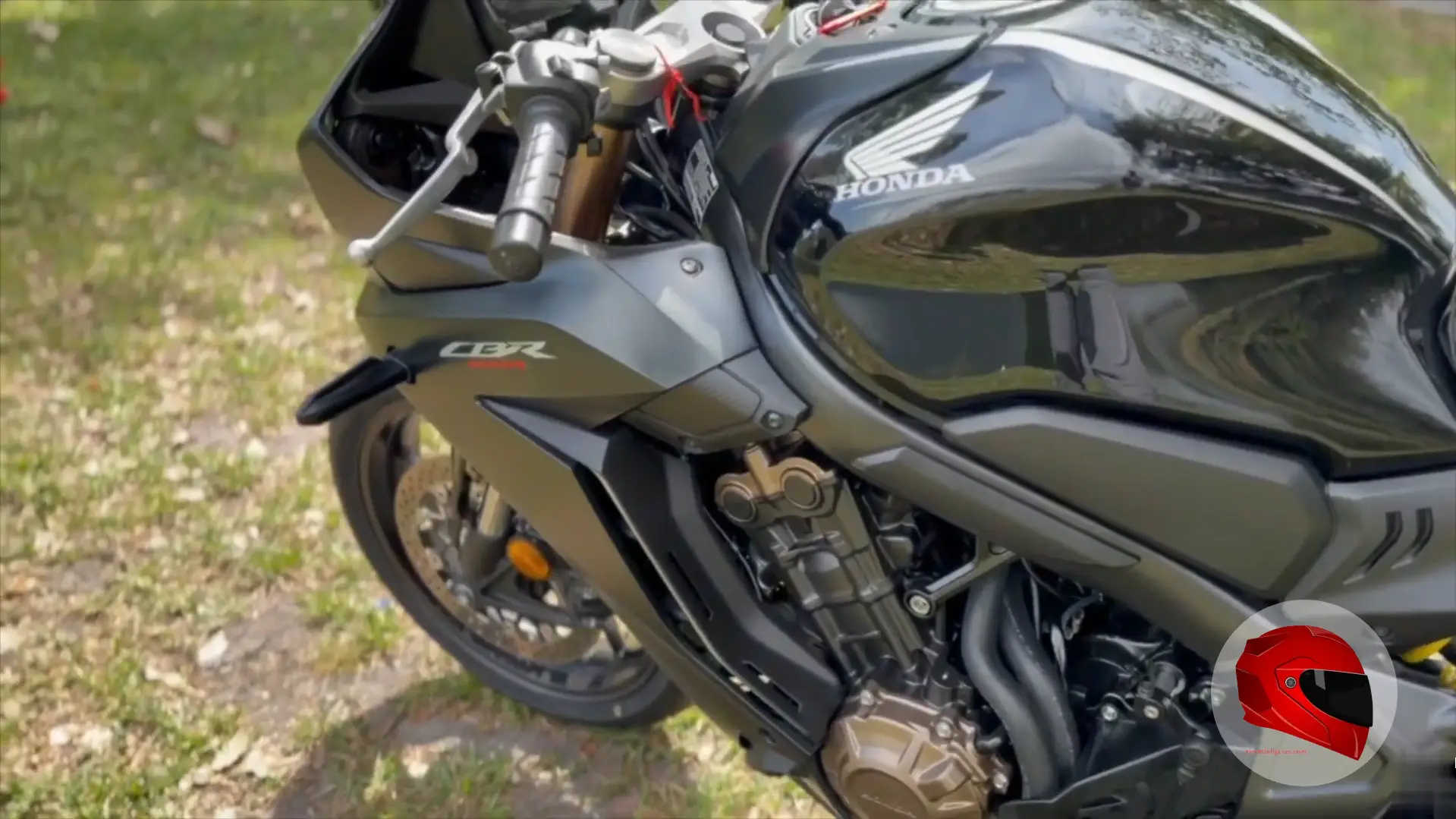
The CBR600RR has the chassis and equipment advantage for track days. Its aluminum twin-spar frame, lower 419-pound non-ABS weight, fully adjustable Showa rear shock and Honda Unit Pro-Link rear suspension support hard braking, rapid direction changes and repeated corner exits. The Honda Unit Pro-Link system is race-derived and is not fitted to the CBR650R.
Both motorcycles use a 41mm inverted Showa SFF-BP fork, so their front-end hardware starts from a similar foundation. The rear suspension is different: the CBR600RR has a fully adjustable shock, while the CBR650R uses a preload-adjustable monoshock intended for normal road loads and occasional spirited riding.
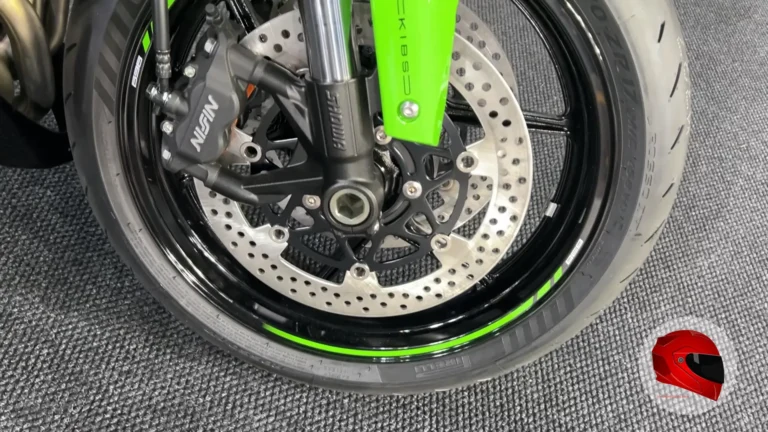
The braking hardware reflects the CBR600RR’s track-oriented design. It uses Tokico radial-mounted four-piston front calipers with 310mm discs, plus a 220mm rear rotor with a single-piston sliding caliper. The CBR650R uses Nissin radial-mount four-piston front calipers and a single 240mm rear disc, a capable street setup with less track-focused specification.
The CBR650R remains effective on winding public roads. Its steel twin-spar frame, smoother midrange and more forgiving posture make it easier to ride consistently away from a circuit. For riders who spend most of the year on ordinary roads, the CBR600RR’s extra capability can be difficult to use without accepting its comfort and running-cost compromises.
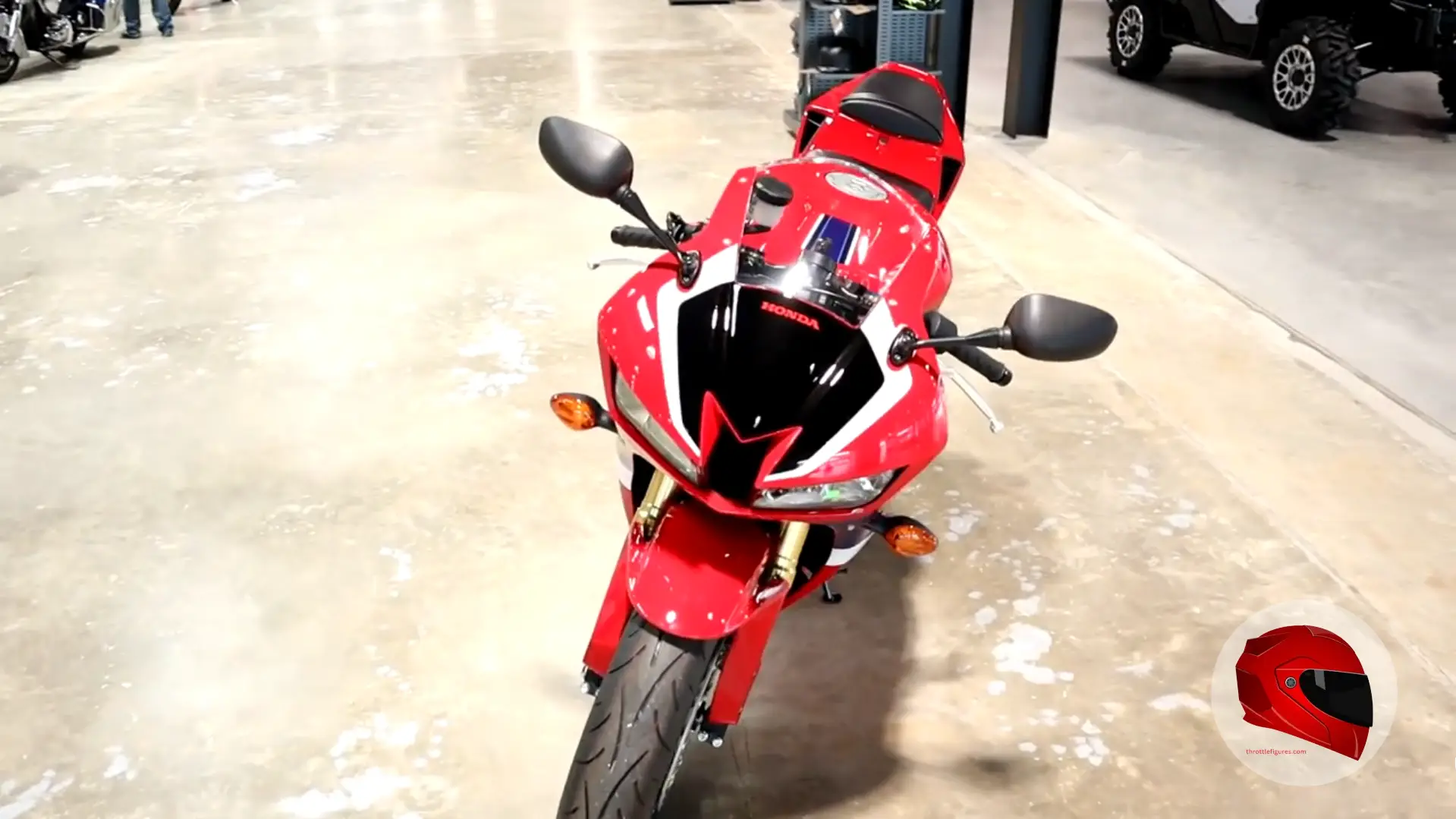
Technology and equipment
The CBR600RR has the more extensive electronic package. Its equipment includes riding modes, traction control, wheelie control, cornering ABS, a five-axis IMU and an electronic steering damper. These systems manage acceleration, braking and chassis behavior as grip conditions change, particularly during aggressive riding.
Both motorcycles have Honda Selectable Torque Control, commonly called Honda HSTC, and both use six-speed manual transmissions. The CBR650R has simpler electronics, with HSTC as its primary rider aid. An optional Honda E-Clutch system is available for the CBR650R, reducing the need to operate the clutch lever during starts, stops and gear changes.
Honda E-Clutch suits stop-and-go traffic and riders who want easier clutch control without giving up a conventional manual transmission. It does not turn the CBR650R into an automatic motorcycle. The CBR600RR’s electronics focus on lap-time control, while the CBR650R’s optional system addresses everyday convenience.
Price and ownership costs
The CBR650R has the lower entry price at $9,199, plus a $600 destination charge. The CBR600RR starts at $11,499, also before the $600 destination charge, while the ABS version costs $12,499 before destination. Dealer documentation, registration, taxes, financing costs, accessories and freight-related charges can raise the final transaction price.
The CBR600RR can also cost more to own after the purchase. Its supersport classification generally brings higher insurance costs, while performance-oriented tires may cost more and wear faster during aggressive riding.
The CBR650R’s 649cc engine is less highly stressed in normal road use and produces its torque at lower rpm. Its valve inspection interval is typically 16,000 miles. Actual maintenance totals depend on mileage, riding conditions, labor rates, tire choice and whether the motorcycle is used on a circuit, so the purchase-price gap is only part of the budget.
Purchase price is only part of the decision. The CBR600RR may cost more to insure, wear through tires faster, and require more expensive riding gear than the CBR650R. Including these ongoing expenses gives you a clearer picture of motorcycle ownership costs than comparing the Hondas by MSRP alone.
How to buy in the United States
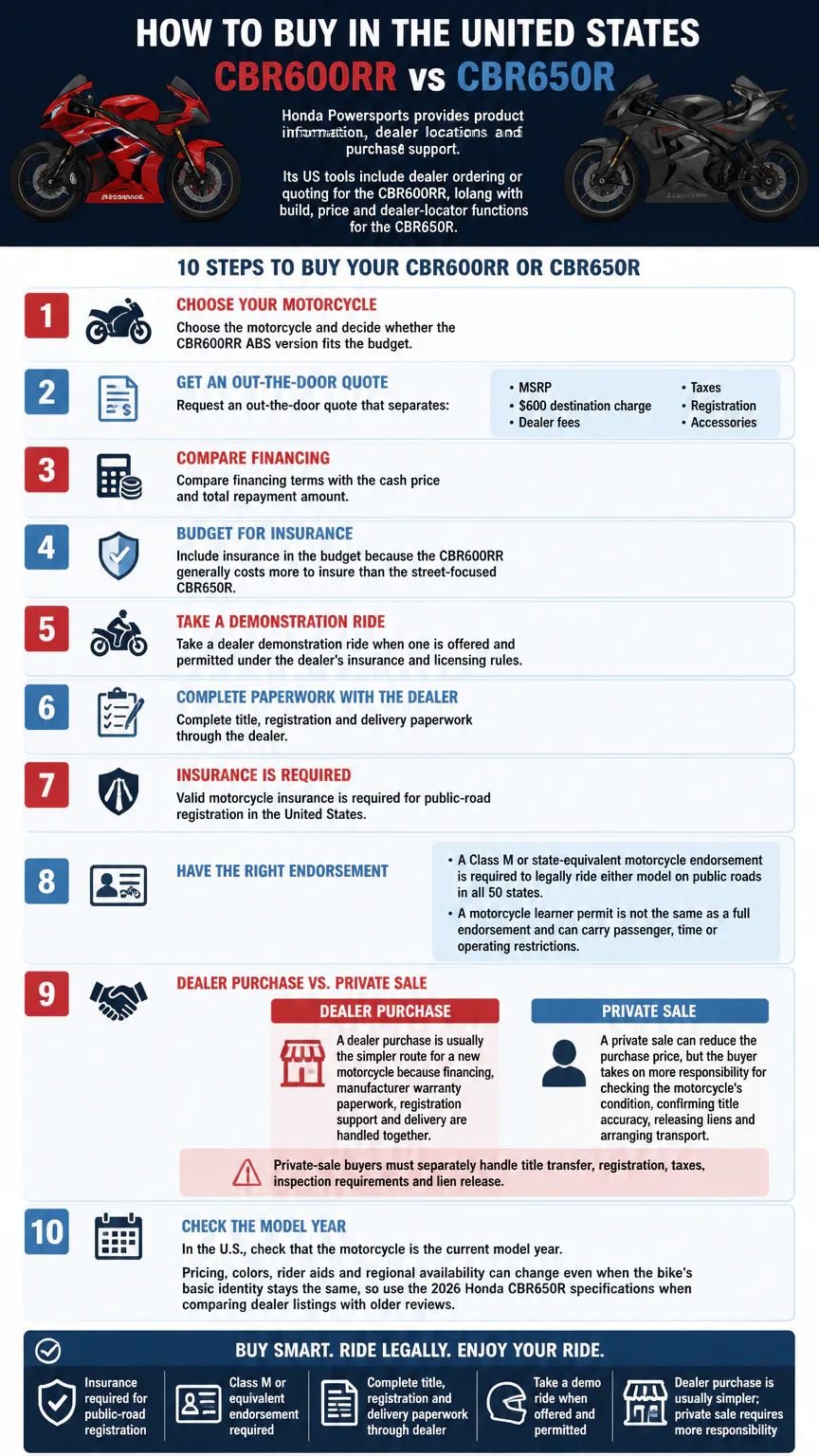
Honda Powersports provides product information, dealer locations and purchase support. Its US tools include dealer ordering or quoting for the CBR600RR, along with build, price and dealer-locator functions for the CBR650R.
- Choose the motorcycle and decide whether the CBR600RR ABS version fits the budget.
- Request an out-the-door quote that separates MSRP, the $600 destination charge, dealer fees, taxes, registration and accessories.
- Compare financing terms with the cash price and total repayment amount.
- Include insurance in the budget because the CBR600RR generally costs more to insure than the street-focused CBR650R.
- Take a dealer demonstration ride when one is offered and permitted under the dealer’s insurance and licensing rules.
- Complete title, registration and delivery paperwork through the dealer.
- Valid motorcycle insurance is required for public-road registration in the United States.
- A Class M or state-equivalent motorcycle endorsement is required to legally ride either model on public roads in all 50 states.
- A motorcycle learner permit is not the same as a full endorsement and can carry passenger, time or operating restrictions.
- Private-sale buyers must separately handle title transfer, registration, taxes, inspection requirements and lien release.
A dealer purchase is usually the simpler route for a new motorcycle because financing, manufacturer warranty paperwork, registration support and delivery are handled together. A private sale can reduce the purchase price, but the buyer takes on more responsibility for checking the motorcycle’s condition, confirming title accuracy, releasing liens and arranging transport.
In the U.S., check that the motorcycle is the current model year. Pricing, colors, rider aids and regional availability can change even when the bike’s basic identity stays the same, so use the 2026 Honda CBR650R specifications when comparing dealer listings with older reviews.
Which CBR should you buy?
- Choose the Honda CBR600RR for track days, aggressive cornering, high-rpm power, lighter handling and advanced rider aids.
- Choose the Honda CBR650R for commuting, road trips, weekend twisties, passenger use and a more relaxed riding position.
- Choose the CBR600RR ABS if you want the supersport chassis with added braking assistance and accept the higher price.
- Choose the CBR650R with Honda E-Clutch if frequent traffic and stop-and-go riding make clutch operation a concern.
An experienced rider who already knows that track performance is the priority will get more from the CBR600RR. Its high-revving engine, lower weight, adjustable rear suspension, stronger electronics package and aggressive controls are meaningful advantages on a circuit.
The CBR650R is the better fit when the motorcycle needs to work every day. It has enough power for fast road riding, reaches its torque peak earlier, costs less to buy, carries a passenger more effectively and puts less strain on the rider during ordinary miles.
FAQs
Is the CBR600RR the slowest 600?
No. “600” motorcycles differ widely in engine tune, gearing, weight and market specification. The CBR600RR is a high-performance supersport, and its approximately 119 horsepower places it well above many less specialized 600cc motorcycles.
What is faster, the R7 or CBR650R?
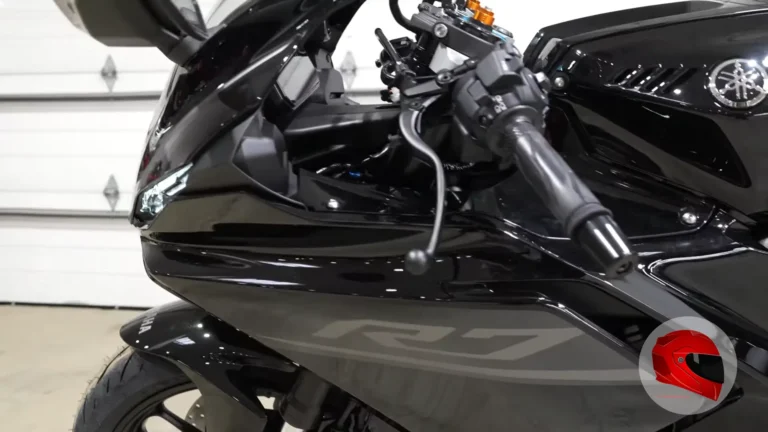
The CBR650R has the higher peak-power figure and an inline-four engine, while the Yamaha R7 uses a smaller-displacement parallel-twin. The exact result depends on gearing, rider, launch and conditions, but the CBR650R has the stronger top-end performance specification.
What does 600 versus 650 mean on these Hondas?
The number refers primarily to engine displacement, not overall performance. The CBR650R has a larger 649cc engine, but the CBR600RR produces more horsepower because its 599cc inline-four is tuned to rev higher and the motorcycle weighs substantially less.
Can a new rider legally ride either Honda?
Legal public-road operation requires a Class M or state-equivalent motorcycle endorsement in all 50 states. A new rider must also meet the applicable state training, testing, permit, insurance and registration requirements before riding independently.
Conclusion
Buy the CBR650R for practical street riding, comfort, passenger use and lower ownership costs. Choose the CBR600RR when track performance, low weight, high-rpm power and advanced electronics matter more than comfort and budget.