Kawasaki Ninja 300: Complete Specs, History and Comparisons
Disclaimer: Performance figures may vary depending on factors such as rider, road and weather conditions, vehicle condition, and testing methods. Figures are provided for informational purposes only.
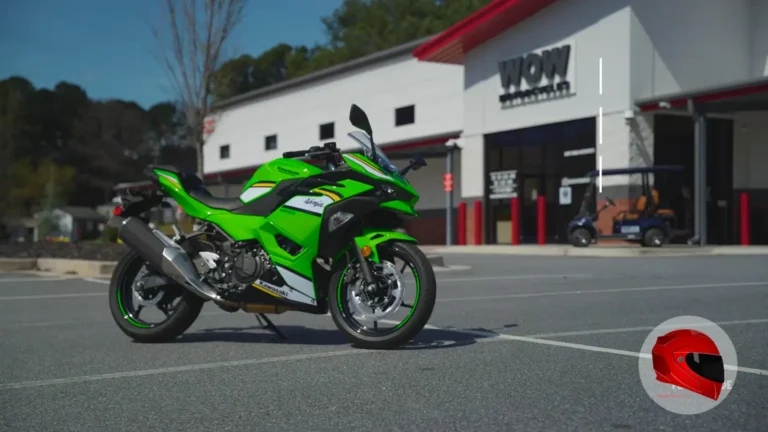
Buying a Kawasaki Ninja 300 in the United States involves more than comparing engine sizes and asking prices. The EX300 has approachable dimensions and a high-revving parallel-twin engine, but age, title status, maintenance, insurance and model-year availability all affect its value. The main choice is whether its manageable performance and low seat height matter more to you than the stronger acceleration and newer equipment found on competing lightweight sport bikes.
Kawasaki Ninja 300 Specifications
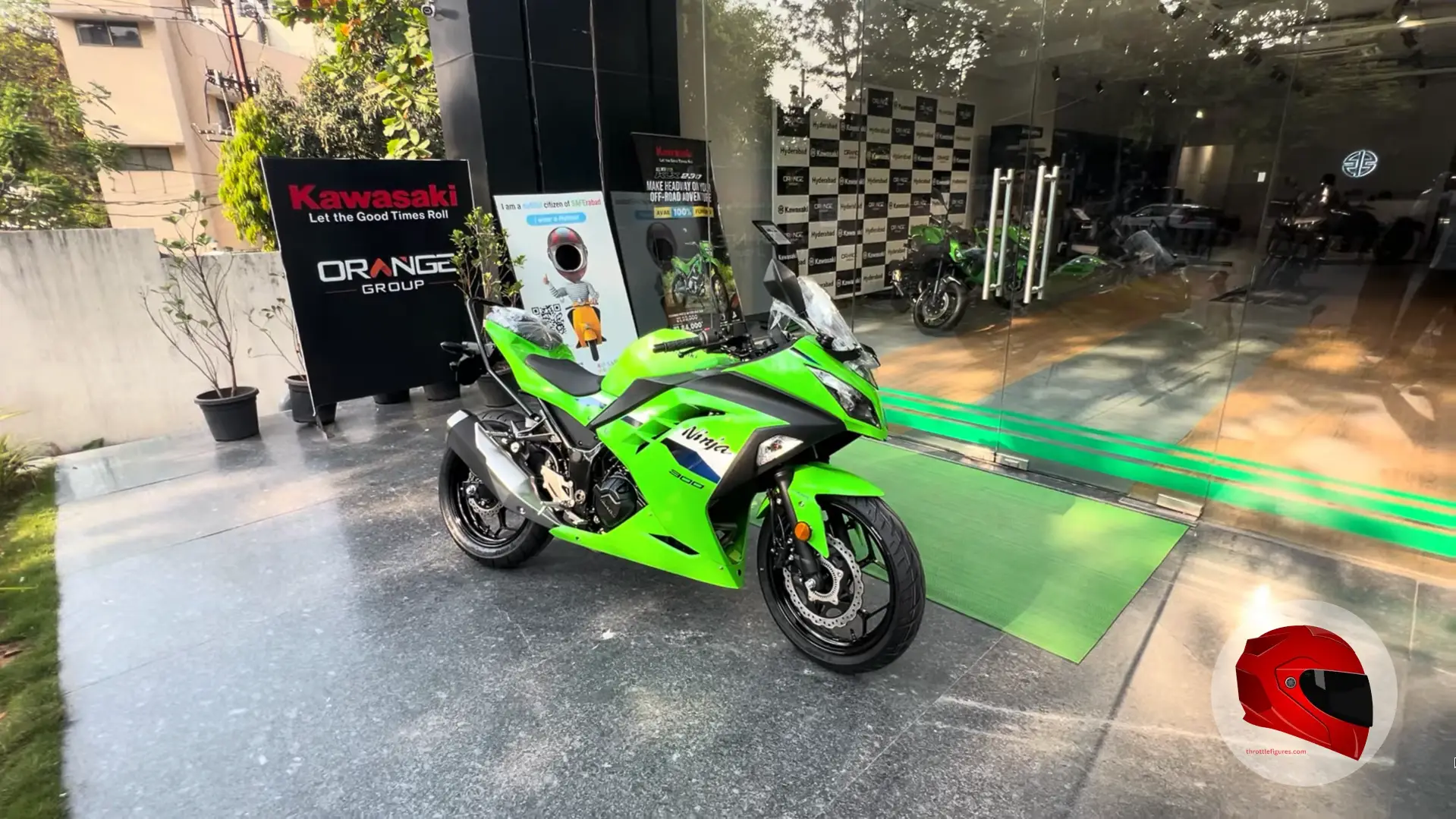
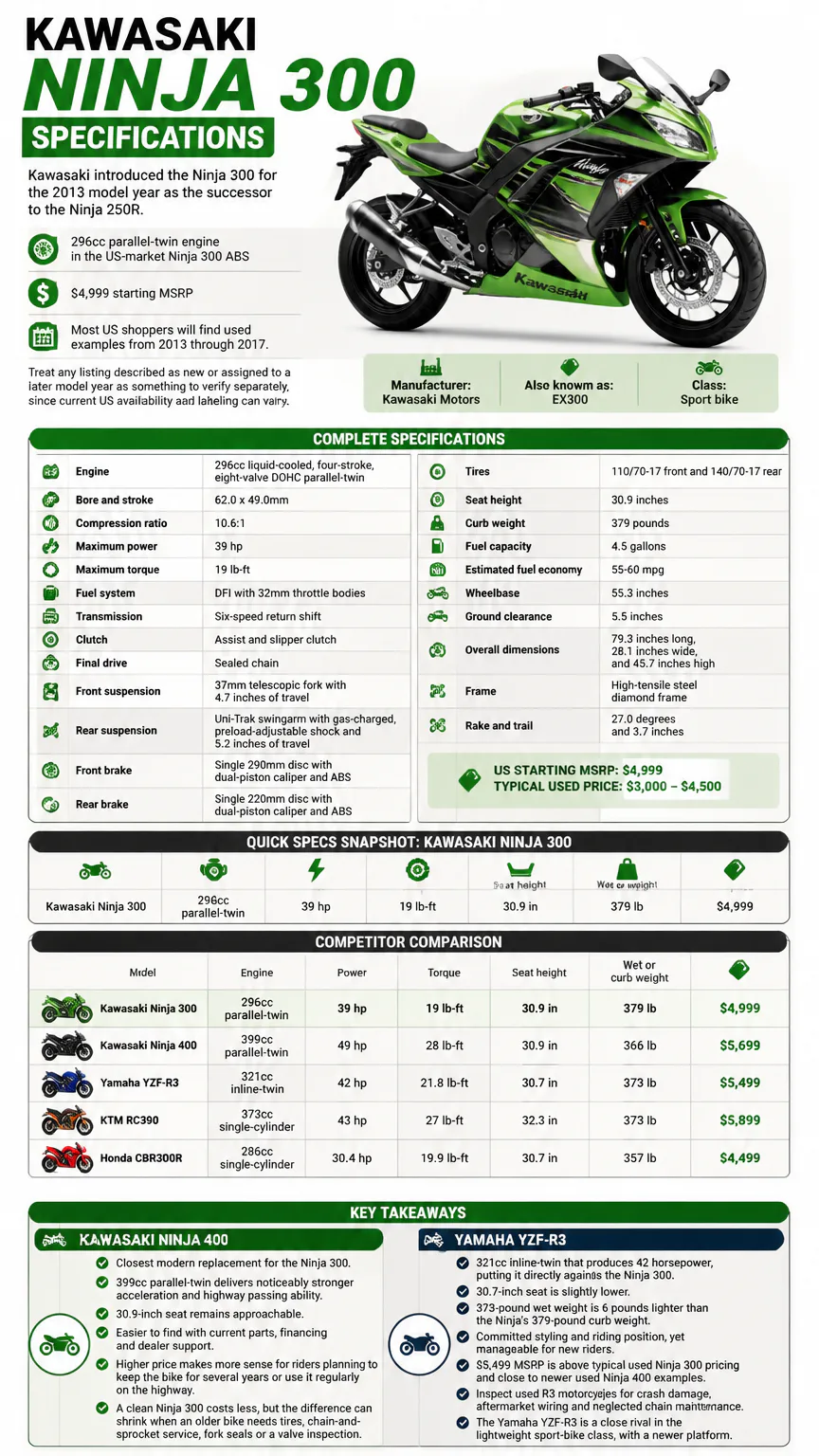
Kawasaki introduced the Ninja 300 for the 2013 model year as the successor to the Ninja 250R. The US-market Ninja 300 ABS uses a 296cc parallel-twin engine and had a $4,999 starting MSRP. Most US shoppers will find used examples from 2013 through 2017. Treat any listing described as new or assigned to a later model year as something to verify separately, since current US availability and labeling can vary.
| Group | Ninja 300 (US ABS) |
|---|---|
| Identity | Kawasaki Motors · EX300 · Sport bike |
| Engine | 296cc DOHC parallel-twin · 62.0×49.0 mm · 10.6:1 · 39 hp · 19 lb-ft · DFI 32mm |
| Drivetrain | 6-speed · assist/slipper clutch · sealed chain |
| Chassis | 37mm fork / Uni-Trak · 290/220mm ABS discs · 110/70-17 & 140/70-17 · steel diamond frame |
| Size & cost | Seat 30.9 in · 379 lb · 4.5 gal · ~55–60 mpg · used $3,000–$4,500 |
| Model | Engine | Power | Torque | Seat height | Wet or curb weight | US price |
|---|---|---|---|---|---|---|
| Kawasaki Ninja 300 | 296cc parallel-twin | 39 hp | 19 lb-ft | 30.9 in | 379 lb | $4,999 |
| Kawasaki Ninja 400 | 399cc parallel-twin | 49 hp | 28 lb-ft | 30.9 in | 366 lb | $5,699 |
| Yamaha YZF-R3 | 321cc inline-twin | 42 hp | 21.8 lb-ft | 30.7 in | 373 lb | $5,499 |
| KTM RC390 | 373cc single-cylinder | 43 hp | 27 lb-ft | 32.3 in | 373 lb | $5,899 |
| Honda CBR300R | 286cc single-cylinder | 30.4 hp | 19.9 lb-ft | 30.7 in | 357 lb | $4,499 |
Kawasaki Ninja 400
The Ninja 400 is the closest modern replacement for the Ninja 300. Its 399cc parallel-twin delivers noticeably stronger acceleration and highway passing ability, while the 30.9-inch seat remains approachable. It is a good fit for riders who want a lightweight sport bike that will continue to feel useful as their experience grows.
The newer model is generally easier to find with current parts, financing and dealer support. Its higher purchase price makes more sense for riders planning to keep the bike for several years or use it regularly on the highway. A clean Ninja 300 costs less, but the difference can shrink when an older bike needs tires, chain-and-sprocket service, fork seals or a valve inspection.
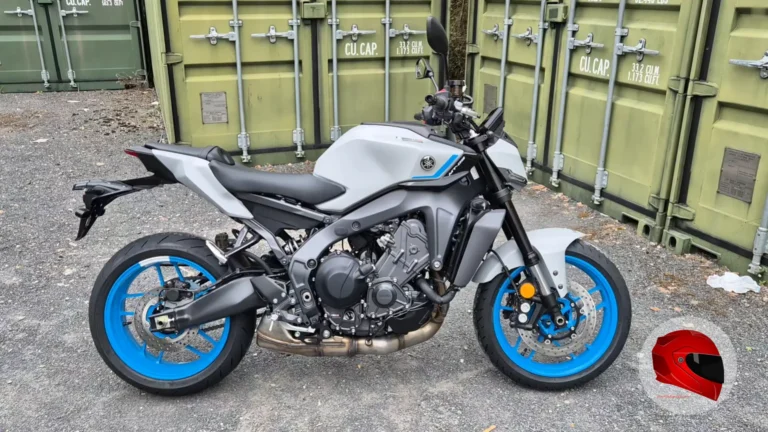
Yamaha YZF-R3
The Yamaha YZF-R3 uses a 321cc inline-twin that produces 42 horsepower, putting it directly against the Ninja 300 on performance. Its 30.7-inch seat is slightly lower, and its 373-pound wet weight is 6 pounds lighter than the Ninja’s 379-pound curb weight. Those dimensions suit shorter riders and commuters who want a compact sport-bike layout.
The R3 has more committed styling and riding position than a standard commuter motorcycle, but it remains manageable for new riders. Its $5,499 MSRP is above typical used Ninja 300 pricing and close to newer used Ninja 400 examples. Inspect used R3 motorcycles for crash damage, aftermarket wiring and neglected chain maintenance.
The Yamaha YZF-R3 is a close rival in the lightweight sport-bike class, with a newer platform and similar everyday versatility. Comparing engine output, rider aids, equipment and purchase price helps show whether the Ninja 300’s lower used-market cost comes from its age, its capabilities, or both. The broader Yamaha specs and price context also helps put that choice in perspective.
KTM RC390
The KTM RC390 is the most performance-focused motorcycle in this group. Its 373cc single-cylinder engine produces 27 lb-ft of torque, and its equipment includes adjustable WP Apex suspension, cornering ABS and traction control. The engine has stronger midrange response than the Ninja 300, but its single-cylinder vibration and sharper ergonomics suit riders who want a more concentrated sport-bike experience.
Its 32.3-inch seat is taller than the other listed alternatives, which can make low-speed stops less comfortable for shorter riders. The $5,899 MSRP also puts it at the top of this comparison. The RC390 suits riders who prioritize chassis equipment and energetic back-road performance, while the Ninja 300 is easier to approach as a first motorcycle and costs less to enter.
Honda CBR300R
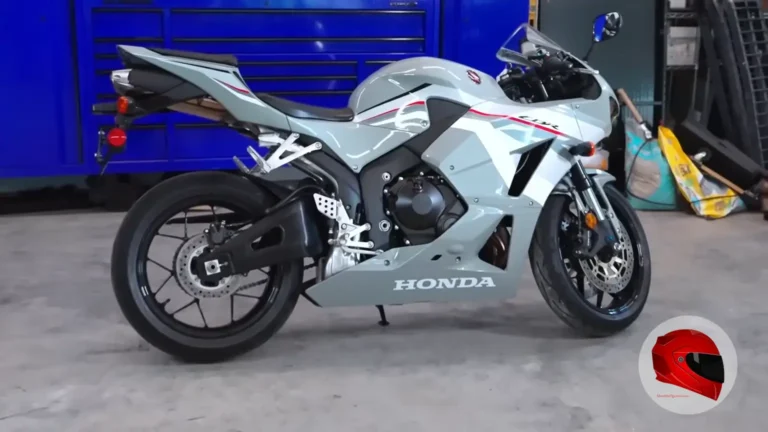
The Honda CBR300R is a commuter-oriented sport bike powered by a 286cc single-cylinder engine. Its $4,499 MSRP is below the listed Ninja 300 reference price, and its 357-pound weight is lower as well. The 30.7-inch seat height gives newer riders accessible ergonomics.
The Honda’s single-cylinder layout is simple and economical, but it does not have the Ninja’s smooth, high-revving parallel-twin character. It suits urban commuting, training and riders who prefer uncomplicated operation to sustained highway performance. Choose the Ninja 300 if smoother acceleration and a more substantial sport-bike engine matter more.
Requirements and context
Nearly every Ninja 300 purchase in the United States is a used-bike transaction. The model was broadly sold from 2013 through 2017 before the Ninja 400 replaced it in markets where the newer model launched. Kawasaki Heavy Industries remains the Japanese parent conglomerate, while Kawasaki Motors became a separate, independent wholly owned subsidiary in October 2021.
Online listings can expand the search area, but they do not replace an inspection or paperwork review. Cycle Trader is useful for dealer and national inventory, while Facebook Marketplace is commonly used for local private-party listings. Dealer prices may not include setup, documentation, freight, financing or sales tax.
- Match the VIN on the frame and title.
- Confirm that the seller’s name matches the title.
- Check for a clean title and a lien release when a lender appears on the document.
- Obtain a bill of sale showing the purchase price, VIN, date, and buyer and seller names.
- Run the VIN through the Kawasaki Safety Recall Lookup and check open motorcycle recalls with the NHTSA database.
- Arrange motorcycle insurance before riding the bike on public roads.
- Complete state registration, taxes, title transfer and motorcycle endorsement requirements.
When possible, evaluate slow turns, stop-and-go traffic and freeway-merging performance before buying. Inspect cold-start behavior, exhaust smoke, oil leaks, steering-head play, fork seals, brake operation, tire date codes, chain adjustment and signs of fairing or frame damage. Ask for a cold inspection in advance because warming the engine can hide hard starting or excessive noise.
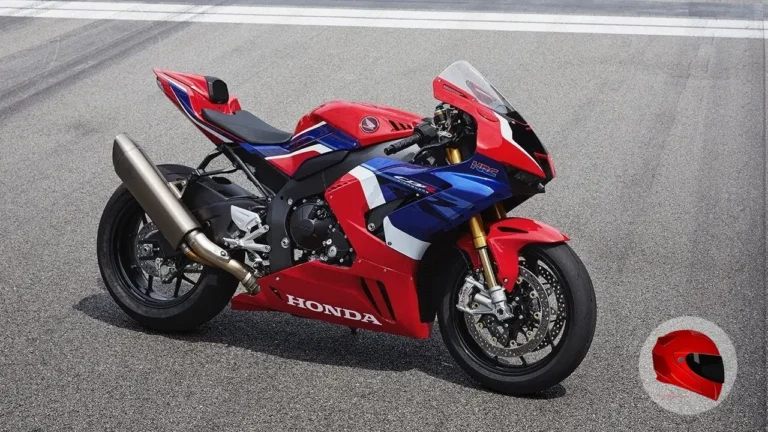
The Ninja 300’s manageable power, upright riding position and forgiving handling suit learning on public roads. It is less about chasing lap times than riding a machine with advanced electronics, an aggressive position and track-level performance, such as the Ducati Panigale performance profile, which also demands more money and responsibility.
Where to Find a Ninja 300
Search Cycle Trader by ZIP code for nearby dealer inventory, then expand the distance when local results are limited. On Facebook Marketplace, set a location radius for private-party listings. Local Kawasaki dealers may also know about used inventory, trade-ins and motorcycles awaiting inspection or preparation.
- Filter results by model year, distance, price, mileage and ABS equipment.
- Check the listing details for the VIN, seller location, title status, mileage and stated condition.
- Ask the seller to confirm that the motorcycle is still available before arranging travel or sending money.
- Request current photos, maintenance records and a cold-start video when the listing lacks detail.
- Compare the advertised price with taxes, documentation, freight, setup and delivery charges on dealer listings.
A motorcycle may remain online after it has sold or while a dealer changes its status. Treat availability as unconfirmed until the seller verifies it and the VIN and location match the advertisement.
How to buy a Ninja 300 online
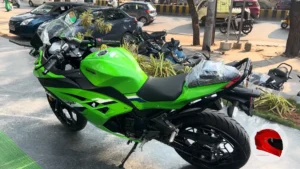
Online shopping is useful for narrowing the search before money changes hands. Compare condition and location through the listing, then verify the VIN, arrange an in-person inspection and complete the paperwork securely.
- Search Cycle Trader for dealer inventory and Facebook Marketplace for local private listings.
- Request the VIN, title status, mileage, maintenance records and a cold-start video.
- Compare the VIN with the title and run recall checks before arranging payment.
- Inspect the motorcycle or hire an independent motorcycle technician near the seller.
- Use a written purchase agreement and confirm the payment method before signing.
- Arrange shipping with a documented pickup and delivery condition report when the motorcycle is not local.
- Collect the signed title, lien release when required, bill of sale, keys and service records.
- Insure, title, register and inspect the motorcycle under your state’s rules before riding it.
Do not send a deposit simply because a listing claims that other buyers are waiting. A remote purchase should include a verifiable seller identity, matching paperwork, a clear inspection arrangement and payment protection appropriate to the transaction.
Used Ninja 300 model-year checklist
- Confirm the motorcycle’s model year and record its VIN before comparing listings.
- Enter the VIN in Kawasaki’s Safety Recall Lookup to identify outstanding safety recalls.
- Check the VIN against the NHTSA recall database for open motorcycle recalls.
- Ask for maintenance records, including evidence of break-in service and subsequent oil changes.
- Compare the seller’s claimed mileage with the service history and the motorcycle’s overall condition.
- Arrange a cold inspection so you can assess the engine’s starting behavior before it is warmed up.
Which Ninja 300 years are best?
All US Ninja 300s share the same 296cc platform. Buy the cleanest bike with complete paperwork — not the newest year by default.
- Best starting point: a well-maintained 2016–2017 ABS bike with valve service records and a healthy charging system.
- Good value: a documented 2014–2015 example often costs less while offering the same core engine and chassis.
- Buy carefully: early 2013 bikes can be excellent if recalls are complete and wear items are fresh; skip any year with crash damage, unresolved liens or no service history.
Priority checks on every example: charging voltage under load, fork seals, steering-head play, clutch engagement, coolant leaks, tire date codes, brake condition, fairing/frame crash marks and careless aftermarket wiring.
Ownership realities and common issues
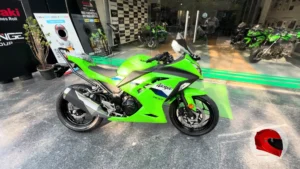
Expect a used Ninja 300 to need consumables soon after purchase even when it runs fine. Budget for tires, chain and sprockets, brake pads/fluid, fork seals and a battery before celebrating the purchase price.
- Charging system / battery: Weak batteries and corroded grounds are common on older garage queens. Confirm stable charging voltage with the engine running and accessories on.
- Valve clearance: Kawasaki specifies periodic valve inspection. Missing records are a negotiation point; budget a shop inspection if none exist.
- Fork seals and steering head: Leaking seals and notchy steering bearings show up after neglected street use or crash repairs.
- Fairing and frame damage: Check for mismatched panels, cracked mounts, bent levers and hidden frame scrapes near the engine and swingarm.
- ABS vs non-ABS: Prefer ABS for a first bike when you can find it. Confirm the ABS light cycles normally and that both brake circuits feel firm.
- Running costs: Fuel economy is typically strong (about 55–60 mpg). Get insurance quotes with the exact VIN before buying.
Owners who stay on top of chain adjustment, oil changes and tire age usually find the EX300 a low-drama daily trainer. Neglect shows up quickly as chatter, hard starting or unstable electrics.
FAQs
Is the Kawasaki Ninja 300 still available in 2026?
The Ninja 300 was replaced by the Ninja 400 in markets where the newer model launched, so most US searches focus on used 2013-2017 motorcycles. The US-market Ninja 300 ABS had a $4,999 starting MSRP, which makes model year and inventory status important when comparing bikes.
How much does a used Ninja 300 cost?
Typical US used pricing is $3,000–$4,500. Mileage, ABS equipment, service history, title condition, damage, regional demand and immediate maintenance needs can move the final price outside that range.
Is the Ninja 300 good for beginners?
Yes. Its 30.9-inch seat, predictable power delivery, manageable dimensions and ABS make it a suitable first sport bike. New riders still need formal training, protective gear and a motorcycle endorsement.
What does EX300 mean?
EX300 is Kawasaki’s model designation for the Ninja 300 family. The exact suffix can vary by market, equipment and model year.
How much does the Ninja 300 weigh?
The Ninja 300 has a listed curb weight of 379 pounds, including operating fluids and a full fuel tank.
Conclusion
The Kawasaki Ninja 300 remains a sensible used sport bike for riders who want a low seat, smooth twin-cylinder engine, ABS and reasonable operating costs. Look for the cleanest example with complete paperwork and documented maintenance, then compare its total purchase cost with a newer Ninja 400 or YZF-R3 before buying.

One Comment
Comments are closed.