Kawasaki Ninja 400 vs Yamaha R3: Performance, Comfort, and Value
Choosing between the Kawasaki Ninja 400 and Yamaha R3 comes down to engine character, riding position and whether you want to buy new or used. The Ninja 400 delivers stronger midrange power and is often the better used-bike value. The R3 rewards high-rev riding and remains a current Yamaha model in the United States. Rider height, freeway use, training, insurance and the full out-the-door cost all matter before you buy.
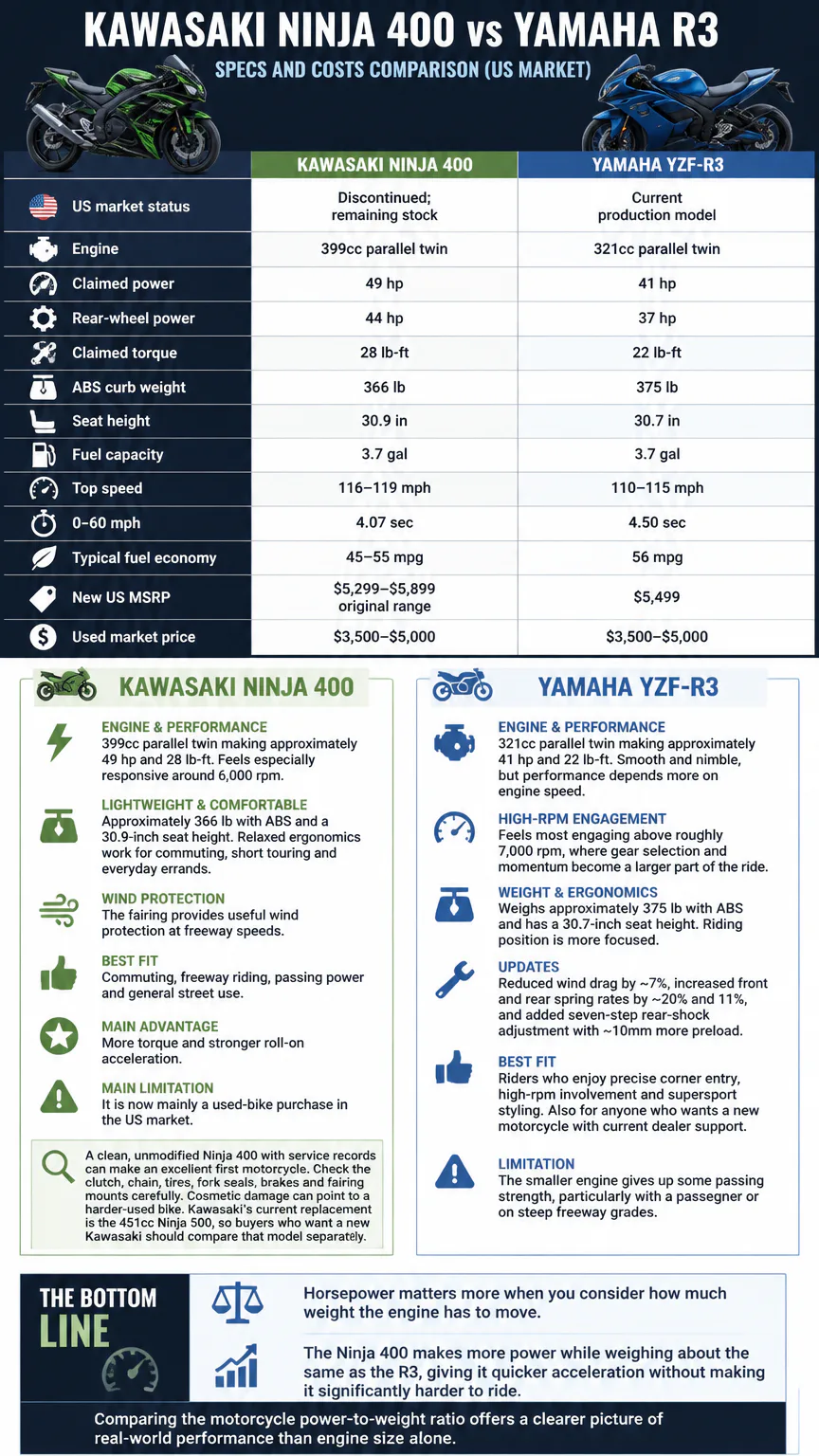
Ninja 400 vs R3 Specs and Costs
| Attribute | Kawasaki Ninja 400 | Yamaha YZF-R3 |
|---|---|---|
| US market status | Discontinued; remaining stock | Current production model |
| Engine | 399cc parallel twin | 321cc parallel twin |
| Claimed power | 49 hp | 41 hp |
| Rear-wheel power | 44 hp | 37 hp |
| Claimed torque | 28 lb-ft | 22 lb-ft |
| ABS curb weight | 366 lb | 375 lb |
| Seat height | 30.9 in | 30.7 in |
| Fuel capacity | 3.7 gal | 3.7 gal |
| Top speed | 116–119 mph | 110–115 mph |
| 0–60 mph | 4.07 sec | 4.50 sec |
| Typical fuel economy | 45–55 mpg | 56 mpg |
| New US MSRP | $5,299–$5,899 original range | $5,499 |
| Used market price | $3,500–$5,000 | $3,500–$5,000 |
Kawasaki Ninja 400
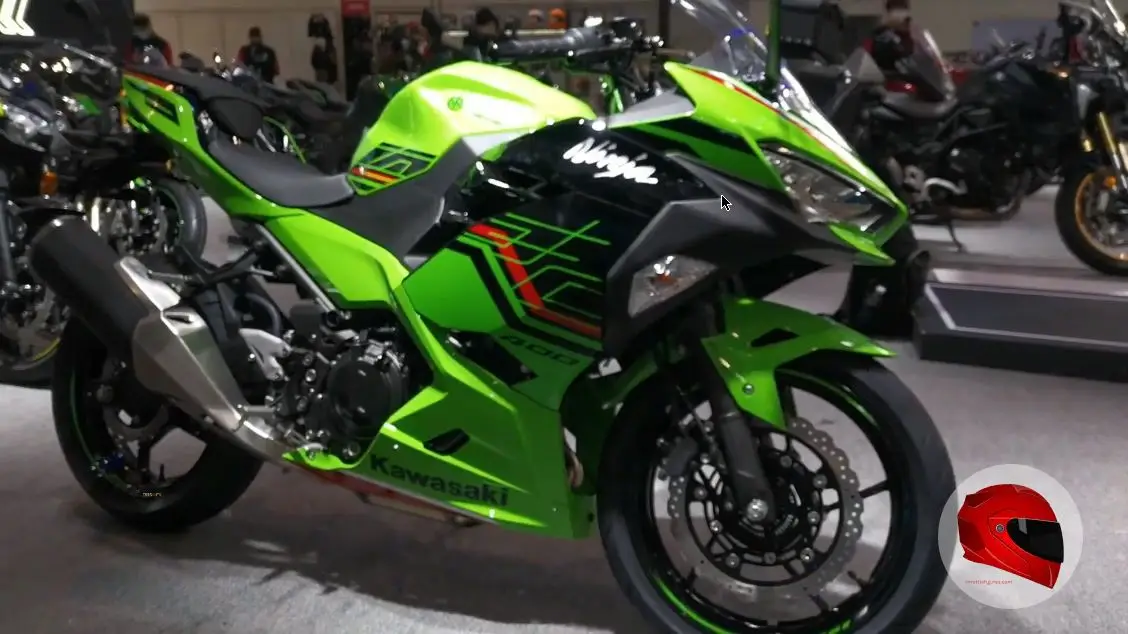
The Kawasaki Ninja 400 is the stronger all-purpose choice for riders who want easy acceleration without keeping the engine near the top of its rev range. Its 399cc parallel twin makes approximately 49 claimed horsepower and 28 lb-ft of claimed torque. The engine feels especially responsive around 6,000 rpm.
At approximately 366 pounds with ABS, the Ninja 400 is lighter than the R3 despite its larger engine. Its 30.9-inch seat suits many newer riders, while the relaxed sportbike ergonomics work for commuting, short touring and everyday errands. The fairing also provides useful wind protection at freeway speeds.
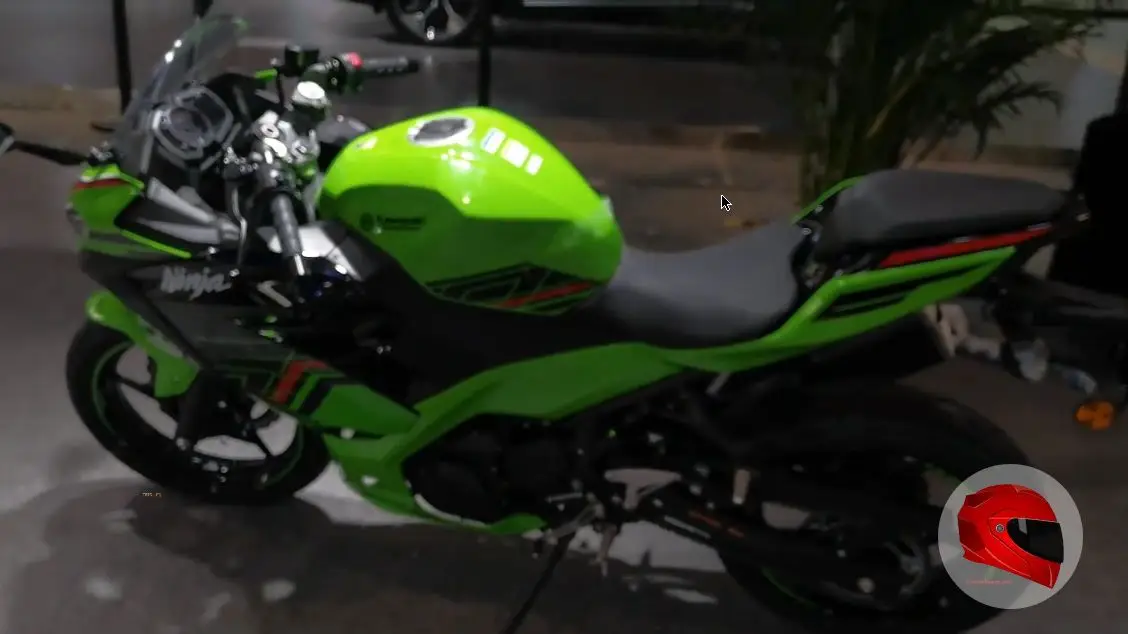
- Best fit: Commuting, freeway riding, passing power and general street use.
- Main advantage: More torque and stronger roll-on acceleration.
- Main limitation: It is now mainly a used-bike purchase in the US market.
A clean, unmodified Ninja 400 with service records can make an excellent first motorcycle. Check the clutch, chain, tires, fork seals, brakes and fairing mounts carefully. Cosmetic damage can point to a harder-used bike. Kawasaki’s current replacement is the 451cc Ninja 500, so buyers who want a new Kawasaki should compare that model separately.
Yamaha YZF-R3
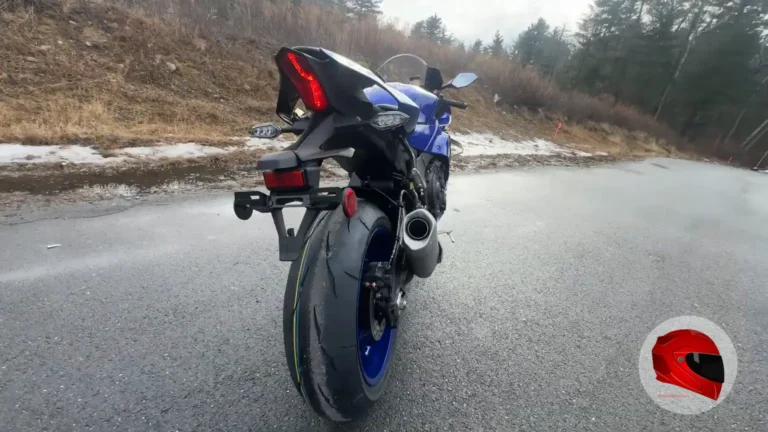
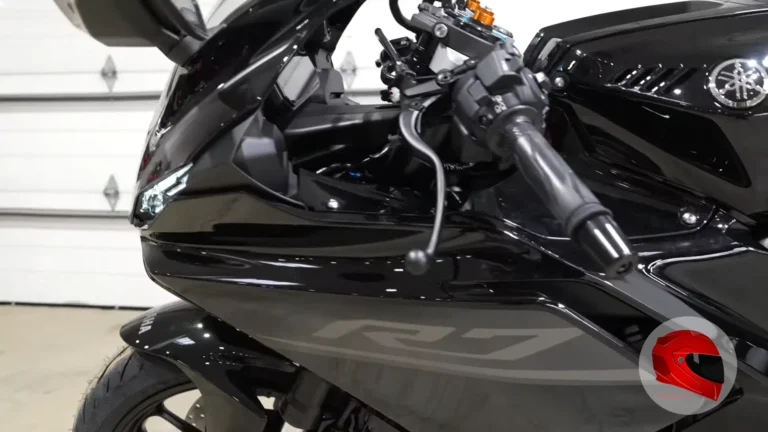
The Yamaha YZF-R3 uses a 321cc parallel twin that makes approximately 41 claimed horsepower and 22 lb-ft of claimed torque. It is smooth, compact and nimble, but its performance depends more on engine speed than the Ninja 400’s. The R3 feels most engaging above roughly 7,000 rpm, where gear selection and momentum become a larger part of the ride.
The ABS version weighs approximately 375 pounds and has a 30.7-inch seat height, making it slightly heavier and slightly lower than the Ninja 400. Its riding position is more focused, and its styling and chassis draw influence from Yamaha’s larger sportbikes. Updated versions reduced wind drag by approximately 7%, increased front and rear spring rates by approximately 20% and 11%, and added seven-step rear-shock adjustment with about 10mm more preload.
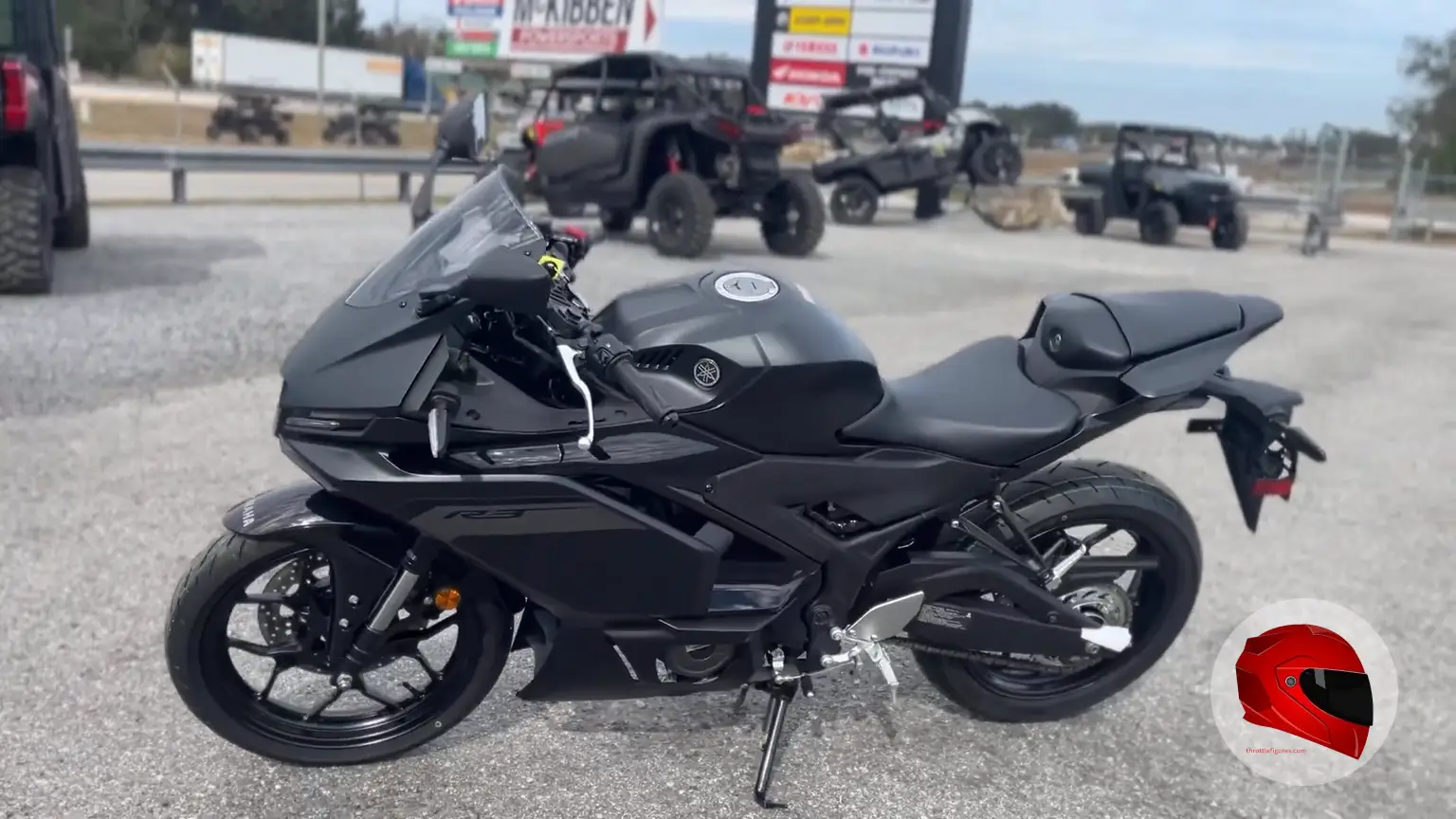
The R3 suits riders who enjoy precise corner entry, high-rpm involvement and supersport styling. It also makes sense for anyone who wants a new motorcycle with current dealer support. The smaller engine gives up some passing strength, particularly with a passenger or on steep freeway grades.
Horsepower matters more when you consider how much weight the engine has to move. The Ninja 400 makes more power while weighing about the same as the R3, giving it quicker acceleration without making it significantly harder to ride. Comparing the motorcycle power-to-weight ratio offers a clearer picture of real-world performance than engine size alone.
Comfort, fit, and ergonomics
The Ninja 400 and R3 have nearly identical seat heights: 30.9 inches for the Ninja and 30.7 inches for the R3. The R3’s slightly lower seat may help shorter riders reach the ground, while the Ninja 400’s lower weight makes it easier to handle at stops and in parking areas.
Both motorcycles use forward-leaning sportbike ergonomics, but the Ninja 400 generally feels more relaxed for daily street riding. The R3 has a more focused posture and suits riders who enjoy an active, high-revving riding style. Taller riders should compare knee bend, reach to the bars and seat room in person because seat height alone does not determine fit.
The Ninja 400 is better suited to frequent freeway travel, longer rides and occasional passenger use because its torque reduces repeated downshifts. Neither motorcycle is a spacious two-up tourer. The compact rear seat and sportbike posture limit passenger comfort on both models.
Handling, suspension, and brakes
The R3 has sharper initial steering response and a compact chassis that encourages precise corner entry. The Ninja 400 feels stable and predictable while remaining easy to turn, which may be more reassuring for a newer street rider or anyone carrying speed through unfamiliar bends.
The updated R3 has approximately 20% more front spring rate and 11% more rear spring rate, along with seven-step rear-shock adjustment and about 10mm more preload. That range helps accommodate different rider weights and basic setup changes, although neither stock suspension is a substitute for a properly selected aftermarket setup.
Good tires and correct tire pressures benefit both motorcycles. ABS adds a safety margin during emergency braking, but stopping distance and brake feel still depend on tire condition, the road surface, brake-pad condition and rider technique. The R3’s focused chassis suits beginner track days, while the Ninja 400’s predictable balance works well for spirited street riding.
Best bike for each type of riding
- Commuting: Choose the Ninja 400 for stronger low- and midrange torque and easier progress through traffic.
- Freeway use: Choose the Ninja 400 for more comfortable merging and passing.
- Twisty roads: Choose the R3 if you enjoy carrying momentum, selecting gears and using a responsive chassis.
- Beginner riding: Either model works. The Ninja is more forgiving with its torque, while the R3 teaches smooth gear selection and corner speed.
- Passenger use: Choose the Ninja 400 because its stronger engine handles the added weight more easily.
- Track days: Choose the R3 for its focused handling and adjustable rear shock, especially when learning lines and body position.
Yamaha Motorsports
Yamaha Motorsports is the place to locate a current Yamaha R3 and connect with an authorized dealer. A new-bike purchase includes current model-year availability, manufacturer-backed warranty coverage and access to formal financing or trade-in support.
The R3 has a US MSRP of approximately $5,499 before destination, setup, documentation, tax, registration and other dealer charges. Destination and setup commonly add approximately $1,000 to $1,500, so the advertised price is not the final cash price or financed amount.
Cycle Trader
Cycle Trader lets buyers compare dealer and private listings across multiple states. It can reveal price differences between low-mileage Ninja 400 motorcycles, current R3 inventory and bikes that already have accessories or modifications.
Listing price alone does not establish value. Add transportation, sales tax, registration, documentation and inspection costs before comparing bikes. Dealer delivery commonly costs approximately $150 to $500, while private motorcycle shipment can cost approximately $400 to $800. Ask for the VIN, title status, service records, a cold-start video and a complete fee sheet before placing a deposit.
Facebook Marketplace
Facebook Marketplace gives buyers access to local Ninja 400 and R3 sellers. Local purchases may reduce delivery costs and make an in-person inspection possible. Prices can be attractive, but check ownership documents, mechanical condition, liens, accident history and current registration yourself.
Meet in a safe public location, compare the seller’s identification with the title and wait to pay until the VIN and paperwork match. A low-speed drop may require only cosmetic parts, but bent controls, leaking forks, uneven tire wear or damaged frame mounts call for a lower valuation and closer inspection.
Requirements and context
Both motorcycles are freeway-legal, but state law requires a motorcycle endorsement or license. Rules differ across the United States. Many states accept an approved rider-training course in place of some or all of the road test, while others still require a knowledge exam, permit period or additional documentation.
The Motorcycle Safety Foundation Basic RiderCourse is a common option for new riders. It combines classroom instruction with supervised range exercises and usually provides the motorcycle used during training. The course can satisfy motorcycle licensing requirements or waive a riding test in participating states, but eligibility depends on the rules where you apply.
- Hold the motorcycle permit or endorsement required by your state.
- Check whether an approved course can waive the riding test.
- Budget approximately $600 to $1,000 for initial protective gear.
- Wear a properly fitted ECE/DOT-certified helmet, motorcycle jacket, gloves, riding pants and over-the-ankle boots.
- Get an insurance quote using the exact model year, trim, location, age, riding history and coverage limits.
The Ninja 500 is Kawasaki’s current replacement for the Ninja 400 and uses a 451cc engine. That does not make the Ninja 400 a poor used purchase, but it affects parts availability, new-bike warranty options and the price difference between a late-model used 400 and a new motorcycle.
Kawasaki Ninja 400 review
The Ninja 400’s main strength is its useful street performance. It makes approximately 44 rear-wheel horsepower and 28 lb-ft of claimed torque, giving it strong drive out of corners and relaxed acceleration in traffic. You can make progress without constant downshifts or clutch work.
That flexibility helps on city roads and freeways. The motorcycle is narrow and light at low speeds but still has enough performance for normal highway merging. Its 3.7-gallon tank and typical fuel economy of 45-55 mpg provide a useful range, although speed and traffic affect consumption.
Ownership costs are reasonable, but include maintenance in the purchase decision. Plan for oil changes approximately every 3,800 miles and a valve check approximately every 15,000 miles. A used example with an overdue valve inspection may need immediate service, which gives maintenance records real value.
Yamaha YZF-R3 review
The R3 is most rewarding when you carry speed through corners and keep the engine working in its upper range. Its lower torque output makes smooth gear selection more important on hills, two-lane roads and freeway entrances. That character creates a more active riding style.
Handling is a major reason to choose the Yamaha. The compact chassis changes direction easily, and the updated suspension gives the motorcycle a more focused platform for spirited street riding or beginner track days. Seven-step rear-shock adjustment lets you tune preload for load and preference, although it does not replace full aftermarket suspension adjustment.
The R3 also has a strong ownership case. Its typical fuel economy is approximately 56 mpg, its oil-change interval is approximately every 4,000 miles and its valve-check interval is approximately 26,600 miles. Tires, chain care, brake service and condition-based repairs still apply.
Which bike is faster?
The Kawasaki Ninja 400 is faster in straight-line performance. Its approximately 49 claimed horsepower, 28 lb-ft of claimed torque and 44 rear-wheel horsepower exceed the R3’s approximately 41 claimed horsepower, 22 lb-ft of torque and 37 rear-wheel horsepower. The difference is most noticeable during roll-on acceleration and freeway passing.
The Ninja 400 reaches 60 mph in approximately 4.07 seconds under favorable conditions. Its top speed is approximately 116-119 mph, compared with approximately 110-115 mph for the R3. Aerodynamics, rider weight, wind, gearing, tire condition, launch technique and testing method can change the result, so these figures are useful comparisons rather than guarantees.
The R3 can still be quick on a technical road because its responsive chassis rewards momentum and accurate lines. On a track, rider skill, tires, suspension setup and gearing may matter more than the displacement difference. For ordinary street use, the Ninja 400 has the clearer performance advantage.
A small acceleration advantage does not always translate into a clear lead on the street. Launch technique, tire grip, road surface, wind, fuel load and whether the clock starts from a true standstill can shift the result by several tenths of a second. Consistent motorcycle 0-60 measurement is therefore important when comparing the Ninja 400 and R3 instead of relying on one test number.
How to buy the right motorcycle
Compare the full purchase cost and the motorcycle’s condition, not just the listing price. A dealer purchase usually offers more structured paperwork and possible financing. A private sale may cost less, but it requires more inspection and administrative work.
- Set a total budget that includes tax, registration, dealer fees, delivery, insurance and protective gear.
- Choose a new R3 through Yamaha Motorsports, or compare used inventory through Cycle Trader and Facebook Marketplace.
- Request the VIN, title status, maintenance records and complete out-the-door price.
- Inspect the motorcycle cold, check for leaks and crash damage, and confirm that the engine starts cleanly.
- Use a written bill of sale and complete the title transfer, insurance, registration and payment before riding away.
New motorcycle dealer fees commonly add approximately $1,000 to $2,000 beyond MSRP. Used Ninja 400 and R3 prices commonly fall between approximately $3,500 and $5,000, but condition, mileage, model year, ABS, location and modifications can change the price substantially. Financing a used motorcycle may also carry a higher interest rate than financing a new R3.
Real out-the-door ownership cost
| Cost item | Kawasaki Ninja 400 | Yamaha YZF-R3 |
|---|---|---|
| Purchase position | Used or remaining stock | Current new production |
| Advertised price | $3,500–$5,000 used | $5,499 MSRP new; $3,500–$5,000 used |
| Dealer charges | Tax, registration, documentation, destination and setup may apply | Tax, registration, documentation, destination and setup may apply |
| Delivery | $150–$500 from a dealer; $400–$800 for private shipment | $150–$500 from a dealer; $400–$800 for private shipment |
| Other ownership costs | Insurance, gear, fuel, tires, chain care and scheduled service | Insurance, gear, fuel, tires, chain care and scheduled service |
| Sales tax | Purchase price × local tax rate | Purchase price × local tax rate |
| Documentation and setup | Confirm the itemized dealer fee sheet | Confirm the itemized dealer fee sheet |
| Insurance | Quote by model year, location, rider and coverage | Quote by model year, location, rider and coverage |
| Initial protective gear | $600–$1,000 | $600–$1,000 |
| First-year maintenance | Include oil service, tires, chain care and any overdue valve check | Include oil service, tires, chain care and scheduled service |
| Likely used-bike repairs | Reserve for tires, chain, brakes, fork seals and crash damage after inspection | Reserve for tires, chain, brakes, fork seals and crash damage after inspection |
Worked US ownership examples
A new R3 starts at $5,499. Adding $1,000, $2,000 in dealer charges and $600, $1,000 for initial protective gear produces a pre-tax subtotal of $7,099, $8,499. Sales tax, registration, insurance, delivery and first-year maintenance remain additional costs that vary by location, rider, dealer, mileage and service condition.
A used Ninja 400 priced at $3,500, $5,000 has a lower starting cost. Add $600, $1,000 for gear, $150, $500 for dealer delivery or $400, $800 for private shipment when applicable, along with local tax, registration, insurance and first-year maintenance. The Ninja 400 is usually the cheaper entry point when a clean example needs no immediate tires, chain, brakes, fork-seal work or overdue valve service. A neglected bike can erase that advantage.
The R3’s new-bike scenario includes current production and warranty support, while the Ninja 400’s used-bike scenario can reduce the purchase price. Get an insurance quote and an itemized fee sheet before treating either advertised price as the out-the-door total.
Tax, registration, documentation, destination, setup, delivery, insurance and gear can push the final amount well above the advertised motorcycle price. Used-bike condition also affects first-year cost: worn tires, overdue valve service, a damaged chain or crash repairs can make a cheaper motorcycle more expensive than a clean example.
Ninja 400, R3, and CBR300R
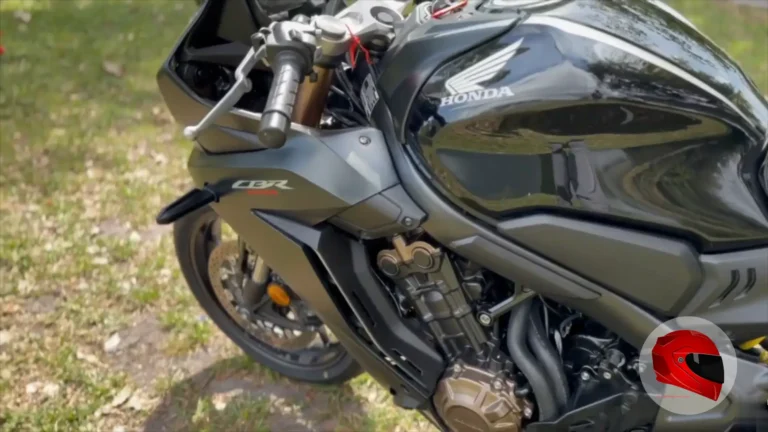
The Honda CBR300R is a single-cylinder alternative to the Ninja 400 and Yamaha R3. It emphasizes simplicity, low-speed manageability and a lighter, less powerful feel. The two parallel-twin motorcycles provide stronger acceleration and smoother performance at highway speeds.
This comparison focuses on the Kawasaki Ninja 400 versus Yamaha R3. Anyone considering the CBR300R should compare its model year, condition, pricing, ABS equipment and highway requirements separately before choosing among all three.
A used Ninja 300 can be a sensible choice for riders on a tighter budget. Age, mileage, maintenance history and equipment may matter more than the badge, so compare the bike’s condition and total cost instead of assuming the newer Ninja 400 offers better value. Those checks are central to a Ninja 300 buying guide, especially when the price gap between used examples and newer bikes is substantial.
FAQs
Is the Yamaha R3 a girls’ bike?
No. The R3 is a lightweight sport motorcycle for any rider who fits it and has the required training and license. Its manageable size and lower engine output make it approachable, but those qualities do not define the motorcycle by gender.
Is the Ninja 400 better for beginners?
For many beginners, yes. The Ninja 400 combines manageable weight with stronger low- and midrange torque, making starts, merging and ordinary traffic less demanding. The R3 is also an excellent beginner motorcycle for riders who prefer a high-revving engine and sport-focused handling.
Which motorcycle costs less to own?
The used purchase price can favor either model, depending on condition and location. The R3 has slightly better fuel economy and a longer stated valve-check interval, while the Ninja 400 often delivers more performance for its used-market price. Insurance, tires, previous maintenance and financing usually affect annual cost more than small fuel differences.
Should I buy a Ninja 400 or the newer Ninja 500?
Buy the Ninja 400 when a clean, well-maintained example is meaningfully cheaper and meets your needs. Choose the 451cc Ninja 500 when you want a current Kawasaki, new-bike warranty support and the benefits of a newer model year.
Conclusion
Choose the Kawasaki Ninja 400 for stronger acceleration, easier freeway riding and excellent used value. Choose the Yamaha YZF-R3 for current-model availability, high-rpm involvement, nimble handling and longer valve-service intervals. Before buying either motorcycle, include dealer fees, insurance, training, gear and a thorough inspection in the budget.

One Comment
Comments are closed.