Yamaha R6 vs Kawasaki ZX-6R: Which Supersport Fits You?
The Yamaha R6 vs Kawasaki ZX-6R comparison comes down to riding style, engine character and legal availability. The Yamaha YZF-R6 favors high-rpm precision, quick steering and a sharper track feel, while the Kawasaki Ninja ZX-6R uses its 636cc engine to deliver stronger midrange torque on public roads. For 2026, the choice is also shaped by availability: new street-legal R6 motorcycles are no longer sold in the United States.
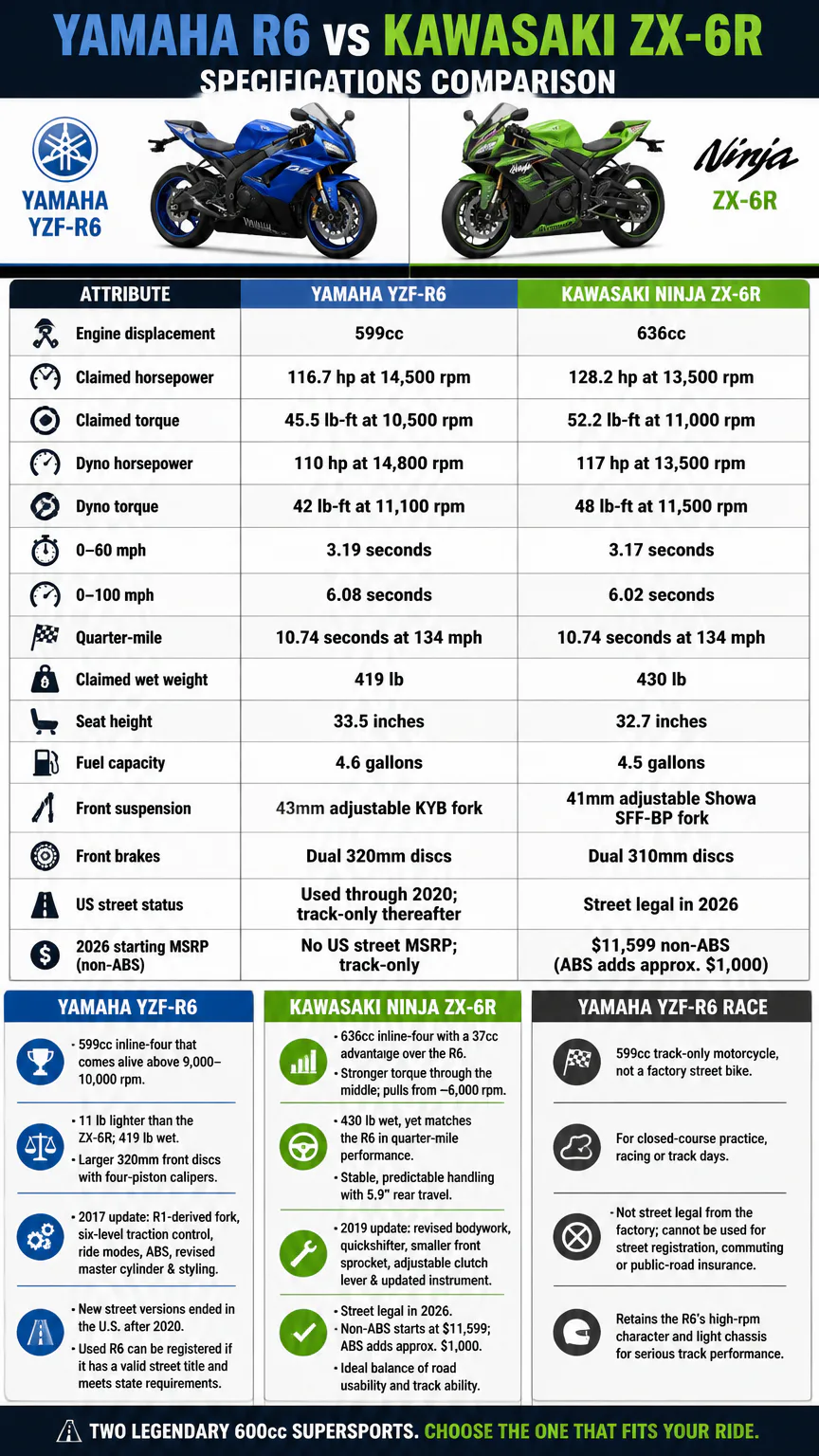
R6 vs ZX-6R specifications
| Attribute | Yamaha YZF-R6 | Kawasaki Ninja ZX-6R |
|---|---|---|
| Engine displacement | 599cc | 636cc |
| Claimed horsepower | 116.7 hp at 14,500 rpm | 128.2 hp at 13,500 rpm |
| Claimed torque | 45.5 lb-ft at 10,500 rpm | 52.2 lb-ft at 11,000 rpm |
| Dyno horsepower | 110 hp at 14,800 rpm | 117 hp at 13,500 rpm |
| Dyno torque | 42 lb-ft at 11,100 rpm | 48 lb-ft at 11,500 rpm |
| 0–60 mph | 3.19 seconds | 3.17 seconds |
| 0–100 mph | 6.08 seconds | 6.02 seconds |
| Quarter-mile | 10.74 seconds at 134 mph | 10.74 seconds at 134 mph |
| Claimed wet weight | 419 lb | 430 lb |
| Seat height | 33.5 inches | 32.7 inches |
| Fuel capacity | 4.6 gallons | 4.5 gallons |
| Front suspension | 43mm adjustable KYB fork | 41mm adjustable Showa SFF-BP fork |
| Front brakes | Dual 320mm discs | Dual 310mm discs |
| US street status | Used through 2020; track-only thereafter | Street legal in 2026 |
| 2026 starting MSRP | No US street MSRP; track-only | $11,599 non-ABS |
Yamaha YZF-R6
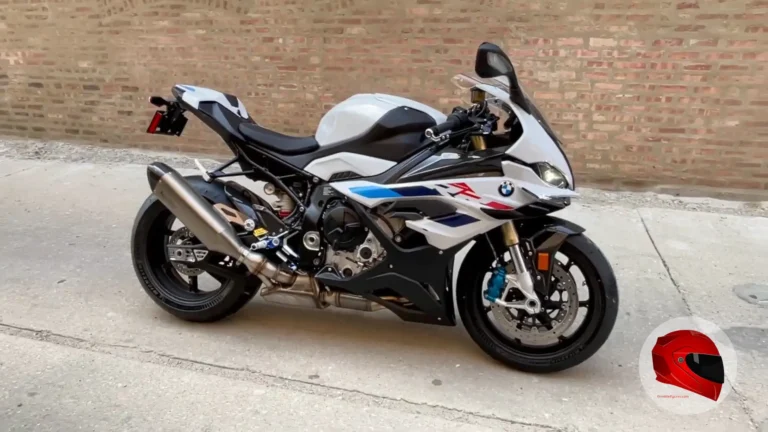
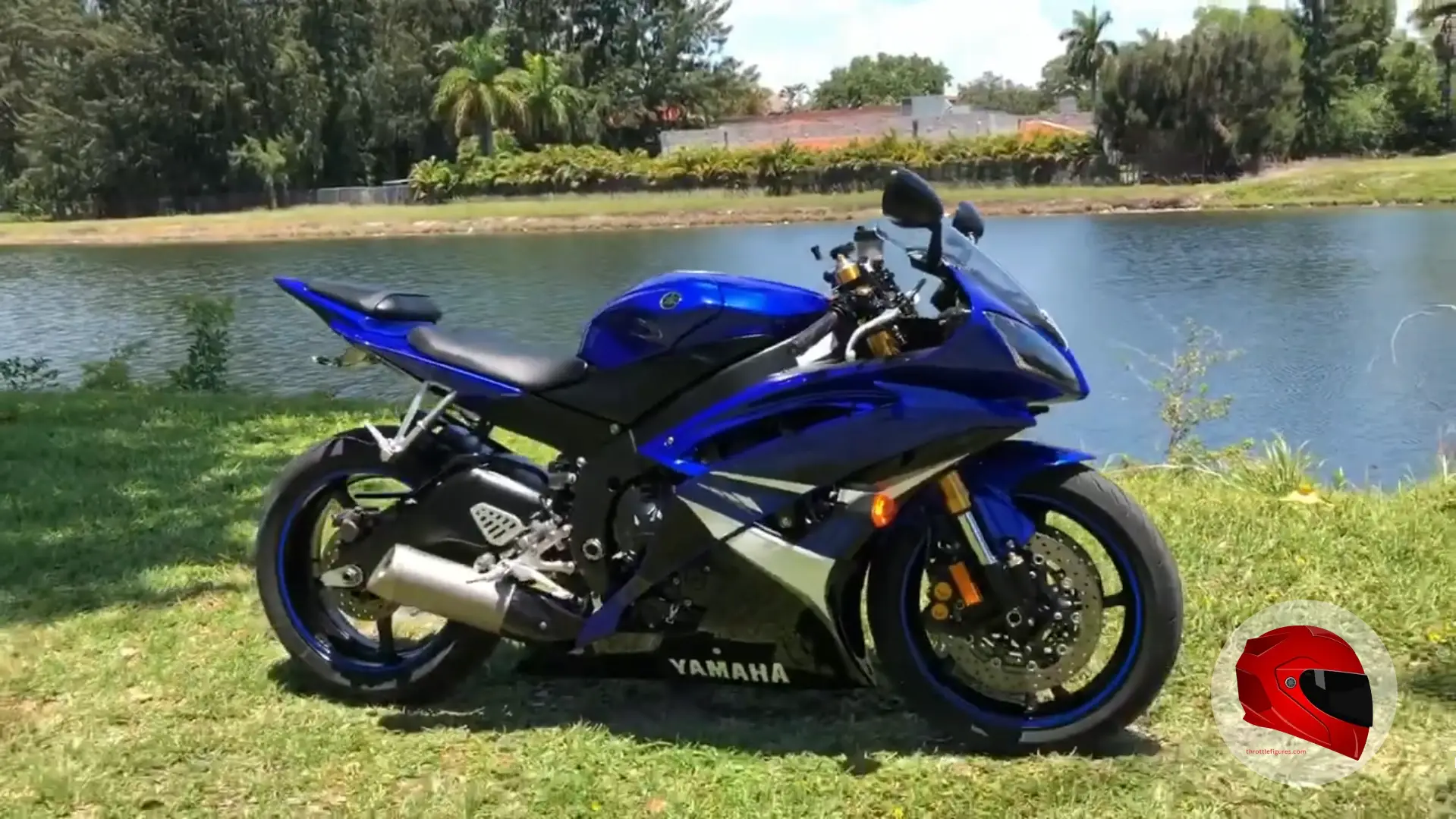
The Yamaha YZF-R6 is one of the most focused 600cc supersport motorcycles. Its 599cc inline-four rewards riders who keep the engine above 9,000 to 10,000 rpm, where acceleration becomes much stronger. A short wheelbase and sharp steering geometry produce quick turn-in, while the 43mm fully adjustable KYB fork gives the chassis a firm, precise feel.
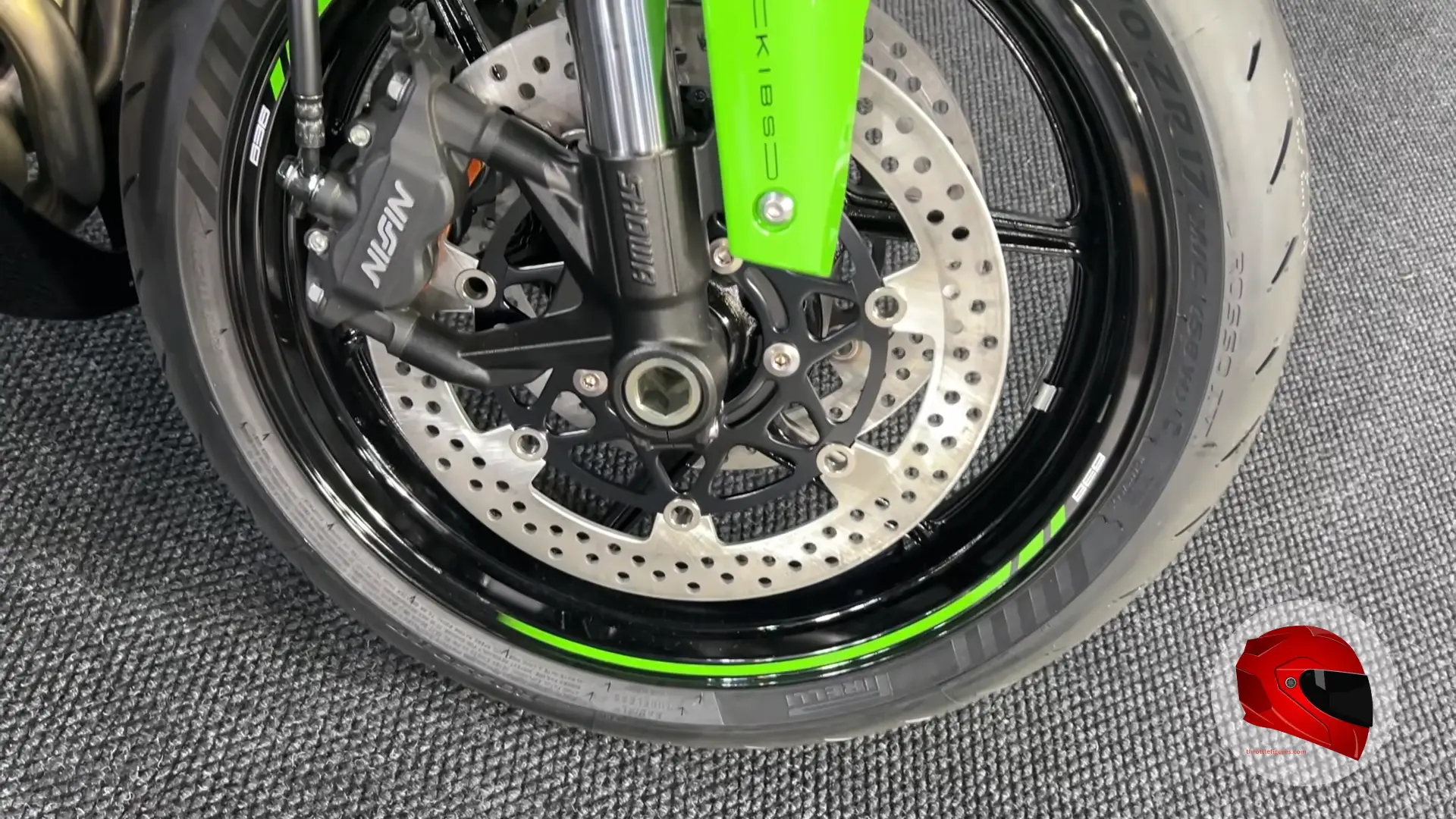
The R6 weighs 11 pounds less than the ZX-6R and uses larger 320mm front brake discs with four-piston calipers. Its claimed 419-pound wet weight and 4.6-gallon tank suit aggressive canyon riding and track work, although the riding position can become demanding on long street rides. The 2017 update added an R1-derived fork, six-level traction control, selectable ride modes, ABS, a revised master cylinder and updated styling.
New street versions ended in the United States after the 2020 model year. A used R6 can still be registered if it has a valid street title and meets applicable state requirements. Check its age, crash history, race modifications and parts availability before buying.
Kawasaki Ninja ZX-6R
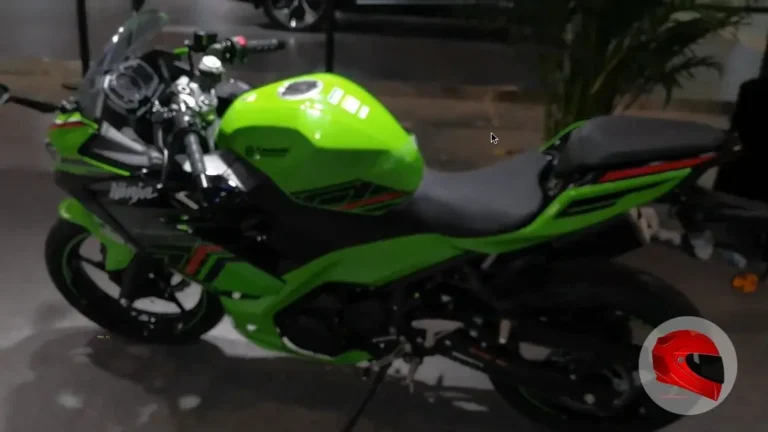
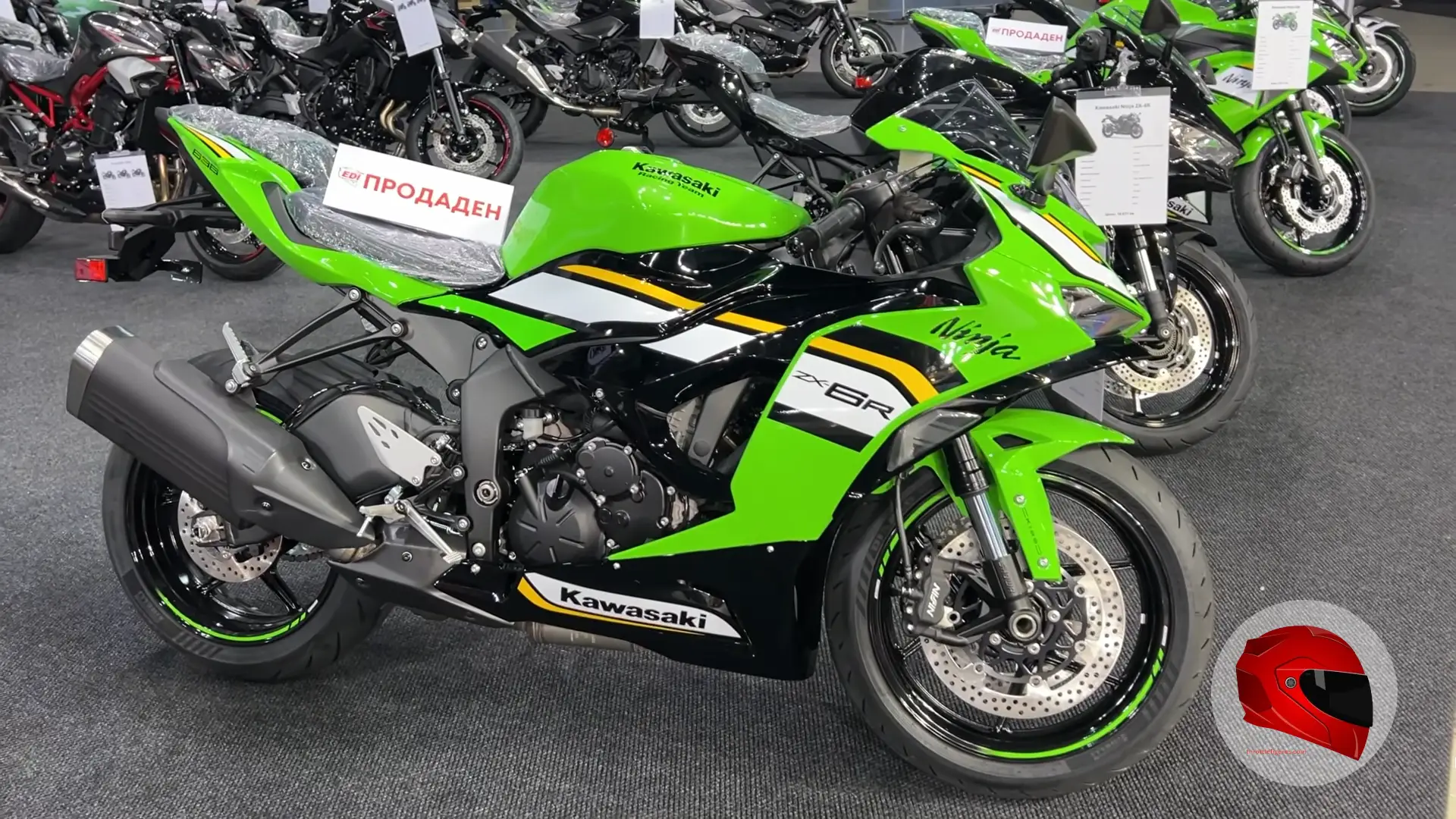
The Kawasaki Ninja ZX-6R uses a 636cc inline-four, giving it a 37cc displacement advantage over the R6. That extra capacity produces stronger claimed and dyno torque, especially through the middle of the rev range. Strong acceleration can begin around 6,000 rpm, so the Kawasaki is easier to launch and more flexible when traffic or corner entry makes a lower gear inconvenient.
The ZX-6R weighs 430 pounds wet, but that extra mass does not stop it from matching the R6 in recorded quarter-mile performance. Its handling is stable and predictable, with a fully adjustable 41mm Showa SFF-BP fork and 5.9 inches of rear suspension travel. The 2019 update brought revised bodywork, a quickshifter, a smaller front sprocket, an adjustable clutch lever and an updated instrument panel.
For 2026, the ZX-6R is the new-bike choice for a US rider who needs registration, emissions compliance and dealer support. The non-ABS version starts at $11,599, while ABS adds approximately $1,000. Its smoother delivery and broader powerband make it easier to use on ordinary roads without giving up serious track capability.
Yamaha YZF-R6 Race
The Yamaha YZF-R6 Race is a 599cc track-only motorcycle, not a factory street bike. It suits riders who already have a registered road motorcycle and want a dedicated machine for closed-course practice, racing or track days. Because it is not street legal from the factory, it cannot be used as the normal route to street registration, commuting or public-road insurance.
Race versions retain the R6’s high-rpm character, light chassis, sharp steering and strong braking platform. Track preparation can change the price substantially, with race-specification packages ranging from approximately $12,500 to more than $18,000. Budget separately for transport, tire warmers, spare wheels, protection, suspension setup and maintenance because those costs are outside the motorcycle’s purchase price.
Requirements and context
A street-legal ZX-6R can be titled, registered, insured and ridden on public roads when it meets the requirements of the state where it is registered. A used street R6 follows the same process only when its title and equipment support lawful registration. The R6 Race does not become street legal simply because it has lights, mirrors or a vehicle identification number.
- Confirm that the title identifies the correct motorcycle and does not show a salvage, reconstructed or off-road-only status.
- Match the vehicle identification number on the frame, title, bill of sale and registration records.
- Use the United States Department of Motor Vehicles for title, registration, inspection, emissions and motorcycle endorsement requirements in your state.
- Run the vehicle identification number through NICB VINCheck for theft and insurance-loss indicators.
- Check whether the motorcycle has race bodywork, removed emissions equipment, an altered wiring harness or an ECU tune that affects street compliance.
- Obtain an insurance quote before paying a deposit, especially for a supersport motorcycle with a prior track history.
Dealers generally simplify financing, trade-ins, title processing and warranty support, but their out-the-door price includes freight, setup, documentation, taxes and registration charges. Private purchases can have lower advertised prices and more local options, but the buyer must inspect the motorcycle and confirm that the title can be transferred.
Which engine performs better?
The ZX-6R’s advantage is clearest in the midrange, where its 636cc engine produces stronger drive with fewer downshifts. The R6 depends more on high engine speed, which suits riders who prefer to keep the engine above 9,000 rpm and work the gearbox on track.
The difference is small in some acceleration tests. The R6 reaches 60 mph in approximately 3.19 seconds, while the ZX-6R takes 3.17 seconds. At 100 mph, the results are approximately 6.08 and 6.02 seconds, respectively. Both motorcycles record a quarter-mile time near 10.74 seconds at 134 mph.
Normal riding reveals a larger difference in engine character. The Kawasaki can accelerate strongly in a higher gear and needs fewer downshifts when exiting slower corners. The R6 demands more deliberate gear selection and higher engine speed, but that intensity gives track riders a direct connection between throttle position, rpm and drive.
Choose the ZX-6R for stronger engine performance and street flexibility. Choose the R6 if you enjoy carrying revs, working the gearbox and maintaining momentum.
Peak horsepower does not tell the whole acceleration story. Gearing, rider input and curb weight matter too, so comparing the motorcycle power-to-weight ratio gives a fairer basis when the R6 and ZX-6R have similar claimed output but feel different in real-world riding.
Street and track handling differences
The R6 has a sharper steering character because of its shorter wheelbase and more aggressive geometry. It changes direction quickly and gives precise front-end feedback, but its stiff setup and forward-weighted ergonomics demand more from the rider. On a smooth circuit, those traits help an experienced rider place the motorcycle accurately.
The ZX-6R feels more stable and forgiving, particularly on imperfect pavement. Its longer-travel rear suspension and smoother power delivery make it less tiring on the street, while the chassis remains capable of serious track speeds. The extra weight is noticeable when moving the motorcycle around the garage or changing direction rapidly, but it is not a major disadvantage in ordinary cornering.
- Choose the R6 for: fast steering, high-rpm track riding, firm suspension feedback and a more aggressive riding position.
- Choose the ZX-6R for: stronger corner-exit drive, stable behavior, easier street riding and a broader usable powerband.
Suspension setup matters more than the brochure specification once either motorcycle is used regularly on a track. Set sag for the rider’s weight, establish appropriate rebound and compression settings, and check the tires and brakes before spending money on engine modifications.
Brakes, electronics, and equipment
Both motorcycles use adjustable supersport suspension, strong dual-disc front brakes, traction control, ride modes and quickshifter equipment. The R6 has dual 320mm front discs, a fully adjustable 43mm KYB fork, six traction-control levels, selectable ride modes and ABS on equipped models. The ZX-6R uses dual 310mm discs, a fully adjustable 41mm Showa SFF-BP fork, selectable power modes, traction control and a quickshifter, with ABS available as a model configuration.
The R6’s larger front rotors and sharper chassis response favor a firm, immediate braking feel. The ZX-6R combines its braking hardware with a more road-oriented electronics package. Instrument panels provide riding information and settings, but the exact display and equipment depend on model year and trim. Check the individual motorcycle before assuming that ABS or other optional equipment is included.
ZX-6R top speed versus R6
Approximate top-speed figures place both motorcycles in the mid-150-mph range. Gearing, rider position, wind, tires and test conditions affect the result. The ZX-6R’s extra power gives it the stronger high-speed engine position, while the R6’s lower weight and aerodynamic shape keep the gap narrow.
Top speed is separate from acceleration. The ZX-6R is generally quicker through the midrange and to 100 mph, but the quarter-mile figures are effectively tied. Neither motorcycle’s top-speed advantage changes the basic street-versus-track decision.
Top-speed figures only mean much when the testing conditions and bike setup are comparable. Aerodynamic tuck, gearing, rider size, wind, tire condition and electronic restrictions can all affect the result, so these motorcycle top speed factors matter when comparing whether the ZX-6R or R6 is genuinely faster.
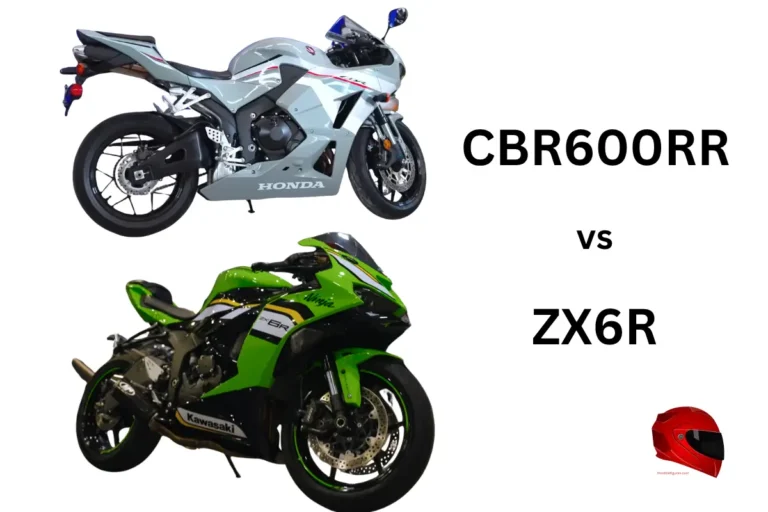
R6, ZX-6R, and CBR600RR
The Honda CBR600RR is another 599cc inline-four supersport, with an engine character closer to the R6 than to the ZX-6R’s larger 636cc motor. It favors high-rpm riding and precise control. The Kawasaki delivers stronger midrange drive, while the R6 emphasizes a lighter, sharper track feel.
For a US buyer, street-legal availability depends on the model year and market configuration. The CBR600RR suits a rider who wants Honda’s middleweight supersport approach and a balanced road-and-track motorcycle. The R6 fits a buyer prioritizing used or track-focused Yamaha character, while the ZX-6R suits a buyer who wants a current street-legal motorcycle with stronger everyday torque.
Buying a used supersport safely
- Arrange a cold start and confirm that the engine starts without unexplained smoke, rattling or warning lights.
- Inspect fluid levels and leaks around the engine, cooling system, brake system and final drive.
- Check the fork seals for oil, then inspect the chain, sprockets, tires, brake pads and discs for wear or damage.
- Look for bends, cracks, mismatched fasteners, fresh paint or scrape marks around the frame, swingarm, wheels and steering head.
- Review service records and ask specifically about valve service, crash repairs, track use, suspension work and ECU or wiring modifications.
- Match the VIN on the frame, title, bill of sale and registration records. Confirm the title status and complete the VIN transfer paperwork before payment.
- Take a controlled test ride only after the paperwork and insurance requirements are satisfied, or pay for a pre-purchase inspection by a qualified motorcycle technician.
When buying a used supersport, look beyond a quick visual inspection. Check that the bike starts cleanly from cold, inspect the fork seals and steering-head bearings, look for crash damage, check chain and sprocket wear, and confirm the service history. The Kawasaki Ninja buying guide offers useful context, but a model’s reputation should never replace a careful inspection of the individual motorcycle.
Used pricing and ownership costs
The 2026 ZX-6R starts at $11,599 for the non-ABS version. A street-legal R6 is available only through the used market, while the R6 Race is track-only. Used asking prices vary by model year, mileage, condition, title status, service history and track or crash history, so a clean older R6 and a newer modified example can differ substantially.
Compare the full cost of ownership, including insurance, tires, brake service, chain and sprockets, suspension work, transport and track equipment. A lower asking price is not necessarily a better deal if the motorcycle needs race-bodywork repairs, major service or replacement safety equipment.
Where to buy
Kawasaki dealerships are the main route to a new 2026 Ninja ZX-6R. They can handle financing, setup, title paperwork, trade-ins and warranty support. The final purchase price includes the $11,599 non-ABS MSRP plus applicable freight, setup, documentation, tax and registration charges.
Cycle Trader has dealer and private-party listings for R6 and ZX-6R motorcycles. Use the listings to compare asking prices across model years and locations, then confirm the VIN, title status, mileage, fees and shipping terms before sending a deposit.
Facebook Marketplace has local R6 and ZX-6R listings, including motorcycles with aftermarket parts or track preparation. For a private-party purchase, match the VIN and title in person, confirm that the title can be transferred, and pay only after inspecting the motorcycle and paperwork.
How to choose between the R6 and ZX-6R
Start with legal use. If the motorcycle must be a new, registered street bike in the United States during 2026, the ZX-6R is the appropriate choice. If you want a dedicated track machine, compare a used street R6, an R6 Race and a track-prepared ZX-6R by total cost rather than purchase price alone.
- For daily street riding: choose the ZX-6R because its torque arrives earlier and its behavior is easier to manage in traffic.
- For canyon riding: choose the ZX-6R for flexible drive or the R6 for sharper steering and a more intense high-rpm experience.
- For track days: choose the R6 if precise turn-in and high-rev engagement are the priority; choose the ZX-6R if stronger corner exits and a broader powerband matter more.
- For a new 2026 purchase: choose the ZX-6R because the R6 is not offered as a new US street-legal motorcycle.
- For a used purchase: prioritize title status, crash inspection, service records and evidence of professional track preparation over color or aftermarket accessories.
Fit should settle close decisions. Sit on both motorcycles in riding gear, check wrist and knee pressure, and assess whether the riding position remains tolerable for the length of your intended rides. A motorcycle that is slightly slower on paper can be faster and safer for a rider who can use its controls comfortably.
Frequently Asked Questions
Is the Yamaha R6 faster than the ZX-6R?
No. The ZX-6R produces more horsepower and torque, and its measured acceleration is fractionally quicker. The two motorcycles are closely matched in quarter-mile testing, so rider skill, gearing, tires and launch technique can matter more than the small time difference.
Which bike is better, the R6 or the 636?
The ZX-6R is better for most street riders because it is available new in 2026, remains street legal and has stronger midrange torque. The R6 suits riders who prefer a lighter, sharper, high-rpm-focused supersport or a track-oriented used motorcycle.
Why is the R6 no longer street legal as a new motorcycle?
New street versions ended in the United States after the 2020 model year. The current R6 Race is a track-only model and is not factory homologated for public-road registration.
Can a Yamaha R6 Race be registered for street use?
The R6 Race is a track-only motorcycle and is not factory certified for public-road registration. Treat it as a closed-course machine rather than a street motorcycle that can be converted through the normal registration process.
Is the 2026 ZX-6R available with ABS?
Yes. The ZX-6R is offered in non-ABS and ABS configurations. The ABS version costs approximately $1,000 more than the $11,599 non-ABS starting MSRP.
What is faster than the ZX-6R?
Larger-displacement supersport and superbike motorcycles, including 750cc and 1000cc-class machines, are generally quicker in acceleration and faster overall. The ZX-6R remains a highly capable middleweight, but it sits below those larger-engine classes.
How does the Honda CBR600RR compare with the R6 and ZX-6R?
The CBR600RR has a high-rpm 599cc inline-four character closer to the R6, while the ZX-6R delivers stronger midrange torque from its 636cc engine. Choose the Honda for its middleweight supersport balance, the R6 for sharper used or track-focused Yamaha character, and the ZX-6R for current street-legal availability and broader road performance.
Conclusion
Choose the Kawasaki Ninja ZX-6R for a new 2026 street motorcycle, stronger midrange torque and easier everyday performance. Choose the Yamaha R6 for its lighter chassis, sharper steering and demanding high-rpm character, especially when track riding is the main objective.