Yamaha R1 vs Kawasaki ZX-10R: Specs, Price and Riding Feel
Choosing between the Yamaha R1 and Kawasaki ZX-10R in the United States involves more than comparing peak horsepower. Both are 998cc liter-class superbikes with track-level capability, but they differ in engine feel, chassis behavior, rider aids, ergonomics, price and ownership costs. The ZX-10R starts substantially lower, while the R1 stands out for its crossplane engine and sharp feedback.
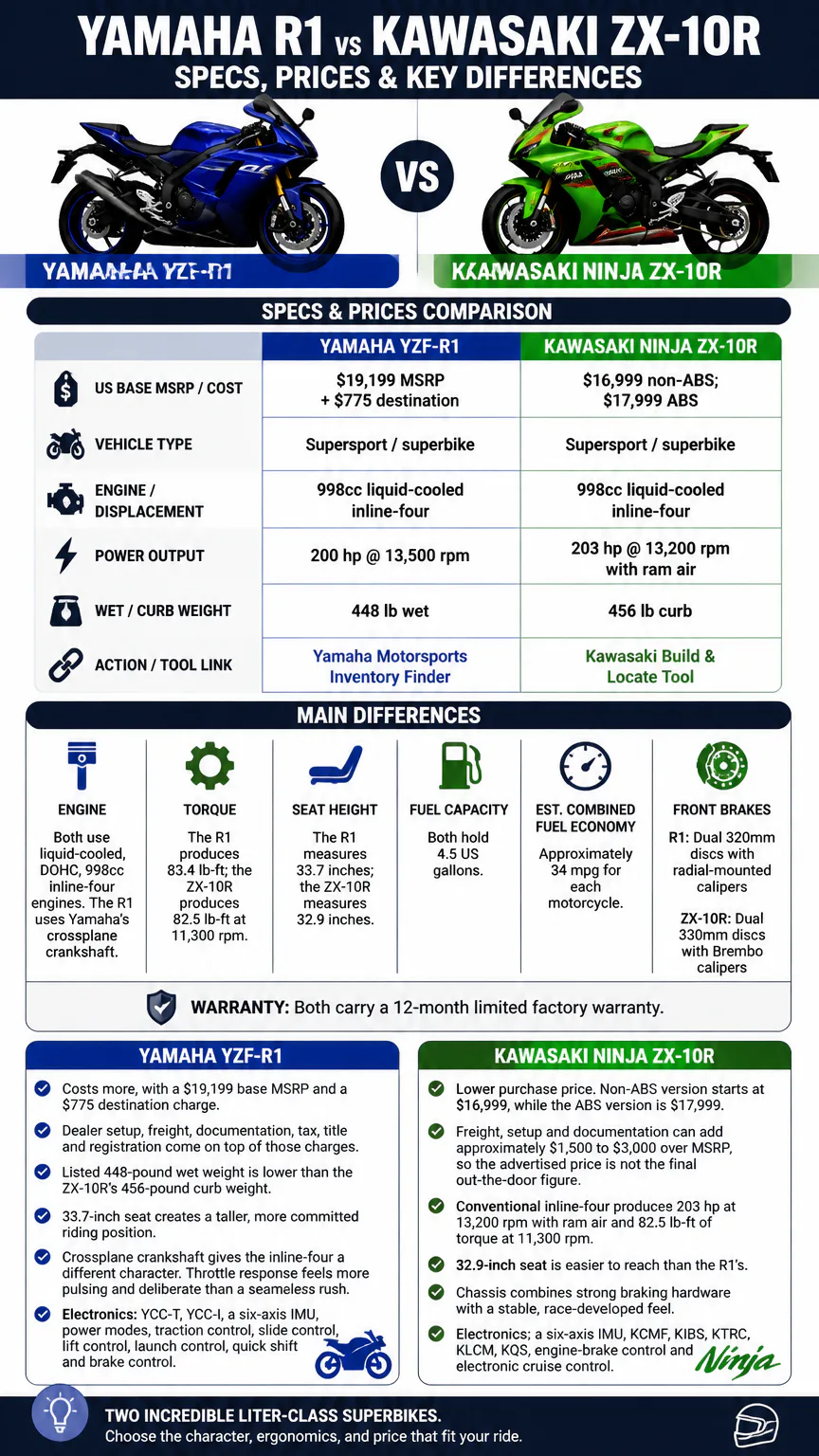
Yamaha R1 vs ZX-10R Specs and Prices
| Model | US Base MSRP / Cost | Vehicle Type | Engine / Displacement | Power Output | Wet / Curb Weight | Action / Tool Link |
|---|---|---|---|---|---|---|
| Yamaha YZF-R1 | $19,199 MSRP + $775 destination | Supersport / superbike | 998cc liquid-cooled inline-four | 200 hp @ 13,500 rpm | 448 lb wet | Yamaha Motorsports Inventory Finder |
| Kawasaki Ninja ZX-10R | $16,999 non-ABS; $17,999 ABS | Supersport / superbike | 998cc liquid-cooled inline-four | 203 hp @ 13,200 rpm with ram air | 456 lb curb | Kawasaki Build & Locate Tool |
Here are the main differences between the two motorcycles:
- Engine: Both use liquid-cooled, DOHC, 998cc inline-four engines. The R1 uses Yamaha’s crossplane crankshaft.
- Torque: The R1 produces 83.4 lb-ft; the ZX-10R produces 82.5 lb-ft at 11,300 rpm.
- Seat height: The R1 measures 33.7 inches; the ZX-10R measures 32.9 inches.
- Fuel capacity: Both hold 4.5 US gallons.
- Estimated combined fuel economy: Approximately 34 mpg for each motorcycle.
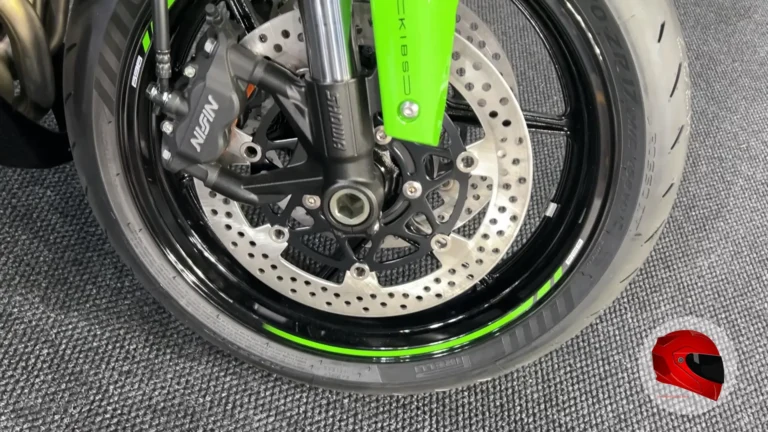
- Front brakes: The R1 has dual 320mm discs with radial-mounted calipers; the ZX-10R has dual 330mm discs with Brembo calipers.
- Warranty: Both carry a 12-month limited factory warranty.
Yamaha YZF-R1
The Yamaha YZF-R1 costs more, with a $19,199 base MSRP and a $775 destination charge. Dealer setup, freight, documentation, tax, title and registration come on top of those charges. Its listed 448-pound wet weight is lower than the ZX-10R’s 456-pound curb weight, while the 33.7-inch seat creates a taller, more committed riding position.
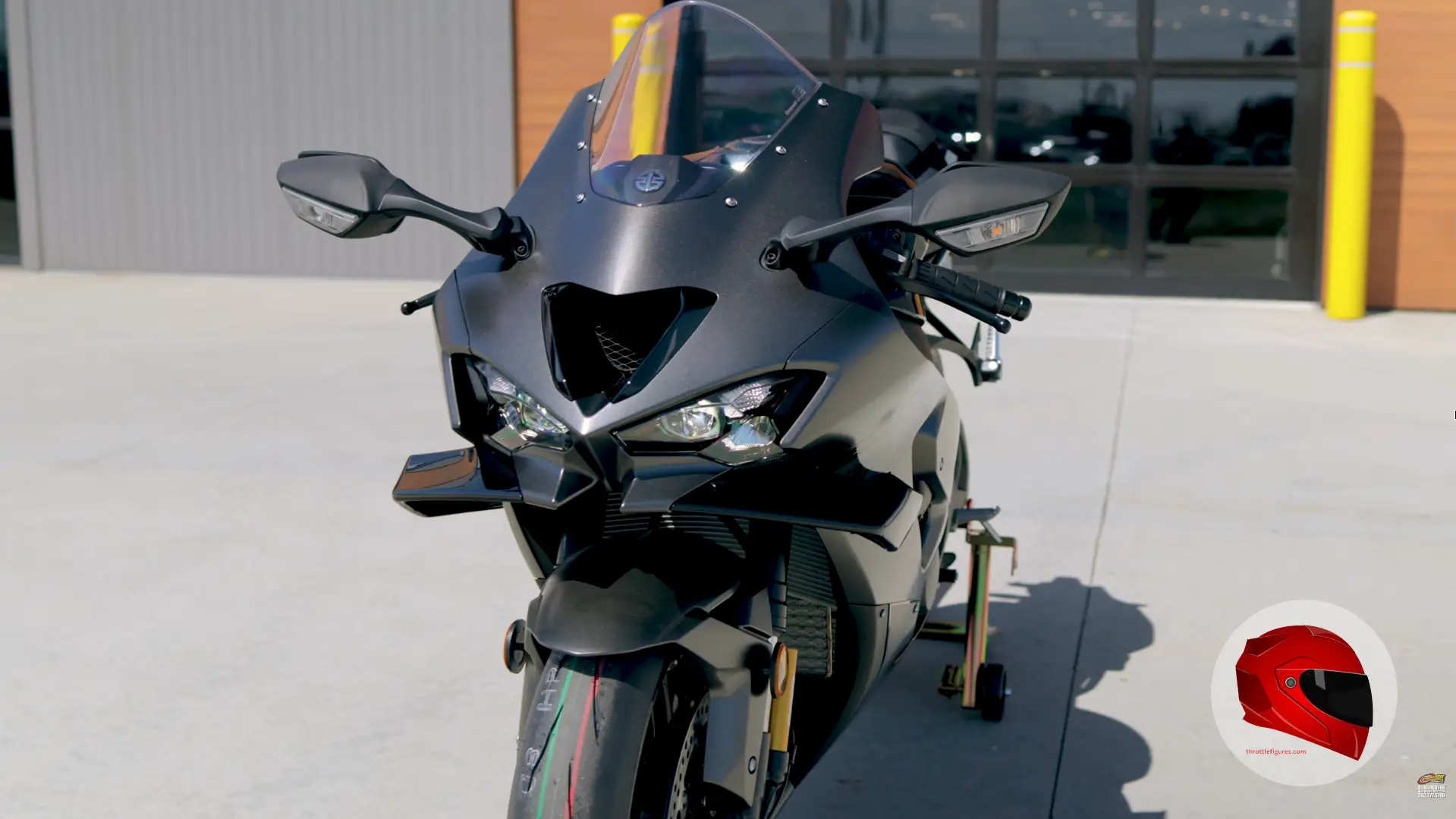
The crossplane crankshaft gives the inline-four a different character from a conventional inline-four. Throttle response feels more pulsing and deliberate than a seamless rush, which many riders appreciate when managing drive through a corner. Yamaha’s electronics include YCC-T, YCC-I, a six-axis IMU, power modes, traction control, slide control, lift control, launch control, quick shift and brake control.
Kawasaki Ninja ZX-10R
The Kawasaki Ninja ZX-10R has the lower purchase price. The non-ABS version starts at $16,999, while the ABS version is listed at $17,999. Freight, setup and documentation can add approximately $1,500 to $3,000 over MSRP, so the advertised price is not the final out-the-door figure.
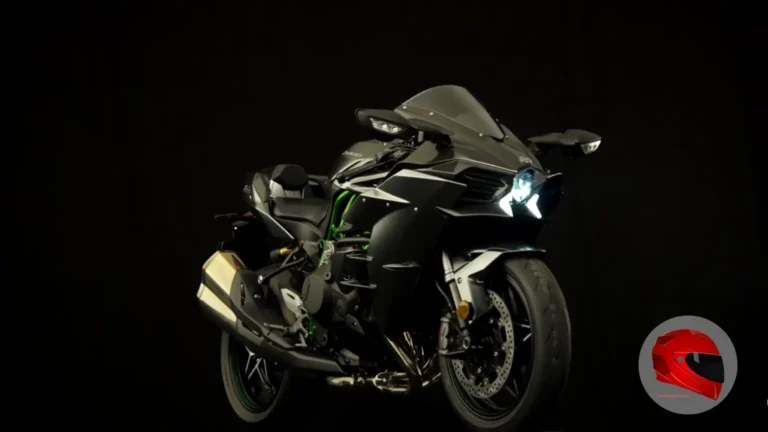
Its conventional inline-four produces 203 hp at 13,200 rpm with ram air and 82.5 lb-ft of torque at 11,300 rpm. The 32.9-inch seat is easier to reach than the R1’s, and the chassis combines strong braking hardware with a stable, race-developed feel. Kawasaki’s electronics include a six-axis IMU, KCMF, KIBS, KTRC, KLCM, KQS, engine-brake control and electronic cruise control.
Yamaha YZF-R1: Strengths and trade-offs
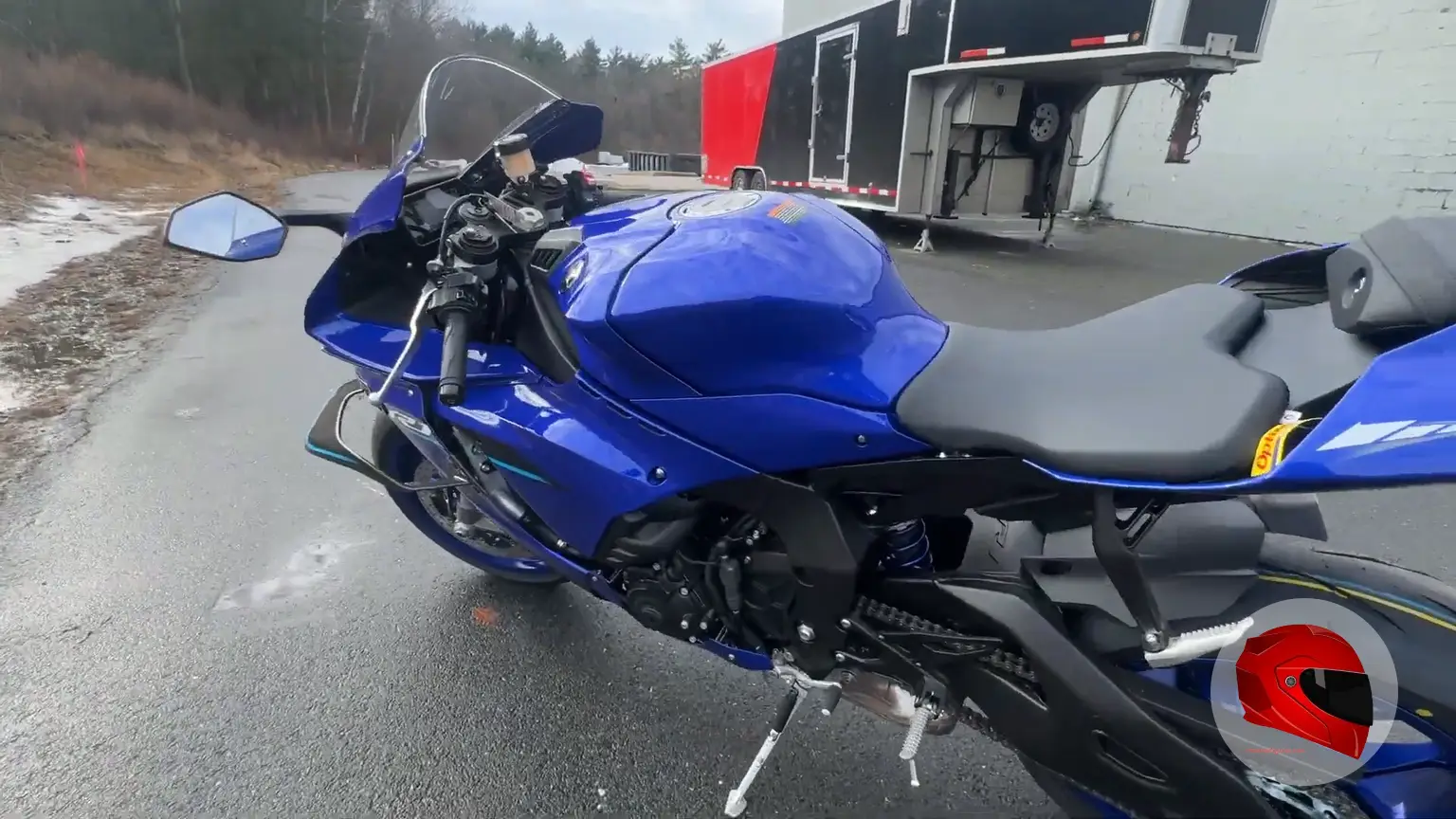
The R1’s defining feature is its crossplane inline-four. It retains the high-revving character expected from a 998cc superbike while giving the rider a distinctive pulse under acceleration. That character is most noticeable when exiting corners, where throttle inputs and rear-tire grip need to be managed carefully.
Its compact chassis gives the rider clear feedback through the front end. The bike uses dual 320mm front discs with radial-mounted calipers, while the electronics package includes separate controls for traction, slide, lift, launch, quick shifting and braking. Experienced riders can tune these systems for a circuit, although they add more setup decisions for street use.
The trade-offs are price and comfort. The taller seat, committed ergonomics, limited wind protection at ordinary road speeds and high running costs make the R1 demanding as a daily motorcycle. Yamaha’s R1M adds Öhlins electronic racing suspension and carbon-fiber bodywork, but it is a higher-spec model rather than a direct substitute for the standard R1.
Kawasaki Ninja ZX-10R: Strengths and trade-offs
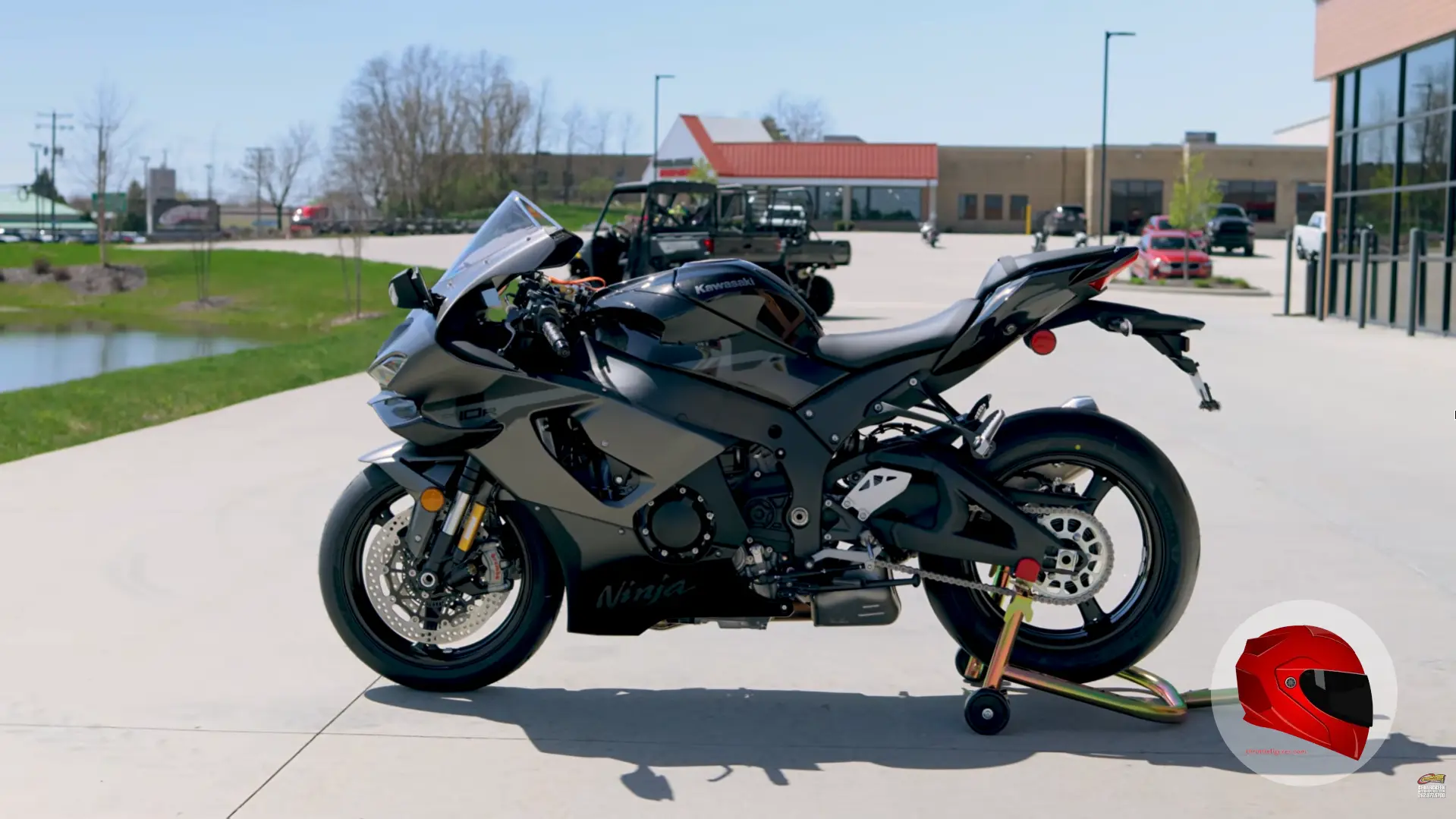
The ZX-10R’s main advantage is value. Its non-ABS MSRP is $2,200 below the R1, and the ABS version remains $1,200 lower before destination and dealer charges. That difference could cover insurance, tires, riding gear or track-day preparation, although dealer pricing still needs to be compared line by line.
Kawasaki’s inline-four has a direct, linear character that makes its acceleration easy to read. Dual 330mm front discs with Brembo calipers provide strong braking hardware, while KIBS, KTRC, KCMF, launch control, quick shifting, engine-brake control and electronic cruise control cover both street and track use.
The lower 32.9-inch seat helps riders who want easier footing at stops. The ZX-10R remains a focused supersport with a firm seat, bent-knee ergonomics and little practicality for luggage or long-distance travel. Kawasaki’s WorldSBK racing heritage shows in the motorcycle’s aerodynamic and chassis priorities, not in lower maintenance or insurance costs.
Engine character and real-world performance
Neither motorcycle is meaningfully slow in normal street use. The R1 produces 200 hp at 13,500 rpm, while the ZX-10R produces 203 hp at 13,200 rpm with ram air. Both make far more power than public roads can safely use for extended acceleration. Top-speed contests and drag races depend on gearing, rider technique, launch conditions, tire grip, aerodynamics and electronic settings, so peak horsepower alone does not establish a universal winner.
The R1’s crossplane crankshaft gives its power delivery a more distinct rhythm. The ZX-10R’s conventional inline-four feels smoother and more linear as the revs build. Riders who prioritize throttle feel and corner-exit feedback may prefer the Yamaha, while those who want an immediate, predictable surge and stronger value may favor the Kawasaki.
Both motorcycles use 190/55 or 200/55 rear-tire sizing and consume tires quickly under aggressive street riding. Hypersport tires can last approximately 2,000 to 4,000 miles in that use, with replacement commonly costing $400 to $600 mounted and balanced. Track riding reduces tire life and increases brake, fluid and inspection demands.
Peak horsepower does not tell the whole acceleration story for the R1 and ZX-10R. Gearing, rider weight, fuel load and available traction all affect the result, and a lighter bike can feel quicker even with a lower dyno figure. The motorcycle power-to-weight ratio provides a useful baseline for comparing their real-world performance.
Street comfort and commuting
- Riding position: Both use aggressive supersport ergonomics with low handlebars, rear-set footpegs and firm seats. The R1’s 33.7-inch seat is taller; the ZX-10R’s 32.9-inch seat makes stops easier for more riders.
- Highway use: Both provide limited luggage capacity and modest touring practicality. The ZX-10R’s electronic cruise control reduces hand fatigue on longer highway stretches.
- Wind and heat: The fairings provide useful tuck-in wind protection, but neither motorcycle offers relaxed upright comfort. Engine heat and bent-knee ergonomics can become tiring in traffic.
- Commuting: Either bike can handle occasional commuting, but tire wear, heat, limited storage and maintenance make a smaller sport-touring motorcycle more suitable for frequent daily use.
Track-day handling, braking, and electronics
| Attribute | Yamaha YZF-R1 | Kawasaki Ninja ZX-10R |
|---|---|---|
| Corner-entry feel | Compact, sharp feedback with a strong connection to front-end inputs | Stable, race-developed feel with confidence under hard braking |
| Front brakes | Dual 320mm discs with radial-mounted calipers | Dual 330mm discs with Brembo calipers |
| Rider aids | Six-axis IMU, traction, slide, lift, launch, brake control, and power modes | Six-axis IMU, KCMF, KIBS, KTRC, and KLCM |
| Shifting and engine braking | Quick shift and adjustable electronic engine management | KQS quick shifting and engine-brake control |
| Setup potential | Strong track adjustment range; the R1M adds Öhlins electronic racing suspension | Strong track adjustment range with a stable platform suited to circuit riding |
Acceleration figures for the R1 and ZX-10R can vary with launch-control settings, tire temperature, surface grip and how much wheelspin the rider allows. Published results are easier to compare when the testing method is clear, while motorcycle 0-60 measurement practices often explain why similar runs produce different times.
Buying and ownership requirements
A high-performance motorcycle purchase involves more than the monthly payment. Get a motorcycle endorsement before riding, arrange insurance before delivery and budget for sales tax, title, registration, dealer charges, protective equipment and maintenance. State registration and licensing requirements differ, so the paperwork must match the buyer’s state of residence.
- Request a written out-the-door price.
- Compare cash price and financing price separately.
- Obtain insurance quotes for both motorcycles before choosing.
- Confirm the VIN, model year, ABS status and factory warranty.
- Inspect tire condition, service records, title status and outstanding liens on used motorcycles.
- Use a documented bill of sale and complete the title transfer in a private-party transaction.
Valve-clearance service on the ZX-10R is commonly scheduled at approximately 15,000 to 24,000 miles, depending on the maintenance schedule and model year. High-revving engines, chain kits, brake pads, fluids and track use can raise annual ownership costs well beyond the loan payment.
Insurance premiums depend on the rider, location, limits, deductible, storage and use. Compare Progressive Motorcycle Insurance and GEICO Motorcycle with matching liability, comprehensive, collision, uninsured-motorist, medical-payments and accessory-coverage limits. Closed-course riding may be excluded.
What the price gap really costs
| Cost area | Yamaha YZF-R1 | Kawasaki Ninja ZX-10R |
|---|---|---|
| Starting price | $19,199 MSRP + $775 destination | $16,999 non-ABS; $17,999 ABS |
| Dealer charges | Freight, setup, documentation, tax, title, and registration are added to MSRP | Freight, setup, documentation, tax, title, and registration are added to MSRP |
| Insurance | $1,000–$4,000+ annual premium | $1,000–$4,000+ annual premium |
| Tires and track use | Hypersport tires commonly cost $400–$600 mounted and balanced; track use increases replacement and brake costs | Hypersport tires commonly cost $400–$600 mounted and balanced; track use increases replacement and brake costs |
Where to buy and insure these bikes
Use the Yamaha Motorsports Inventory Finder to locate Yamaha dealer inventory for the YZF-R1. The Kawasaki Build & Locate Tool configures a Ninja ZX-10R and identifies dealers that can supply the selected version.
Progressive Motorcycle Insurance and GEICO Motorcycle provide motorcycle insurance quotes. Matching liability limits, deductibles, comprehensive coverage, collision coverage, uninsured-motorist protection, medical payments and accessory coverage makes the premiums easier to compare.
R1 or ZX-10R: Which should you buy?
- Track riders: Choose the R1 for sharper chassis feedback and crossplane throttle character, or the ZX-10R for stable braking performance and a lower starting price.
- Street riders: Choose the ZX-10R if cruise control and a more accessible seat matter. Choose the R1 if engine character and compact feedback matter more.
- Commuters: Neither is an ideal daily commuter, but the ZX-10R is easier to live with on repeated highway trips because of its cruise control and lower seat.
- Budget-conscious buyers: The ZX-10R has the stronger initial value, especially in non-ABS form, although insurance and track costs remain substantial.
- Engine-character enthusiasts: Choose the R1 for its distinctive crossplane delivery. Choose the ZX-10R for a smoother, more linear inline-four response.
What changes for 2026 buyers?
The prices and specifications here apply to the listed US comparison of the Yamaha YZF-R1 and Kawasaki Ninja ZX-10R. They are not a separate confirmed 2026 model-year update. Verify the exact model year, trim, ABS status and dealer quote before purchase.
ZX-10RR versus the standard ZX-10R
The Kawasaki Ninja ZX-10RR is the more track-oriented version of the ZX-10R, with equipment aimed at circuit performance rather than broad value. Its premium positioning and more limited availability make the standard ZX-10R the clearer choice for most buyers. The ZX-10RR makes sense when its track-focused specification matters more than the lower purchase price.
How the BMW S1000RR compares
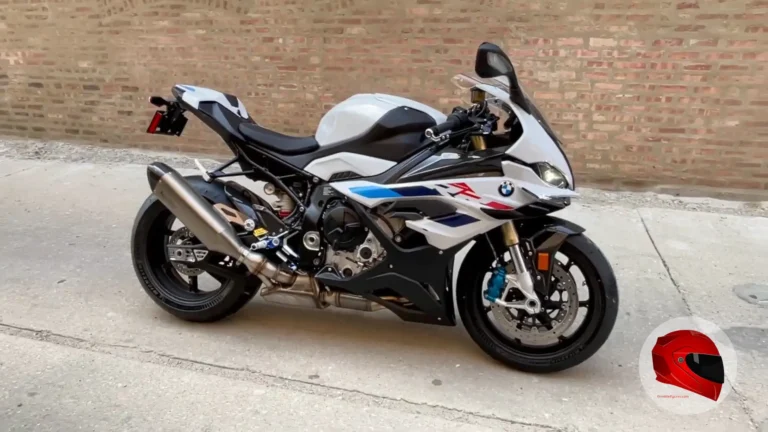
The BMW S1000RR is another superbike to consider alongside the R1 and ZX-10R. Compare it with the Yamaha for engine character and electronics, with the Kawasaki for price and street usability, and with both for its position as a premium liter-class alternative. The choice depends on the current model’s equipment, price, riding position and intended balance of street and track use.
FAQs
Is a ZX-10R faster than an R1?
The ZX-10R has a small listed horsepower advantage at 203 hp at 13,200 rpm with ram air versus 200 hp at 13,500 rpm for the R1. In real riding, acceleration and lap times depend on gearing, rider skill, electronics, tires and conditions.
Take claimed top-speed advantages with caution. Horsepower is only part of the equation; aerodynamic drag, gearing, rider position, tire condition and wind can all affect the result. That is why asking whether horsepower determines top speed is more useful than comparing engine figures alone.
Which is better, the Kawasaki Ninja ZX-10R or Yamaha YZF-R1?
The ZX-10R is the stronger value choice because it starts at a lower MSRP, has a lower seat, includes cruise control and offers powerful braking and electronics. The R1 suits riders who want crossplane engine character, lower listed weight and focused chassis feedback.
Is Yamaha more reliable than Kawasaki?
Neither brand has a clear reliability advantage based only on the manufacturer name. Service history, correct maintenance, storage, modifications, riding conditions and track use have a greater effect on an individual motorcycle.
Which is better for a first liter-class motorcycle?
Neither motorcycle is appropriate for most beginners because both produce roughly 200 horsepower and require disciplined throttle and braking control. A smaller motorcycle and formal advanced riding instruction provide a more manageable path into sport riding.
Can either motorcycle be used for track days?
Yes. Both are track-capable from the factory and include adjustable electronic rider aids, quick shifting, powerful brakes and race-focused chassis performance. Budget for tires, brake pads, fluids, protective gear and transport. Standard street motorcycle policies may exclude closed-course riding, so track-day damage is not covered unless the policy expressly includes it.
Conclusion
Choose the Kawasaki Ninja ZX-10R for the lower entry price, accessible seat, cruise control and broad performance value. Choose the Yamaha YZF-R1 when its crossplane engine character, lower listed weight and focused feedback justify the added purchase cost. Get insurance quotes and a complete out-the-door dealer price for both before committing.