BMW K75 Review: Specs, Reliability and Used-bike Advice
Disclaimer: Performance figures may vary depending on factors such as rider, road and weather conditions, vehicle condition, and testing methods. Figures are provided for informational purposes only.
The BMW K75 is a distinctive used bike, known for its smooth-running 740cc three-cylinder engine and shaft drive. BMW built it from 1985 through 1995, so every example is now an older motorcycle. Condition and maintenance records can matter more than the odometer: the K75’s relaxed road manners and durable engine appeal to some riders, while its dated brakes, aging parts and low-speed weight may put others off.
BMW K75 Specifications at a Glance
| K75 specification | Specification details |
|---|---|
| Production years | 1985–1995 |
| Engine | 740cc liquid-cooled DOHC inline-three; dual balance shafts |
| Fuel injection | Bosch LE-Jetronic electronic fuel injection |
| Maximum power | 75 hp (55 kW) at 8,500 rpm |
| Maximum torque | 68 Nm (50 lb-ft) at 6,750 rpm |
| Transmission | 5-speed constant-mesh gearbox |
| Final drive | Shaft drive with bevel/crown gears |
| 0–60 mph | About 4.5 seconds |
| Top speed | About 115–120 mph, depending on variant |
| Standard-model dry weight | 488 lb |
| Reported wet weight | About 500–530 lb; K75RT up to 567 lb |
| Reported fuel economy | About 39–50 mpg |
| Standard brakes | Dual 285 mm front discs; single 285 mm rear disc |
| Bore × stroke | 70.4 × 66.5 mm |
| Compression ratio | 11.0:1 |
| Fuel capacity | 21 L (5.5 US gal) |
| Wheelbase | 59.7 in |
| Seat height | 30.3–31.9 in, depending on model |
| Alternator output | 460 W |
How the K75 Feels on the Road
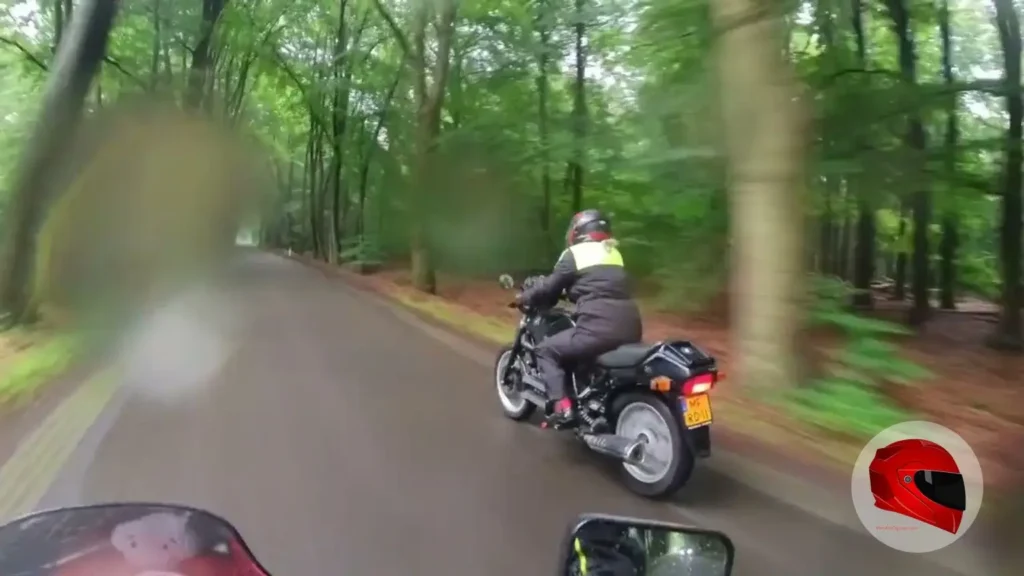
The inline-three delivers power smoothly and vibrates less than many older large-capacity motorcycles. Its 75 horsepower is enough for highway travel and two-up riding, though passing often calls for a downshift. The five-speed gearbox and shaft drive add to the K75’s measured, composed feel.
The K75 reaches 60 mph from a standstill in about 4.5 seconds and has a top speed of about 115-120 mph, depending on the variant. Those figures describe a capable road bike, not a modern sport machine. Reported fuel economy ranges from about 39-50 mpg; condition, tuning, load and riding pace all affect what an individual bike returns.
On the move, the K75 feels stable and settled, particularly on open roads. Its weight is more apparent when backing up, parking or making a tight U-turn. The brakes and suspension reflect the bike’s age. Well-maintained components can work properly, but they do not feel like current equipment, and worn parts can undermine handling and braking confidence.
The K75’s upright riding position and tractable power suit steady everyday rides better than aggressive cornering. If you like its relaxed standard-bike character but want modern equipment, compare it with the Kawasaki Z650RS, which pairs retro styling with a modern chassis.
Reliability and Maintenance to Expect
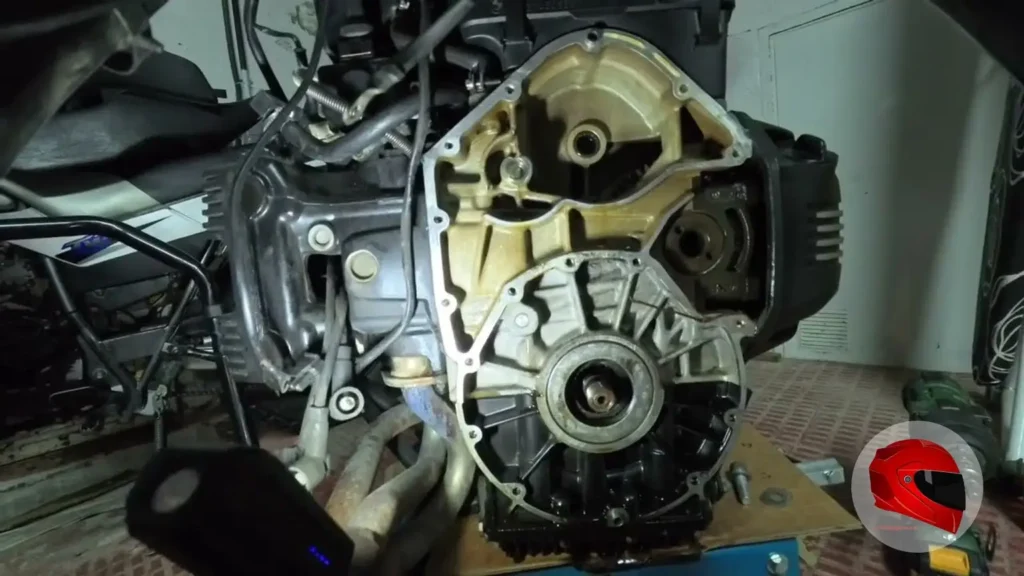
A well-maintained K75 can cover high mileage, and its engine has a strong reputation for durability. That reputation does not make a neglected example cheap to put right. On a motorcycle that has been in service for decades, the fuel injection, electrical components, brakes, suspension and rubber parts all deserve close attention.
- Check the splines: The clutch and drivetrain splines need lubrication. Neglected service can lead to wear, so ask for maintenance records rather than using mileage as a measure of condition.
- Inspect age-related parts: Look for degraded rubber, fuel-injection problems, electrical faults and worn instrument-cluster gears.
- Review brake service: Later K75s could have optional ABS. Brake fluid should be flushed every two years, and older systems need a careful check of their condition and operation.
- Assess suspension and brakes: Leaks, corrosion, tired springs or poor braking can point to deferred work. Repairs can substantially change the cost of ownership.
The K75 is more mechanically involved than a basic small motorcycle, and specialist labor can add up if you do not do your own maintenance. A pre-purchase inspection by a mechanic familiar with older BMW K-series bikes can uncover problems a short test ride will miss.
Which K75 Variant Fits Your Riding?
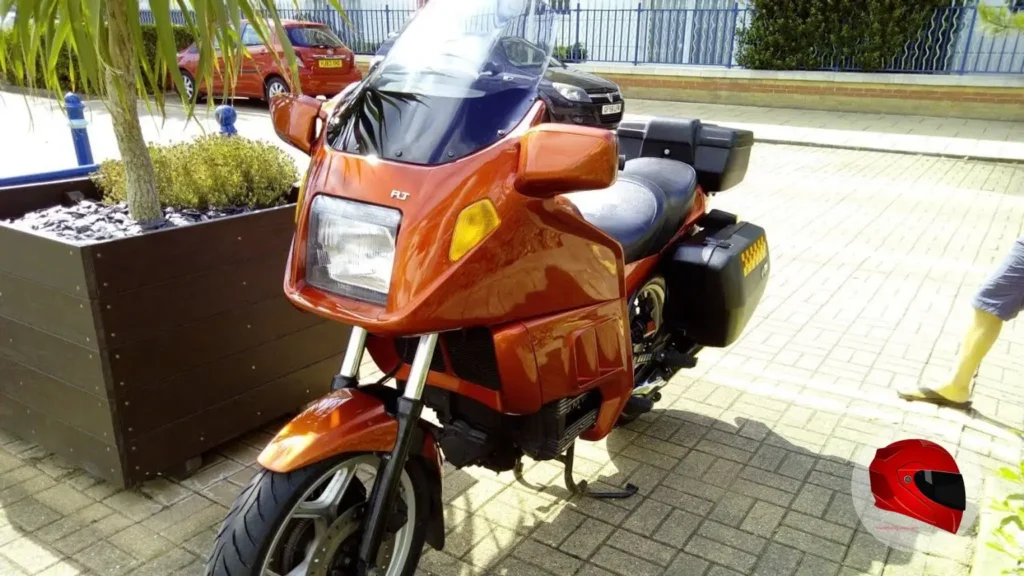
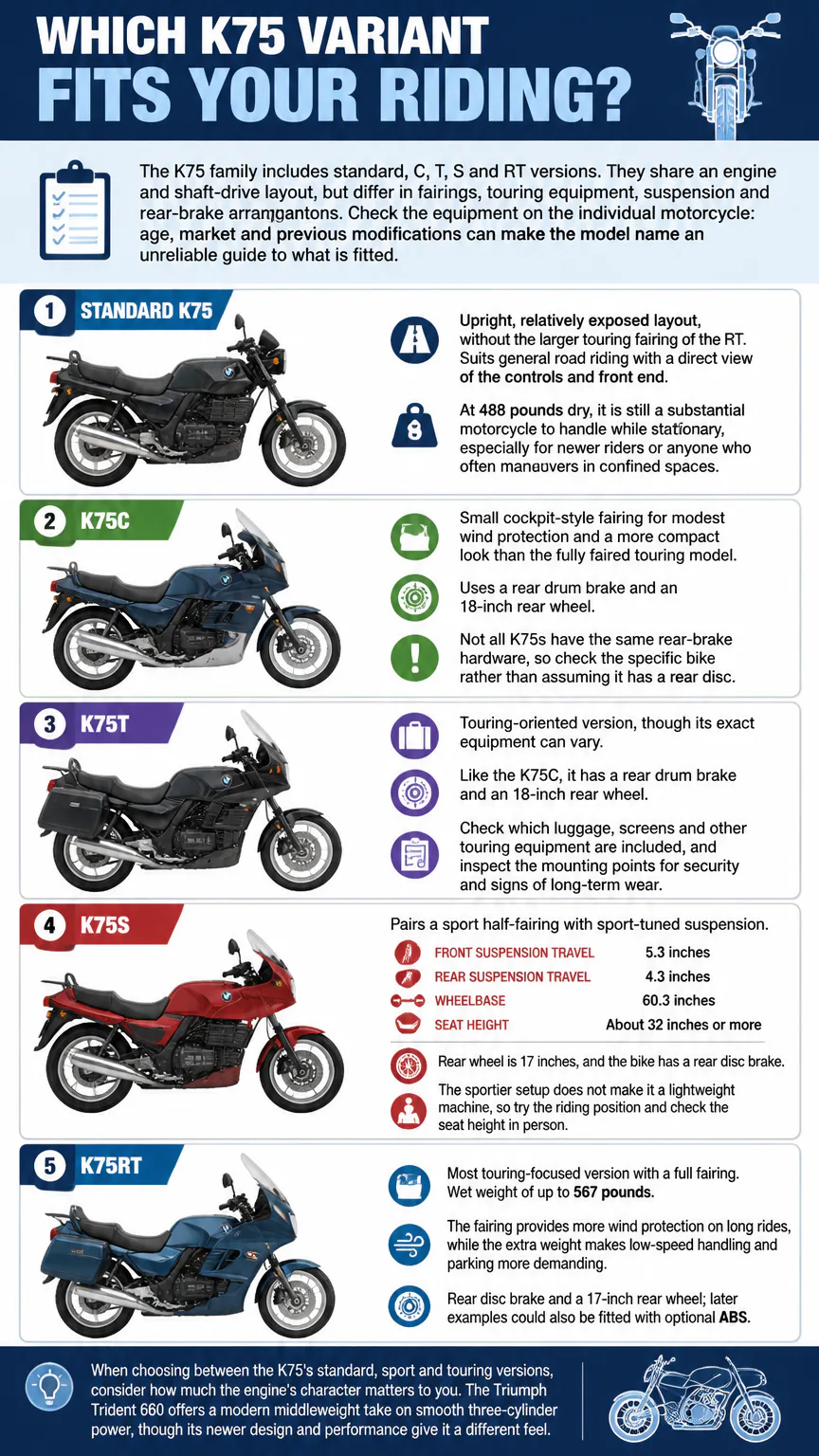
The K75 family includes standard, C, T, S and RT versions. They share an engine and shaft-drive layout, but differ in fairings, touring equipment, suspension and rear-brake arrangements. Check the equipment on the individual motorcycle: age, market and previous modifications can make the model name an unreliable guide to what is fitted.
Standard K75
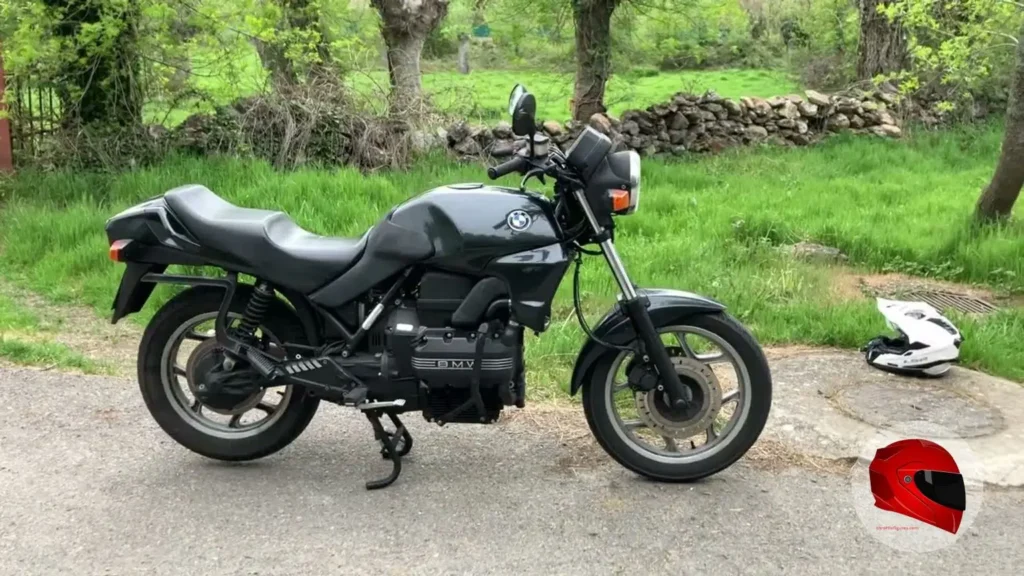
The standard K75 has an upright, relatively exposed layout, without the larger touring fairing of the RT. It suits general road riding and gives the rider a direct view of the controls and front end. At 488 pounds dry, it is still a substantial motorcycle to handle while stationary, especially for newer riders or anyone who often maneuvers in confined spaces.
K75C
The K75C has a small cockpit-style fairing for modest wind protection and a more compact look than the fully faired touring model. It uses a rear drum brake and an 18-inch rear wheel. Not all K75s have the same rear-brake hardware, so check the specific bike rather than assuming it has a rear disc.
K75T
The K75T is a touring-oriented version, though its exact equipment can vary. Like the K75C, it has a rear drum brake and an 18-inch rear wheel. Check which luggage, screens and other touring equipment are included, and inspect the mounting points for security and signs of long-term wear.
K75S
The K75S pairs a sport half-fairing with sport-tuned suspension. It has 5.3 inches of front suspension travel, 4.3 inches at the rear, a 60.3-inch wheelbase and a seat height of about 32 inches or more. The rear wheel is 17 inches, and the bike has a rear disc brake. The sportier setup does not make it a lightweight machine, so try the riding position and check the seat height in person.
K75RT
The K75RT is the most touring-focused version. It has a full fairing and a wet weight of up to 567 pounds. The fairing provides more wind protection on long rides, while the extra weight makes low-speed handling and parking more demanding. The RT has a rear disc brake and a 17-inch rear wheel; later examples could also be fitted with optional ABS.
When choosing between the K75’s standard, sport and touring versions, consider how much the engine’s character matters to you. The Triumph Trident 660 offers a modern middleweight take on smooth three-cylinder power, though its newer design and performance give it a different feel.
Is a Used BMW K75 Worth Buying?
The K75 may suit you if you want smooth power delivery, shaft-drive touring and the character of an older BMW. Its dated braking and suspension, maintenance needs and substantial weight may be drawbacks if you want modern components, minimal upkeep or a light bike for stop-and-go riding. The condition of the individual motorcycle should match both its asking price and the way you plan to use it.
Ask for service records and proof of spline lubrication. Inspect the motorcycle cold, check for fuel or coolant leaks, test the electrical system and instruments, and make sure the brakes and suspension work properly. Include low-speed turns and highway-speed riding in the test ride to assess its weight and road manners.
For a private sale, check that the title and vehicle identification number match before completing the purchase. Set aside money for immediate maintenance if the records are incomplete, even if the bike starts easily and looks clean. A tidy motorcycle with documented service is generally a safer bet than a low-mileage example with an unclear history.
Check motorcycle marketplaces and local classified sites for K75 listings. Compare bikes with similar variants, condition and service records; mileage alone does not show how much deferred maintenance may cost.
BMW K75 vs. BMW K100
The BMW K75 has a 740cc inline-three producing 75 hp, with smoother, milder power delivery. The BMW K100 uses a 987cc inline-four and produces 90 hp at 8,000 rpm and 63.3 lb-ft at 6,000 rpm. It delivers more power and stronger acceleration.
Choose between them based on the riding character you want. The K75 has a less urgent feel, while the K100’s extra power makes it more appealing if stronger acceleration and passing are priorities.
The K75 and K100 offered different levels of power and touring ability within BMW’s lineup. Other manufacturers also made middleweight standards for everyday use, such as the Yamaha YX600 Radian, for riders who didn’t want a full-on sportbike.
BMW K75 Cafe Racer Conversions
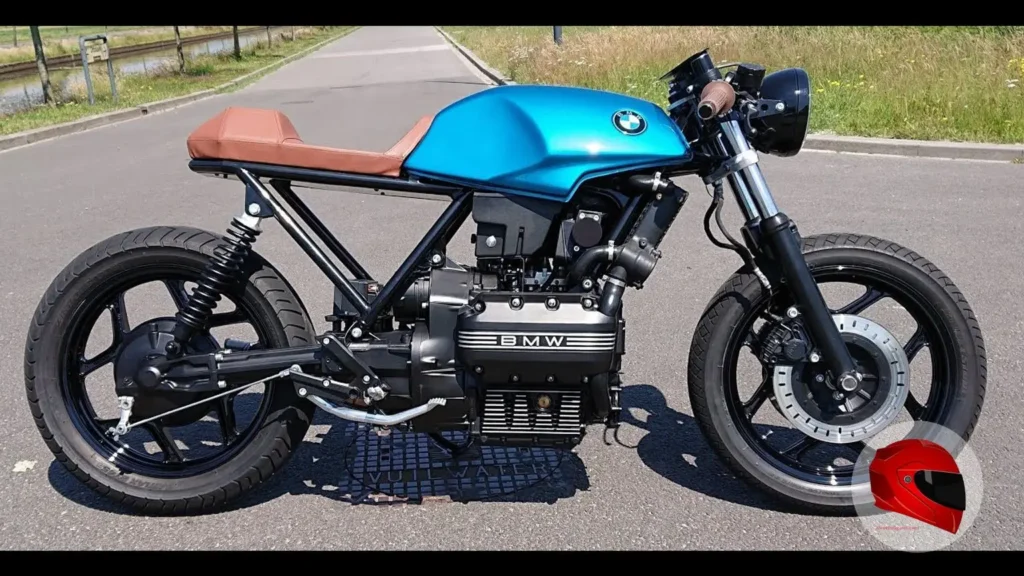
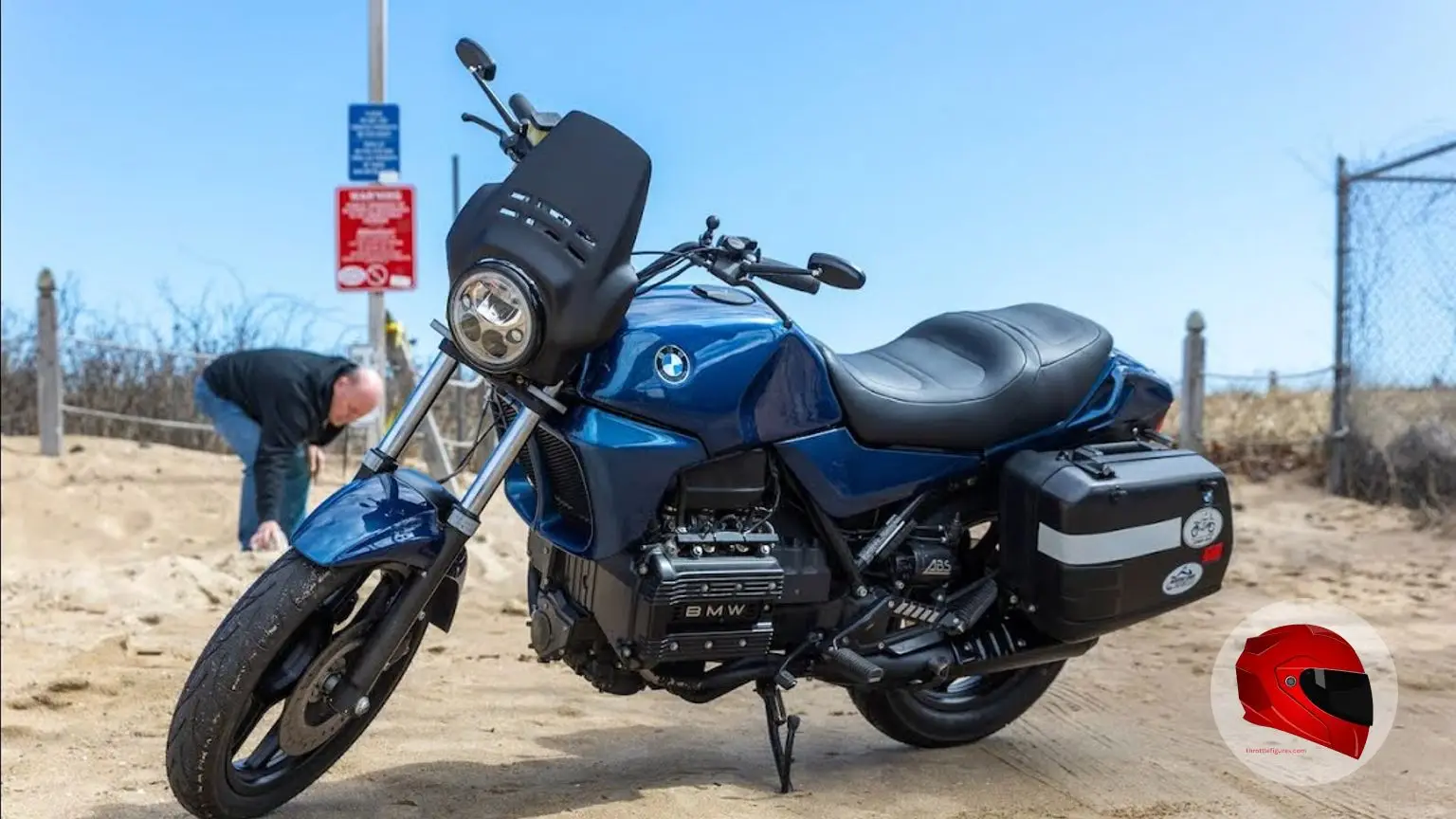
The K75’s three-cylinder engine and older BMW styling appeal to cafe-racer builders. Common changes include removing the touring bodywork, fitting a shorter seat and more compact rear section, and replacing the bars or lighting for a stripped-down look.
These modifications can reduce wind protection and touring comfort. Extensive changes may also add expense or complicate maintenance on an aging motorcycle. Check the quality of the frame and electrical work, keep the original parts if possible, and make sure the finished bike is comfortable and safe for the roads you plan to ride.
FAQs
What is the most sought-after BMW motorcycle?
No single model is universally considered BMW’s most sought-after motorcycle; collector interest varies by era and category. The R90S and R100RS are among the marque’s widely recognized collectible classics.
Which BMW motorcycle is considered the most reliable?
No model has a universal claim to being BMW’s most reliable. The K75 is known for its durable engine, but condition and maintenance history are decisive for an older used bike.
Is the BMW K75 engine reliable?
The K75 engine has a strong durability reputation and can cover high mileage when maintained. Age-related condition and service history still matter.
When did BMW stop making the K75?
BMW ended K75 production in 1995.
What was the top speed of the BMW K75?
The BMW K75 had a top speed of about 115-120 mph, depending on the variant.
Conclusion
As a used buy, the BMW K75 rewards careful shopping more than most classics.
The K75 suits a buyer who wants a smooth, distinctive touring motorcycle and is prepared to maintain an older machine. Prioritize documented spline service, sound brakes and suspension, and a thorough inspection. A neglected bike can quickly lose the value that makes the model appealing.